An Impression of the contributions of several artists from the Arab world at the Venice Biennial 2011. Photos by Floris Schreve. An extensive article will follow later
The Future of a Promise
Curatorial Statement by Lina Nazaar:
“What does it mean to make a promise? In an age where the ‘promise of the future’ has become something of a cliché, what is meant by The Future of a Promise?
In its most basic sense, a promise is the manifestation of an intention to act or, indeed, the intention to refrain from acting in a specified way. A commitment is made on behalf of the promisee which suggests hope, expectation, and the assurance of a future deed committed to the best interests of all.
A promise, in sum, opens up a horizon of future possibilities, be they aesthetic, political, historical, social or indeed, critical. ‘The future of a promise’ aims to explore the nature of the promise as a form of aesthetic and socio-political transaction and how it is made manifest in contemporary visual culture in the Arab world today.
In a basic sense, there is a degree of promise in the way in which an idea is made manifest in a formal, visual context – the ‘promise’, that is, of potential meaning emerging in an artwork and its opening up to interpretation. There is also the ‘transaction’ between what the artist had in mind and the future (if not legacy) of that creative promise and the viewer. Whilst the artists included here are not representative of a movement as such, they do seek to engage with a singular issue in the Middle East today: who gets to represent the present-day realities and promise of the region and the horizons to which they aspire?
It is with this in mind that the show will enquire into the ‘promise’ of visual culture in an age that has become increasingly disaffected with politics as a means of social engagement. Can visual culture, in sum, respond to both recent events and the future promise implied in those events? And if so, what forms do those responses take?”
Mona Hatoum, Drowning sorrows (Gran Centenario), installatie van ‘doorgesneden’ glazen flessen, 2002, op ‘The Future of a Promise’, Biënnale van Venetië, 2011 (photo Floris Schreve
‘Hatoum’s work is the presentation of identity as unable to identify with itself, but nevertheless grappling the notion (perhaps only the ghost) of identity to itself. Thus is exiled figured and plotted in the objects she creates (Said, “Art of displacement” 17).
‘Hatoum’s Drowning Sorrows distinctly exemplifies the “exile” Said denotes above. Drowning Sorrows displays the pain and beauty of being an exile without overtly supplying the tools with which to unhinge the paradox attached to it. It creates suggestive effects which ultimately lead the viewer towards its paradoxical ambiance. The work contains a circle of glass pieces drawn on a floor. The circle is made up of different shapes of glass flasks and, as they appear on the floor, it seems that the circle holds them afloat. The disparately angled glasses imply cuts from their sharp edges and their appearance is associated with a feeling of pain from the cut. This circle of glasses, therefore, signifies an exilic ache and embodies an authority to “figure” and “plot” the pain’.
The work signifies the reality of being unmoored from a fixed identity as the flasks are ambiguously put on a ground where they are perceived to be ungrounded. The appearance of the glasses is also unusual—we do not get to see their full shapes. As the artist’s imagination endows them with a symbolic meaning, they have been cut in triangular and rectangular forms of different sizes. These varieties of cut glasses speak of an undying pain that the exile suffers. In an exile’s life, irresolvable pain comes from dispossessions, uncertainty, and non-belonging. Being uprooted from a deep-seated identity, an exile finds him/herself catapulted into a perpetual flux; neither going back “home” nor a complete harmony with the adopted environment through adopting internally the “new” ideals is easily achievable. There exists an insuperable rift between his/her identity and locales which both are nevertheless integral parts of their identity. Hence, Hatoum portrays the exilic “identity as unable to identify with itself,” as Said puts it.
However, the glass edges above also represent that an exile’s experiences are nonetheless beautiful and worthy of celebration. The glass pieces show the experiences that an exilic traveller gathers in the journey of life. The journey is all about brokenness and difference. But an exile’s life becomes enriched in many ways by being filled up with varieties of knowledge and strengths accrued through encountering differences. Hatoum’s creation, therefore, befittingly captures these benefits by transferring them into an art work that bewitches the viewer through an unknown beauty. Being an expression of beauty, the art work is transformed into a celebration of “exile.” Despite “Drowning” in “Sorrows,” Hatoum’s work demonstrates an authority to give vent to the exilic pain through a work of beauty.
Ultimately, we see that an exile is not entirely drowned by the sorrows of loss. Notwithstanding the anguish, the exile gains the privilege to explore the conditions that create the pain; because the painfulness zeroes in on the very nature of identity formation. The exile has the privilege of reflecting on the reality surrounding his/her identity. Therefore, Hatoum’s glasses are not pieced together purposelessly; they depict the ambiguity that the exile feels towards identity. Her creative ambiguity makes us both enjoy the art and question the reality which we ourselves, exiles or not, find ourselves in. “Drowning Sorrows” shows a way to question the reality by being ambiguous towards it. Hatoum thus transmutes her exilic pain into a work of imagination which becomes an emblem of her artistic power through such suggestiveness.
From this point of view, Hatoum is an exemplary Saidian “exile” as she turns the reality of being uprooted from “home” into an intellectual power against the systematisation of identities. In Orientalism, Said distinguishes the dividing line that severs the supposedly superior Western culture from the ostensibly inferior one of the “Others.” He examines the modus operandi of such a disjunction. He studies power-structures to reveal how they dissociate cultures. Thus the Saidian “exile” develops independent criticisms of cultures in order to defeat the debilitating effects of discursivity that disconnect cultures. The “exile” thus sees the whole world as a foreign land captured in the power-knowledge nexus’.
From: Rehnuma Sazzad, Hatoum, Said and Foucault: Resistance through Revealing the Power-Knowledge Nexus? van Postcolonial Text, Vol 4, No 3 2008), see here
Emily Jacir, Embrace, 2005 (‘The Future of a Promise’, Venetië, 2011- foto Floris Schreve)
Embrace is a circular, motorised sculpture fabricated to look like an empy luggage conveyor system found in airports. It remains perfectly still and quiet, but when a viewer comes near the sculpture their presence activates the work; it turns on and starts moving. The work’s diameter refers to the height of the artist. The work symbolizes, amongst many things, waiting and the etymology of the word ‘embrace’.
Emily Jacir (statement for The Future of a Promise)
Ahmed Alsoudani, Untitled, acryl en houtskool op doek, 2010 (‘The Future of a Promise’, Venetië, 2011- foto Floris Schreve)
‘At the time I was in the tenth grade and I was spending hours reading Russian novels and poetry. Reading things like The Brothers Karamazow, The Idiot, War and Peace, Mayakovsky and Anna Akhmatova, and an anthology of poetry from the frontline of World War II- I can’t remember the title- helped me clarify my own circumstances and put the idea of leaving Iraq in my head. At that time in Iraq all ideas, even private thoughts, could land you in jail. As millions of Iraqis dreamt of leaving, I knew I had to plan carefully. (…) I left Baghdad in the middle of the afternoon and traveled by taxi to Kurdistan, which was under U.S. protection. We had to pass many heavily guarded checkpoints, but my older brother used his connections to bribe our way through. It cost him a lot of money. I stayed for a few weeks in Kurdistan, and later I met with an Iraqi opposition member who helped me cross into Syria (…) After I escaped from Baghdad I spent four years in Syria. In the beginning life was pretty rough and lonely, but eventually I made a few friends. One in particular helped me tremendously- an Iraqi poet named Mohammed Mazlom who was a friend of my brother. He let me stay at his place in Damascus for a year and helped me get a job writing for the Iraqi opposition newspaper there. The big problem with Syria is that though they don’t bother you as an Iraqi exile, you can’t get the paperwork you need to be a legal resident either. You’re in a kind of a limbo: it’s almost if you don’t exist. I knew I would eventually have to leave there as well. In Damascus there is an office called UNHCR, which is a part of the United Nations. Every day the office is full of refugees waiting to get an application to leave. It was a complicated process but I decided after two years in this state of limbo to do it. It took almost a year of waiting but finally I got a meeting with someone from the US embassy. As someone writing for the Iraqi opposition in Syria my case was strong, and after several meetings they granted me political asylum’
(in Robert Goff, Cassie Rosenthal, Ahmed Alsoudani, Hatje Cantz Verlag, Ostfildern, Germany, 2009).
Ahmed Alsoudani, Untitled, acryl en houtskool op doek, 2010 (‘The Future of a Promise’, Venetië, 2011- foto Floris Schreve)
‘These turbulent paintings depict a disfigured tableau of war and atrocity. Although the content of the paintings draw on my own experiences of recent wars in Iraq, the imagery of devestation and violence- occasionally laced with a morbid and barbed humour-evoke universal experience of conflict and human suffering. Deformed figures, some almost indistinguishable and verging on the bestial, intertwine and distort in vivid, surreal landscapes. Figures are often depicted at a moment of transition- through fear and agony- from human to grotesque’
Ahmed Alsoudani (statement for The Future of a Promise)
Jananne Al-Ani, Shadow Sites II, 2011 (The Future of a Promise, Venetië, 2011-foto Floris Schreve)
Jananne Al-Ani, Shadow Sites II, 2011 (The Future of a Promise, Venetië, 2011-foto Floris Schreve)
Jananne Al-Ani, Shadow Sites II, 2011 (The Future of a Promise, Venetië, 2011-foto Floris Schreve)
‘Shadow Sites II is a film that takes the form of an aerial journey. It is made up of images of landscape bearing traces of natural and manmade activity as well as ancient and contemporary structures. Seen from above, the landscape appears abstracted, its buildings flattened and its inhabitants invisible to the human eye. Only when the sun is at its lowest, do the features on the ground, the archeological sites and settlements come to light. Such ‘shadow sites’ when seen from the air, map the latent images by the landscape’s surface. Much like a photographic plate, the landscape itself holds the potential to be exposed, thereby revealing the memory of its past. Historically, representations of the Middle Eastern landscape, from William Holman Hunt’s 1854 painting The Scapegoat (see http://en.wikipedia.org/wiki/The_Scapegoat_(painting), FS) to media images from the 1991 Desert Storm campaign have depicted the region as uninhabited and without sign of civilization. In response to the military’s use of digital technology and satellite navigation, Shadow Sites II recreates the aerial vantage point of such missions while taking an altogether different viewpoint of the land it surveys. The film burrows into the landscape as one image slowly dissolves in another, like a mineshaft tunneling deep into substrate of memories preserved over time’.
Jananne Al-Ani (statement The Future of a Promise)
.
Ahmed Mater, The Cowboy Code, op ‘The Future of a Promise’, Biënnale van Venetië, 2011 (foto Floris Schreve)
Mater in his statement about ‘Antenna’:
“Antenna is a symbol and a metaphor for growing
up in Saudi Arabia. As children, we used to climb
up to the roofs of our houses and hold these
television antennas up to the sky.
We were trying to catch a signal from beyond the
nearby border with Yemen or Sudan; searching –
like so many of my generation in Saudi –
for music, for poetry, for a glimpse of a different
kind of life. I think this work can symbolise the
whole Arab world right now… searching for a
different kind of life through other stories and
other voices. This story says a lot about my life
and my art; I catch art from the story of my life,
I don’t know any other way”.
Ahmed Mater
Ahmed Mater, Antenna, op ‘The Future of a Promise’, Biënnale van Venetië, 2011 (foto Floris Schreve)
Spring Cleaning! By Franck Hermann Ekra (winner of 2010 AICA Incentive Prize for Young Critics):
‘The lost Springs, Mounir Fatmi’s minimal installation, displays the 22 flags of the states of the Arab League at half mast. In the Tunisian and Egyptian pavilions, two brooms refer to the upheavals that led to the fall of President Ben Ali in Tunisia and President Mubarak in Egypt. This evocative, subtle and trenchant work of art has been inspired by the current protests against neo-patriarchal powers in the Maghreb, the Mashriq and the Arabian Peninsula.
In the anthropology of the state, the flag is a symbol rich in identity and attribution. It is a part of a secular liturgy which establishes a holy space for the politically sacred. Mounir Fatmi seems to have captured this with his intuition of an iconic device halfway between the altar and the universalizing official dramaturgy. He gets to the core of democratic representation, on the capacity to metaphorically catalyse the civil link. There is a touch of the domestic in his contemporary heraldry.
The necessary cleansing that Mounir Fatmi suggests does not concern the community but rather the dictators who dream themselves as demiurges. It calls for action-creation. The Brooms ironically point to some dynamic process and stimulating imitation effect. Who’s next? What else should be dusted? Where has the rubbish been hidden?
Though the aesthetics of sweeping, the artist testifies to some timeless spring. A standard bearer of the pan-Arabic revolutionary revivalism and its enchanting Utopia, he breaks away from the prevailing monotony of always disenchanted tomorrows, irreverently using the devices of complicity through self-sufficient references, and blurring the familiar novel and popular romance. Giving his work an essential and symbolic function, he dematerializes it, as if to repeat over and over again that symbols are food for thought’.
From ’The Future of a Promise’.
Abdulnasser Gharem, The Stamp (Amen), rubber on wooden stamp, 2011 (photo Floris Schreve)
‘My relationship with the urban environment is reciprocal; streets and the cities inspire a particularly critical reaction. As a socially engaged artist, I need to take back to the people, to the city, to the built environment.
In previous works I have related the story of social environments marked for destruction, regardless of the fate of the people who live in it, or of disaster arising from a misplaced trust in the security of concrete. With the current work, I turn my attention to the false promise of the manufactured modern city.
Viewing 3D models for the future cities springing up across the Gulf, focuses attention on the disjunction between the apparent utopia of the future they appear to offer and the daily, complex and problematic reality of our actual urban lives.
These cities can be a distraction, a vehicle exploited by bureaucracies who wish to divert the attention of a sophisticated population away from a reality which is not model. Through the use of stamps, I underline the inevitable stultifying and complicating effect the bureaucracy will have, even as it works to build its vision for a better society. Why do we look to an utopian future when we have social issues we need to address now? I am not opposed to this brave new world but I want to see governments engage with the streets and cities, and the problems of their people, as they are now. Why built new cities when there are poor people we need to look after? This is a distraction: we should not be afraid to change.
Abdulnasser Gharem (statement for The Future of a Promise)
‘Suspended Together is an installation that gives the impression of a movement and freedom.
However, a closer look at the 200 doves brings the realization that the doves are actually frozen and suspended, with no hope of flight. An even closer look shows that each dove carries on its body the permission document that allows a Saudi woman to travel. Notwithstanding the circumstances, all Saudi women are required to have this document, issued by their appointed male guardian.
The artist reached out to a large group of leading female figures from Saudi Arabia to donate their permission documents for inclusion in this artwork. Suspended Together carries the documents of award-winning scientists, educators, journalists, engineers, artists and leaders with groundbreaking achievements that contributed to society. The youngest contributor is six months old and the oldest is 60 years old. In the artist’s words: ‘regardless of age and achievement, when it comes to travel, all these women are treated like a flock of suspended doves’.
The Flying Carpet is an Oriental fairytale, a dream of instantaneous and boundless travel, but when I visited Venice I saw that illegal immigrants use carpets to fly the coop. They sell counterfeit goods in order to make some money for living. If they are caught by the police they risk expulsion.
There was a butcher in Tunis who wanted to honour Ben Ali. His idea was to call his shop ‘Butcher shop of the 7th November’, the day when Ben Ali assumed the presidency in a ‘medical’ coup d’ état from then President Habib Bourguiba. After he did so, he disappeared without a trace.
In winter 2010, I visited Cairo, a city which has more citizens than the country I was born. This metropolis is characterized by strong contradictions: tradition and modernism, culture and illiteracy, poverty and wealth, bureaucracy and spirituality. All voices fade through the noisy hustle of this melting pot, but if you risk a closer look on the walls you will find the whisper of the people carved into stone.
The three works document the crossing of borders: traversing the European border leads to problems of being a EU citizen or not; the wide line between insult and homage was transgressed through the unspoken proximity of slaughter and governance of the former Tunesian regime; and the longing for freedom in the police state of Cairo was already written into the walls of the city’
Right: Ahmed Basiony, “30 Days of Running in the Place” documentation footage, February–March2010, Palace of the Arts Gallery, Opera House Grounds, Cairo, Egypt.
Left: Ahmed Basiony, 28th of January (Friday of Rage) 6:50 pm, Tahrir Square. Photo taken by Magdi Mostafa.
Biennale di Arte / 54th International Venice Biennale
Ahmed Basiony (1978–2011) was a crucial component as an artist and professor to the use of new media technology in his artistic and socio-cultural research. He designed projects, each working in its own altering direction out of a diversity of domains in order to expose a personal account experienced through the function of audio and visual material. Motioning through his artistic projects, with an accurate eye of constant visibility, and invisibility, while listening to audio material that further relayed the mappings of social information: Whether in the study of the body, locomotion through a street, the visual impact of a scream versus data representation in the form of indecipherable codes. The artist functioned as a contemporary documentarian; only allowing the archival of data the moment it came in, and no longer there after.
30 Days of Running in the Place is the play of a video documentation to a project that had taken place one year ago. Marking a specific time when the artist had performed a particular demonstration of running, in order to anticipate a countering digital reaction; the aim was to observe how in the act of running in a single standing point, with sensors installed in the soles of his shoes, and on his body [to read levels of body heat], could it had been translated into a visual diagram only to be read in codes, and visually witness the movement of energy and physical consumption become born into an image.
One year later, the uprisings to the Egyptian revolution took on Basiony’s attention, as it had millions of other Egyptians motioning through the exact same states of social consumption. It was from then on, for a period of four days, did Basiony film with his digital and phone camera, the events of downtown Cairo and Tahrir Square, leading to his death on the night of the January 28th, 2011.
An evolution of universal networks created out of audio, visual and electronic communications, blurring the distinction between interpersonal communication, and that of the masses, Basiony’s works only existed in real-time, and then after that they became part of the archives of research he invested into making. It is with this note, we collectively desired, under the auspices of the Ministry of Culture, to recognize and honor the life and death of an artist who was fully dedicated to the notions of an Egypt, that to only recently, demanded the type of change he was seeking his entire life.
A gesture of 30 years young, up against 30 years of a multitude of disquieted unrest.
Kingdom of Saudi Arabia Pavilion, Arsenale, Venice, Italy, 6 Jun 2011
The Black Arch
Title : The Black Arch, installation view Credit : Courtesy Kingdom of Saudi Arabia Pavilion
//
Press Release Abdulaziz Alsebail, Commissioner, is pleased to announce that Shadia and Raja Alem will represent the Kingdom of Saudi Arabia for its inaugural pavilion at the 54th International Art Exhibition – la Biennale di Venezia, Mona Khazindar1 and Robin Start2 will curate The Black Arch, an installation by the two artists. The work of Shadia and Raja Alem can be read as a double narrative. Raja the writer, and Shadia the visual artist, have a non-traditional artist’s background. While having had a classical and literary education the sisters acquired knowledge through their encounters with pilgrims visiting Makkah. Their family had welcomed pilgrims into their home during the Hajj for generations. Since the mid 1980s, the sisters have travelled the world for exhibitions, lectures, and for the general exploration and appreciation of art and literature, and in some way seeking the origins of cultures and civilizations that sparked their imagination through the stories of the visitors to Makkah throughout their childhood. The Black Arch was created through a profound collaboration between Shadia and Raja Alem. It is very much about a meeting point of the two artists; of two visions of the world; from darkness to light, and of two cities – Makkah and Venice. The work is a stage, set to project the artists’ collective memory of Black – the monumental absence of colour – and physical representation of Black, referring to their past. The narrative is fuelled by the inspirational tales told by their aunts and grandmothers, and is anchored in Makkah, where the sisters grew up in the 1970s. The experience with the physical presence of Black, the first part of the installation, is striking for the artists; Raja explains, “I grew up aware of the physical presence of Black all around, the black silhouettes of Saudi women, the black cloth of the Al ka’ba3 and the black stone4 which is said to have enhanced our knowledge.” As a counter-point, the second part of the installation is a mirror image, reflecting the present. These are the aesthetic parameters of the work. The Black Arch is also about a journey, about transition; inspired by Marco Polo and fellow 13th century traveller Ibn Battuta5 – both examples of how to bridge cultures through travel. Shadia explains how she felt a desire to follow Marco Polo’s example and “to bring my city of Makkah to Venice, through objects brought from there: a Black Arch; a cubic city, and a handful of Muzdalifah pebbles.6” The artists focus on the similarities between the two cosmopolitan cities and their inspirational powers. The double vision of two women, two sisters, two artists unfolds in a world of ritual and tradition which, however, confronts the day-to-day reality of human behaviour with simplicity. “If the doors of perception were cleared, everything would appear to man as it really is, infinite.” William Blake.
Raja & Shadia Alem, The Black Arch, installation, Venice Biennial, 2011 (photo Floris Schreve)
Raja & Shadia Alem, The Black Arch, installation, Venice Biennial, 2011 (photo Floris Schreve)
Raja & Shadia Alem, The Black Arch, installation, Venice Biennial, 2011 (photo Floris Schreve)
Raja & Shadia Alem, The Black Arch, installation, Venice Biennial, 2011 (photo Floris Schreve)
Raja & Shadia Alem, The Black Arch, installation, Venice Biennial, 2011 (photo Floris Schreve)
Raja & Shadia Alem, The Black Arch, installation, Venice Biennial, 2011 (photo Floris Schreve)
Raja & Shadia Alem, The Black Arch, installation, Venice Biennial, 2011 (photo Floris Schreve)
The Pavilion of Iraq; my own impression
Introduction of the curator Mary Angela Shroth:
“These are extraordinary times for Iraq. The project to create an official country Pavilion for the 54. Biennale di Venezia is a multiple and participatory work in progress since 2004. It is historically coming at a period of great renewal after more than 30 years of war and conflict in that country.
The Pavilion of Iraq will feature six internationally-known contemporary Iraqi artists who are emblematic in their individual experimental artistic research, a result of both living inside and outside their country. These artists, studying Fine Arts in Baghdad, completed their arts studies in Europe and USA. They represent two generations: one, born in the early 1950′s, has experienced both the political instability and the cultural richness of that period in Iraq. Ali Assaf, Azad Nanakeli and Walid Siti came of age in the 1970′s during the period of the creation of political socialism that marked their background. The second generation, to include Adel Abidin, Ahmed Alsoudani and Halim Al Karim, grew up during the drama of the Iran-Iraq war (1980-1988), the invasion of Kuwait, overwhelming UN economic sanctions and subsequent artistic isolation. This generation of artists exited the country before the 2003 invasion, finding refuge in Europe and USA by sheer fortune coupled with the artistic virtue of their work. All six artists thus have identities indubitably forged with contemporary artistic practice that unites the global situation with the Iraqi experience and they represent a sophisticated and experimental approach that is completely international in scope.
The six artists will execute works on site that are inspired by both the Gervasuti Foundation space and the thematic choice of water. This is a timely interpretation since the lack of water is a primary source of emergency in Iraq, more than civil war and terrorism. A documentary by Oday Rasheed curated by Rijin Sahakian will feature artists living and working in Iraq today.
The Pavilion of Iraq has been produced thanks to Shwan I. Taha and Reem Shather-Kubba/Patrons Committee, corporate and individual contributors, Embassy of the Republic of Iraq and generous grants from the Arab Fund for Arts and Culture, Hussain Ali Al-Hariri, and Nemir & Nada Kirdar. Honorary Patron is the architect Zaha Hadid“.
Azad Nanakeli, Destnuej (purification), Video Installation, 2011 (photo Floris Schreve)
‘In my language Destnuej means ‘purification’, to cleanse the body from all sins. When I was a boy, water for daily use was extracted from wells for drinking, cooking and washing. Long ago the water from the wells was clear and pure, but already at that time, however, things had changed: my friends who lived in the same area suffered from illness linked to contaminated water. My nephew contracted malaria and died. Since then, much has changed and the wells no longer exist. As in most places they were replaced by aqueducts but the problem persists. Residues of every shape and substance are poured incessantly into the water, poisoning rivers and oceans.
Toxic waste, nuclear by-products, and various chemicals multiply inexorably, seeping into groundwater. Slowly, day after day, they enter into our bodies. For these reasons, the water is no longer pure. Drinking, cooking, washing. Purifying. Purification is an ancient ritual, disseminated in the four corners of the world.
The man who continues to drink this water contaminates his own body. The man who uses it to purify himself contaminates himself.
My work is based on and motivated by these themes, which are also linked to general degradation man causes to the environment around us’.
Azad Nanakeli, March 2011
From: Ali Assaf, Mary Angela Shroth, Acqua Ferita/Wounded Water; Six Iraqi artists interpret the theme of water, Gangemi editore, Venice Biennale, 2011, p. 52
Azad Nanakeli, Au (Water), Mixed Media Installation with audio, 2011 (photo Floris Schreve)
‘Au’ means water in Kurdish. It is present on our planet in enormous quantities. For the most part, however, it is not available for use: it is salt water that makes up our oceans and glaciers.
The remaining quantity, which we use for the needs of mankind, might be considered sufficient for the moment, but the resources are not unlimited. The need for water increases in an exponential way, with the rise of the world population, and in a few years time the supply might be in jeopardy.
Add to the man’s carelessness and irresponsibility. We waste and pollute water supplies in the name of progress, of consumerism and of economic interests.
It is estimated that within the next twenty years consumption is destined to increase by 40%. What’s more, already today a large part of the world’s population does not have access to clean water sources; among them are the people of the Middle East.
In ancient days and until a few decades ago, these sources existed throughout the territory. They were called oasis. Today after the building of dams by Turkey in the 70’s and by Syria in the 80’s, and the relentless draining of 15,000 square kilometers of Iraqi land (a decision by the regime) everything has changed: where there was once fertile land, there is now desert and desolation.
The World Bank estimates that, by 2035, only 90% of the population of Western Asia, including the Arab Peninsula, will be without water. The small quantity that will still be available will be directed to urban areas, while the countryside will drown in inescapable aridity.
The accumulation of refuse of large urban and industrial areas over the years had created further danger and damage to the integrity of its precious resource.
Underground water levels are polluted by toxic substances. Non-biodegradable materials from refuse dumps accumulate in canals and oceans.
This work emulates the disturbing images from the media of islands composed entirely of accumulated waste.
Azad Nanakeli, March, 2011
Acqua Ferita, p. 56
Halim Al Karim, Nations Laundry, video installation, 2011 (photo Floris Schreve)
Nations Laundry
In this video (Nations Laundry), the idea and materials used to reflect the concepts of threat, apprehension, and survival in matters of our environment. Within this work, my aim is to create an awareness that may, in turn, help bring about positive changes to our failing environmental systems that came as a result of yours and our wars.
Halim Al-Karim, March 2011
Acqua Ferita, p. 58
Halim Al Karim, Hidden Love 3, fotograph lambda-print, 2010 (photo Floris Schreve)
My works dwell on the envolving mentality of urban society. I am concerned with ongoing and unresolved issues, particularly when they relate to violence. I search both through the layers of collective memory and my personal experience in that context.
In this process, the main challenge for me is to identify and stay clear of the historical and contemporary elements of brainwash.
Through these works I try to visualize an urban society free of violence. These out of focus images, sometimes rendered more mysterious under a veil of silk, imply uncertainty of context, time and place. These techniques, which have become the hallmark of my work, are a means to overcome the effects of politics of deception and, in turn, transform me and the camera into single truth seeking entity.
‘My deepest memories are central to my painting but it is often easier only to look at the surface; to see war, torture and violence and even to consider my art only in terms of the present Iraq war. My own approach is different from anything related to the first impression. I am interested in memory and history, and in the potent areas between the two that enable me to keep memories alive in the present. As an artist, it is important not to get obsessed with my subject matter. I need critical distance. Some of the events that inform my paintings are things I have personally experienced while others I have heard about from family or close friends. These events are refashioned in my imagination in such a way that I am able to look at them both very personally and with some distance. If I were too personal and too literal about these subjects I would be overly emotional and that would negatively affect the work, I would take it into a place which is something other than art. In order for these works to survive as art I need the distance my interior process of distilling my subject matter affords me. In terms of Iraq, I care deeply about the country and the people there. My work is not intended to be a first person account on war, atrocity or the effect of totalitarianism in Iraq in the last twenty years; in fact I think there are universal and common aspects to these things throughout history and different parts of the world and I hope viewers will see this in my paintings in Venice’.
Ahmed Alsoudani, New York, april, 2011 (from Ali Assaf, Mary Angela Shroth, Acqua Ferita/Wounded Water; Six Iraqi artists interpret the theme of water, Gangemi editore, Venice Biennale, 2011)
The Gali Ali Breg (Gorge of Ali Beg) waterfall is part of Hamilton Road, built in 1932 under the guidance of New Zealand engineer Sir Archibald Milne Hamilton to link Erbil with the Iranian border. The waterfall had long been a tourist destination, featured in Iraqi publications and on the current 5000 Iraqi Dinar note.
Two years ago a drought afflicted the region, and left the waterfall dry in the summer seasons. This prompted the Kurdish government to hire a Lebanese company to divert water to the falls, which involved pumping 250 cubic meters of water per second. The imagery on the note thus remained intact.
Walid Siti, Meso (detail), Mylar mirror, twill tape, nylon fishing line and wood, 2011 (photo Floris Schreve)
Meso 2011
From the air, the Great Zab River near Erbil forms a snaking, green body of water in a dry, golden landscape. Though beautiful, the sight also reveals the skeletons of dried out rivers and streams that once contributed to its flow. This piece exposes the fragility of the Great Zab (one of the main tributaries to the Tigris River), now exposed to the lurking threats of drought, rapid development and political tugs-of-war.
Walid Siti, 2011
Acqua Ferita, p. 64
Adel Abidin, Consumptions of War, Video Projection and amorphic installation (photo Floris Schreve- see here a compilation)
Adel Abidin, Consumptions of War, Video Projection and amorphic installation (photo Floris Schreve- see here a compilation)
Adel Abidin, Consumptions of War, Video Projection and amorphic installation (photo Floris Schreve- see here a compilation)
Adel Abidin, Consumptions of War, Video Projection and amorphic installation (photo Floris Schreve- see here a compilation)
Adel Abidin, Consumptions of War, Video Projection and amorphic installation (photo Floris Schreve- see here a compilation)
‘Consumption of War explores the environmental crisis through the participatory crisis and spectator culture of profit driven bodies. Today, global corporate entities encourage consumption on a massive scale for maximum profit, disregarding the obscene amounts of water needed to produce ‘necessities’ such as a pair of jeans or cup of coffee. In Iraq, major corporations have signed the largest free oil exploration deals in history. Yet while every barrel of oil extracted requires 1.5 barrels of water, 1 out of every 4 citizens has no access to clean drinking water.
In a corporate office, two men compete in a childish battle inspired by Star Wars, using fluorescent lights as swords. Each light is consumed until the darkened room marks the game’s abrupt end. Alternating between lush and dry, attractive and foolish, this is a landscape of false promises and restricted power’
Ali Assaf, still from Narciso (photo Floris Schreve)
For the 2011 Biennale I have conceived two works. Between them, they approach several aspects following my recent visit to my hometown, Al Basrah, where I lived till the age of 18 and where the majority of my gamily still resides.
Narciso
In my parents’ house in Al Basrah, I found myself turning the pages of an old schoolbook on Caravaggio (1571-1610). Before an illustration of his ‘Narciso’, these questions came to mind:
‘What would happen today if Narcissus saw himself in the water?’
‘Would he be able to see his image in today’s polluted water?’
‘And myself? If I was able to see my image in the waters of Al Basrah, what would I see?’
In this manner my return to Al Basrah had the meaning of reflecting myself in my own history and in its own in-depth and intimate personal identity. But it was impossible to do, because I found this identity led astray and darkened.
Ali Assaf, al-Basrah, the Venice of the East (installation), 2011 (photo Floris Schreve)
Ali Assaf, al-Basrah, the Venice of the East (installation), 2011 (photo Floris Schreve)
Ali Assaf, al-Basrah, the Venice of the East (installation), 2011 (photo Floris Schreve)
Ali Assaf, al-Basrah, the Venice of the East (installation), 2011 (photo Floris Schreve)
Ali Assaf, al-Basrah, the Venice of the East (detail), 2011 (photo Floris Schreve)
Al Basrah, the Venice of the East
My arrival at the border between Kuwait and Iraq was a shock.
A profound sense of frustration when confronted with this reality.
‘ There was nothing left from those memories that were so important to my survival. Only destruction and ugliness. The surviving friends and family had aged, the Shatt al-Arab River had become saline.
The canals had dried up and were a deposit for refuse and garbage, the historic buildings destroyed or substituted by illegal constructions, the dates were contaminated.
The Shenashil built of wood (with their Indo-English balconies) were abandoned to their own devices, to the sun and rain, they had lost their charm and characteristic beauty. These places were corroded by humidity and lack of care, marked by war and the embargo.
Mijn artikel, dat afgelopen voorjaar in Eutopia is verschenen (Eutopia nr. 27, april 2011, themanummer ‘Diversiteit in de Beeldende Kunst’, zie hier). Het artikel heb ik echter geschreven in het najaar van 2010, dus nog vóór de opstanden in de Arabische wereld. Hoewel het onderwerp natuurlijk kunstenaars uit de Arabische wereld in Nederland was, zou ik er zeker een opmerking over hebben gemaakt. De Arabische Lente, die in Tunesië begon nadat op 17 december 2010 in Sidi Bouzid de 27 jarige Mohamed Bouazizi zichzelf in brand stak en daarmee de onvrede van de relatief jonge Arabische bevolking met de zittende dictatoriale regimes van de diverse landen een gezicht gaf, is, los van hoe de ontwikkelingen verder zullen gaan, natuurlijk een historische mijlpaal zonder weerga. Maar het begin van de Arabische opstanden voltrok zich precies tussen het moment dat ik onderstaande bijdrage had ingestuurd (november 2010) en de uiteindelijke verschijning in mei 2011. In een later geschreven bijdrage voor Kunstbeeld, over moderne en hedendaagse kunst in de Arabische wereld zelf, heb ik wel aandacht aan deze ontwikkelingen besteed, zie hier.
Het nummer van Eutopia was vrijwel geheel gewijd aan kunstenaars uit Iran in Nederland. In de verschillende bijdragen van Özkan Gölpinar, Neil van der Linden, Robert Kluijver, Dineke Huizenga, Bart Top, Marja Vuijsje, Wanda Zoet en anderen kwamen vooral Iraanse kunstenaars aan bod, als Soheila Najand, Atousa Bandeh Ghiasabadi, Farhad Foroutanian, (de affaire) Sooreh Hera en nog een aantal anderen. In mijn bijdrage heb ik me gericht op de kunstenaars uit de Arabische landen, die wonen en werken in Nederland, die ook een belangrijke rol speelden in mijn scriptie-onderzoek.
De tekst is vrijwel dezelfde als die van de gedrukte versie, alleen heb ik een flink aantal weblinks toegevoegd, die verwijzen naar websites van individuele kunstenaars, achtergrondartikelen en documentaires, of radio- en televisie-uitzendingen.
Hieronder mijn bijdrage aan dit themanummer:
Kunstenaars uit de Arabische wereld in Nederland
فنانون من العالم العربي في هولندا
Naast dat er een aantal uit Iran afkomstige kunstenaars in ons land actief zijn, zijn er ook veel kunstenaars uit de Arabische landen, die wonen en werken in Nederland. Je zou deze groep migrantkunstenaars in drie categorieën kunnen verdelen.
Allereerst zijn er zo’n twintig kunstenaars die vanaf de jaren zeventig naar Europa en uiteindelijk naar Nederland kwamen om hun opleiding te voltooien en hier gebleven zijn. Te denken valt aan Nour-Eddine Jarram en Bouchaib Dihaj (Marokko), Abousleiman (Libanon), Baldin (Iraaks Koerdistan), Saad Ali (Irak, inmiddels verhuisd naar Frankrijk), Essam Marouf , Shawky Ezzat, Achnaton Nassar (Egypte) en van een iets latere lichting Abdulhamid Lahzami en Chokri Ben Amor (Tunesië) . [1]
Achnaton Nassar, bijvoorbeeld, kwam naar Nederland om verder te studeren aan de Rijksacademie. Hij werd in 1952 in Qena, Egypte, geboren en studeerde aan de universiteiten van Alexandrië en Cairo. Hier werd hij opgeleid in de islamitische traditie, waarbij het Arabische alfabet als uitgangspunt diende. Nassar vond dit te beperkt. De drang om zich verder te ontwikkelen dreef hem naar Europa. Na een studie architectuur in het Griekse Saloniki deed Nassar zijn toelatingsexamen voor de Rijksacademie, te Amsterdam. Daarna vestigde hij zich in 1982 in Amstelveen.
Het grootste deel van Nassars werk bestaat uit abstracte tekeningen, waarbij hij verschillende technieken inzet. In zijn composities verwijst Nassar vaak naar de abstracte vormtaal van de islamitische kunst en het Arabische schrift, al verwerkt hij deze met de organische vormen die hij hier in bijvoorbeeld het Amsterdamse bos aantreft, dat vlakbij zijn atelier ligt. [2]
In de jaren negentig heeft Nassar een serie popart-achtige figuratieve werken gemaakt, die een dwarse kijk geven op het toen net oplaaiende debat over ‘de multiculturele samenleving’. In deze serie werken combineert Nassar clichébeelden van wat de Nederlandse identiteit zou zijn, met clichébeelden die hier bestaan van de Arabische cultuur. Door op een ironische manier beide stereoptype beelden te combineren, worden beiden gerelativeerd of ontzenuwd.
Een voorbeeld is het hier getoonde paneel uit de periode 1995-2000. Het werk verwijst naar het bankbiljet voor duizend gulden, waarop het portret van Spinoza staat weergegeven. Door kleine interventies is het beeld van betekenis veranderd. Het gebruikelijke 1000 gulden is vervangen met 1001 Nacht en ‘De Nederlandsche Bank’ is veranderd in ‘De Wereldliteratuurbank’. Het biljet is getekend door president N. Mahfouz op 22 juli 1952, de dag van de Egyptische revolutie en bovendien Nassars geboortedag. Een opmerkelijk detail zijn de met goudverf aangebrachte lijnen in het gezicht van Spinoza. Deze lijnen, die lopen vanaf het profiel van de neus via de rechter wenkbrauw naar het rechteroog, vormen het woord Baruch in het Arabisch, Spinoza’s voornaam. Op deze wijze plaatst Nassar een Nederlands symbool als het duizend gulden biljet in een nieuwe context. Spinoza was immers in zijn tijd ook een vreemdeling, namelijk een nazaat van Portugese Joden. Met een werk als dit stelt Nassar belangrijke vragen over nationale versus hybride identiteit en maakt hij een statement over de betrekkelijkheid van symboliek als een statisch referentiepunt van nationale identificatie. [3]
Ook de andere figuratieve werken van Nassar staan vol met dit soort verwijzingen. De essentie van zijn werk ligt in hoe de een naar de ander kijkt en de ander weer naar de één. De ‘oosterling’ kijkt naar de ‘westerling’ volgens een bepaald mechanisme, maar Nassar heeft vooral dit thema in omgekeerde richting verwerkt: wat is de cultureel bepaalde blik van het ‘Westen’ naar de ‘Oriënt’?
Achnaton Nassar, Zonder titel, acryl op paneel, 1995-1996 (afb. collectie van de kunstenaar)
Met zijn beeldinterventies legt Nassar valse neo-koloniale en exotistische structuren bloot, die in het westerse culturele denken bestaan. Hiermee raakt hij een belangrijk punt van de westerse cultuurgeschiedenis. Volgens de Palestijnse literatuurwetenschapper Edward Said bestaat er een groot complex aan cultureel bepaalde vooroordelen in de westerse culturele canon wat betreft de ‘Oriënt’. In zijn belangrijkste werk, Orientalism (1978), heeft hij erop gewezen dat de beeldvorming van het westen van de Arabische wereld vooral wordt bepaald door enerzijds een romantisch exotisme en anderzijds door een reactionaire kracht die, in de wil tot overheersing, de ‘irrationaliteit’ van de ‘Oriënt’ wil indammen, daar zij nooit zelf in staat zou zijn om tot vernieuwingen te komen. Said heeft in zijn belangrijke wetenschappelijke oeuvre (Orientalism en latere werken) de onderliggende denkstructuren blootgelegd, die hij toeschrijft aan het imperialistische gedachtegoed, een restant dat is gebleven na de koloniale periode en nog steeds zijn weerslag vindt in bijvoorbeeld de wetenschap (zie Bernard Lewis, maar van iets later bijvoorbeeld ook de notie van de ‘Clash of Civilizations’ van Samuel Huntington, die sterk op het gedachtegoed van Lewis is geïnspireerd- het begrip ‘Clash of Civilizations’ is zelfs ontleend aan een passage uit Lewis’ artikel The Roots of the Muslim Rage uit 1990), de media en de politiek. [4] Ook voor het debat in de hedendaagse kunst is Saids bijdrage van groot belang geweest. Op dit moment speelt het discours zich af tussen processen van uitsluiting, het toetreden van de ander (maar daarbij het insluipende gevaar van exotisme), of gewoon dat goede kunst van ieder werelddeel afkomstig kan zijn.
De overgrote meerderheid van de kunstenaars uit de Arabische wereld in Nederland bestaat vooral uit kunstenaars uit Irak, die grotendeels in de jaren negentig naar Nederland zijn gekomen als politiek vluchteling voor het vroegere Iraakse regime. Het gaat hier om zo’n tachtig beeldende kunstenaars, zowel van Arabische als Koerdische afkomst. Naast beeldende kunstenaars zijn er overigens ook veel dichters (bijv. Salah Hassan, Naji Rahim, Chaalan Charif en al-Galidi ), schrijvers (Mowaffk al-Sawad en Ibrahim Selman), musici (zoals het beroemde Iraqi Maqam ensemble van Farida Mohammed Ali, de fluitist / slagwerker Sattar Alsaadi, de zanger Saleh Bustan en het Koerdische gezelschap Belan, van oa Nariman Goran) en acteurs (bijv. Saleh Hassan Faris) in die tijd naar Nederland gekomen. [5]
Een Iraakse kunstenaar, die sinds de laatste jaren steeds meer boven de horizon van ook de Nederlandse gevestigde kunstinstellingen is gekomen, is Qassim Alsaedy (Bagdad 1949). Alsaedy studeerde in de jaren zeventig aan de kunstacademie in Bagdad, waar hij een leerling was van oa Shakir Hassan al-Said, een van de meest toonaangevende kunstenaars van Irak en wellicht een van de meest invloedrijke kunstenaars van de Arabische en zelfs islamitische wereld van de twintigste eeuw. [7] Gedurende zijn studententijd kwam Alsaedy al in conflict met het regime van de Ba’thpartij. Hij werd gearresteerd en zat negen maanden gevangen in al-Qasr an-Nihayyah, het beruchte ‘Paleis van het Einde’, de voorloper van de latere Abu Ghraib gevangenis.
Na die tijd was het voor Alasedy erg moeilijk om zich ergens langdurig als kunstenaar te vestigen. Hij woonde afwisselend in Syrië, Jemen en in de jaren tachtig in Iraaks Koerdistan, waar hij leefde met de Peshmerga’s (de Koerdische rebellen). Toen het regime in Bagdad de operatie ‘Anfal’ lanceerde, de beruchte genocide campagne op de Koerden, week Alsaedy uit naar Libië, waar hij zeven jaar lang als kunstenaar actief was. Uiteindelijk kwam hij midden jaren negentig naar Nederland.
Qassim Alsaedy, object uit de serie/installatie Faces of Baghdad, assemblage van metaal en lege patroonhulzen op paneel, 2005 (geëxposeerd op de Biënnale van Florence van 2005). Afb. collectie van de kunstenaar
In het werk van Alsaedy staan de afdrukken die de mens in de loop van geschiedenis hebben achterlaten centraal. Hij is vooral gefascineerd door oude muren, waarop de sporen van de geschiedenis zichtbaar zijn. In zijn vaderland Irak, het gebied van het vroegere Mesopotamië, werden al sinds duizenden jaren bouwwerken opgetrokken, die in de loop van de geschiedenis weer vergingen. Telkens weer liet de mens zijn sporen na. In Alsaedy’s visie blijft er op een plaats altijd iets van de geschiedenis achter. In een bepaald opzicht vertoont het werk van Qassim Alsaedy enige overeenkomsten met het werk van de bekende Nederlandse kunstenaar Armando . Toch zijn er ook verschillen; waar Armando in zijn ‘schuldige landschappen’ tracht uit te drukken dat de geschiedenis een blijvend stempel op een bepaalde plaats drukt (zie zijn werken nav de Tweede Wereldoorlog en de concentratiekampen van de Nazi’s), laat Alsaedy de toeschouwer zien dat de tijd uiteindelijk de wonden van de geschiedenis heelt. [8]
Het hier getoonde werk gaat meer over de recente geschiedenis van zijn land. Alsaedy maakte deze assemblage van lege patroonhulzen na zijn bezoek aan Bagdad in de zomer van 2003, toen hij na meer dan vijfentwintig jaar voor het eerst weer zijn geboorteland bezocht. Vanzelfsprekend is dit werk een reactie op de oorlog die dat jaar begonnen was. Maar ook deze ‘oorlogsresten’ zullen uiteindelijk wegroesten en verdwijnen, waarna er slechts een paar gaten of littekens achterblijven.
Sinds de laatste tien jaar begint ook de tweede generatie migrantenkunstenaars uit de Arabische wereld zichtbaar te worden. De tot nu toe meest bekende kunstenaar uit deze categorie is de Nederlandse/ Marokkaanse kunstenaar Rachid Ben Ali. Ben Ali bezocht kortstondig de mode-academie en de kunstacademie in Arnhem, maar vestigde zich al snel als autonoom kunstenaar in Amsterdam. Sinds die tijd heeft hij een stormachtige carrière doorgemaakt. Hij werd ‘ontdekt’ door Rudi Fuchs, exposeerde in het Stedelijk op de tentoonstelling die was samengesteld door Koningin Beatrix en had een paar grote solo-exposities, waaronder in Het Domein in Sittard (2002) en in het Cobramuseum in Amstelveen (2005). Deze tentoonstellingen verliepen overigens niet zonder controverses. Vanuit de islamitische hoek, maar zeker ook vanuit de autochtone Nederlandse hoek (zoals in de gemeente van Sittard, toen Ben Ali in het Domein exposeerde in 2002), werd het werk van Ben Ali als provocerend of aanstootgevend ervaren, vooral vanwege de expliciet homo-erotische voorstellingen die hij had verbeeld. [9]
Het werk van Ben Ali is rauw, direct, intuïtief en soms confronterend. In zijn werk zijn persoonlijke en politieke thema’s met elkaar verweven. Een belangrijke rol spelen zijn persoonlijke achtergrond, zijn homoseksualiteit, zijn verontwaardiging over zowel racisme en vreemdelingenhaat, als over religieuze bekrompenheid en intolerantie en zijn betrokkenheid bij wat er in de wereld gebeurt. Het hier getoonde werk maakte Ben Ali naar aanleiding van beelden van doodgeschoten Palestijnse kinderen door het Israëlische leger. Het weergegeven silhouet is een verbeelding van zijn eigen schaduw. Ben Ali heeft zichzelf hier weergeven als een machteloze toeschouwer, die van een grote afstand niet in staat is om iets te doen, behalve te aanschouwen en te getuigen. [10]
Er zijn nog veel meer kunstenaars uit de Arabische wereld in Nederland actief, zowel uit het Midden Oosten als Noord Afrika. Het is vanzelfsprekend onmogelijk om hen allemaal in dit verband recht te doen. Hoewel de meesten nog onbekend zijn bij de gevestigde instellingen, neemt hun zichtbaarheid in de Nederlandse kunstwereld langzaam maar zeker toe.
Floris Schreve,
Amsterdam, november 2010
فلوريس سحرافا
امستردام، 2010
Zie in dit verband ook mijn recente uitgebreide tekst over Qassim Alsaedy, nav de tentoonstelling in Diversity & Art en de bijdragen rond mijn lezing (de handout, mijn bijdrage in Kunstbeeld en de Engelse versie, waarin ik beiden heb samengevoegd) over de hedendaagse kunst in de Arabische wereld, waarin de actuele gebeurtenissen wel uitgebreid aan de orde zijn gekomen
Rachid Ben Ali, Zonder Titel, acryl op doek, 2001 (foto Floris Schreve)
Noten
[1] Tineke Lonte, Kleine Beelden, Grote Dromen, Al Farabi, Beurs van Berlage, Amsterdam, 1993 (zie ook Jihad Abou Sleiman, Arabische kunstenaars schilderen bergen in Nederland, in Rosemarie Buikema, Maaike Meijer, ‘Cultuur en Migratie in Nederland; Kunst in Beweging 1980-2000’, Sdu Uitgevers, Den Haag, 2004, pp. 237-252, http://www.dbnl.org/tekst/meij017cult02_01/meij017cult02_01_0015.php) ; Mili Milosevic, Schakels, Museum voor Volkenkunde (Wereldmuseum), Rotterdam, 1988; Jetteke Bolten, Els van der Plas, Het Klimaat: Buitenlandse Beeldende Kunstenaars in Nederland, Gate Foundation, Stedelijk Museum de Lakenhal, Culturele Raad Zuid Holland, Den Haag, 1991; Paul Faber, Sebastian López, Double Dutch; transculturele beïnvloeding in de beeldende kunst, Stichting Kunst Mondiaal, Tilburg, 1992 (zie hier de introductie); Els van der Plas, Anil Ramdas, Sebastian López, Het land dat in mij woont: literatuur en beeldende kunst over migratie, Gate Foundation, Museum voor Volkenkunde (Wereldmuseum), Rotterdam, 1995.
[2] Hans Sizoo, ‘Nassar, het park en de Moskee’, in J. Rutten (red.) met bijdragen van Kitty Zijlmans, Floris Schreve, Hans Sizoo, Achnaton Nassar, Saskia en Hassan gaan trouwen, werken van Achnaton Nassar, Universiteitsbibliotheek Leiden, 2001. Zie ook http://www.dripbook.com/achnatonnassar/splash/ en voor meer abstract werk (tekeningen), zie de site van Galerie Art Singel 100, http://www.artxs.nl/achnaton.htm
[4] Edward Said, Orientalism; Western conceptions of the Orient, Pantheon Books, New York, 1978 (repr. Penguin Books, New York 1995, 2003). Zie ook: Samuel Huntington, The Clash of Civilizations?, Foreign Affairs, vol. 72, no. 3, Summer 1993; Bernard Lewis, The Roots of the Muslim Rage, The Atlantic Monthly, September 1990, http://www.theatlantic.com/magazine/archive/1990/09/the-roots-of-muslim-rage/4643/ , Edward Said, The Clash of Ignorance, The Nation, 4 October, 2001, http://www.thenation.com/article/clash-ignorance
[5] Zie bijv. Chaalan Charif, Dineke Huizenga, Mowaffk al-Sawad (red.), Dwaallicht; tien Iraakse dichters in Nederland (poëzie van Mohammad Amin, Chaalan Charif, Venus Faiq, Hameed Haddad, Balkis Hamid Hassan, Salah Hassan, Karim Nasser, Naji Rahim, Mowaffk al-Sawad en Ali Shaye), de Passage, Groningen, 2006; Mowaffk al-Sawad, Stemmen onder de zon, uitgeverij de Passage, Groningen (roman, gebundelde brieven), 2002; Ibrahim Selman, En de zee spleet in tweeën, in de Knipscheer, Amsterdam, 2002 (roman) en de website van Al Galidi http://www.algalidi.com/. Over Iraakse schrijvers in Nederland Dineke Huizenga, Parels van getuigenissen, Zemzem; Tijdschrift over het Midden Oosten, Noord Afrika en islam, themanummer ‘Nederland en Irak’, jaargang 2, nr. 2/ 2006, pp. 56-63 en over Iraakse musici in Nederland Neil van der Linden, Muzikant in Holland, idem, pp. 82-87
[6] Zie oa W. P. C. van der Ende, Versluierde Taal, vijf uit Irak afkomstige kunstenaars in Nederland, Museum Rijswijk, Vluchtelingenwerk Rijswijk, 1999; IMPRESSIES; Kunstenaars uit Irak in ballingschap, AIDA Nederland, Amsterdam, 1996; Ismael Zayer, 28 kunstenaars uit Irak in Nederland, de Babil Liga voor de letteren en de kunsten, Gemeentehuis Den Haag, 2000; Anneke van Ammelrooy, Karim al-Najar, Iraakse kunstenaars in het Museon, Babil, Den Haag, november, 2002; Floris Schreve, Out of Mesopotamia; Iraakse kunstenaars in ballingschap, Leidschrift, Vakgroep Geschiedenis Universiteit Leiden, 17-3-2002 (bewerkte versie Iraakse kunst in de Diaspora, verschenen in Eutopia, nr. 4, april 2003, pp. 45-63); Floris Schreve, Kunst gedijt ook in ballingschap, Zemzem; Tijdschrift over het Midden Oosten, Noord Afrika en islam, themanummer ‘Nederland en Irak’, jaargang 2, nr. 2/ 2006, pp. 73-80 (online versie: https://fhs1973.wordpress.com/2009/06/16/ ); Helge Daniels, Corien Hoek, Charlotte Huygens, Focus Irak, programma en catalogus van het Iraakse culturele festival/tentoonstelling in het Wereldmuseum, ism de Stchting Akkaad, Rotterdam, mei 2004 (zie http://www.akaad.nl/archief.php); programma ‘Iraakse kunsten in Amsterdam’ (2004), zie http://aidanederland.nl/wordpress/archief/discipline/multidisciplinair/seizoen-2004-2005/iraakse-kunsten-in-amsterdam/. Zie ook Beeldenstorm; vijf Iraakse kunstenaars in Nederland over hun ervaringen in Irak, ‘Factor’, IKON, Nederland 1, 17 juli, 2003, http://www.ikonrtv.nl/factor/index.asp?oId=924#. Zie over Iraakse kunstenaars uit de Diaspora van verschillende landen (uit Nederland Nedim Kufi) Robert Kluijver, Nat Muller, Borders; contemporary Middle Eastern Art and Discourse, Gemak/ De Vrije Academie, Den Haag, oktober 2007/januari 2009.
[7] Nada Shabout, Shakir Hassan Al Said; A Journey towards the One-dimension, Universe in Universe, Ifa (Duitsland), april, 2008, http://universes-in-universe.org/eng/nafas/articles/2008/shakir_hassan_al_said . Zie ook Saeb Eigner, Art of the Middle East; modern and contemporary art of the Arab World and Iran, Merrell, Londen/New York, 2010; Maysaloun Faraj (ed.), Strokes of genius; contemporary Iraqi art, Saqi Books, Londen, 2002; Mohamed Metalsi, Croisement de Signe, Institut du Monde Arabe, Parijs, 1989. Zie ook hier, op de site van de Darat al-Funun in Amman (Jordanië), een van de meest toonaangevende musea voor moderne en hedendaagse kunst in de Arabische wereld.
Riz Khan – Tariq Ramadan and Slavoj Zizek on the future of Egyptian politics
The revolutionary chants on the streets of Egypt have resonated around the world, but with a popular uprising without a clear direction and an unpopular leader refusing to concede, Egypt’s future hangs in the balance. Riz Khan talks to Muslim scholar Tariq Ramadan and Slovenian philosopher Slavoj Zizek about the power of popular dissent, the limits of peaceful protest and the future of Egyptian politics
Riz Khan – Mother of the revolution
Nawal el-Saadawi has been fighting for change in Egypt for more than half a century. As Egypt prepares to herald in a new era, what role will women play in the emerging political landscape?
A new beginning
As social revolutions sweep through the Arab world, how will they affect the role of the US in the region?
Riz Khan
Will the changes sweeping across the Middle East revolutionise the US’ relationship with the region?
In 2009, Barack Obama, the US president, took the stage at Cairo University and spoke of a new beginning between Washington and the Arab world.
JOIN THE DEBATE
Send us your views and get your voice on the air
Yet, less than two years later, on February 18, 2011 the Obama administration used its first United Nations Security Council veto to strike down a resolution declaring Israeli settlements in the occupied West Bank and East Jerusalem to be illegal.
This leads many to question whether the state of political flux in the Middle East will encourage the US to adopt changes in its foreign policy.
On Monday’s Riz Khan we speak with world-renowned author and historian Tariq Ali. Also on the show is Zalmay Khalilzad, the former US ambassador to the United Nations, Iraq and Afghanistan
The political power of literature
What role do artists and intellectuals play on the frontline of popular uprisings?
For years, writers around the Arab world were silenced by the repressive mechanisms of dictatorial rule. Now the chains of censorship appear to be breaking as the region finds itself on the verge of a new political era.
Is the pen mightier than the sword? Can literature inspire revolutions? And what role do writers and artists have in social revolutions?
Joining us to discuss these electrifying moments are: Ahdaf Soueif, an internationally acclaimed Egyptian writer and cultural commentator; and Hisham Matar, an exiled Libyan writer, whose father, a political dissident, was kidnapped in 1990 never to be seen again.
Also on the show, world-renowned Chilean writer Ariel Dorfman who has been watching the historic scenes around the Middle East and remembering his country’s own history as part of the revolution that swept through Latin America 40 years ago
Empire: Pax Americana
As the winds of change blew across the Arab world, the US, the power that has long dominated the region, has been particularly absent. With all its allies crumbling one after another, what will the US do to maintain its influence in the region? And what can be expected of Israel, the country’s closest ally in the region? Will the spread of democracy lead to a peaceful end to decades of autocratic rule in the Middle East or will the fear of Islamist extremism galvinise Washington’s resolve to reinforce Pax Americana
Nu het tien jaar is na 9/11 wil ik op deze plaats ook stilstaan bij de aanslagen in Amerika, die grote gevolgen hadden voor de gebeurtenissen in het afgelopen decennium. Ik wil dat doen door hier een aantal documentaires aan te prijzen, waarvan ik zelf geloof dat die belangrijk/ interessant/veelzeggend zijn.
Allereerst natuurlijk het superieure Channel 4 drieluik The Power of Nightmares:
The Power of Nightmares, subtitled The Rise of the Politics of Fear, is a 3 part BBC documentary film series, written and produced by Adam Curtis.
The films compare the rise of the Neo-Conservative movement in the United States and the radical Islamist movement, making comparisons on their origins and claiming similarities between the two. More controversially, it argues that the threat of radical Islamism as a massive, sinister organized force of destruction, specifically in the form of al-Qaeda, is a myth perpetrated by politicians in many countries—and particularly American Neo-Conservatives—in an attempt to unite and inspire their people following the failure of earlier, more utopian ideologies.
The first part of the series explains the origin of Islamism and Neo-Conservatism. It shows Egyptian civil servant Sayyid Qutb, depicted as the founder of modern Islamist thought, visiting the U.S. to learn about the education system, but becoming disgusted with what he saw as a corruption of morals and virtues in western society through individualism. When he returns to Egypt, he is disturbed by westernization under Gamal Abdel Nasser and becomes convinced that in order to save society it must be completely restructured along the lines of Islamic law while still using western technology. He also becomes convinced that this can only be accomplished through the use of an elite “vanguard” to lead a revolution against the established order. Qutb becomes a leader of the Muslim Brotherhood and, after being tortured in one of Nasser’s jails, comes to believe that western-influenced leaders can justly be killed for the sake of removing their corruption. Qutb is executed in 1966, but he influences the future mentor of Osama bin Laden, Ayman al-Zawahiri, to start his own secret Islamist group. Inspired by the 1979 Iranian revolution, Zawahiri and his allies assassinate Egyptian president Anwar Al Sadat, in 1981, in hopes of starting their own revolution. The revolution does not materialize, and Zawahiri comes to believe that the majority of Muslims have been corrupted not only by their western-inspired leaders, but Muslims themselves have been affected by jahilliyah and thus both may be legitimate targets of violence if they do not join him. They continued to have the belief that a vanguard was necessary to rise up and overthrow the corrupt regime and replace with a pure Islamist state.
At the same time in the United States, a group of disillusioned liberals, including Irving Kristol and Paul Wolfowitz, look to the political thinking of Leo Strauss after the perceived failure of President Johnson’s “Great Society”. They come to the conclusion that the emphasis on individual liberty was the undoing of the plan. They envisioned restructuring America by uniting the American people against a common evil, and set about creating a mythical enemy. These factions, the Neo-Conservatives, came to power under the Reagan administration, with their allies Dick Cheney and Donald Rumsfeld, and work to unite the United States in fear of the Soviet Union. The Neo-Conservatives allege the Soviet Union is not following the terms of disarmament between the two countries, and, with the investigation of “Team B”, they accumulate a case to prove this with dubious evidence and methods. President Reagan is convinced nonetheless.
In the second episode, Islamist factions, rapidly falling under the more radical influence of Zawahiri and his rich Saudi acolyte Osama bin Laden, join the Neo-Conservative-influenced Reagan Administration to combat the Soviet Union’s invasion of Afghanistan. When the Soviets eventually pull out and when the Eastern Bloc begins to collapse in the late 1980s, both groups believe they are the primary architects of the “Evil Empire’s” defeat. Curtis argues that the Soviets were on their last legs anyway, and were doomed to collapse without intervention.
However, the Islamists see it quite differently, and in their triumph believe that they had the power to create ‘pure’ Islamic states in Egypt and Algeria. However, attempts to create perpetual Islamic states are blocked by force. The Islamists then try to create revolutions in Egypt and Algeria by the use of terrorism to scare the people into rising up. However, the people were terrified by the violence and the Algerian government uses their fear as a way to maintain power. In the end, the Islamists declare the entire populations of the countries as inherently contaminated by western values, and finally in Algeria turn on each other, each believing that other terrorist groups are not pure enough Muslims either.
In America, the Neo-Conservatives’ aspirations to use the United States military power for further destruction of evil are thrown off track by the ascent of George H. W. Bush to the presidency, followed by the 1992 election of Bill Clinton leaving them out of power. The Neo-Conservatives, with their conservative Christian allies, attempt to demonize Clinton throughout his presidency with various real and fabricated stories of corruption and immorality. To their disappointment, however, the American people do not turn against Clinton. The Islamist attempts at revolution end in massive bloodshed, leaving the Islamists without popular support. Zawahiri and bin Laden flee to the sufficiently safe Afghanistan and declare a new strategy; to fight Western-inspired moral decay they must deal a blow to its source: the United States.
The final episode addresses the actual rise of Al-Qaeda. Curtis argues that, after their failed revolutions, bin Laden and Zawahiri had little or no popular support, let alone a serious complex organization of terrorists, and were dependent upon independent operatives to carry out their new call for jihad. The film instead argues that in order to prosecute bin Laden in absentia for the 1998 U.S. embassy bombings, US prosecutors had to prove he was the head of a criminal organization responsible for the bombings. They find a former associate of bin Laden, Jamal al-Fadl, and pay him to testify that bin Laden was the head of a massive terrorist organization called “Al-Qaeda”. With the September 11th attacks, Neo-Conservatives in the new Republican government of George W. Bush use this created concept of an organization to justify another crusade against a new evil enemy, leading to the launch of the War on Terrorism.
After the American invasion of Afghanistan fails to uproot the alleged terrorist network, the Neo-Conservatives focus inwards, searching unsuccessfully for terrorist sleeper cells in America. They then extend the war on “terror” to a war against general perceived evils with the invasion of Iraq in 2003. The ideas and tactics also spread to the United Kingdom where Tony Blair uses the threat of terrorism to give him a new moral authority. The repercussions of the Neo-Conservative strategy are also explored with an investigation of indefinitely-detained terrorist suspects in Guantanamo Bay, many allegedly taken on the word of the anti-Taliban Northern Alliance without actual investigation on the part of the United States military, and other forms of “preemption” against non-existent and unlikely threats made simply on the grounds that the parties involved could later become a threat. Curtis also makes a specific attempt to allay fears of a dirty bomb attack, and concludes by reassuring viewers that politicians will eventually have to concede that some threats are exaggerated and others altogether devoid of reality. “In an age when all the grand ideas have lost credibility, fear of a phantom enemy is all the politicians have left to maintain their power.”
Said Qutb (rechts), de ‘geestelijk vader’ van de moderne radicale islamistische beweging en belangrijke inspiratiebron voor Bin Laden en Ayman al Zawahiri, in Amerika (Colorado), jaren veertig
Ayman al-Zawahiri, begin jaren zeventig
De Bin Laden familie in Stockholm in 1971. Tweede van rechts: de veertienjarige Osama.
Ander materiaal dat om verschillende redenen de moeite van het bekijken waard is (van de meest overtrokken complottheorieën, tot buitengewoon zinnige bijdragen):
Loose Change: (de bekendste complotfilm over 9/11)
9/11 Press for Truth(een hele zinvolle documentaire, vooral een verslag van een groepje nabestaanden van 9/11 die kritische vragen zijn gaan stellen)
Tegenlicht: De Ijzeren Driehoek(over de belangenverstrengeling van de internationale wapenhandel en de politiek en wie er van de War on Terror profiteert. Vooral gericht op de duistere Carlylegroup. Zeer degelijk)
Tegenlicht: De Berg(over wat de drijfveren van de moslimfundamentalisten zijn. Met oa Karen Armstrong, Benjamin Barber, Manuel Castells, Khozh-Ahmed Noukhaev en Mansour Jachimczyk)
Fahrenheit 911(de grote klassieker van Michael Moore. Bijna alle bovenstaande thema’s komen aan bod, zij het dat het minder degelijk en vooral op een polemische- en soms heel geestige- manier wordt gebracht)
Jason Burke: The 9/11 WarsEen buitengewoon interessante korte voordracht van onderzoeksjournalist Jason Burke (‘The Observer’), over tien jaar 9/11 (Royal Society for the encouragement of Arts, Manufactures and Commerce). Burke heeft meermaals betoogd dat al-Qaeda eerder een constructie, een mythe, is, dan een daadwerkelijk bestaande organisatie of netwerk.
Sayyid Qutb, Milestones/Ma’alim fi’l-tareeq/معالم في الطريقSayyid Qutbs belangrijkste geschrift uit 1965 online (Engels). Milestones is een van de belangrijkste manifesten van de milante islamistische beweging en inspiratiebron voor bijv. Bin Laden
Over de (in)directe uitvloeisels van 9/11 en ‘The War on Terror’:
The Road to Guantanamo (een onthutsende documentaire over het lot van drie Britse Moslims die onschuldig vastzaten op Guantanamo Bay
Big Storm; the Lynndie England Story Huiveringwekkende documentaire van Twan Huys (2005) over de daders achter het Abu Ghraib schandaal (Engelstalige versie)
No End in Sight (over het rampzalige beleid van Amerika, na de invasie van Irak)
En last but not least de geweldige serie ‘De Vloek van Osama’, over tien jaar 9/11, van de Belgische journalist Rudi Vranckx (VRT):
Karen Armstrong, The Battle for God: Fundamentalism in Judaism, Christianity and Islam, 2000 (in het Nederlands: De Strijd om God. Een geschiedenis van het fundamentalisme, De Bezige Bij, Amsterdam, 2005)
Benjamin Barber (die recent nogal in opspraak is geraakt, omdat hij zich zou hebben laten betalen door Qadhafi en zitting had in de denktank van Saif Qadhafi, ‘The Monitor Group’, zie hier– dit doet mijns inziens echter niets af aan de waarde van dit werk, FS), Jihad versus Mc World; Terrorism’s Challenge to Democracy, Balantine books, New York, 2001 (oorspr. 1995)
Jason Burke, Al-Qaeda: The True Story of Radical Islam, IB Tauris, Londen, 2003
Robert Fisk, The Great War for Civilisation; The Conquest of the Middle East, Londen, 2005 (in het Nederlands: De grote beschavingsoorlog ; de Verovering van het Midden-Oosten, Ambo, 2005)
Seymour M. Hersh, Chain of Command: The Road from 9/11 to Abu Ghraib, Haper Collins, New York, 2004 (Nederlands: Bevel van hogerhand; de weg van 11 september tot het Abu Ghraib-Schandaal, De Bezige Bij, Amsterdam, 2004)
Gilles Kepel, The roots of radical Islam, Saqi Books, London, 2005
Craig Unger, House of Bush House of Saud: The Secret Relationship Between the World’s Two Most Powerful Dynasties. Gibson Square Books, New York, 2004 (Nederlands: De Familie Bush en het Huis van Saud; de verborgen betrekkingen tussen de twee machtigste dynastieën ter wereld, Mets & Schilt, Amsterdam, 2004)
Update april 2012: The 9/11 Decade – The Clash of Civilizations? (documentaire Al Jazeera) Grote aanrader
The Iraqi Pavilion at the Venice Bienial/Het Paviljoen van Irak op de Biënnale van Venetië/ الجناح العراقي في بينالي البندقية
After an absence of thirty-five years, Iraq finally again is represented at the Venice Biennial. Although the situation in Iraq is far from favorable for artists and the circumstances are still very difficult (albeit in a different way than under the dictatorship of Saddam Hussein), the Iraqi pavilion at the Biennale is probably something hopeful. Probably because it seemed not have been easy to achieve this. Ali Assaf, the in Italy living Iraqi artist who is the main initiator of this project (earlier I spent on this blog some attention on his work in this article in Dutch and see this clip with a compilation of older work), had initially planned an exhibition of artists who are living and working inside Iraq. Because of the insecure circumstances in Iraq (still no government and no guarantees for substantial support) ultimately this plan ended up impossible to realise and the project became an exhibition of six artists from the Iraqi diaspora.
The participating artists are Adel Abidin (Helsinki, born 1973 in Baghdad), Ahmed Alsoudani (New York, born in 1975 in Baghdad), Ali Assaf (Rome, born in 1950 in Basra), Azad Nanakeli (Florence, born 1951 in Arbil , Kurdistan), Halim Al Karim (Denver, born in 1963 in Najaf) and Walid Siti (London, born in 1954 in Dohuk, Kurdistan). The exhibition is curated by Mary Angela Schroth (curator), Vittorio Urbani (co-commisioner) and Rijin Sahakian (Projects Assistant). Honorary President is the world-renowned Iraqi architect Zaha Hadid.
The only one of these artists I’ve once personally met is Halim Al Karim (Ali Assaf I once interviewed by phone about his performance Feet of Sand of 1996, see here). After his escape from Iraq Halim Al Karim spent some time in the Netherlands ( he studied at the Rietveld Academy in Amsterdam). I met him early summer 2000, when he exhibited in the no longer existing gallery Fi Beiti (which was specialized in artists from the Middle East) in Amsterdam. At that time he made ceramic objects (see this example). Although at that time he was barely known in the Dutch artscene (in the Middle East he already had a great career), I found his ceramic work had a very special quality. His breakthrough in the West came when he had moved to the United States. This was especially with his photographic work, as shown below. Today, his work is represented in the Saatchi Collection among others (see here)
Anyhow it’s special that this pavilion was created. Here will follow some of the official documentation, supplemented with information and images of the participating artists. In a later context, I will publish an article in English in which I will discuss more extensively some of these artists.
Floris Schreve, Amsterdam
فلوريس سحرافا
(أمستردام، هولندا)
Click here for the essay of Mary Angela Shroth, curator of the Pavilion of Iraq
Ali Assaf, Al Basrah, the Venice of the East, Mixed Media Installation, 2011 (photo http://jungeblodt.com )
Adel Abidin, Consumptions of War, Video Projection and amorphic installation (photo http://jungeblodt.com )
Na een afwezigheid van vijfendertig jaar is Irak weer vertegenwoordigd op de Biënnale van Venetië. Hoewel de situatie in Irak allerminst gunstig is en kunstenaars het daar nog altijd bijzonder zwaar hebben (zij het op een andere manier dan onder de dictatuur van Saddam Hoessein), stemt het Iraakse paviljoen op de Biënnale enigszins hoopvol. Enigszins want het schijnt niet makkelijk geweest te zijn om dit te realiseren. Ali Assaf, de in Italië wonende Iraakse kunstenaar die de belangrijkste initiator van dit project was (eerder besteedde ik op dit blog aandacht zijn werk in dit artikel en zie hier een filmpje met een compilatie van wat ouder werk) was oorspronkelijk van plan om een tentoonstelling samen te stellen van kunstenaars uit Irak zelf. Uiteindelijk bleek dit niet realiseerbaar en werd het een expositie van zes Iraakse kunstenaars uit de Diaspora.
De particperende kunstenaars zijn Adel Abidin (Helsinki, geb. 1973 in Bagdad), Ahmed Alsoudani (New York, geboren in 1975 in Bagdad), Ali Assaf (Rome, geboren in 1950 in Basra), Azad Nanakeli (Florence, geboren 1951 in Arbil, Koerdistan), Halim Al Karim (Denver, geboren in 1963 in Najaf) en Walid Siti (Londen, geboren in 1954 in Dohuk, Koerdistan). De tentoonstelling werd samengesteld door, naast Ali Assaf, Mary Angela Schroth (curator), Vittorio Urbani (co-commisioner) en Rijin Sahakian (adjunct Projects). Erevoorzitter is de inmiddels wereldwijd befaamde Iraakse architecte Zaha Hadid.
De enige van deze kunstenaars die ik zelf een keer heb ontmoet is Halim Al Karim (Ali Assaf heb ik een keer telefonisch geïnterviewd over zijn performance Feet of Sand uit 1996, zie hier). Na zijn vlucht uit Irak verbleef Halim Al Karim een tijd in Nederland (hij studeerde oa aan de Rietveld Academie in Amsterdam). Ik heb hem ontmoet begin zomer 2000, toen hij exposeerde in de niet meer bestaande gallerie Fi Beiti (gespecialiseerd in kunstenaars uit het Midden Oosten), aan de Prinsengracht in Amsterdam. In die tijd maakte hij keramische objecten (zie dit voorbeeld). Toen was hij nog nauwelijks bekend. Ten onrechte vond ik toen al, want zijn keramische werk had een bijzondere kwaliteit. Zijn grote doorbraak kwam toen hij naar Denver was verhuisd. Dat was vooral met zijn fotografische werk, zoals hieronder te zien is. Tegenwoordig prijkt zijn werk in oa de Saatchi Collectie (zie hier)
Hoe dan ook is het bijzonder dat dit paviljoen tot stand is gekomen. In dit verband geef ik wat van de officiële documentatie weer, aangevuld met informatie en beeldmateriaal van de participerende kunstenaars. In een later verband zal ik in een nog te verschijnen Engelstalige bijdrage veel dieper ingaan op het werk van oa een aantal van deze kunstenaars.
Floris Schreve, Amsterdam
فلوريس سحرافا
(أمستردام، هولندا)
Pavilion of Iraq
54th International Art Exhibition
la Biennale di Venezia
Iraq’s experimental contemporary artists have never had a chance to present their work for an Iraq Pavilion at the Venice Biennale; the first and last major appearance in 1976 outlined only some of their “modern” artists. The Iraq Pavilion for 2011 will indeed show the world an exciting professionally-curated selection of 6 Iraqi artists from two generations, including various artistic media (painting, performance, video, photography, sculpture/installation).
Ali Assaf, Commissioner for the Pavilion of Iraq 2011
Acqua Ferita / Wounded Water Six Iraqi Artists interpret the theme of water
Site:
Gervasuti Foundation, Fondamenta S. Ana (Via Garibaldi) Castello 995, between Giardini and Arsenale
Embassy of the Republic of Iraq in Italy, Iraq UN Representation in Rome, Arab Fund for Arts and Culture, corporate and individual patrons and the Iraq Pavilion Patrons Committee
These are extraordinary times for Iraq. The project to create an official country Pavilion for the 54. Biennale di Venezia is a multiple and participatory work in progress since 2004. It is historically coming at a period of great renewal after more than 30 years of war and conflict in that country.
The Pavilion of Iraq will feature six internationally-known contemporary Iraqi artists who are emblematic in their individual experimental artistic research, a result of both living inside and outside their country. These artists, studying Fine Arts in Baghdad, completed their arts studies in Europe and USA. They represent two generations: one, born in the early 1950’s, has experienced both the political instability and the cultural richness of that period in Iraq. Ali Assaf, Azad Nanakeli and Walid Siti came of age in the 1970’s during the period of the creation of political socialism that marked their background. The second generation, to include Adel Abidin, Ahmed Alsoudani and Halim Al Karim, grew up during the drama of the Iran-Iraq war (1980-1988), the invasion of Kuwait, overwhelming UN economic sanctions and subsequent artistic isolation. This generation of artists exited the country before the 2003 invasion, finding refuge in Europe and USA by sheer fortune coupled with the artistic virtue of their work. All six artists thus have identities indubitably forged with contemporary artistic practice that unites the global situation with the Iraqi experience and they represent a sophisticated and experimental approach that is completely international in scope.
The six artists will execute works on site that are inspired by both the Gervasuti Foundation space and the thematic choice of water. This is a timely interpretation since the lack of water is a primary source of emergency in Iraq, more than civil war and terrorism. A documentary by Oday Rasheed curated by Rijin Sahakian will feature artists living and working in Iraq today.
The Pavilion of Iraq has been produced thanks to Shwan I. Taha and Reem Shather-Kubba/Patrons Committee, corporate and individual contributors, Embassy of the Republic of Iraq and generous grants from the Arab Fund for Arts and Culture, Hussain Ali Al-Hariri, and Nemir & Nada Kirdar.
Honorary Patron is the architect Zaha Hadid.
Links en rechts: Adel Abidin, Consumptions of War, Video Projection and amorphic installation
Links: Ahmed Alsoudani, Untitled, Charcoal and acrylic on canvas, 2010. Rechts: Ahmed Alsoudani, Untitled, Charcoal and acrylic on canvas, 2011
Links: Ali Assaf, Narciso, video installation, 2010. Rechts:Ali Assaf, Al Basrah, the Venice of the East, Mixed Media Installation, 2011
Links: Azad Nanakeli, Destnuej (purification), Video Installation, 2011. Rechts: Azad Nanakeli, Au (Water), Mixed Media Installation with audio, 2011
Links: Halim al Karim, Hidden Love 1, photograph Lambda Print, 2010. Rechts: Halim Al Karim, Hidden Revolution, video still, 2010
Links: Walid Siti, Beauty Spot, Mixed Media Installation, 2011. Rechts: Walid Siti, Mesa, Mylar mirror, twill tape, nylon fishing line and wood, 2011
Courtesy of Robert Goff GalleryAHMED ALSOUDANI | The Baghdad-born, New York-based painter (‘Untitled,’ 2007, pictured here) will be among six artists showing work at the Venice Biennale’s Iraq pavilion opening in June.
Walking a provocative tightrope is what American contemporary-art curator Mary Angela Schroth does best. In 1993, with memories of apartheid still fresh, Schroth staged Italy’s first exhibition of South African art, and during the days of glasnost and a collapsing Soviet Union, she presented its first show of perestroika-era Russian artists. And in a move that some might interpret as the ultimate in cultural and political overtures, Schroth is now preparing the return of the Iraq pavilion to the 2011 Venice Biennale after a 35-year hiatus.
Photograph by Danilo ScarpatiCurator Mary Angela Schroth, photographed at mixed-media artist Ali Assaf’s studio in Rome.
Artists and curators who have worked with Schroth throughout her career, which includes running Rome’s first nonprofit art space, Sala 1 (pronounced “Sala Uno,” Italian for “Room One”), say it’s the native Virginian’s tenacity and inquisitiveness that have shaped her vision since she entered the art world back in 1977.
“With anyone else it would have been impossible,” says Basra-born, Italy-based artist Ali Assaf, who is the commissioner and one of six Iraqi artists presenting work in the pavilion. Bringing his native country back to Venice was a cause he championed for years, but decades of unrest prevented its materialization. “At first it couldn’t be done because of Saddam, but then it became impossible because of the severe fighting and confusion,” he explains.
In 2009, Assaf approached Schroth to curate the pavilion in hopes that the combination of his passion and her trademark ambition would lead Iraq back into the Venice Biennale limelight. “The pavilion, through its artists and collaboration with the new government, is one small, but significant step,” Schroth says. “It is an important symbol for change.”
Courtesy of Azad NanakeliAZAD NANAKELI | Stills from the Florence-based artist’s video installation ‘Destnuej’ (2011)
In the two years since, Schroth, 61, has worked with Assaf to select artists who represent a cross-section of intergenerational talent from the Arab nation. But with the exodus of much of the country’s creative class, as well as today’s fragile security situation, choosing artists currently residing in Iraq proved unfeasible.
“Getting Iraqi artists [who live in Iraq] is not an easy job,” says Iraq’s ambassador to the U.N. agencies in Rome, Hassan Janabi. “It could be tedious and possibly create friction. Instead, they sought out artists living on the outside who could truly reflect what constitutes an Iraqi artist.” The list includes New York–based Ahmed Alsoudani, who will simultaneously show several paintings inside the nearby Palazzo Grassi, and the London-based Kurdish artist Walid Siti.
Courtesy of Walid SitiWALID SITI | ‘Family Ties’ (April 2009), an installation in Dubai by the London-based artist
The title of the pavilion, “Acqua Ferita”—or “wounded water” in Italian—was selected to shift the Iraq conversation away from war and onto one many view as equally significant. “Terrorism is a theme people are fed up with,” Assaf says. “There are other problems, such as water loss in the region, that no one thinks about.” The concept drew support from Janabi, who was at the time an official adviser to the Iraqi Ministry of Water Resources. “Vast areas once covered with water are now desert,” Janabi says. “Water is life and this life has been taken away. This is critical and it’s now diminishing.”
Although some might chafe at the idea of an American curating the Iraq pavilion, contentious nationality issues have always remained far outside Schroth’s purview. “My nomadic life means I have more in common with these artists than a normal curator,” she says.
Indeed, it has been more than three decades since Schroth lived in the U.S. Her departure for Europe came on the heels of a five-year stretch working as an assistant at CBS under the helm of Walter Cronkite, covering events like Watergate, the end of the Vietnam War and the election of Jimmy Carter.
Courtesy of Halim al-KarimHALIM AL-KARIM | ‘Hidden War’ (1985), a triptych by the U.S.-based photographer.
Her first destination was Normandy, France. Although Schroth had no formal art training, her enthusiasm led her to some of the country’s most off-the-map art happenings—the most fruitful of which was a collaboration with French contemporary artist Joël Hubaut. Together they established the independent art space Nouveau Mixage, hedged inside an abandoned garage in the center of Caen. It was there Schroth learned how to become an “artist’s producer,” or someone, she explains, “who could translate their projects into reality.”
While living in France, Schroth met the commissioner of the U.S. pavilion at the 50th Venice Biennale, Kathleen Goncharov, and the two have since traveled to remote biennials and art events around the world. “My investigations to countries outside the Eurocentric context have been a big part of my identity in my work with contemporary art,” Schroth says.
With the impending closure of Nouveau Mixage, Schroth relocated to Rome. She arrived in a city replete with sweeping, historic charm, but a flatlining contemporary art scene. “Rome was a backwater,” Schroth says. “It didn’t have in the early 1980s what it has today. It just wasn’t interested in international contemporary art.”
Courtesy of Adel AbidinADEL ABIDIN | Still from ‘Three Love Songs’ (2010-11), a video installation at Mathaf, the Arab Museum of Modern Art in Qatar.
A lack of galleries and independent spaces forced Schroth to spend her first year scouring the city for artists and setting her sights on transforming disused spaces into art hubs. One of the first such shows exhibited the work of Italian and British artists in abandoned, underground bathroom stalls in a central Roman piazza. The event, which still retains a kind of cult status in Italy today, proved to be one of the most pivotal in Schroth’s career, as it facilitated her introduction to sculptor and Passionist priest Tito Amodei.
Amodei’s art studio was housed inside a vaulted, former basilica compound owned by the Vatican. Inside the complex was also the 800-square-foot Sala 1 gallery that he used for sculptural exhibitions. He had for some time been on a desperate hunt for a director to take over the space. “Back then it wasn’t cool to be connected to the Catholic Church,” Schroth says. “Many didn’t think it could be a viable art space, but it just needed a curatorial jumpstart. Like any place, it was just a container unless you had a vision.” And so in 1985, Schroth assumed the role of director at Sala 1. The only rules for running the space, explains the now 85-year-old Amodei, were: “No politics. No religion. No Vatican. Only culture.”
Keeping their distance from their landlord, which meant never asking for financial assistance, has enabled Sala 1 to maintain a large degree of creative freedom—best exemplified in a succession of groundbreaking exhibitions. These include the 1995 “Halal” show, the first display of contemporary Israeli artists in Italy, and collaborating with the Studio Museum in Harlem in 2006 to present the U.S.’s first show of comic books hailing from Africa.
Courtesy of Ali AssafALI ASSAF | ‘Waters!’ (2009), an installation at Sette Sale in Rome.
Now with the 2002 opening of MACRO, the contemporary art museum and galleries, including an outpost from powerhouse dealer Larry Gagosian, Rome is beginning to take hold as a serious contemporary-art center. “At a time when Rome had mostly sleepy institutions, she was one of the only people working with emerging talent,” says Viktor Misiano, former contemporary-art curator at the Pushkin Museum and co-curator of “Mosca: Terza Roma,” Schroth’s 1988 exhibition of Russian art. “She is one of the few that had the courage to do something unusual.”
As if to underscore Schroth’s unremitting energy, she is also curating the first-ever Bangladesh pavilion for this summer’s Venice Biennale, which coincides with the country’s 40th anniversary. Both Bangladesh and Iraq will be housed in the Gervasuti Foundation, an artisan’s workshop in a construction zone in central Venice.
“For me being with the artist is as good as it gets,” says Schroth in a still-thick Southern accent. “And although sometimes it’s not perfect, in the end, they give you what I call illumination.”
“Which,” she adds, “just so happens to be the theme of this year’s Biennale.”
—The 54th Venice Biennale will run from June 4 to November 27, 2011.
Azad Nanakeli’s Acqua ferita/ Wounded Water at the Iraqi pavilion at the Venice Biennale. Photograph: Christian Jungeblodt
“I want to create, I want to show the world what I am capable of, but I cannot.” So says a 16-year-old Iraqi photographer, as Iraq fields its first pavilion for 34 years at the Venice Biennale.
The words of Ayman Haider Kadhm are part of a short documentary that looks at the experiences of three young Iraqi artists struggling to find a voice in a war-ravaged country.
He talks of his camera being confiscated by the security forces. “Do I look like a terrorist? I am only a photographer who wants to record life.”
In fact the main installation of the Iraq pavilion contains work only by members of the Iraqi diaspora, most of whom left in the 1970s to study abroad before the outbreak of the Iran-Iraq war.
According to Rijin Sahakian, the Iraqi-born, American head of the Echo cultural foundation, another supporter of the pavilion: “There has been a severance of training, and an isolation for decades compounded by a newfound violence.
“That’s why all the artists here are part of the diaspora. It’s been fractured for years, and the last 10 years have been the final blow.”
The biennale may be a critical event for visual arts, but – with its national pavilions – it also has inescapable overtones of soft diplomacy. Iraq’s presence is also about trying to change perceptions of a dictatorship-scarred and war-wounded country.
Azad Nanakeli left his home city of Arbil in Kurdistan aged 23 to study in Baghdad and then Florence – and stayed in Italy. He has created a film work and a sculptural installation exploring the pavilion’s water theme.
It is, he says, “a great thing to have a space here. In 1976 Iraq was present at the biennale but it was more political and belonged to the regime”.
The curator, Mary Angela Schroth, agrees. “I want people to see the work of these artists and see that there are some untold stories. And I want people to see Iraq not as a 30-year conflict zone but like any other country.
“We have deliberately got away from the war – we want to give it an identity, an identity that it has lost since the Saddam dictatorship.
“In two years it could be more than a reality to show Iraqi work made in Iraq. But at the moment young Iraqis can’t leave the country. It is very difficult for artistic practice – the country is essentially destroyed.”
The pavilion is funded by the Iraq government and a handful of private sponsors including Total, the oil company. Zaha Hadid, the Iraqi-British architect, is its patron.
The artists argue that culture is necessary as a means of expression after a traumatic period in its history.
According to Nanakeli, after the war: “We thought we’d get freedom. Now we have a big problem when we speak about contemporary culture. The government doesn’t give a lot of space for art, theatre, cinema and that is terrible for Iraqis.
“If we are to grow as a country we need to think about all areas of life. My hope is that there will be a future for artists, poets and writers.”
Sahakian adds: “People have been silenced for so long. Art is a crucial tool for talking about what’s happened, for self-expression, for the documenting of personal experience.”
The London-based Walid Siti, who left his native Duhok in 1976 to study in Baghdad and then Ljubljana in Slovenia, has created a pair of linked sculptural installations which look at the rivers of Iraq.
“To have a show in Venice is important – to say that there is something positive. The water metaphor, it can bring us together.”
He talks about the subject of one of his pieces: the river Azab, which rises in Turkey, flows through Kurdistan and then flows “like a vein – a kind of symbol of life and continuity” to the Tigris.
“In Iraq it is very hard for artists. Religious groups are pressurising the government to close to close down art, theatre, dance organisations.
“But people are coming up with ideas. For better or worse, what Iraq has been through is a source of ideas.”
The Iraq pavilion is at Gervasuti Foundation, Castello 995, Venice, from Saturday until 27 November
Ahmed Alsoudani talks about his participation in ‘Wounded Water’, the Pavilion of Iraq, at the 54th Venice Biennale.
After a 35-year hiatus, 2011 marks Iraq’s triumphant return to the Venice Biennale. In an exhibition curated by Mary Angela Schroth, the 2011 Iraq Pavilion will present to the world six internationally celebrated Iraqi artists, including Haunch of Venison’s Ahmed Alsoudani (b.1975), an emerging artist whose paintings of war and human conflict have garnered him international attention and broad critical applause. The artists in the exhibition span two generations: Ali Assaf, Azad Nanakli, and Walid Siti were born in the 1950s and experienced periods of vast cultural richness and creativity in the country despite political turmoil; Ahmed Alsoudani, Abel Abidin and Halim Al Karim grew up during the Iran-Iraq War, the Invasion of Kuwait and daily life under intense UN sanctions and the tyrannical Ba’athist regime. The exhibition, entitled Acqua Ferita/Wounded Water, revolves around the six artists’ interpretations on the theme of water loss in the region through diverse mediums including painting, performance, video, photography, sculpture and installation art. According to Schroth, “The pavilion, through its artists and collaboration with the new government, is one small, but significant step.” The Iraq Pavilion will open on 2 June 2011 and is located at the Gervasuti Foundation, Fondamenta S. Ana (Via Garibaldi), Castello 995, between Giardini and Arsenale.
Adel Abidin and Ahmed Alsoudani, the young artists who represent Iraq at the 54th Venice Biennale, were sitting on the terrace of the Bauer Hotel here at dusk on Wednesday, studying their elaborately hand-written invitations to a private dinner given by François Pinault, the French billionaire. How would they cross the water to San Giorgio Maggiore Island?
NETWORKING Ahmed Alsoudani, left, with Isabelle de La Bruyère at a Venice Biennale party.
It is the first time since 1976 that Iraq has participated in the prestigious art gathering. With Egypt, Syria, the United Arab Emirates and Saudi Arabia all showing there (a first for Saudi Arabia), Middle Eastern art was Topic A among the gaggle of oligarchs, aristocrats and movie stars who gathered for three days of frantic partying and private viewings before the fair’s official opening on Saturday.
So it wasn’t surprising when Yvonne Force Villareal, a founder of the Art Production Fund in New York, offered them a ride on her private water taxi, along with the photographer Todd Eberle, the socialite Anne McNally, and Bruno Frisoni, the shoe designer. They piled in, a tangle of gowns and glitter, and sped across the choppy waterways, which were clogged with other party commuter craft.
When they docked at the Cini Foundation, an opulent former Benedictine monastery, Mr. Pinault himself stood at the arched entrance shaking hands with a long line of about 1,000 guests that included Anna Wintour, Charlotte Casiraghi, Jeff Koons and Dasha Zhukova.
Mr. Abidin, 38, is the less active networker of the two artists. He seemed to defy Mr. Pinault’s cocktail-attire dress code, wearing Vans, striped ankle socks and a scarf over a pink button-up shirt. He was coming from a scrappy, laid-back party for a pan-Arabian exhibition, held in a sprawling old salt storage facility, and was eager to return to his friends there.
Mr. Alsoudani, 36, on the other hand, was in his element, and seemed to know every other curator and collector. His abstract paintings, which touch on themes of violence and war, are collected by Charles Saatchi and Mr. Pinault, a frequent visitor to his studio. “François said he liked my pants,” said Mr. Alsoudani, who wore a pair of snug-fitting Dior trousers, a white vest and a hat.
The two — the youngest of six artists who represent the Iraq Pavilion’s exhibition, “Wounded Water” — came of age during the Iran-Iraq war, the invasion of Kuwait and the rule of Saddam Hussein. Both now live in the West (Mr. Abidin in Helsinki and Mr. Alsoudani in New York City), but their works reference a collective memory of strife and hardship — in Mr. Abidin’s case, with a touch of humor. They had met for the first time that evening and seemed to inhabit opposite spectrums of the art world, one bling, the other purist, although they agreed about the changing Middle East.
“The revolution in the Middle East has made me believe that we still have the capacity for believing in our dreams,” Mr. Abidin said, referring to the Arab Spring. “Change is beautiful.”
The two artists had been sought after in Venice, receiving invitations to palazzo dinners and a decadent reception hosted by Ms. Zhukova, Neville Wakefield and Alex Dellal at the Bauer.
Inside the monastery, Mr. Pinault’s party was in high gear, extravagant even by Biennale standards: more candles than a Sting video, banquet tables piled with basil risotto and sparkling rosé, and long tables stacked with exotic cheeses.
Young aristos flitted about the gardens in Balenciaga and Lanvin. Seated at one table were Isabelle de La Bruyère, a regional specialist from Christie’s, and Sultan Sooud al-Qassemi from the Emirate of Sharjah. “Come sit with us!” they called to Mr. Alsoudani and Mr. Abidin, who was chatting with Lisa Phillips, the director of the New Museum of Contemporary Art in New York.
“Middle East art is definitely trendy right now,” Mr. Alsoudani said. “But the truth is there is no Chinese art scene, or Indian art scene or Middle East. It’s easier to categorize it that way. The world is getting smaller and all art is judged by the same international standard.”
By 11 p.m., about two hours in, the crowd had mellowed and the BlackBerry typing began. Maurizio Cattelan was hosting a party for his magazine Toilet Paper on San Servolo Island. Others were heading to the Bungalow 8 pop-up club at Hotel Palazzina Grassi and others back to the Bauer.
Mr. Abidin refilled on red wine but seemed disillusioned by all the glitz. “I don’t like Venice,” he said. “I got divorced here and then had two breakups.” He returned to the pan-Arabian party on a boat with a D.J. and no dress code.
Mr. Alsoudani stayed behind. He hit the cheese table and his dealer, from Haunch of Venison, invited him to a party on a yacht hosted by the French collectors Steve and Chiara Rosenblum. “Isn’t Venice fantastic?” he said, contemplating all his choices.
A version of this article appeared in print on June 5, 2011, on page ST1 of the New York edition with the headline: The Art World’s New Darlings.
An exhibition of Halim al Karim in the Darat al-Funun, Amman, 2010
May 2010
Halim Al Karim’s work is a response to the artist’s own unimaginable experiences and his ongoing observation of the turmoil in Baghdad. Al Karim’s artistic approach is as an outward projection of his inner-consciousness and an expression of spiritual awakening. This exhibition presents a series of triptychs with blurred faces. Some are well known figures; others are film stills, artworks, or artifacts from his homeland. The identities of the figures seem immaterial with Al Karim’s out of focus photography technique; blurring their identities to emphasize the un-kept promises of freedom. In the series Witness from Baghdad, the artist highlights the non existence of a passive witness in times of war. Their striking, life-like eyes which reference Sumerian sculptures are proof that these quiet intangible faces are alive and well aware of what is happening around them. The works on show witness the evolving mentality of urban society in present day Iraq
Iraqi artist Halim Al-Karim underwent a harrowing experience
during the first Gulf War. Opposing Saddam’s regime and its compulsory military
service he took to hiding in the desert, living for almost 3 years in a hole in
the ground covered by a pile of rocks. He survived only through the assistance
of a Bedouin woman who brought him food and water and taught him about gypsy
customs and mysticism. Al-Karim has since emigrated to America, however, these
events have had a profound effect on his life and form the basis for his art
practice.
Halim
Al-Karim
Hidden Face
1995
Lambda print
138 x 300 cm
In this body of work, Al-Karim presents a series of triptychs,
each comprised of three faces. Some are well known figures, such as Saddam
Hussein in Hidden Face, others are film stills, artworks, or artifacts.
Presented as enlarged panels their distortion is compounded,
raising the
question not of what they represent but of their deeper meaning and
interconnectivity. Hidden Face was made in 1995, years before the
famous photo of Saddam in custody; the figure is in fact made up, based on how
Al-Karim imagined the dictator would look in the future. The two flanking out of
focus figures are suggestive of world leaders – still in power – whose support
of Saddam’s regime has been forgotten. Al-Karim has blurred their identities to
show the duplicity of their motives, scripting them as anonymous accomplices who
will never stand trial.
Halim
Al-Karim
Hidden Prisoner
1993
Lambda print
158 x 369 cm
In this series of work, photography is used for its
non-physical qualities: a medium which quite literally creates an image from
light, capturing the transient and interwoven nature of time and
memory. The
Sumerian artifacts featured in Al-Karim’s Hidden Prisoner and Hidden Goddess were photographed in the Louvreand the British Museum;
Al-Karim describes seeing them internedbehind glass, far away from their home,
as a painful reminder ofvisiting his friends and family who were held as
political prisonersat Abu Ghraib during Saddam’s
regime.
Halim
Al-Karim
Hidden Theme
1995
Lambda print
138 x 300 cm
Al-Karim’s Hidden series is a response to the artists
own unimaginable experiences and his ongoing observances of the turbulences in
his homeland. With pieces titled Hidden War, Hidden Victims, Hidden
Witnesses, Al-Karim raises the awareness of not only the devastating
effects of violence, but its many manifestations – both physical and
psychological – from the political to the economic and domestic. His works adopt
a skewed sense of scale and resolve to conceptually shift between the macro and
the micro, the societal and individual, physical and emotive, offering a
tranquil and meditative pause and space for reflection and
catharsis.
Halim
Al-Karim
Hidden Victims
2008
Lambda print
186 x 372 cm
Al-Karim merges aspects of Sufism – such as the belief in
Divine Unity – with obsolete traditions, especially those of ancient Sumer, the
grand empire which ruled in what is now Iraq from 6000-4000 BC. Sumerian symbols
often appear in his images, and his photographs
of women are in part
inspired by a ritual which could elevate girls to the status of
goddesses.
Halim
Al-Karim
Prisoner Goddess
1993
Lambda print
124 x 372 cm
Al-Karim’s approach to image-making is as an outward projection
of his inner-consciousness and a visual manifestation of spiritual awakening and
serenity. His evasive dream-like images evoke a range of instinctual emotive
responses, the ability of true perception existing as a preternatural power
within each of us, which can be understood and harnessed through the pursuit of
metaphysical enlightenment.
Halim
Al-Karim
Hidden Witnesses
2007
Lambda print
138 x 300 cm
Halim
Al-Karim
Hidden Doll
2008
Lambda print covered with white
silk
200 x 360 cm
In pieces such as Hidden Doll, Al-Karim presents his
photographs beneath a tautly stretched layer of white silk fabric that operates
as both a physical veil masking the portraits and a metaphorical filter or
screen. This ‘barrier’ between viewer and image can be conceived as a liminal
space, a transcendental portal between being and becoming, where the mystical
properties of change take place.
Halim
Al-Karim
Hidden War 2
2003
Lambda print covered with white
silk
200 x 330 cm
Themes of reconciliation are central to Al-Karim’s work, both
emotionally and in relation to Sufi tradition, where faith is inwardly focused
and strives for unity between consciousness and God.
Contradictions and
juxtapositions occur within his photos, but rather than creating tension, they
have harmonious effect. As faces line up: beautiful and garish, monstrous and
innocent, wizened and puerile, they form single conglomerate portraits, each
segment completing the next, contributing to the understanding of the whole. In Hidden War 2, Al-Karim has covered his images with a transparent layer
of cloth, urging the viewer to consider the hidden agendas behind the
legitimising rhetoric of those who support the war
Halim Al Karim, Ashbook, porcelain and ash, 1999 (made in the time he lived in Amsterdam)
PlanetK, The 53rd International Art Exhibition, Venice
Board, emulsion paint, plaster, thread and nails.
Constellation is a large wall-based installation comprising the contours of a white mountain surrounded by constellations of black threads. The connections between the mountain and the black threads draw a parallel with an imagined cosmic world with many associations and metaphorical references to the memory of a physical landscape. The white mountain top in the centre of the work acts as a magnetic force that energises and coordinates the movements of the other elements, suggesting a network of dynamic links between the constituent parts. Constellation is an attempt to go beyond a superficial understanding of the physical elements of the work and to aspire towards an ideal landscape.
Constellation incorporates ideas and forms from ‘Precious Stones’ and ‘Family Ties’ – series of my drawings and paintings that preoccupied my work for over ten years. Both series focus on the significance of various symbols and forms such as stones, fire, cubes and circles, which both characterise the collective cultural identity of the Kurdish people and highlight the universal plight of the exile – physically distant though always emotionally close to home.
The work also plays metaphorically on the astrological meaning of constellation, allowing different readings and interpretations. The four arbitrary sets of constellations within the work are fragmented and incomplete, reflecting a state of contradiction and conflict in reality. This gives the work a new perspective and invites the viewer to contemplate and interpret it within a new context.
From the very beginning, mountains, rocks, and stones—in all their diverse forms and shapes—have been a constant source of inspiration for my work. I use them as metaphors, visual forms that convey my ideas about and associations with political, social, and cultural topics as well as issues of identity. These are the themes that concern me and that have shaped and influenced my art and my life.
During the first Gulf War, Ahmed Alsoudani fled to Syria
before claiming asylum in America. Through his paintings and drawings he
approaches the subject of war through aesthetics. Citing great artists of the
past such as Goya and George Grosz whose work has become the lasting
consciousness of the atrocities of the 19th and 20th centuries, Alsoudani’s
inspiration comes directly from his own experiences as a child, as well as his
concerns over contemporary global conflicts. In We Die Out Of Hand, the
earthy background sets the stage for dreary prison gloom, while hooded figures
are obliterated through mercilessly violent gestures, insinuating the horrors of
Abu Ghraib or Guantanamo Bay with exquisite and torturous beauty.
Ahmed Alsoudani
You No Longer Have Hands
2007
Charcoal, pastel and acrylic on paper
213.4 x 274.3 cm
Alsoudani executes his works with a raw physicality, using
materials such as paint and charcoal in an unorthodox way, often painting over
drawing and vice versa. You No Longer Have Hands is spread over two
large pieces of paper, the seam down the middle operating literally as a divide.
Like many of Alsoudani’s images, there are no people in this work, rather the
concepts of violence are presented as something too large and abstract to
comprehend. Instead a graffiti strewn wall provides a hint of humanity against a
raging black mass, torrential, abject and bereft.
Ahmed Alsoudani
Untitled
2007
Oil, acrylic, ink, gesso on canvas
182.9 x 213.4 cm
Ahmed Alsoudani
Untitled
2008
Oil, acrylic, charcoal gesso on canvas
213 x 184 cm
Alsoudani’s Untitled is barely recognisable as a portrait.
Mixing charcoal with paint, the surface evolves as a dirty corporeal mass, as
pure colours become tinged by sooty dust and paint drips down the canvas in
contaminated streams. Describing what might be a head, Alsoudani offers up an
anguished abstraction combining organic textures with geometric forms. Rendering
carnage with an almost cartoon efficacy, Alsoudani summates the base instinct of
destruction as a volume of fleshy fields punctuated by industrial rubble;
hard-edged circles and arcs lend an absurd consumerist familiarity suggesting
windows and bullet holes in the cold pictograph motifs.
Ahmed Alsoudani
Baghdad I
2008
Acrylic on canvas
210 x 370 cm
“The falling statue of a despot in the centre of Baghdad
I recalls the toppling of the statue of Saddam. The rooster-like figure
symbolizes America. Here the rooster is not only a figure of control but is
injured as well and constrained. The basket of eggs to the left side of its neck
represents ideas – unhatched ideas in this case; an armory of fragile potential.
Alsoudani’s fascination with molecules and cellular references are apparent in
the central egg-shaped object in the center of the rooster’s belly. The flood
bursting through on the bottom center of the canvas carries Biblical
associations and references the fractured nature of daily life in Baghdad –
nothing works, pipes burst, the city is tacked together, evoked by the large
nails depicted in different parts of the canvas. A figure on the upper right of
the canvas bursts forth in a flourish of pageantry, representing the new Iraqi
government, sprung forth from the chaos, compromised, bandaged and standing
precariously on a teetering stool.” Robert
Goff
Ahmed Alsoudani
Baghdad II
2008
Acrylic on canvas
250 x 380 cm
“Baghdad II depicts a “typical” Baghdad scene: on
the left side of the canvas a car has crashed into an American-built security
wall – another suicide bombing attempt or an act of pure desperation. Stylized
licks of red flame come up from the ground, an eyeball has rolled to the center
of the painting on the bottom. The eyeball plays a role in terms of content and
form but also alludes to Lebanese poet Abbas Baythoon. On the lower right hand
side of the painting a head lies behind bars – this is a reference to a statue
in Baghdad, which here Alsoudani has decapitated and, ironically, brought to
life as an imprisoned figure. One way to read this is that under Saddam’s
dictatorship art was constricted and imprisoned and this idea of censorship is
continually evoked through a layered approach in this work. The female figure in
the center right side of the painting is deliberately drawn in as opposed to
painted, a martyr-figure both carrying and giving birth to change.” Robert
Goff
Ahmed Alsoudani
Untitled
2008
Charcoal, acrylic and pastel on paper
270 x 226 cm
Alsoudani’s Untitled mesmerizes with the power and chaos of
an explosion, combining artistic references with combustive force. Reminiscent
of cubist dynamics, Alsoudani approaches his theme of war from every angle,
broaching the incomprehensibility of combat and its repercussions through his
fragmented and turbulent composition. Drawn in charcoal and pastel Alsoudani’s
gestures convey raw passion and intensity with a rarefied elegance, his subtle
shading and ephemeral acrylic washes simultaneously evoking the detailed etching
in Goya’s Disasters of War and the hyper-violent media graphics of Manga
illustrations. Alsoudani negotiates these terrains with unwavering authority,
responding to current events with commanding hindsight to develop contemporary
history painting that’s both high-impact and enduring.
Earlier works of Adel Abidin
Cold Interrogation
Mixed media installation, 2004
A video installation dealing with the dilemma of being an Arab, Muslim and Iraqi individual living in a western society in this period of time.“Since I left my home country Iraq in 2000, I am dealing daily with different questions about my identity”.The work creates an interactive atmosphere, by inviting the viewer to take part in the interrogation.
Examples of the questions:
How did you end up in Finland?How is the situation in Iraq right now?What do you think of Osama bin Ladin?How does it feel to ride a camel?Are you with the war, do you support it?What do you think of the suicide bombers?What do you think of the Americans?And so on…
The viewer can hear to the loud audio of the questions coming from inside the fridge, and see the video through the security peephole fixed on the fridge.
Details:
Country of production: Finland 2004
Duration: 01’00’00 min. (Looping)
Aspect ratio: 4:3
Sound: Stereo
Original Format: mini dv
Screening format: DVD- all / Pal
Hopscotch is a game children play the world over. In Abidin’s work, the squares lead to a gate – into another, unknown world. Abidin associates the work with the Iraq he experienced as child: “In this game, the players are being watched by people who have the power to terminate much more than the game. In a police state, children are taught the ‘rules of the game’ very early on.”
Video details:
8 meters * 4 meters built gate in the museum/ consists of: wood and Plexiglas
duration : 00’02’00 (looping)
Shooting format: Mini DV
Screening format: DVD- all
Aspect ratio: 4:3 (round)
During a recent trip to the US, I met many people from different kinds of educational and social backgrounds. Yet, surprisingly, they all reacted in the same way when I mentioned that I was Iraqi”.
Details:
Country of production: Finland 2008
Sound installation including a light box
Computer programs the sync between the sound and the lights.
five Iraqi artists represent their homeland for first time in 35 years
By Lina Sergie AttarIn Consumption of War, the latest installation by Iraqi-Finnish artist Adel Abidin, one stands in a room, between projection and reality, watching an absurd “war” break out between two corporate figures. The film leaves us in physical and metaphoric darkness, questioning not only the artist’s intention but also our implication within the narrative. Throughout his work over the last decade, exploring issues of identity, memory, exile, violence, war and politics, Abidin has harnessed the power of ambiguity.
Iraqi-Finnish artist Adel AbidinThis year, Abidin is one of five Iraqi artists chosen to represent their homeland at the prestigious 54th annual Venice Biennale. It is the first time in 35 years that a pavilion has been dedicated to Iraq. He represented his “other” home, Finland, in 2007 at the Biennale with his acclaimed installation, Abidin Travels, a mock travel agency that advertised the pleasures of visiting war-torn Iraq. The “agency” was complete with all the materials needed to “sell” an exotic locale: glossy brochures with catchy tag lines, “Baghdad: much more than a holiday” and a brightly-colored faux booking website. In the promotional video, Abidin juxtaposes a cheery, female voice with an American accent describing idealized scenes of Iraq’s famous antiquities and architecture against the footage of looted museums and taped executions. Abidin challenges the typical “Western” tourist’s immunity to the images of war by framing the grim reality within the fake packaging of imagined perfection.
“Consumption of War”The Pavilion of Iraq’s theme is Wounded Water. Severe water shortages and pollution in Iraq compete with the ongoing war as the deadliest threat to civilian life. The local plight is also a universal one as global corporations encourage consumption on a massive scale for maximum profit, disregarding the obscene amounts of water needed to produce “necessities” such as a pair of jeans or cup of coffee. Abidin is concerned, “In Iraq, major corporations have signed the largest free oil exploration deals in history. Yet while every barrel of oil extracted requires 1.5 barrels of water, 1 out of every 4 citizens has no access to clean drinking water.” Consumption of War explores this environmental crisis from the perspective of the competitive corporate environment.
The work occupies two adjacent spaces, the first a decrepit room with broken plaster exposing a brick structure and unused fixtures jutting out of a tiled wall. We enter, facing a white, bare wall with a stopped office clock. The disorienting light flickers in bright flashes. Between the flickers, we see a filing cabinet and a large poster of a parched landscape. In the second space, we face an office with the same clock projected onto the back wall and a vivid, lush landscape in the background. Two men, almost identical in height, weight and coloring, as typically corporate as the room, begin a duel using the florescent lights as swords. The camera shots oscillate between the main view and extreme close-ups of feet crunching glass, of furniture sliding across the room, of fingers grasping the light tubes, and of mock menacing facial expressions, with fuzzy, black and white surveillance shots sliced between. Everything in the room becomes a prop for the fight, cabinets become platforms, lights become swords, at one point a binder is used as a shield. The childish battle is an exaggerated slow-motion dance, referencing pop culture movies such as Star Wars and The Matrix. The light dims darker as the “light sabers” are shattered one by one, until we are left in darkness.
Abidin constructs a visual interpretation of a modern power struggle within the glorified corporate environment, its immaculate furnishings and model-like workers symbolize the pinnacle of global aspirations. Even the playful way they fight is idealized and sanitized. But these seemingly innocent actions are not without consequence; for every light bulb shattered in vain, resources are lost to the majority of people shut out of the power structure.
In Consumption of War, a room within a room changes scale to become a world within a world, representing the present and the absent, what is now and what will come in the future. Abidin strategically places the viewers in between an unclear future and a weary present. The viewers become participants in a game with no winners. As they leave the darkness back into the flashing alarms of light, the lush landscape dissolves into an illusion, a dream, replaced with the reality of a parched, depleted world. He leaves them with a choice: to idly watch as precious resources are sucked dry or to play a different game and stop the madness.
The Pavilion of Iraq opened as part of the 54th Venice Biennale on June 2nd, 2011 and runs until November 2011. Other artists presented in the pavilion are Halim Al Karim, Ahmed Alsoudani, Ali Assaf, Azad Nanakeli and Walid Siti. Info here.
Lina Sergie Attar is an architect educated in Aleppo, Syria, with graduate degrees from RISD and MIT. She has taught architecture, interior architecture and art history courses in Boston and Chicago. Lina is co-founder of Karam Foundation, NFP, a charity based in Chicago. She blogs at tooarab.com. This is her second article for the Levantine Review.
Ali Assaf, Belsem, installation (mixed media and sound), San Marino, 1991
Ali Assaf, Feet of Sand, performance, 1996
Ali Assaf, I wonder if your barber would agree, object of rubber, glue and human hair (translation of the German text: ‘A Dutch hairdresser once told me the hair of the Europeans has become more and more thin since the last thirty years, but if they mix with migrants of the south of the earth, (their hair) certainly will become strong again’
Ali Assaf, Mujaheed, cibachrome on foamcore, plastified, 1997
Ali Assaf, The obscure object of desire, installation, 2002 (details, click on picture to enlarge)
Ali Assaf, The obscure object of desire, installation, 2002 (overview)
Ali Assaf, Greetings from Baghdad, 2004
Ali Assaf, I am her, I am him, video, 2008
Floris Schreve, Amsterdam
فلوريس سحرافا
(أمستردام، هولندا
var addthis_config = {“data_track_clickback”:true};
Since the recent developments in Tunisia and Egypt and probably to follow in other Arab countries, even the mainstream media have noticed that in the Arab world and Iran there is a desire for freedom and democracy. While in the Western World often reduced to essentialist clichés of the traditional Arab or the Muslim extremists the recent events show the opposite. The orientalist paradigm, as Edward Said has defined in 1978, or even the ‘neo-orientalist’ version (according to Salah Hassan), virulent since 9 / 11, are denounced by the images of Arab satellite channels like Al Jazeera. It proofs that there are definitely progressive and freedom-loving forces in the Middle East, as nowadays becomes visible for the whole world.
Yet the phenomenon of modern and contemporary art in the Middle East isn’t something of last decades. From the end of World War I, when most Arab countries arose in its present form, artists in several countries have sought manners to create their own form of international modernism. Important pioneers were Mahmud Mukhtar (since the twenties and thirties in Egypt), Jewad Selim (forties and fifties in Iraq), or Muhammad Melehi and Farid Belkahia (from the sixties in Morocco). These artists were the first who, having been trained mostly in the West, introduced modernist styles in their homeland. Since that time, artists in several Arab countries draw inspiration from both international modernism, and from traditions of their own cultural heritage.
Ali Omar Ermes (Lybia/UK), Fa, Ink and acryl on paper
The latter was not something noncommittal. In the decolonization process, the artists often explicitly took a stand against western colonialism. Increasing local traditions here was used often as a strategy. From the late sixties also other factors play a role. “Pan-Arabism” or even the search for a “Pan-Islamic identity” had an impact on the arts. This is obvious in what the French Moroccan art historian Brahim Alaoui called ‘l’ Ecole de Signe’, the ‘school of sign’. Abstract calligraphy and decorative traditions of Islamic art, were in many variations combined with contemporary abstract art. The main representatives of this unique tendency of modern Islamic art were Shakir Hassan al-Said (Iraq, deceased in 2004), and the still very active artists as Rachid Koraichi (Algeria, lives and works in France), Ali Omar Ermes (Libya, lives and works in England) and Wijdan Ali (Jordan). This direction found even a three dimensional variant, in the sculptures of the Iranian artist Parviz Tanavoli.
Laila Shawa (Palestine), Gun for Palestine (from ‘The Walls of Gaza’), silkscreen on canvas, 1995
What is particularly problematic for the development of contemporary art of the Middle East are the major crises of recent decades. The dictatorial regimes, the many wars, or, in the case of Palestine, the Israeli occupation, have often been a significant obstacle for the devolopment of the arts. If the arts were encouraged, it was often for propaganda purposes, with Iraq being the most extreme example (the many portraits and statues of Saddam Hussein speak for themselves). Many artists saw themselves thus forced to divert in the Diaspora (especially Palestinian and Iraqi artists). In the Netherlands there are well over the one hundred artists from the Middle East, of which the majority exists of refugees from Iraq (about eighty). Yet most of these artists are not known to the vast majority of the Dutch cultural institutions and the general public.
Mohamed Abla (Egypt), Looking for a Leader, acrylic on canvas, 2006
In the present context of on the one hand the increased aversion to the Islamic world in many European countries, which often manifests itself into populist political parties, or conspiracy theories about ‘Eurabia’ and, on the other hand, the very recent boom in the Arab world itself, it would be a great opportunity to make this art more visible to the rest of the world. The Middle East is in many respects a region with a lot of problems, but much is also considerably changing. The young people in Tunisia and Egypt and other Arab countries, who challenged their outdated dictatorships with blogs, facebook and twitter, have convincingly demonstrated this. Let us have a look at the arts. There is much to discover.
Ahmed Mater (Saudi Arabia), Evolution of Man, Cairo Biennale, 2008. NB at the moment Mater is exhibiting in Amsterdam, at Willem Baars Project, Hoogte Kadijk 17, till the 30th of july. See http://www.baarsprojects.com/
Handout lecture ‘Modern and Contemporary art of the Arab World’
Qassim Alsaedy, Shortly after the War, mixed media (installation) Diversity&Art, May 2011 (see here an interview with Qassim Alsaedy at the opening-in Arabic)
Selected Bibliography
• Brahim Alaoui, Art Contemporain Arabe, Institut du Monde Arabe, Paris, 1996
• Brahim Alaoui, Mohamed Métalsi, Quatre Peintres Arabe Première ; Azzaoui, El Kamel, Kacimi, Marwan, Institut du Monde Arabe, Paris, 1988.
• Brahim Alaoui, Maria Lluïsa Borràs, Schilders uit de Maghreb (‘Painters of the Maghreb’), Centrum voor Beeldende Kunst, Gent (Belgium), 1994
• Brahim Alaoui, Laila Al Wahidi, Artistes Palestiniens Contemporains, Institut du Monde Arabe, Paris, 1997
• Wijdan Ali, Contemporary Art from the Islamic World, Al Saqi Books, London, 1989.
• Wijdan Ali, Modern Islamic Art; Development and continuity, University of Florida Press, 1997
• Hossein Amirsadeghi , Salwa Mikdadi, Nada Shabout, ao, New Vision; Arab Contemporary Art in the 21st Century, Thames and Hudson, London, 2009.
• Michael Archer, Guy Brett, Catherine de Zegher, Mona Hatoum, Phaidon Press, New York, 1997
• Ali Assaf, Mary Angela Shroth, Acqua Ferita/Wounded Water; Six Iraqi artists interpret the theme of water, Gangemi editore, Venice Biennale, 2011 (artists: Adel Abidin, Ahmed Alsoudani, Ali Assaf, Azad Nanakeli, Halim al-Karim, Walid Siti)
• Mouna Atassi, Contemporary Art in Syria, Damascus, 1998
• Wafaa Bilal (with Kari Lydersen), Shoot an Iraqi; Art, Life and Resistance Under the Gun, City Lights, New York, 2008
• Catherine David (ed),Tamass 2: Contemporary Arab Representations: Cairo, Witte De With Center For Contemporary Art, Rotterdam, 2005
• Saeb Eigner, Art of the Middle East; modern and contemporary art of the Arab World and Iran, Merrell, Londen/New York, 2010 (with an introduction of Zaha Hadid).
• Aida Eltori, Illuminations; Thirty days of running in the Space: Ahmed Basiony (1978-2011) , Venice Biennale, 2011
• Maysaloun Faraj (ed.), Strokes of genius; contemporary Iraqi art, Saqi Books, London, 2002 (see here the presentation of the Strokes of Genius exhibition)
• Mounir Fatmi, Fuck the architect, published on the occasion of the Brussels Biennal, 2008
• Liliane Karnouk, Modern Egyptian Art; the emergence of a National Style, American University of Cairo Press, 1988, Cairo
• Samir Al Khalil (pseudonym of Kanan Makiya), The Monument; art, vulgarity and responsibillity in Iraq, Andre Deutsch, London, 1991
• Robert Kluijver, Borders; contemporary Middle Eastern art and discourse, Gemak, The Hague, October 2007/ January 2009
• Mohamed Metalsi, Croisement de Signe, Institut du Monde Arabe, Parijs, 1989 (on ao Shakir Hassan al-Said)
• Revue Noire; African Contemporary Art/Art Contemporain Africain: Morocco/Maroc, nr. 33-34, 2ème semestre, 1999, Paris.
• Ahmed Fouad Selim, 7th International Biennial of Cairo, Cairo, 1998.
• Ahmed Fouad Selim, 8th International Biennial of Cairo, Cairo, 2001.
• M. Sijelmassi, l’Art Contemporain au Maroc, ACR Edition, Paris, 1889.
• Walid Sadek, Tony Chakar, Bilal Khbeiz, Tamass 1; Beirut/Lebanon, Witte De With Center For Contemporary Art, Rotterdam, 2002
• Paul Sloman (ed.), with contributions of Wijdan Ali, Nat Muller, Lindsey Moore ao, Contemporary Art in the Middle East, Black Dog Publishing, London, 2009
• Stephen Stapleton (ed.), with contributions of Venetia Porter, Ashraf Fayadh, Aarnout Helb, ao, Ahmed Mater, Booth-Clibborn Productions, Abha/London 2010 (see also www.ahmedmater.com)
• Rayya El Zein & Alex Ortiz, Signs of the Times: the Popular Literature of Tahrir; Protest Signs, Graffiti, and Street Art, New York, 2011 (see http://arteeast.org/pages/literature/641/)
Links to relevant websites of institutions, manifestations, magazines, museums and galleries for Contemporary Art of the Middle East and North Africa:
al-Jadeed a review and record of Arab Art and Culture
De Handout van mijn lezing van 17-5-2011, gehouden ter gelegenheid van de tentoonstelling van Qassim Alsaedy in Diversity & Art, met toevoeging van een selectie van de afbeeldingen, die ik in mijn lezing heb besproken (klik op afbeelding voor vergrote weergave). Verder heb ik bij de namen van de meeste individuele kunstenaars een link geplaatst naar hun persoonlijke website, of naar een achtergrondartikel dat voor die kunstenaar relevant is. Voor een introductie en een literatuuroverzicht verwijs ik naar mijn bijdrage in Kunstbeeld, ook op dit blog gepubliceerd
Lezing moderne en hedendaagse kunst uit de Arabische wereld
Diversity & Art, 17-5-2011
Korte inleiding geschiedenis en geografie van de moderne Arabische wereld
Ikzelf pratend achter mijn laptop (powerpointpresentatie). Achter mij het werk van Qassim Alsaedy ‘Shortly after the War’. Zittend achter mij de Iraaks Koerdische journalist Goran Baba Ali
Tweede rij links ZE Dr. Saad Al-Ali, Ambassadeur van de Republiek Irak in Nederland. Naast hem Qassim Alsaedy.
Een dia van de kaart van het delingsplan van het Midden Oosten door Engeland en Frankrijk, eind WO I
Qassim en ikzelf, voorafgaand aan de de lezing
Op het scherm een werk van de Iraakse kunstenaar Rafa al-Nasiri
drie keer Qassims installatie Shortly after the War (de slotdia)
Na afloop met de Iraakse ambassadeur, nog een diplomaat van de ambassade en Qassim Alsaedy
Qassim Alsaedy met de ambassadeur en twee andere diplomaten
Goran Baba Ali met Herman Divendal (AIDA)
Rechtsvoor (achter Goran Baba Ali): Brigitte Reuter (die samen met Qassim het keramische werk maakte) en Peggie Breitbarth, die eerder de tentoonstelling van Persheng Warzandegan opende
For the english version ‘Modern and contemporary art of the Middle East and North Africa’ click here
Tekst van mijn ingezonden stuk in Kunstbeeld van vorige maand, maar hier voorzien van beeldmateriaal en van een groot aantal links in de tekst, die verwijzen naar diverse sites van de kunstenaars, achtergrondartikelen of documentaires. Overigens geef ik op dinsdag 17 mei een lezing over precies dit onderwerp, in Diversity & Art, Sint Nicolaasstraat 21, Amsterdam, om 20.00, bij de tentoonstelling van Qassim Alsaedy, zie http://www.diversityandart.com/centre.htm (zie over de tentoonstelling het vorige artikel op dit blog). Onderstaande tekst kan ook als introductie dienen op wat ik daar veel uitgebreider aan de orde laat komen:
Door de recente ontwikkelingen in Tunesië en Egypte en wellicht nog in andere Arabische landen, dringt nu tot de mainstream media door dat er ook in de Arabische wereld en Iran een verlangen naar vrijheid en democratie bestaat. Hoewel in de westerse wereld vaak teruggebracht tot essentialistische clichés, blijkt het beeld van de traditionele Arabier, of de fanatieke moslim vaak niet te kloppen. Het oriëntalistische paradigma, zoals Edward Said het in 1978 heeft omschreven, of zelfs de ‘neo-oriëntalistische’ variant (naar Salah Hassan), die we kennen sinds 9/11, inmiddels ook virulent aanwezig in de Nederlandse politiek, wordt door de beelden van de Arabische satellietzenders als Al Jazeera ontkracht. Er zijn wel degelijk progressieve en vrijheidslievende krachten in het Midden Oosten actief, zoals iedereen nu zelf kan zien.
Pas sinds de laatste jaren begint er steeds meer aandacht te komen voor de hedendaagse kunst uit die regio. Kunstenaars als Mona Hatoum (Palestina), Shirin Neshat (Iran) en de architecte Zaha Hadid (Irak) waren al iets langer zichtbaar in de internationale kunstcircuits. Sinds de afgelopen vijf à tien jaar zijn daar een aantal namen bijgekomen, zoals Ghada Amer (Egypte), Akram Zaatari en Walid Ra’ad (Libanon), Emily Jacir (VS/Palestina) en Fareed Armaly (VS/Palestijns-Libanese ouders), Mounir Fatmi (Marokko), Farhad Mosheri (Iran), Ahmed Mater (Saudi Arabië), Mohammed al-Shammerey en Wafaa Bilal (Irak). Het gaat hier overigens vooral om kunstenaars die tegenwoordig in de westerse wereld wonen en werken.
Toch is het verschijnsel ‘moderne of hedendaagse kunst’ in het Midden Oosten niet iets van de laatste decennia. Vanaf het eind van de Eerste Wereldoorlog, toen de meeste Arabische landen in de huidige vorm ontstonden, trachtten kunstenaars in diverse landen een eigen vorm van het internationale modernisme te creëren. Belangrijke pioniers waren Mahmud Mukhtar (vanaf de jaren twintig in Egypte), Jewad Selim (jaren veertig en vijftig in Irak), of Mohammed Melehi en Farid Belkahia (vanaf de jaren zestig in Marokko). Deze kunstenaars waren de eerste lichting die, na veelal in het westen waren opgeleid, het modernisme in hun geboorteland introduceerden. Sinds die tijd zijn er in de diverse Arabische landen diverse locale kunsttradities ontstaan, waarbij kunstenaars inspiratie putten uit zowel het internationale modernisme, als uit tradities van de eigen cultuur.
Ali Omar Ermes (Lybia/UK), Fa, Ink and acryl on paper
Dat laatste was overigens niet iets vrijblijvends. In het dekolonisatieproces namen de kunstenaars vaak expliciet stelling tegen de koloniale machthebber. Het opvoeren van locale tradities was hier veelal een strategie voor. Ook gingen, vanaf eind jaren zestig, andere elementen een rol spelen. ‘Pan-Arabisme’ of zelfs het zoeken naar een ‘Pan-islamitische identiteit’ had zijn weerslag op de kunsten. Dit is duidelijk te zien aan wat de Frans Marokkaanse kunsthistoricus Brahim Alaoui ‘l’ Ecole de Signe’ noemde, de school van het teken. De van zichzelf al abstracte kalligrafische en decoratieve traditie van de islamitische kunst, werd in veel verschillende varianten gecombineerd met eigentijdse abstracte kunst. De belangrijkste representanten van deze unieke ‘stroming’ binnen de moderne islamitische kunst waren Shakir Hassan al-Said (Irak, overleden in 2004), of de nog altijd zeer actieve kunstenaars Rachid Koraichi (Algerije, woont en werkt in Frankrijk), Ali Omar Ermes (Libië, woont en werkt in Engeland) en Wijdan Ali (Jordanië).
Laila Shawa (Palestine), Gun for Palestine (from ‘The Walls of Gaza’), silkscreen on canvas, 1995
Wat wel bijzonder problematisch is geweest voor de ontwikkeling van de eigentijdse kunst van het Midden Oosten, zijn de grote crises van de laatste decennia. De dictatoriale regimes, de vele oorlogen of, in het geval van Palestina, de bezetting door Israël, hebben de kunsten vaak danig in de weg gezeten. Als de kunsten werden gestimuleerd, dan was dat vaak voor propagandadoeleinden, met Irak als meest extreme voorbeeld (de vele portretten en standbeelden van Saddam Hussein spreken voor zich). Vele kunstenaars zagen zich dan ook genoodzaakt om uit te wijken in de diaspora (dit geldt vooral voor Palestijnse en Iraakse kunstenaars). In Nederland wonen er ruim boven de honderd kunstenaars uit het Midden Oosten, waarvan de grootste groep uit vluchtelingen uit Irak bestaat (ongeveer tachtig). Toch is het merendeel van deze kunstenaars niet bekend bij de diverse Nederlandse culturele instellingen.
Mohamed Abla (Egypt), Looking for a Leader, acrylic on canvas, 2006
In de huidige constellatie van enerzijds de toegenomen afkeer van de islamitische wereld in veel Europese landen, die zich veelal vertaalt in populistische politieke partijen, of in samenzweringstheorieën over ‘Eurabië’ en anderzijds de zeer recente stormachtige ontwikkelingen in de Arabische wereld zelf, zou het een prachtkans zijn om deze kunst meer zichtbaar te maken. Het Midden Oosten is in veel opzichten een ‘probleemgebied’, maar er is ook veel in beweging. De jongeren in Tunesië, Egypteen wellicht andere Arabische landen, die met blogs, facebook en twitter hun vermolmde dictaturen de baas waren, hebben dit zonder meer aangetoond. Laat ons zeker een blik de kunsten werpen. Er valt veel te ontdekken.
Floris Schreve
Amsterdam, februari 2011
Ahmed Mater (Saoedi Arabië), Evolution of Man, Cairo Biënnale, 2008. NB at the moment Mater is exhibiting in Amsterdam, at Willem Baars Project, Hoogte Kadijk 17, till the 30th of july. See http://www.baarsprojects.com/
Tot zover mijn bijdrage in Kunstbeeld. Ik wil hieronder nog een klein literatuuroverzichtje geven van een paar basiswerken, die er in de afgelopen jaren verschenen zijn.
• Brahim Alaoui, Art Contemporain Arabe, Institut du Monde Arabe, Parijs, 1996
• Brahim Alaoui, Mohamed Métalsi, Quatre Peintres Arabe Première ; Azzaoui, El Kamel, Kacimi, Marwan, Institut du Monde Arabe, Parijs, 1988.
• Brahim Alaoui, Maria Lluïsa Borràs, Schilders uit de Maghreb, Centrum voor Beeldende Kunst, Gent, 1994
• Brahim Alaoui, Laila Al Wahidi, Artistes Palestiniens Contemporains, Institut du Monde Arabe, Parijs, 1997
• Wijdan Ali, Contemporary Art from the Islamic World, Al Saqi Books, Londen, 1989.
• Wijdan Ali, Modern Islamic Art; Development and continuity, University of Florida Press, 1997
• Hossein Amirsadeghi , Salwa Mikdadi, Nada Shabout, ao, New Vision;Arab Contemporary Art in the 21st Century, Thames and Hudson, Londen, 2009.
• Michael Archer, Guy Brett, Catherine de Zegher, Mona Hatoum, Phaidon Press, New York, 1997
• Mouna Atassi, Contemporary Art in Syria, Damascus, 1998
• Wafaa Bilal (met Kari Lydersen), Shoot an Iraqi; Art, Life and Resistance Under the Gun, City Lights, New York, 2008 (zie hier ook een voordracht van Wafaa Bilal over zijn boek en project)
• Catherine David (ed),Tamass 2: Contemporary Arab Representations: Cairo, Witte De With Center For Contemporary Art, Rotterdam, 2005
• Saeb Eigner, Art of the Middle East; modern and contemporary art of the Arab World and Iran, Merrell, Londen/New York, 2010 (met een voorwoord van de beroemde Iraakse architecte Zaha Hadid).
• Maysaloun Faraj (ed.), Strokes of genius; contemporary Iraqi art, Saqi Books, Londen, 2002 (zie hier een presentatie van de Strokes of Genius exhibition)
• Mounir Fatmi, Fuck the architect, published on the occasion of the Brussels Biennal, 2008
• Jabra Ibrahim Jabra, Grassroots of the Modern Iraqi Art, al Dar al Arabiya, Bagdad, 1986.
• Liliane Karnouk, Modern Egyptian Art; the emergence of a National Style, American University of Cairo Press, 1988, Cairo
• Samir Al Khalil (pseudoniem van Kanan Makiya), The Monument; art, vulgarity and responsibillity in Iraq, Andre Deutsch, Londen, 1991
• Robert Kluijver, Borders; contemporary Middle Eastern art and discourse, Gemak, The Hague, October 2007/ January 2009
• Mohamed Metalsi, Croisement de Signe, Institut du Monde Arabe, Parijs, 1989 (over oa Shakir Hassan al-Said)
• Revue Noire; African Contemporary Art/Art Contemporain Africain: Morocco/Maroc, nr. 33-34, 2ème semestre, 1999, Parijs (uitgebreid themanummer over Marokko).
• Ahmed Fouad Selim, 7th International Biennial of Cairo, Cairo, 1998.
• Ahmed Fouad Selim, 8th International Biennial of Cairo, Cairo, 2001.
• M. Sijelmassi, l’Art Contemporain au Maroc, ACR Edition, Parijs, 1889.
• Walid Sadek, Tony Chakar, Bilal Khbeiz, Tamass 1; Beirut/Lebanon, Witte De With Center For Contemporary Art, Rotterdam, 2002
• Paul Sloman (ed.), met bijdragen van Wijdan Ali, Nat Muller, Lindsey Moore ea, Contemporary Art in the Middle East, Black Dog Publishing, Londen, 2009
• Stephen Stapleton (red.), met bijdragen van Venetia Porter, Ashraf Fayadh, Aarnout Helb, ea, Ahmed Mater, Booth-Clibborn Productions, Abha/Londen 2010 (zie ook www.ahmedmater.com)
• Rayya El Zein & Alex Ortiz, Signs of the Times: the Popular Literature of Tahrir; Protest Signs, Graffiti, and Street Art, New York, 2011 (see http://arteeast.org/pages/literature/641/
Verder nog een aantal links naar relevante websites van kunstinstellingen, manifestaties, tijdschriften, musea en galleries voor hedendaagse kunst uit het Midden Oosten:
al-Jadeed a review and record of Arab Art and Culture
Factor (IKON) uitzending over Iraakse kunstenaars in Nederland en hun verhaal over het voormalige Iraakse regime
Out of Mesopotamia; Iraakse kunstenaars in ballingschap artikel in Leidschrift, vakgroep geschiedenis, Universiteit Leiden, Van Mozart tot Saddam; de maatschappij verbeeld in de kunst, Jaargang 17, nummer 3, december 2002
Zemzem Tijdschrift over het Midden-Oosten, Noord-Afrika en islam, Themanummer Nederland en Irak, nr. 2. 2006, artikel ‘Kunst gedijt ook in ballingschap’
Qassim Alsaedy werd in 1949 geboren in Bagdad. Zijn familie kwam oorspronkelijk uit de zuidelijke stad al-Amara, maar was, zoals zo velen in die tijd, naar de hoofdstad vetrokken. Het gezin had zich gevestigd in een huis vlak naast de Jumhuriyya Brug over de Tigris, niet ver van het Plein van de Onafhankelijkheid. Voor Alsaedy’s keuze voor het kunstenaarschap was dit gegeven zeker van belang. Na de revolutie van 1958, toen de door de Britten gesteunde monarchie van de troon werd gestoten, werd er op dit plein een begin gemaakt aan de bouw het beroemde vrijheidsmonument (Nasb al-Huriyya) van Iraks bekendste beeldhouwer Jewad Selim, die tegenwoordig veelal wordt gezien als de belangrijkste grondlegger van de modernistische kunst van Irak. Dit werk, dat in 1962 na de dood van Selim voltooid werd, maakte een grote indruk op Alsaedy. Het vrijheidsmonument van Jewad Selim deed Alsaedy voor het eerst beseffen dat kunst niet alleen mooi hoeft te zijn, maar ook werkelijk iets te betekenen kan hebben.
Ook een expositie van de beroemde Iraakse kunstenaar Shakir Hassan al-Said in het Kolbankian Museum in Bagdad in 1962, maakte grote indruk. Alsaedy besloot om zelf kunstenaar te worden. In 1969 deed hij zijn toelatingsexamen aan de kunstacademie van Bagdad, bij Shakir Hassan al-Said, die uiteindelijk een van zijn belangrijkste docenten zou worden in de tweede fase van zijn opleiding.
In de tijd dat Alsaedy zich inschreef aan de kunstacademie had Irak een roerige periode achter de rug en waren de vooruitzichten bijzonder grimmig. In 1963 had een kleine maar fanatieke nationalistische en autoritaire groepering, de Ba’thpartij, kortstondig de macht gegrepen. In de paar maanden dat deze partij aan de macht was, richtte zij een ware slachting aan onder alle mogelijke opponenten. Omdat de Ba’thi’s zo te keer gingen had het leger nog in datzelfde jaar ingegrepen en de Ba’thpartij weer uit de macht gezet. Tot 1968 werd Irak bestuurd door het autoritaire en militaire bewind van de gebroeders Arif, dat wel voor enige stabiliteit zorgde en geleidelijk steeds meer vrijheden toestond. In 1968 wist de Ba’thpartij echter weer de macht te grijpen, deze keer met meer succes. Het bewind zou aan de macht blijven tot 2003, toen een Amerikaanse invasiemacht Saddam Husayn (president vanaf 1979) van de troon stootte. Toch opereerde de Ba’thpartij aan het begin van de jaren zeventig voorzichtiger dan in 1963 en dan zij later in de jaren zeventig zou doen. In eerste instantie werd het kunstonderwijs met rust gelaten, hoewel daar, precies in de periode dat Alsaedy studeerde, daar geleidelijk aan verandering in kwam.
Links: Qassim Alsaedy met Faiq Hassan (links), begin jaren zeventig
Rechts: Qassim Alsaedy met de kunstenaar Kadhim Haydar, ook een van zijn docenten, begin jaren zeventig (foto’s collectie Qassim Alsaedy)
Zover was het nog niet in 1969. Vanaf de jaren veertig was er in Irak een bloeiende avant-garde beweging ontstaan, vooral geïnitieerd door Jewad Selim en de Bagdadgroep voor Eigentijdse Kunst. Naast de groep rond Jewad Selim was er ook Faiq Hassan (Alsaedy’s belangrijkste docent in zijn eerste jaar) en Mahmud Sabri, wiens radicale avant-gardistische opvattingen zo slecht in de smaak vielen bij de Ba’thpartij, dat hij bijna uit de geschiedschrijving van de Iraakse moderne kunst is verdwenen. Toch waren juist de ideeën van Sabri, die al in de vroege jaren zeventig in ballingschap ging en zich uiteindelijk in Praag vestigde, van groot belang voor Alsaedy’s visie op zijn kunstenaarschap. Van Sabri, die een geheel nieuw artistiek concept had ontwikkeld, het zogenaamde Quantum Realisme,leerde Alsaedy dat de kunstenaar de kunstenaar vooral een verschil kan maken door geheel vrij en onafhankelijk te zijn van welke stroming, ideologie of gedachtegoed dan ook, iets wat hij in zijn verdere loopbaan altijd zou proberen na te streven.
Een andere belangrijke docent van Alsaedy was Shakir Hassan al-Said, een van de beroemdste kunstenaars van Irak en zelfs van de Arabische wereld. Al-Said bracht Alsaedy ook in contact met Jabra Ibrahim Jabra, de beroemde schrijver en kunstcriticus van Palestijnse afkomst, in die dagen een van de belangrijkste figuren binnen de Iraakse kunstscene. Maar verder was de invloed van Shakir Hassan van groot belang op Alsaedy’s artistieke vorming. Na een expressionistische periode had Shakir Hassan al Said een zeer persoonlijke abstracte beeldtaal ontwikkeld, waarbij het Arabische alfabet als basis diende. Ook had al-Said een uitgebreide theorie ontwikkeld, die hij voor zijn werk als uitgangspunt nam. Hijzelf en een aantal geestverwanten vormden de zogenaamde One Dimension Group. Hoewel er misschien iets van een oppervlakkige verwantschap is tussen het werk van Shakir Hassan al-Said en dat van Alsaedy – ook al-Said liet zich vaak inspireren door opschriften op muren en ook veel van zijn werken hebben titels als Writings on a Wall – zijn er ook wezenlijke verschillen. Al-Said en zijn geestverwanten putten vooral inspiratie uit de abstracte islamitische traditie, waarbij zij vooral het Arabisch schrift als uitgangspunt namen. De bronnen van Alsaedy hebben veelal een andere oorsprong, die niet in de laatste plaats samenhangen met een van de meest indringende ervaringen van leven.
Qassim Alsaedy, Rhythms in White, assemblage van dobbelstenen, 1999
Halverwege Alsaedy’s tijd aan de academie werd de controle van de Ba’thpartij, die nog maar net aan de macht was, steeds sterker. Het regime begon zich ook met het kunstonderwijs te bemoeien. Op een geven moment werd Alsaedy, samen met een paar anderen, uitgenodigd door een paar functionarissen van het regime. In 2000 beschreef Alsaedy deze bijeenkomst als volgt: ‘We were invited for a meeting to drink some tea and to talk. They told us they liked to exhibit our works, in a good museum, with a good catalogue and they promised all these works would be sold, for the prize we asked. It seemed that the heaven was open for us. But then they came with their conditions. We had to work according the official ideology and they should give us specific titles. We refused their offer, because we were artists who were faithful towards our own responsibility: making good and honest art. When we agreed we would sold ourselves. (..) Later they found some very cheap artists who were willing to sell themselves to the regime and they joined them. All their paintings had been sold and the prizes were high. One of them, I knew him very well, he bought a new villa and a new car. And in this way they took all the works of these bad artists, and showed them and said: “Well, this is from the party and these are the artists of Iraq”. The others were put in the margins of the cultural life’ (uit mijn Interview met Qassim Alsaedy, 8-8-2000).
Qassim Alsaedy, Saltwall, olieverf op doek, 2005
Alsaedy benadrukt dat bijna zijn hele generatie ‘nee’ heeft gezegd tegen het regime, waarvoor velen een hoge prijs hebben moeten betalen. Alsaedy spreekt dan ook van ‘the lost generation’, waarmee hij specifiek de lichting kunstenaars van de jaren zeventig bedoelt. De kunstenaars van voor die tijd hadden al een carrière voordat het regime zich met de kunsten ging bemoeien en de latere generatie had te maken met kunstinstituties die al geheel waren geïncorporeerd in het staatsapparaat. De problemen waarmee die kunstenaars te maken kregen waren natuurlijk minstens net zo groot, maar van een andere aard, dan de lichting kunstenaars die gevormd werd gedurende de periode van transitie. De generatie van de jaren zeventig zag en ervoer hoe de kunstscene langzaam werd ‘geba’thificeerd’.
Ook was Alsaedy lid van een verboden studentenbond. Dit alles leidde uiteindelijk tot zijn arrestatie. Op een gegeven moment werd Alsaedy midden op de dag opgepakt en afgevoerd naar de meest beruchte gevangenis van Irak van dat moment, al-Qasr al-Nihayyah, ‘het Paleis van het Einde’. Dit was het voormalige Koninklijke Paleis dat in de jaren zeventig door het regime als gevangenis was ingericht, totdat in de jaren tachtig de inmiddels algemeen bekende en beruchte Abu Ghraib open ging.
Voor negen maanden ging Alsaedy door de meest intensieve periode van zijn leven. Martelingen en de permanente dreiging van executie waren aan de orde van de dag. Gedurende de negen maanden dat hij zich hier bevond werd Alsaedy teruggeworpen tot zijn meest elementaire bestaan. Zijn omgeving was gereduceerd tot de gevangenismuren. Daar kwam Alsaedy tot een belangrijk inzicht. Hij ontdekte dat de velen die voor hem zich in deze ruimte hadden bevonden kleine sporen van hun bestaan hadden achtergelaten. Op de muren waren ingekraste tekeningen of opschriften zichtbaar, meestal nog maar vaag zichtbaar. Alsaedy kwam tot het besef dat deze tekeningen van de gevangenen de laatste strohalm betekenden om mens te blijven. Zelfs in de donkerste omstandigheden trachtten mensen op de been te blijven door zich te uiten in primitief gemaakte tekeningen of om hun getuigenissen op de muren te krassen. Dit inzicht zou allesbepalend zijn voor Alsaedy’s verdere kunstenaarschap. Het thema ‘krassen of tekens op muren’, de rode draad in zijn hele oeuvre, vond hier zijn oorsprong.
Na deze negen maanden werd Alsaedy, middels een onverwachte amnestieafkondiging, samen met een groep andere gevangenen weer vrijgelaten. Een succesvol bestaan als kunstenaar via de gevestigde kanalen in Irak zat er voor hem niet meer in. Alsaedy werd definitief als verdacht bestempeld en was bij het regime uit de gratie geraakt. Hij besloot zijn heil elders te zoeken en week in 1979 uit naar Libanon. Daar participeerde hij samen met andere uitgeweken Iraakse kunstenaars aan een tentoonstelling die mede een aanklacht was tegen het regime van de Ba’thpartij in Irak.
De onrustige situatie in het Midden Oosten maakte dat Qassim Alsaedy als Iraakse balling altijd op de vlucht moest, om te proberen elders een (tijdelijk) veilig heenkomen te zoeken. Door de burgeroorlog was Libanon een allerminst veilige plek en bovendien voltrokken zich ook nieuwe ontwikkelingen in Irak. Saddam Husayn was inmiddels president geworden en had alle oppositie, zelfs binnen zijn eigen partij, geëlimineerd. Vervolgens had hij zijn land in een bloedige oorlog met Iran gestort. Hoewel de Ba’thpartij met straffe hand het land controleerde, was er in het Koerdische noorden een soort schemergebied ontstaan, waar veel Iraakse oppositiekrachten naar waren uitgeweken. Door de chaotische frontlinies van de oorlog en doordat de Koerden, beter dan welke andere groepering in Irak, zich hadden georganiseerd in verzetsgroepen, was dit een gebied een soort vrijhaven geworden. Alsaedy kwam in 1982 terecht in de buurt van Dohuk, in westelijk Koerdistan en sloot zich, samen met andere Iraakse ‘politiek ontheemden’, aan bij de Peshmerga, de Koerdische verzetsstrijders. Naast dat hij zich bij het verzet had aangesloten was hij ook actief als kunstenaar. Naar aanleiding van deze ervaringen maakte hij later een serie werken, die bedekt zijn met een zwarte laag, maar waarvan de onderliggende gekleurde lagen sporadisch zichtbaar zijn door de diepe krassen die hij in zijn schilderijen had aangebracht.
Qassim Alsaedy, Black Field, olieverf op doek, 1999
Alsaedy over deze werken (zie bovenstaande afbeelding): ‘In Kurdistan I joined the movement which was against the regime. I worked there also as an artist. I exhibited there and made an exhibition in a tent for all these people in the villages, but anyhow, the most striking was the Iraqi regime used a very special policy against Kurdistan, against this area and also against other places in Iraq. They burned and sacrificed the fields by enormous bombings. So you see, and I saw it by myself, huge fields became totally black. The houses, trees, grass, everything was black. But look, when you see the burned grass, late in the season, you could see some little green points, because the life and the beauty is stronger than the evil. The life was coming through. So you saw black, but there was some green coming up. For example I show you this painting which is extremely black, but it is to deep in my heart. Maybe you can see it hardly but when you look very sensitive you see some little traces of life. You see the life is still there. It shines through the blackness. The life is coming back’ (geciteerd uit mijn interview met Alsaedy uit 2000).
Een impressie uit Alsaedy’s atelier, februari 2011
Gedurende bijna de hele oorlog met Iran verbleef Alsaedy in Koerdistan. Aan het eind van de oorlog, in 1988, lanceerde het Iraakse regime de operatie al-Anfal, de grootschalige zuivering van het Koerdische platteland en de bombardementen met chemische wapens op diverse Koerdische steden en dorpen, waarvan die op Halabja het meest berucht is geworden. Voor Alsaedy was het in Irak definitief te gevaarlijk geworden en moest hij zijn heil elders zoeken.
Het werd uiteindelijk Libië. Alsaedy: ‘I moved to Libya because I had no any choice to go to some other place in the world. I couldn’t go for any other place, because I couldn’t have a visa. It was the only country in the world I could go. Maybe it was a sort of destiny. I lived there for seven years. After two years the Kuwait war broke out in Iraq followed by the embargo and all the punishments. In this time it was impossible for a citizen of Iraq to have a visa for any country in the world’ (uit interview met Qassim Alsaedy, 2000).
Hoe vreemd het in de context van nu ook mag klinken, gedurende die tijd leefde Muammar al-Qadhafi in onmin met zo’n beetje alle Arabische leiders, inclusief Saddam Husayn. Het was precies op dat moment in de grillige loopbaan van de Libische dictator, dat hij zijn deuren opende voor alle mogelijke dissidenten van diverse pluimage uit de hele Arabische wereld. Ook Alsaedy kon daar zijn heenkomen zoeken en hij kreeg bovendien een betrekking als docent aan de kunstacademie van Tripoli.
Qassim Alsaedy werkt met zijn studenten in Tripoli aan een speciaal muurschilderingenproject, in 1989 en in 1994 (foto’s collectie Qassim Alsaedy)- klik op afbeelding voor vergrote weergave
In Libië voerde hij ook een groot muurschilderingenproject uit. Tegen zijn eigen verwachting in kreeg hij toestemming voor zijn plannen. Alsaedy: ‘I worked as a teacher on the academy of Tripoli, but the most interesting thing I did there was making many huge wallpaintings. The impossible happened when the city counsel of Tripoli supported me to execute this project. I had always the dream how to make the city as beautiful as possible. I was thinking about Bagdad when I made it. My old dream was to do something like that in Bagdad, but it was always impossible to do that, because of the regime. I believe all the people in the world have the right on freedom, on water, on sun, on air, but also the right on beauty. They have the right on beauty in the world, or in their lives. So one of my aims was to make wallpaintings and I worked hard on it. They were abstract paintings, but I tried to give them something of the atmosphere of the city. It is an Arabic, Islamic city with Italian elements. I tried to make something new when I studied the Islamic architecture. I worked on them with my students and so something very unusual happened, especially for the girls, because in our society it is not very usual to see the girls painting on the street. It was a kind of a shock, but in a nice way. It brought something positive’ (interview met Qassim Alsaedy, 2000).
Toch was ook Libië een politiestaat en zat het gevaar in een klein hoekje. De functionaris van het Libische regime, onder wiens verantwoordelijkheid Alsaedy’s project viel, vond een oranjekleurige zon in een van Alsaedy’s muurschilderingen verdacht. Volgens hem was deze zon eigenlijk rood en zou het gaan om verkapte communistische propaganda (zie bovenstaande afbeeldingen, rechtsonder). Alsaedy werd te kennen gegeven dat hij de zon groen moest schilderen, de kleur van de ‘officiële ideologie’ van het Qadhafi-bewind (zie het beruchte en inmiddels ook hier bekende ‘Groene Boekje’). Alsaedy weigerde dit en werd meteen ontslagen.
Zijn ontslag betekende ook dat Alsaedy’s verblijf in Libië een riskante aangelegenheid was geworden. Hij exposeerde nog wel in het Franse Culturele Instituut, maar had alle reden om zich niet meer veilig te voelen. Hij besloot dat het beter was om met zijn gezin zo snel mogelijk naar Europa te verdwijnen. Uiteindelijk kwam hij in 1994 aan in Nederland.
Vanaf eind jaren negentig, toen Alsaedy na een turbulent leven met vele omzwervingen ook de rust had gevonden om aan zijn oeuvre te bouwen, begon hij langzaam maar zeker zichtbaar te worden in de Nederlandse kunstcircuits. Zijn eerste tentoonstellingen waren vaak samen met zijn ook uit Irak afkomstige vriend Ziad Haider (zie deze eerdere expositie). Met een viertal andere uit Irak afkomstige kunstenaars (waaronder ook Hoshyar Rasheed, zie deze eerdere expositie) exposeerde hij in 1999 in Museum Rijswijk, zijn eerste museale tentoonstelling in Nederland.
In die periode werd de centrale thematiek van Alsaedy’s werk steeds meer zichtbaar. Voor Qassim Alsaedy staan de sporen die de mens in de loop der geschiedenis achterlaat centraal, van de vroegste oudheid (bijvoorbeeld Mesopotamië) tot het recente verleden (zie zijn ervaring in de gevangenis, of de zwarte laag in zijn ‘Koerdische landschappen’).
In 2000 formuleerde hij zijn centrale concept als volgt: ‘When I lived in Baghdad I travelled very often to Babylon or other places, which were not to far from Baghdad. It is interesting to see how people reuse the elements of the ancient civilizations. For example, my mother had an amulet of cylinder formed limestones. She wore this amulet her whole lifetime, especially using it when she had, for example a headache. Later I asked her: “Let me see, what kind of stones are these?” Then I discovered something amazing. These cylinder stones, rolling them on the clay, left some traces like the ancient writings on the clay tablets. There was some text and there were some drawings. It suddenly looked very familiar. I asked her: “what is this, how did you get these stones?” She told me that she got it from her mother, who got it from her mother, etc. So you see, there is a strong connection with the human past, not only in the museum, but even in your own house. When you visit Babylon you find the same traces of these stones. So history didn’t end.
In my home country it is sometimes very windy. When the wind blows the air is filled with dust. Sometimes it can be very dusty you can see nothing. Factually this is the dust of Babylon, Ninive, Assur, the first civilizations. This is the dust you breath, you have it on your body, your clothes, it is in your memory, blood, it is everywhere, because the Iraqi civilizations had been made of clay. We are a country of rivers, not of stones. The dust you breath it belongs to something. It belongs to houses, to people or to some clay tablets. I feel it in this way; the ancient civilizations didn’t end. The clay is an important condition of making life. It is used by people and then it becomes dust, which falls in the water, to change again in thick clay. There is a permanent circle of water, clay, dust, etc. It is how life is going on and on.
I have these elements in me. I use them not because I am homesick, or to cry for my beloved country. No it is more than this. I feel the place and I feel the meaning of the place. I feel the voices and the spirits in those dust, clay, walls and air. In this atmosphere I can find a lot of elements which I can reuse or recycle. You can find these things in my work; some letters, some shadows, some voices or some traces of people. On every wall you can find traces. The wall is always a sign of human life’ (interview met Qassim Alsaedy, 2000).
Qassim Alsaedy, Rhythms, spijkers op hout, 1998
Qassim Alsaedy, uit de serie Faces of Baghdad, assemblage van metaal en lege patroonhulzen op paneel, 2005 (geëxposeerd op de Biënnale van Florence van 2005)
Een opvallend element in Alsaedy’s werk is het gebruik van spijkers. Ook op deze tentoonstelling zijn daar een aantal voorbeelden van te zien. Over een ander werk, een assemblage van spijkers in een verschillende staat van verroesting zei Alsaedy (voor een documentaire van de Ikon uit 2003) het volgende: ‘Dit heb ik gemaakt om iets over de pijn te vertellen. Wanneer de spijkers wegroesten zullen zij uiteindelijk verdwijnen. Er blijven dan alleen nog maar een paar gaatjes over. En een paar kruisjes’ (uit Beeldenstorm, ‘Factor’, Ikon, 17 juni 2003).
Een zelfde soort element zijn de patroonhulzen, die vaak terugkeren in Alsaedy’s werk, ook op deze tentoonstelling. Ook deze zullen uiteindelijk vergaan en slechts een litteken achterlaten.
In een eerder verband heb ik Alsaedy’s werk weleens vergeleken met dat van Armando (bijv. in ISIM Newsletter 13, december 2003). Beiden raken dezelfde thematiek. Toch zijn er ook belangrijke verschillen. In zijn ‘Schuldige Landschappen’ geeft Armando uitdrukking aan het idee dat er op een plaats waar zich een dramatische gebeurtenis heeft afgespeeld (Armando verwijst vaak naar de concentratiekampen van de Nazi’s) er altijd iets zal blijven hangen, al zijn alle sporen uitgewist. Alsaedy gaat van hetzelfde uit, maar legt toch een ander accent. In zijn zwarte werken en met zijn gebruik van spijkers en patroonhulzen benadrukt Alsaedy juist dat de tijd uiteindelijk alle wonden heelt, al zal er wel een spoor achterblijven.
Qassim Alsaedy (ism Brigitte Reuter), Who said no?, installatie Flehite Museum, Amersfoort, 2006
Sinds de laatste tien jaar duikt er in het werk van Alsaedy steeds vaker een crucifix op. Ook op deze tentoonstelling is daar een voorbeeld van te zien. Dat is opmerkelijk, omdat de kunstenaar geen Christelijke achtergrond heeft en ook niet Christelijk is. Alsaedy heeft het verhaal van Jezus echter ontdaan van zijn religieuze elementen. Duidelijk bracht hij dit tot uitdrukking in zijn installatie in het Flehite Museum in Amersfoort, getiteld ‘Who said No?’ Los van de religieuze betekenis, is Jezus voor Alsaedy het ultieme voorbeeld van iemand die duidelijk ‘Nee’ heeft gezegd tegen de onderdrukking en daar weliswaar een hoge prijs voor heeft betaald, maar uiteindelijk gewonnen heeft. Op de manier zoals Alsaedy de crucifix heeft verwerkt is het een herkenbaar symbool geworden tegen dictatuur in welke vorm dan ook.
Detail ‘tegelvloer’ van Qassim Alsaedy en Brigitte Reuter
Gedurende de afgelopen tien jaar heeft Alsaedy veel samengewerkt met de ceramiste Brigitte Reuter. Ook op deze tentoonstelling zijn een aantal van hun gezamenlijke werken geëxposeerd. Gezien Alsaedy’s fascinatie voor het materiaal (zie zijn eerdere opmerkingen over de beschavingen uit de oudheid van Irak) was dit een logische keuze. De objecten zijn veelal door Reuter gecreëerd en door Alsaedy van reliëf voorzien, vaak een zelfde soort tekens die hij in zijn schilderijen heeft verwerkt. Door de klei te bakken, weer te bewerken of te glazuren en weer opnieuw te bakken, ontstaat er een zelfde soort gelaagdheid die ook in zijn andere werken is te zien. Een hoogtepunt van hun samenwerking was een installatie in het Rijksmuseum voor Oudheden in Leiden in 2008. In het Egyptische tempeltje van Taffeh, dat daar in de centrale hal staat, legden zij een vloer aan van gebakken en bewerkte stenen. Maar ook eerder, in het Flehite Museum, waren veel van hun gezamenlijke ‘vloeren’ en objecten te zien.
Uit Book of Time, gemengde technieken op papier, 2001 (detail)
Een ander interessant onderdeel van Alsaedy’s oeuvre zijn zijn tekeningenboekjes. Op deze tentoonstelling is daar een van te bezichtigen, Book of Time, uit 2001. Pagina na pagina heeft hij, als het ware laag over laag, verschillende tekens aangebracht met verschillende technieken (pentekening, inkt, aquarel en collage). Ook hier is zijn kenmerkende ‘tekenschrift’ zeer herkenbaar.
In 2003 werd het Ba’thregime van Saddam Husayn door een Amerikaanse invasiemacht ten val gebracht. Net als op alle in ballingschap levende Iraki’s, had dit ook op Qassim Alsaedy een grote impact. Hoewel zeker geen voorstander van de Amerikaanse invasie en bezetting (zoals de meeste van zijn landgenoten) betekende het wel dat, ondanks alle onzekerheden, er nieuwe mogelijkheden waren ontstaan. En bovenal dat het voor Alsaedy weer mogelijk was om zijn vaderland te bezoeken. In de zomer van 2003 keerde hij voor het eerst terug. Naast
Qassim Alsaedy, object uit ‘Last Summer in Baghdad’, assemblage van kleurpotloden op paneel, 2003
Qassim Alsaedy, Shortly after the War, 2011 (detail)
dat hij natuurlijk zijn familie en oude vrienden had bezocht, sprak hij ook met een heleboel kunstenaars, dichters, schrijvers, musici, dansers en vele anderen over hoe het Iraakse culturele leven onder het regime van Saddam had geleden. Van de vele uren film die hij maakte, zond de VPRO een korte compilatie uit, in het kunstprogramma RAM, 19-10-2003 (hier te bekijken).
In de jaren daarna bleef dit bezoek een belangrijke bron van inspiratie. Alsaedy maakte verschillende installaties en objecten. Vaak zijn in deze werken twee kanten van de medaille vertegenwoordigd, zowel de oorlog en het geweld, maar ook de schoonheid, die eeuwig is en het tijdelijke overwint.
Vanaf halverwege de jaren 2000 is Qassim Alsaedy steeds zichtbaarder geworden in zowel Nederlandse als buitenlandse kunstinstellingen. Vanaf 2003 exposeerde hij regelmatig in de gerenommeerde galerie van Frank Welkenhuysen in Utrecht, waar hij tegenwoordig als vaste kunstenaar aan verbonden is. Ook participeerde hij in de Biënnale van Florence in 2003 en exposeerde hij tweemaal in het Rijksmuseum van Oudheden. Een belangrijk hoogtepunt was zijn grote solotentoonstelling in het Flehite Museum in Amersfoort in 2006.
Met enige trots presenteren wij in Diversity & Art zijn project ‘Shortly after the War’.
Floris Schreve
Amsterdam, april 2011
Qassim Alsaedy bij de inrichting van de tentoonstelling
Diversity & Art | Sint Nicolaasstraat 21 | 1012 NJ Amsterdam| The Netherlands | open: Thursday 13.00 – 19.00 | Friday and Saturday 13.00 – 17.00
VERLENGD TOT ZATERDAG 4 JUNI
قاسم الساعدي
April 22-Qassim Alsaedy “Shortly after the War” May 28
Opening on Friday April 22 at 17:30 by Neil van der Linden,
specialist in art and culture of the Arab and Muslim world
(mainly in the field of music and theater)
Qassim Alsaedy (Baghdad 1949) studied painting at the Academy of Fine Arts in Baghdad from 1969 to 1973. He was a student of the late Shakir Hassan al-Said, one of the most significant and influential artists of Iraq and even the Arab World. During his time at the academy Alsaedy was arrested and imprisoned for almost a year. Free again in1979, he organized with other Iraqi artists an exhibition in Lebanon, in which they stated against the Iraqi regime. Back in Iraq, he joined the Kurdish rebels in the North, where he also was active as an artists and even exhibited in tents. After the Anfal campaign against the Kurds in1988 he withdrew to Libya where he could work in relative freedom and where he became a teacher at the Art Academy of Tripoli until 1994, when he came to the Netherlands .
Alsaedy’s work is dominated by two themes, love versus pain and the ongoing cycle of growth and decay, a recycling of material when man leaves his characters and traces as a sign of existence through the course of history.Love is represented by beauty in bright and deep colors. The pain from the scars of war and destruction is visualized by the empty cartridge cases from the battlefield or represented by the rusty nails, an important element in many of his works. “The pain has resolved as the nails are completely rusted away”, states Alsaedy. In his three dimensional work, the duality of pain and beauty is always the main theme.
For this occasion Qassim Alsaedy will present his installation of several objects ‘Shortly after the War’. The ceramic objects are created in collaboration with the Dutch/German artist Brigitte Reuter (see http://www.utrechtseaarde.nl/reuter_b.html )
An impression of Alsaedy’s recent work in his studio (February 2011):
Born Baghdad 1949, AlSaedy studied painting at the Academy of Fine Arts in Baghdad from 1969-73. He was a student of the late Shakir Hassan al-Said, one of the most significant and influential artists of Iraq and even the Arab World. During his time at the academy Alsaedy was arrested and imprisoned for almost a year. Free again in1979, he organized with other Iraqi artists an exhibition in Lebanon, as a statement against the Iraqi regime. Back in Iraq, he joined the Kurdish rebels in the North, where he also was active as an artist and even exhibited in tents. After the Anfal campaign against the Kurds in 1988 he withdrew to Libya where he could work in relative freedom and where he became a teacher at the Art Academy of Tripoli until 1994, when he came to the Netherlands. Alsaedy’s work is dominated by two themes, love versus pain and the ongoing cycle of growth and decay, a recycling of material when man leaves his characters and traces as a sign of existence through the course of history. Love is represented by beauty in bright and deep colors. The pain from the scars of war and destruction is visualized by the empty cartridge cases from the battlefield or represented by the rusty nails, an important element in many of his works. “The pain has resolved as the nails are completely rusted away”, states Alsaedy. In his three dimensional work, the duality of pain and beauty is always the main theme. For this occasion Qassim Alsaedy will present his installation of several objects ‘Shortly after the War’. The ceramic objects are created in collaboration with the Dutch/German artist Brigitte Reuter. Diversity & Art
الثاني والعشرون من نيسان الجاري , وعلى صالة كاليري
“DIVERSITY & ART ”
في امستردام , يفتتح المعرض الشخصي الجديد للفنان قاسم الساعدي , المعنون ب :
بعد الحرب بقليل
حيث سيعرض فيه مختارات من احدث اعماله, تضم لوحات , نحت , اعمال ثلاثية الابعاد, مخطوطة كتاب, وبعض قطع السيراميك التي انجزها الفنان بالتعاون مع الفنانة الالمانية بريجيت رويتر
وسيقدم الفنان اضافة الى ذلك عملا تركيبيا ” انستليشن ” يتكون من اكثر من خمسين قطعة مخلفة الاشكال والحجوم والتقنيات : لوحات صغيرة , منحوتات , سيراميك , كولاج …الخ , وقد استعار الفنان عنوان العمل التركيبي ليكون عنوان للمعرض باسره
ياءتي هذا المعرض , بعد معرضه الشخصي الذي افتتح منتتصف شهر تشرين الثاني نوفمبر , على فضاءات غاليري
” Frank Welkenhuysen ”
بمدينة اوترخت و وكان بعنوان : ” الطريق الى بغداد ” والذي حظي بنجاح واهتمام ملحوظ
يذكر ان على اجندة الفنان الساعدي العديد من المشاريع والمعارض التي ستستضيفها بعض الغاليريات والمتاحف في هولندا وبلجيكا والمملكة المتحدة .
هذا ويتطلع الفنان الى اقامة معرضه الشخصي في وطنه العراق , ويصفه بالحلم الممكن والمستحيل
Qassim Alsaedy met Brigitte Reuter (met wie hij samen het keramische werk maakte)
De Iraakse kunstenaars Wiedad Thamer, Salam Djaaz, Aras Kareem en Iman Ali
Qassim Alsaedy voor de camera van de Iraakse journalist Riyad Fartousi (zie filmpje helemaal onderaan dit bericht)
Qassims vrouw Nebal en dochter Urok
vlnr ikzelf, de Iraaks Koerdische journalist Goran Baba Ali (hoofdredacteur Ex Ponto), de Iraakse schrijver en journalist Riyad Fartousi, Qassim Alsaedy, Nebal Shamky (Qassims vrouw) en Ali Reza (onze Iraanse bovenbuurman)
De Iraaks Koerdische kunstenaar Aras Kareem (zie deze eerdere expositie), bij het werk van Qassim Alsaedy
Neil van der Linden, die de opening verrichtte
vlnr Goran Baba Ali, Herman Divendal (van AIDA), ikzelf, Riyad Fartousi, Qassim Alsaedy, Liesbeth Schreve, Scarlett Hooft Graafland en nog een bezoeker
Protesters wrest control of more cities as unrest sweeps African nation despite Muammar Gaddafi’s threat of crackdown.
Last Modified: 23 Feb 2011 17:36 GMT
Muammar Gaddafi, Libya’s long-standing ruler, has reportedly lost control of more cities as anti-government protests continue to sweep the African nation despite his threat of a brutal crackdown.Protesters in Misurata said on Wednesday they had wrested the western city from government control. In a statement on the internet, army officers stationed in the city pledged “total support for the protesters”.The protesters also seemed to be in control of much of the country’s east, and an Al Jazeera correspondent, reporting from the city of Tobruk, 140km from the Egyptian border, said there was no presence of security forces.”From what I’ve seen, I’d say the people of eastern Libya are the ones in control,” Hoda Abdel-Hamid, our correspondent, said.She said there were no officials manning the border when the Al Jazeera team crossed into Libya.‘People in charge’“All along the border, we didn’t see one policeman, we didn’t see one soldier and people here told us they [security forces] have all fled or are in hiding and that the people are now in charge, meaning all the way from the border, Tobruk, and then all the way up to Benghazi.
“People tell me it’s also quite calm in Bayda and Benghazi. They do say, however, that ‘militias’ are roaming around, especially at night. They describe them as African men, they say they speak French so they think they’re from Chad.”
Major-General Suleiman Mahmoud, the commander of the armed forces in Tobruk, told Al Jazeera that the troops led by him had switched loyalties.
“We are on the side of the people,” he said. “I was with him [Gaddafi] in the past but the situation has changed – he’s a tyrant.”
Benghazi, Libya’s second largest city, was where people first rose up in revolt against Gaddafi’s 42-year long rule more than a week ago. The rebellion has since spread to other cities despite heavy-handed attempts by security forces to quell the unrest.
With authorities placing tight restrictions on the media, flow of news from Libya is at best patchy. But reports filtering out suggest at least 300 people have been killed in the violence.
But Franco Frattini, the Italian foreign minister, said there were “credible’ reports that at least 1,000 had died in the clampdown.
Defiant Gaddafi
Amid the turmoil, a defiant Gaddafi has vowed to quash the uprising.
He delivered a rambling speech on television on Tuesday night, declaring he would die a martyr in Libya, and threatening to purge opponents “house by house” and “inch by inch”.
He blamed the uprising in the country on “Islamists”, and warned that an “Islamic emirate” has already been set up in Bayda and Derna, where he threatened the use of extreme force.
//
Twitter Reaction
Libya Protests
Jnoubiyeh The death toll keeps rising in #Libya. At least 500 Libyans are estimated to have been murdered by #Gaddafi since the uprising began. #Feb17 3 days ago · reply 700+ recent retweets
NSlayton Saif #Gaddafi just blamed #Canada for chaos. I think that’s the first time someone’s blamed Canada for war outside of South Park. #libya 3 days ago · reply 1000+ recent retweets
AJELive Al Jazeera receiving reports live ammunition being fired on protesters marching on #Gaddafi compound in Tripoli #Libya http://aje.me/fwtYjF2 days ago · reply 100+ recent retweets
He urged Libyans to take to the streets and show their support for their leader.
Several hundred government loyalists heeded his call in Tripoli, the capital, on Wednesday, staging a pro-Gaddafi rally in the city’s Green Square.
Fresh gunfire was reported in the capital on Wednesday, after Gaddafi called on his supporters to take back the streets from anti-government protesters.
But Gaddafi’s speech has done little to stem the steady stream of defections from his side.
Libyan diplomats across the world have either resigned in protest at the use of violence against citizens, or renounced Gaddafi’s leadership, saying that they stand with the protesters.
Late on Tuesday night, General Abdul-Fatah Younis, the country’s interior minister, became the latest government official to stand down, saying that he was resigning to support what he termed as the “February 17 revolution”.
He urged the Libyan army to join the people and their “legitimate demands”.
On Wednesday, Youssef Sawani, a senior aide to Saif al-Islam Gaddafi, one of Muammar Gaddafi’s sons, resigned from his post “to express dismay against violence”, Reuters reported.
Earlier, Mustapha Abdeljalil, the country’s justice minister, had resigned in protest at the “excessive use of violence” against protesters, and diplomat’s at Libya’s mission to the United Nations called on the Libyan army to help remove “the tyrant Muammar Gaddafi”.
A group of army officers has also issued a statement urging soldiers to “join the people” and remove Gaddafi from power.
Pro-democracy protesters take over eastern part of the country, as state structure appears to be disintegrating.
Last Modified: 24 Feb 2011 12:15 GMT
Muammar Gaddafi, the Libyan leader, is struggling to maintain his authority in the country, as major swathes of territory in the east of the vast North African country now appear to be under the control of pro-democracy protesters.On Thursday, state television reported that he was due to make a public address to residents of Az Zawiyah, a town that saw fierce clashes between pro- and anti-government forces through the day.Ali, an eyewitness to the shooting, told Al Jazeera by phone that soldiers began shooting at the protesters with heavy artillery at around 6am and had continued for 5 hours.”They were trying to kill the people, not terrify them,” he said, explaining that the soldiers had aimed at the protesters’ head and chest.He estimated as many as 100 protesters had been killed. Approximately 400 people had been injured and were now in the town’s hospital. He said he had filmed the bodies after the shooting had stopped, but was unable to send the footage because internet access has been cut off.”The people here didn’t ask for anything, they just asked for a constitution and democracy and freedom, they didn’t want to shoot anyone,” he said.Gunfire could be heard in the background as Ali spoke, and he said the protesters were expecting the soldiers to launch another direct attack on Martyrs’ Square later in the evening.Despite the risk of more shooting, he said he and the other protesters would continue their protest, even if it cost their lives.Earlier, a Libyan army unit led by Gaddafi’s ally, Naji Shifsha, blasted the minaret of a mosque being occupied by protesters in Az Zawiyah, according to witnesses. They said that protesters had sustained , but exact figures remain unclear.
LIVE BLOG
According to witnesses, pro-Gaddafi forces also attacked the town of Misrata, which was under the control of protesters. They told Al Jazeera that “revolutionaries had driven out the security forces”, who had used “heavy machine guns and anti-aircraft guns”.
They said the pro-Gaddafi forces were called the “Hamza brigade”.
Similar clashes have also been reported in the cities of Sabha in the south, and Sabratha, near Tripoli, which is in the west.
Also on Thursday, anti-government protesters appeared to be in control of the country’s eastern coastline, running from the Egyptian border through to the cities of Tobruk and Benghazi, the country’s second largest city.
Franco Frattini, the Italian foreign minister, said on Wednesday that protesters also held the city of Cyrenaica.
Other towns that appear to no longer be under Gaddafi’s control include Derna and Bayda, among others across the country’s east.
Reuters news agency, quoting Egyptian nationals fleeing the town of Zoura in the country’s west, reported that anti-government protesters had taken over the city.
Ahmed Gadhaf al-Dam, one of Gaddafi’s top security official and a cousin, defected on Wednesday, saying in a statement issued by his Cairo office that he left the country “in protest and to show disagreement” with “grave violations to human rights and human and international laws”.
Al-Dam was travelling to Syria from Cairo on a private plane, sources told Al Jazeera. He denied allegations that he was asked to recruit Egyptian tribes on the border to fight in Libya and said he went to Egypt in protest against his government’s used of violence.
‘People in control’
Soldiers in the cities controlled by the protesters have switched sides, filling the void and no longer supporting Gaddafi’s government. In a statement posted on the internet, army officers stationed in Misurata pledged their “total support” for the protesters.
Major-General Suleiman Mahmoud, the commander of the armed forces in Tobruk, earlier told Al Jazeera that the troops led by him had switched loyalties.
“We are on the side of the people,” he said. “I was with him [Gaddafi] in the past but the situation has changed – he’s a tyrant.”
Thousands gathered in Tobruk to celebrate their taking of the city on Wednesday, with Gaddafi opponents waving flags of the old monarchy, honking cars and firing in the sky.
“In 42 years, he turned Libya upside-down,” said Hossi, an anti-government protester there. “Here the leader is a devil. There is no one in the world like him.”
Armed opponents of the government are also patrolling the highway that runs along the country’s Mediterranean coast. Al Jazeera’s correspondent said that even in the towns under anti-government forces’ control, gangs of pro-Gaddafi militias had been reported to be roaming the streets at night.
Follow more of Al Jazeera’s special coverage here
“From what I’ve seen, I’d say the people of eastern Libya are the one’s in control,” Hoda Abdel-Hamid, Al Jazeera’s correspondent who is in Libya, reported. She said that no Libyan officials had been manning the border where Al Jazeera’s team crossed into the country.
Capital paralysed
Tripoli, the Libyan capital, meanwhile, is said to be virtually locked down, and streets remained mostly deserted, even though Gaddafi had called for his supporters to come out in force on Wednesday and “cleanse” the country from the anti-government demonstrators.
Libyan authorities said food supplies were available as “normal” in the shops and urged schools and public services to restore regular services, although economic activity and banks have been paralysed since Tuesday.
London-based newspaper the Independentreported, however, that petrol and food prices in the capital have trebled as a result of serious shortages.
Saif al-Islam Gaddafi, Muammar Gaddafi’s son, said on Thursday that an international investigation committee and media will be invited to tour Tripoli. During a tour of a state television channel, he emphasised that life was “normal” in the city.
//
Twitter Reaction
Libya Protests
ABCnewsIntern Not sure who is making more sense, #Assange or #Gaddafi. #libya #wikileaks about 1 minute ago · reply
habibahamid RT @AhmadHKh: I feel bad for any person who is doing instant translation of this speech #WTF #Libya #Gaddafi #Feb17 about 1 minute ago · reply
12 new tweets
Echo2Zs It’s not the drugs, #Gaddafi, it’s the #KFC, the Meal of Champions! #Libya about 1 minute ago · reply
tweetableman RT @AlArabiya_Eng: “I only have a ‘moral’ power on Libya”, Gaddafi says #AlArabiya #gaddafi #Libya about 1 minute ago · reply
Jnoubiyeh The death toll keeps rising in #Libya. At least 500 Libyans are estimated to have been murdered by #Gaddafi since the uprising began. #Feb17 4 days ago · reply 700+ recent retweets
On Wednesday, an army general told Al Jazeera that two pilots had ejected from their air force jet near the town of Agdabia after refusing to bomb civilians in Benghazi, which has been a stronghold of the anti-government protesters.
In addition to desertions by many army troops, Gaddafi has also been faced with several diplomats in key posts, as well as cabinet ministers, refusing to recognise his authority and calling for him to be removed.
Hundreds killed
Foreign governments, meanwhile, continue to rush to evacuate their citizens, with thousands flooding to the country’s borders with Tunisia and Egypt. The United States, Britain, France, Italy, Turkey, China, France and India, among others, have made arrangements for their nationals to leave the country.
James Bays, Al Jazeera’s correspondent, reported that there was “a desperate scene at Tripoli’s airport”. He said that there was a “log-jam” there, with some saying that they have been trying to leave the country for three days.
“The airport is still very firmly under the control of Gaddafi’s people,” he reported, adding that secret police are patrolling the area, and several checkpoints have been set up on the road leading there.
The Paris-based International Federation for Human Rights put the number of people killed at 640, though Nouri el-Mismari, a former protocol chief to Gaddafi, and Frattini, the Italian foreign minister, put the number closer to 1,000.
Denying these figures as “fabrications,” the Libyan interior ministry on Wednesday said the death toll since the violence began is only 308 people.
Since making statements against Gaddafi, el-Mismari’s lawyer has said that his daughters, who live in Libya, were “abducted … and forcibly taken to the [state] television [station] to deny their father’s statements”.
Libyan leader says protesters are young people being manipulated by al-Qaeda, as violence continues across the country.
Last Modified: 24 Feb 2011 16:02 GMT
Muammar Gaddafi, the Libyan leader, has said in a speech on Libyan state television that al-Qaeda is responsible for the uprising in Libya.”It is obvious now that this issue is run by al-Qaeda,” he said, speaking by phone from an unspecified location on Thursday.He said that the protesters were young people who were being manipulated by al-Qaeda’s Osama bin Laden, and that many were doing so under the influence of drugs.”No one above the age of 20 would actually take part in these events,” he said. “They are taking advantage of the young age of these people [to commit violent acts] because they are not legally liable!”At the same time, the leader warned that those behind the unrest would be prosecuted in the country’s courts.
LIVE BLOG
He called on Libyan parents to keep their children at home.
“How can you justify such misbehaviour from people who live in good neighbourhoods?” he asked.
The situation in Libya was different to Egypt or Tunisia he said, arguing that unlike people in the neighbouring countries, Libyans have “no reason to complain whatsoever”.
Libyans had easy access to low interest loans and cheap daily commodities, he argued. The one reform he did hint might be possible was a raise in salaries.
‘Symbolic’ leader
Gaddafi argued that he was a purely “symbolic” leader with no real political power, comparing his role to that played by Queen Elizabeth II in England.
He also warned that the protests could cut off Libya oil production. “If [the protesters] do not go to work regularly, the flow of oil will stop,” he said.
Ibrahim Jibreel, a Libyan political activist, said that the fact that Gaddafi was speaking by phone showed that he did not have the courage to appear publically, and proved that he remained “under self-imposed house arrest in Tripoli”.
Jibreel said there were similarities between Thursday’s speech and one Gaddafi gave earlier in the week.
“The theme of people who have taken pills and hallucinations is one that continues to occur,” he said.
Jibreel noted Gaddafi’s reference to loans and that he would reconsider salaries. “I think that there [are] some concessions that he wants to make, in his own weird way,” he said.
Struggling
Gaddafi is struggling to maintain his authority in the country, as major swathes of territory in the east of the vast North African country now appear to be under the control of pro-democracy protesters.
Follow more of Al Jazeera’s special coverage here
Ali, an eyewitness to the shooting, told Al Jazeera by phone that soldiers began shooting at peaceful protesters on Martyrs’ Square with heavy artillery at around 6am and had continued for 5 hours.
“They were trying to kill the people, not terrify them,” he said, explaining that the soldiers had aimed at the protesters’ heads and chests.
He estimated as many as 100 protesters had been killed. Approximately 400 people had been injured and were now in the town’s hospital. He said he had filmed the bodies after the shooting had stopped, but was unable to send the footage because internet access has been cut off.
“The people here didn’t ask for anything, they just asked for a constitution and democracy and freedom, they didn’t want to shoot anyone,” he said.
Gunfire could be heard in the background as Ali spoke, and he said the protesters were expecting the soldiers to launch another direct attack on Martyrs’ Square later in the evening.
Despite the risk of more shooting, he said he and the other protesters would continue their protest, even if it cost their lives.
Mosque ‘attacked’
Also on Thursday, a Libyan army unit led by Gaddafi’s ally, Naji Shifsha, blasted the minaret of a mosque being occupied by protesters in Az Zawiyah, according to witnesses.
//
Twitter Reaction
Libya Protests
libyafreedomnew Strong differences between Gaddafi’s sons … about the father prefers to Saif al-Islam and make it in the interface..#Libya #Gaddafi 5 minutes ago · reply
NadeenR #Gaddafi has shares in #Juventus football club. Seriously. #LOL #Libya 4 minutes ago · reply
nihonmama RT @libyafreedomnew: Resigned Libyan Justice Minister: There’s no presence for AlQaeda or any terroristic cells here. #Libya #Gaddafi 4 minutes ago · reply
6 new tweets
DebateFaith – I bet Qaddafi and Pir Pagara have the same ancestors. #Pakistan #Libya: – I bet Qaddafi and Pi… http://bit.ly/h603oe #libya #gaddafi 5 minutes ago · reply
DebateFaith RT @ChangeInLibya: Don’t put sanctions on #libya government. Impose a no fly zone ASAP and start… http://bit.ly/hT8z9v #libya #gaddafi 5 minutes ago · reply
According to witnesses, pro-Gaddafi forces also attacked the town of Misrata, which was under the control of protesters.
They told Al Jazeera that “revolutionaries had driven out the security forces”, who had used “heavy machine guns and anti-aircraft guns”.
They said the pro-Gaddafi forces were called the “Hamza brigade”.
Similar clashes have also been reported in the cities of Sabha in the south, and Sabratha, near Tripoli, which is in the west.
Anti-government protesters appeared to be in control of the country’s eastern coastline, running from the Egyptian border through to the cities of Tobruk and Benghazi, the country’s second largest city.
Ahmed Gadhaf al-Dam, one of Gaddafi’s top security official and a cousin, defected on Wednesday evening, saying in a statement issued by his Cairo office that he left the country “in protest and to show disagreement” with “grave violations to human rights and human and international laws”.
Al-Dam was travelling to Syria from Cairo on a private plane, sources told Al Jazeera. He denied allegations that he was asked to recruit Egyptian tribes on the border to fight in Libya and said he went to Egypt in protest against his government’s used of violence.
Communications blocked
Libyan authorities are working hard to prevent news of the events in the country from reaching the outside world.
Thuraya, a satellite phone provider based in the United Arab Emirates, has faced continuous “deliberate inference” to its services in Libya, the company’s CEO told Al Jazeera.
Samer Halawi, the company’s CEO, said his company will be taking legal action against the Libyan authorities for the jamming of its satellite.
“This is unlawful and this in uncalled for,” he said.
The company’s engineers have had some success in combating the jamming, and operations were back on almost 70 per cent of the Libyan territory on Thursday, Halawi said. The blocking was coming from a location in Tripoli.
The Libyan government has blocked landline and wireless communications, to varying degrees, in recent days.
Some phone services were down again on Thursday. In the town of Az Zawiyah, phone lines were working but internet access was blocked.
Nazanine Moshri, reporting from the northern side of the Tunisian-Libyan border near the town of Ras Ajdir, said that security forces were confiscating cellphones and cameras from people crossing into Tunisia.
“The most important thing to them is to not allow any footage to get across the border into Tunisia,” she reported.
Capital paralysed
Tripoli, the Libyan capital, meanwhile, is said to be virtually locked down, and streets remained mostly deserted, even though Gaddafi had called for his supporters to come out in force on Wednesday and “cleanse” the country from the anti-government demonstrators.
Libyan authorities said food supplies were available as “normal” in the shops and urged schools and public services to restore regular services, although economic activity and banks have been paralysed since Tuesday.
London-based newspaper the Independentreported, however, that petrol and food prices in the capital have trebled as a result of serious shortages.
Foreign governments, meanwhile, continue to rush to evacuate their citizens, with thousands flooding to the country’s borders with Tunisia and Egypt.
Libyan leader speaks to supporters in the capital’s Green Square, saying he will arm people against protesters.
Last Modified: 25 Feb 2011 18:00 GMT
Muammar Gaddafi, the Libyan leader, has appeared in Tripoli’s Green Square, to address a crowd of his supporters in the capital.”We can defeat any aggression if necessary and arm the people,” Gaddafi said, in footage that was aired on Libyan state television on Friday.”I am in the middle of the people.. we will fight … we will defeat them if they want … we will defeat any foreign aggression.
LIVE BLOG
“Dance … sing and get ready … this is the spirit … this is much better than the lies of the Arab propaganda,” he said.
The speech, which also referred to Libya’s war of independence with Italy, appeared to be aimed at rallying what remains of his support base, with specific reference to the country’s youth.
His last speech, on Thursday evening had been made by phone, leading to speculation about his physical condition.
The footage aired on Friday, however, showed the leader standing above the square, waving his fist as he spoke.
Tarik Yousef, a senior fellow at the Brookings Institute in Washington, told Al Jazeera that most of the individuals on Green Square are genuine Gaddafi supporters.
“Most of these people have known nothing else but Gaddafi. They don’t know any other leader. And many of them stand to lose when Gaddafi falls,” Yousef said.
“I am not completely surprised that they still think that he is the right man for Libya. What is striking is that [Gaddafi] did not talk about all the liberated cities in his country.
“This was a speech intended show his defiance and to rally against what he calls foreign interference. But even his children have admitted that the east of the country is no longer under the regime’s control.”
Anti-Gaddafi protesters shot
Gaddafi’s speech came on a day when tens of thousands of Libyans in the capital and elsewhere in the country took to the streets calling for an end to his rule.
As demonstrations began in Tripoli following the midday prayer, security forces loyal to Gaddafi reportedly began firing on them. There was heavy gun fire in various Tripoli districts including Fashloum, Ashour, Jumhouria and Souq Al, sources told Al Jazeera.
“The security forces fired indiscriminately on the demonstrators,” said a resident of one of the capital’s eastern suburbs.
“There were deaths in the streets of Sug al-Jomaa,” the resident said.
The death toll since the violence began remains unclear, though on Thursday Francois Zimeray, France’s top human rights official, said it could be as high as 2,000 people killed.
Dissent reaches mosques
Violence flared up even before the Friday sermons were over, according to a source in Tripoli.
“People are rushing out of mosques even before Friday prayers are finished because the state-written sermons were not acceptable, and made them even more angry,” the source said.
Libyan state television aired one such sermon on Friday, in an apparent warning to protesters.
“As the Prophet said, if you dislike your ruler or his behaviour, you should not raise your sword against him, but be patient, for those who disobey the rulers will die as infidels,” the speaker told his congregation in Tripoli.
During Friday prayers a cleric in the town of Mselata, 80km to the east of Tripoli, called for the people to fight back.
Immediately after the prayers, more than more than 2,000 people, some of them armed with rifles taken from the security forces, headed towards Tripol to demand the fall of Gaddafi, Al Jazeera’s Nazanine Moshiri reported.
The group made it as far as the city of Tajoura, where it was stopped by a group loyal to Gaddafi.
They were checked by foreign, French-speaking mercenaries and gunfire was exchanged. There were an unknown number of casualties, Moshiri reported, based on information from witnesses who had reached on the Libyan-Tunisian border.
Special forces
People in eastern parts of the country, a region believed to be largely free from Gaddafi’s control, held protests in support for the demonstrations in the capital.
“Friday prayer in Benghazi have seen thousands and thousands on the streets. All the banners are for the benefit of the capital, [they are saying] ‘We’re with you, Tripoli.'” Al Jazeera’s Laurence Lee reported.
In the town of Derna, protesters held banners with the messages such as “We are one Tribe called Libya, our only capital is Tripoli, we want freedom of speech”.
Al Jazeera’s correspondent in Libya reported on Friday that army commanders in the east who had renounced Gaddafi’s leadership had told her that military commanders in the country’s west were beginning to turn against him.
They warned, however, that the Khamis Brigade, an army special forces brigade that is loyal to the Gaddafi family and is equipped with sophisticated weaponry, is currently still fighting anti-government forces.
The correspondent, who cannot be named for security reasons, said that despite the gains, people are anxious about what Gaddafi might do next, and the fact that his loyalists were still at large.
“People do say that they have broken the fear factor, that they have made huge territorial gains,” she said. “[Yet] there’s no real celebration or euphoria that the job has been done.”
Pro-democracy protesters attacked
On Friday morning, our correspondents reported that the town of Zuwarah was, according to witnesses, abandoned by security forces and completely in the hands of anti-Gaddafi protesters.
Checkpoints in the country’s west on roads leading to the Tunisian border, however, were still being controlled by Gaddafi loyalists.
In the east, similar checkpoints were manned by anti-Gaddafi forces, who had set up a “humanitarian aid corridor” as well as a communications corridor to the Egyptian border, our correspondent reported.
Follow more of Al Jazeera’s special coverage here
Thousands massed in Az Zawiyah’s Martyr’s Square after the attack, calling on Gaddafi to leave office, and on Friday morning, explosions were heard in the city.
Witnesses say pro-Gaddafi forces were blowing up arms caches, in order to prevent anti-government forces from acquiring those weapons.
Clashes were also reported in the city of Misurata, located 200km east of Tripoli, where witnesses said a pro-Gaddafi army brigade attacked the city’s airport with mortars and rocket-propelled grenades.
They told Al Jazeera that pro-democracy protesters had managed to fight off that attack. “Revolutionaries have driven out the security forces,” they said, adding that “heavy machine guns and anti-aircraft guns” had been used against them.
Mohamed Senussi, a resident of Misurata, said calm had returned to the city after the “fierce battle” near the airport.
“The people’s spirits here are high, they are celebrating and chanting ‘God is Greatest’,” he told the Reuters news agency by telephone.
Another witness warned, however, that protesters in Misurata felt “isolated” as they were surrounded by nearby towns still in Gaddafi’s control.
Government loses oil terminals
//
Twitter Reaction
Libya Protests
Soloveo Dictator Muammar #Gaddafi stated that he “will fight until the very end.” #Libyans have bravely responded, “And so will we.” #Libya #Feb17 23 seconds ago · reply
4 new tweets
kingst RT @s0mk: 正如那句话所说:“卡扎菲完成了不可能的任务:他让穆巴拉克显得高贵,让本.阿里显得就是一个天才…”摊上这么一个极品的主,利比亚人,唉…早点结束吧,流血够多了,够判不知道多少个反人类罪了… #Libya #Gaddafi about 1 minute ago · reply
parvezsharma The surreal #Jamahiriya of #Libya unravels. For 40+years #Faustian tyrant #Gaddafi hung out w/ #Shaitan, the devil He now kills with relish. about 1 minute ago · reply
baraneshgh hey, authorities in #italy #Turkey and #theUK #china #russia #venezuala, open yr eyes& look at this MONSTER, #Gaddafi, in #libya #benghazi 3 minutes ago · reply
Protesters and air force personnel who have renounced Gaddafi’s leadership also overwhelmed a nearby military base where Gaddafi loyalists were taking refuge, according to a medical official at the base.
They disabled air force fighter jets at the base so that they could not be used against protesters.
Soldiers helped anti-Gaddafi protesters take the oil terminal in the town of Berga, according to Reuters.
The oil refinery in Ras Lanuf has also halted its operations and most staff has left, according to a source in the company.
Support for Gaddafi within the country’s elite continues to decline. On Friday, Abdel Rahman Al Abar, Libya’s Chief Prosecutor, became one of the latest top officials to resign in protest over the bloodshed.
“What happened and is happening are massacres and bloodshed never witnessed by the Libyan people. The logic of power and violence is being imposed instead of seeking democratic, free, and mutual dialogue,” he said.
His comments came as UN’s highest human-rights body held a special session on Friday to discuss what it’s chief had earlier described as possible “crimes against humanity” by the Gaddafi government.
Navi Pillay, the UN High Commissioner on Human Rights, urged world leaders to “step in vigorously” to end the violent crackdown.
The United Nations Security Council was to hold a meeting on the situation in Libya later in the day, with sanctions the possible imposition of a no-fly zone over the country under Chapter VII of the UN charter on the table.
North African leaders have worked with the West against Islamists and migrants – becoming more repressive as a result.
Yasmine Ryan Last Modified: 25 Feb 2011 17:47 GMT
Security forces in Tunisia and other North African countries were armed and given incentives to become more repressive in the name of the fight against ‘terrorism’, activists argue [EPA]
The string of uprisings in North Africa have laid bare Western governments’ relationships with regimes in the region, which pro-democracy activists argue have long been fixated on anti-terrorism, immigration and oil.
Muammar Gaddafi, the Libyan leader, appears to be on the brink of joining Tunisia’s Zine El Abidine Ben Ali and Egypt’s Hosni Mubarak – both ousted by their own people. In Algeria, meanwhile, Abdelaziz Bouteflika’s government is holding firm, clamping down on protests and carrying out limited reforms in a bid to lull anti-regime rage.
The four men have co-operated to varying degrees with the West in the post 9/11 era, offering their services against the perceived twin menaces of political Islam and migration from the African continent to Europe.
Salima Ghezali, a well-known Algerian journalist and rights activist, says that politicians have used these supposed threats to justify state violence. Elites in the West, she argues, have attempted to distract voters by playing up threats to security, whilst sidestepping debate on their economies. Their counterparts in the developing world have used the same arguments to draw attention away from “institutional chaos”.
“It is this chaos which is provoking and fuelling the anger of the people,” she says.
By focusing on security, leaders have found a means to legitimise state violence, withhold rights and freedoms and neglect political and social management, Ghezali says. “Violence has even become a means of social and political advancement. Murderers have become heroes and hold power in public institutions.”
Jeremy Keenan, a professorial research associate at the School of Oriental and African Studies in London, agrees that the uprisings are, in some way, related to the prevalence of anti-terrorist policy.
“I think that whole ‘war on terror’ syndrome has had a potentially significant role in what we’re seeing today,” Keenan says. “These states have become more repressive in the knowledge that they have the backing of the West.”
Demographic disconnect
Many youthful protesters are no longer willing to swallow their leaders’ use of anti-colonialist ideology to justify their political power.
Far from fighting imperialism, these leaders, their opponents say, have been complicit with the West: Acting as its torturers, buying its arms and patrolling the Mediterranean Sea to stem the tides of young people desperate to flee their homelands. All were partners in the CIA’s controversial ‘extraordinary rendition programme’ and Libya has been a pro-active partner in a secretive Rome-Tripoli deal, signed in 2009, to intercept boats carrying migrants. In return for the sea patrols, Italy pledged to pay Libya $7bn over 20 years.
“The young generation of Algerians, and the not-so-young, don’t have any illusions about the convictions of their leaders,” Ghezali explains.
Despite being sceptical of their leaders’ ideological leanings, Ghezali says the youth do still respect authentic symbols of the Algerian War of Independence. Anti-government protesters in Libya have taken to waving the pre-Gaddafi, post-independence flag – a reference to the country’s struggle against colonial rule.
With the exception of Ben Ali, all of these leaders have been in government since before most of their people were born. Bouteflika, for example, first became a minister in 1962, yet rules over a country where the average age is 27, according to the CIA World Factbook. Gaddafi took power in 1969, while the average Libyan is just 24.
Playing the ‘Islamist card’
The region’s leaders have repeatedly tried to portray the current wave of uprisings as somehow terrorist-related.
In a recently released report, Martin Scheinin, the UN special rapporteur on the protection of human rights while countering terrorism, details how Tunisia’s counterterrorism laws and policies played a central part in the former government’s crushing of political opposition.
And, as Scheinin notes in an interview with Al Jazeera, this was the very language Ben Ali turned to when he responded to the Tunisian uprising.
“I think it is important that when the people started to revolt in Tunisia, the initial reaction by the president and by the government was to say this is terrorists,” the UN Rapporteur says.
Ben Ali accused demonstrators in the centre of the country of “unpardonable terrorist acts” on January 10, two days after Tunisian security forces had begun deliberately killing protesters in the centre of the country. The Libyan leader’s son, Saadi Gaddafi, told the Financial Times on Wednesday that bombing in the east of Libya was necessary because “thousands” of al-Qaeda fighters were taking control of the region. His father elaborated on these allegations in a speech on Thursday night, accusing Osama bin Laden of brainwashing, and even drugging, the country’s youth.
Ghezali points to Gaddafi’s most recent threats to end his co-operation on immigration, as well as his attempts to blame protests on al-Qaeda, as a particularly “ludicrous” example of what has become a standard form of blackmail.
Tunisian activists interviewed by Al Jazeera cited ending corruption and tyranny and the right to employment, democracy and freedom of expression as the motivations that drove their uprising, while Libyans likewise dismissed Gaddafi’s assertion that Osama bin Laden was working to incite dissent against his rule.
Keenan says that the absence of Islamist ideology in the protest movements has underlined the extent to which the “Islamist card” has been overplayed by politicians and the media. “These revolts have nothing much to do with Islamism, they are to do with young people fighting for their rights.
While it became most pronounced post-9/11, the West’s fear of the rise of political Islam in North Africa predates the ‘war on terror’ by a decade.
When Algeria embarked on its first democratic elections in the early 1990s, the Islamic Salvation Front (FIS), was heading towards a likely victory.
Many commentators in the West feared Algeria would become the next Iran, and that political Islam might then become an unstoppable force, spreading to neighbouring countries.
The Algerian military staged a coup d’état and embarked on a “dirty war” to purge the country of the “Green Peril”. During the decade-long civil war that followed, 200,000 Algerians were killed, many by the security forces, and approximately 15,000 were forcibly disappeared.
Western governments were largely silent. In the case of France, in particular, support for the “eradication” campaign was explicit.
By early 2001, pressure for an investigation into the role of the security forces in fostering the violence was increasing, after a series of allegations that the Algerian security establishment had deliberately falsified terrorism to justify its own violence.
Then came the 9/11 attacks, and the ‘war on terror,’ and Algerian dissidents once again found themselves sidelined.
“After twenty years of security policy – including 10 years of war – Algerian society has been seriously traumatised,” Ghezali says, adding that the lack of justice or reconciliation has prevented many from being able to move on.
In contrast, post-January 14, Tunisia has opened a commission to investigate the human rights abuses committed by the security forces during the uprising and is seeking Ben Ali’s extradition from Saudi Arabia.
Libya’s deputy ambassador to the United Nations, meanwhile, is calling for the International Criminal Court to investigate Gaddafi for war crimes, while Navi Pillay, the UN human rights chief, is urging an international investigation into the violence against protesters.
Awkward baggage
The first suggestion that Western leaders may be moving to untangle themselves from the increasingly awkward baggage of their ‘war on terror’ ties to North Africa came during William Hague’s visit to Tunisia, on February 8, as the uprising in Egypt was well underway.
In response to a question from Al Jazeera, the British foreign secretary acknowledged that it was time to move beyond the anti-terrorism framework.
Hague has promised the UK will be moving beyond a security-centred relationship with Tunisia [Reuters]
“I think now there is an opportunity for a much broader relationship than a security relationship,” he said.
Bolstering his comments came the announcement of an $8.1mn fund to support economic and political reform in North Africa and the Middle East.
Hague also distanced his government from Tunisia’s controversial anti-terrorism law, which has long drawn criticism from rights activists who argued that it was used to imprison political dissidents.
“We hope that legislation will comply with international laws on human rights, will respect freedom of expression, and of course we hope in any country that anti-terror laws are not used to stifle legitimate political debate and activity,” Hague said.
Yet even as the death toll in Libya continues to rise – possibly to over 1,000 – the anti-terrorist ideology is far from dismantled, as Gaddafi’s attempts to bring al-Qaeda into the equation suggest.
On Tuesday, Algeria lifted its controversial state of emergency, which had been in force since 1992 and which the government had argued was necessary to facilitate its fight against “terrorists”. Activists had long criticised the law, arguing that its real goal was to quell dissent and to extinguish the political freedoms that had been won by protesters in the wake of the October 1988 anti-government riots.
But the state of emergency is being replaced by new anti-terrorist legislation, meaning little genuine change. Protest marches will remain forbidden and the military will retain its contested right to intervene in domestic security enforcement.
A spokesperson for Britain’s Foreign and Commonwealth office said by telephone on Wednesday that Hague’s comments in Tunis also applied to any anti-terrorist legislation in Algeria. However, Keenan points to Algeria’s role as an “absolutely critical ally” for the US during the ‘war on terror’. The country has strong historic ties to France and, in the past two years, has grown closer to Britain.
Algeria has the third-largest oil reserves in Africa and is the sixth-largest producer of natural gas in the world, according to the US Energy Information Administration.
“The West is desperate that Algeria, the regime, can stay in place by making the necessary reforms,” Keenan says, adding that a cabinet shuffle could be on the horizon and that Bouteflika might eventually be replaced. But such reforms would be “purely cosmetic” and would serve only to maintain the present regime, he argues, noting that the lifting of the state of emergency should be interpreted in this context.
Arming the oppressors
And regardless of any change in tone, European governments seem unlikely to cut back on growing arms sales to North Africa and the Middle East.
Michele Alliot-Marie, the French foreign minister, is still suffering the political repercussions of her offer to support Tunisian and Algerian security forces with protest-suppressing “know-how” on January 12, even as Tunisian protesters were being killed.
Western arms exports to the region have drawn particular attention in the light of the killing of protesters in Libya and Bahrain in recent days, leading the UK and France to halt arms sales to the two countries. But the Campaign Against Arms Trade (CAAT), a UK-based organisation, argues that the bans are temporary and unlikely to lead to any long-term changes in some European governments’ active promotion of its arms export sector.
“As soon as public attention has moved on, they’ll be back supplying them,” Sarah Waldron, a spokesperson for CAAT, says.
Arms exports from EU member countries to Libya, Tunisia, Algeria and Morocco have risen significantly over the past five years. Arms export licences from the EU to the four countries rose from $1.3bn to $2.7bn in 2009, according to CAAT.
Coming in the context of co-operation on border control and anti-terrorism, the arms sales have risen for both strategic and economic reasons, Keenan says. “The equipment that is given to these countries in export arrangements in the name of counterterrorism is the same equipment that is used by these countries in the repression of their own people.”
Realpolitik
Many North African activists are conscious of years of what they consider hypocrisy from the West and are sceptical about whether the uprisings will have a transformative effective on foreign policy.
For the past decade, only two things have mattered for Europeans and the US when it comes to Tunisia, Mokhtar Trifi, the president of the Tunisian Human Rights League (LTDH), says.
“The European Parliament and European governments were silent, and many of them were complicit. We never stopped drawing attention to the dictatorship. ‘Tunisia is good because Ben Ali was fighting terrorism and clandestine immigration.’ That was the argument [from Western governments],” Trifi says.
Jean-Philippe Chauzy, a spokesperson for the International Organization for Migration (IOM), which works with governments to manage international migration flows, says that Gaddafi’s threats to open the floodgates has succeeded in worrying European governments. Yet he notes that in recent days, Europeans have been facing up to the reality of the role that migration has played in relations with Libya.
“I think there’s recognition, in Italy at least, that realpolitik really dictated Italy’s relationship with Libya,” Chauzy says.
In the wake of the regime changes in North Africa, combined with the rise in unemployment in Europe, he says that policymakers are likely to consider a new approach to migration management. Ideally, Chauzy would like it to be one that focuses more on tackling the socio-economic factors at the root of migration and relies less on policing the seas.
Keenan says that by focusing on terrorism and immigration, Western countries have damaged their own interests. Whether it is the French, the Americans or the British, he argues that the preoccupation with Islamists and terrorism has undermined Western intelligence services’ ability to understand political and social dynamics in the region.
“If one got rid of the intelligence services, and just listened to Twitter or Facebook, we have more of an idea what’s going on.”
Oil supplies from Libya are already being disrupted. The same could happen in Algeria if serious unrest were to spread, he notes.
“The West, as a whole, has been wrong footed. I think it’s desperately trying to play catch-up. We could be paying a very high price for the strategy of the West towards these countries,” Keenan says.
Western leaders are now scrambling to build relationships with civil society in the region, after years of downplaying such ties at the bequest of its all-powerful leaders.
Yet members of the Tunisian Democratic Women’s Association are unlikely to forget that Rama Yade, as France’s secretary of human rights, cancelled her meeting with them for unexplained reasons during her visit to Tunisia in 2008. Nor will Trifi forget the fact that France’s last ambassador shunned the Tunisian Human Rights League, never once paying a visit.
Pro-democracy opposition parties, such as Algeria’s Socialist Forces Front (FFS), are commonly called upon by Western diplomats and politicians behind closed doors, but rarely do private expressions of concern for trampled political rights translate into public support.
For Abed Charef, an Algerian writer and journalist, North African countries would be more democratic if Western countries stopped interfering.
“People aspire to freedom, and they haven’t been able to enjoy that freedom, partly thanks to the support of Western countries,” Charef says. “In Algeria, we are suffocated by a political system that stifles economic growth, that stifles political opposition, that stifles everything.”
“[Western countries] act out of their own interest, they support anti-democratic leaders, they support corruption. That isn’t help, it’s been destroying us.”
Demonstrators remain on the streets as leader defies international condemnation.
Last Modified: 26 Feb 2011 08:45 GMT
Amateur video appears to show soldiers joining protesters in the city of Az Zawiyah [Al Jazeera]
Internal and international pressure is mounting on Libyan leader Muammar Gaddafi to stand down from power as protests continue against his 42-year rule.
Within the country, anti-government protesters said the demonstrations were gaining support, and footage believed to be filmed on Friday appeared to show soldiers in uniform joining the protesters.
The footage showed soldiers being carried on the shoulders of demonstrators in the city of Az Zawiyah, after having reportedly turned against the government – a scene activists said is being repeated across the country.
LIVE BLOG
Al Jazeera, however, is unable to independently verify the content of the video, which was obtained via social networking websites.
Our correspondent in Libya reported on Friday that army commanders in the east who had renounced Gaddafi’s leadership had told her that military commanders in the country’s west were also beginning to turn against him.
They warned, however, that the Khamis Brigade, an army special forces brigade that is loyal to the Gaddafi family and is equipped with sophisticated weaponry, is currently still fighting anti-government forces.
Our correspondent, who cannot be named for security reasons, said that despite the gains, people are anxious about what Gaddafi might do next, and the fact that his loyalists were still at large.
Abu Yousef, speaking from the town of Tajoura, told Al Jazeera on Saturday that live ammunition was being used against anti-government protesters.
“Security forces are also searching houses in the area and killing those who they accuse of being against the government,” he said.
Crackdown after prayers
Security forces loyal to Gaddafi reportedly also opened fire on anti-government protesters in the capital, Tripoli, after prayers on Friday.
Follow more of Al Jazeera’s special coverage here
Heavy gun fire was reported in the districts of Fashloum, Ashour, Jumhouria and Souq Al, sources told Al Jazeera.
The offensive came after Gaddafi appeared in Tripoli’s Green Square on Friday, to address a crowd of his supporters.
The speech, which also referred to Libya’s war of independence with Italy, appeared to be aimed at rallying what remains of his support base, with specific reference to the country’s youth.
An earlier speech, on Thursday evening had been made by phone, leading to speculation about his physical condition. But the footage aired on Friday showed the leader standing above the square, waving his fist as he spoke.
In the rooftop address Gaddafi urged his supporters below to “defend Libya”.
“If needs be, we will open all the arsenals. We will fight them and we will beat them,” he said.
International condemnation
The eastern region of the oil-rich North African nation is now believed to be largely free of Gaddafi control since the popular uprising began on February 14, with protests in the city of Benghazi inspired by revolutions in Egypt and Tunisia.
Al Jazeera’s Hoda Abdel-Hamid, reporting from the town of Al-Baida in eastern Libya on Saturday, said that while many parts of the country’s east is no longer government controlled, local residents do not want to separate from the rest of Libya.
“They still want a united Libya, and want Tripoli to remain its capital,” she said.
Our correspondent added that many in the country’s east have felt abandoned by the Gaddafi government, despite the vast oil wealth located in the region, and they feel they have no future in the country.
//
Hundreds of people have been killed in a brutal crackdown on the protests, though the official death toll remains unclear.
The crackdown has sparked international condemnation, with Nicolas Sarkozy, the French president, becoming the first world leader to openly demand Gaddafi’s ouster.
Meanwhile, as Western governments scrambled to craft a collective response to the unrest, the United States said it was moving ahead with sanctions against the regime.
Barack Obama, the US president, issued an executive order, seizing assets and blocking any property in the United States belonging to Gaddafi or his four sons.
In a statement, Obama said the measures were specifically targeted against the Gaddafi government and not the wealth of the Libyan people.
The European Union also agreed to impose an arms embargo, asset freezes and travel bans on Libya.
Ban Ki-moon, the UN secretary-general, said on Friday that decisive action by the Security Council against the crackdown must be taken, warning that any delay would add to the growing death toll which he said now came to over 1,000.
The official death toll in the violence remains unclear. Francois Zimeray, France’s top human rights official, said on Thursday that it could be as high as 2,000 people killed.
Ban’s call, as well as an emotional speech by the Libyan ambassador to the United Nations, prompted the council to order a special meeting on Saturday to consider a sanctions resolution against Gaddafi.
Britain, France, Germany and the United States have drawn up a resolution which says the attacks on civilians could amount to crimes against humanity. It calls for an arms embargo and a travel ban and assets freeze against Gaddafi, and members of his government.
Until now Western foreign policy in the Middle East has gotten the substance without the true cost.
Abbas Barzegar Last Modified: 26 Feb 2011 10:08 GMT
Is the era of Western ‘decaf coffee foreign policy’ over? [GALLO/GETTY]
The renegade philosopher and cultural critic Slavoj Zizek once noted the absurdity of certain items in our modern consumer culture: The chocolate laxative, non-alcoholic beer and decaf coffee. What these products have in common is that each one offers you a much desired substance without its negative side effects. It is a way of enjoying, consuming something but avoiding the potential harm it might cause. The same tendency, according to Zizek, can be found in our politics.
What does this have to do with cascading revolts across the Middle East? Well, Western foreign policy in the region is pretty much like decaf coffee – until now we have gotten the substance without the true cost.
In the era of colonialism we wanted access to the trade routes and natural resources of the Middle East but did not want to have to deal with those nasty Ottomans, so we sent Lawrence of Arabia. Later we wanted oil, but not the Bedouins atop it, so we literally created an elite class of capitalist buddies to have lunch with. During the Cold War we wanted strategic allies in the Middle East, but preferred the Shah and Hosni Mubarak to the likes of Mohammed Mossadeq and Gamal Abdel Nasser.
And just last year, as human rights organisations were condemning Bahraini state (read Sunni) persecution of opposition political figures (read Shia), the US announced a $580mn expansion of its naval base there. After some bullets and a cancelled Formula One season opener, the world has learned a little more about Bahrain’s overwhelming majority Shia population ruled by a Sunni minority, policed by Sunni expats from Pakistan and bankrolled by Western patronage.
And Libya, that not-long-ago pariah oil exporter? Well what we did to land a lucrative BP oil deal and grease some extra arms sales is particularly nauseating now as Muammar Gaddafi declares war on his own citizens using the weapons we sold him.
Countless missed opportunities to learn from our mistakes may be leading to a final and lasting lesson – a Middle East without the US, the UK or Europe.
What the revolts tell us is not simply that Arabs, like other humans, demand accountability and transparency in their governing institutions, but that they refuse to remain humiliated; that they demand true independence, an independence where national aspiration aligns with government action and not Western political prerogatives. This change comes to the Arab world whose neighbours have already learned how to operate outside of the US’ sphere of influence.
For example, in addition to Turkey emerging as the unlikely power broker in the region, it has increased its strategic ties with Iran in spite of Western efforts to isolate the Islamic Republic. Earlier this month it was announced that it would aim to triple bilateral trade with Iran to $30bn in the next five years. Now Egyptians of all stripes are looking to the Turkish model for inspiration.
In Lebanon, Hezbollah has managed to gain full control of the fragile political system and thereby directly benefit from the hundreds of millions in US military aid to the country since 2006. (FYI: Hezbollah’s strategic use of democratic procedure is likely to be the model for the Muslim Brotherhood, not the quietism of Ankara’s Islamists.) Of course, the fiasco in Iraq where Tehran plays the sole kingmaker hardly needs to be mentioned.
Crumbling pillars of dominance
As Daniel Korski and Ben Judah have rightly pointed out, the West’s three pillars of dominance in the Middle East – military presence, commercial ties and client states – are crumbling in the sand.
This does not mean, however, the absolute end of American and European influence in the region. The US’ economy remains three times the size of China’s, so the feared “look East” policy of the Arab Gulf monarchies is likely an exaggerated concern.
Likewise, although many on the “Arab street” have long admired Tehran’s defiance, it is unlikely that centuries of mutual antagonism and three decades of outright hostility will be undone by a non-ideological shuffling of a few Arab governments.
To be sure, whoever emerges as victors in Tunisia, Egypt or elsewhere, whether of nationalist or Islamist stripe, the last things they will give up are the many perks of engagement with the West.
On its end the West, the US in particular, will need to learn to engage with all groups, not just those it can bribe or coax. A few names will likely need to be erased from the terrorist roll and the reliability of the oldest friends of the West will need to be soberly reassessed.
The changes taking place simply signal that Europe and the US will need to learn to adapt to an increasingly complex and multidimensional political field.
That said, while it has become a cliché to talk about the ways in which the Middle East will never be the same, it should also be clear that the days of American and European decaf coffee foreign policy are over.
Abbas Barzegar is a professor of Islam at Georgia State University and a fellow at the Institute of Social Policy and Understanding. His research includes the history of Sunni-Shia relations, political Islam and Islam in the US. He is co-editor of the book Islamism: Contested Perspectives on Political Islam (Stanford, 2009).
The views expressed in this article are the author’s own and do not necessarily reflect Al Jazeera’s editorial policy.
The US administration sharpens stance against Libyan leader, urging him for the first time to step down.
Last Modified: 26 Feb 2011 23:36 GMT
Obama’s call comes a day after the freezing of all Libyan assets in the US belonging to Gaddafi, his government and four of his children[Reuters]
US President Barack Obama has said that Libyan leader Muammar Gaddafi has lost his legitimacy to rule and urged him to step down from power immediately.
Obama’s call came in a call on Saturday to Angela Merkel, the German chancellor, sharpening US rhetoric after days of deadly violence – and criticism that Washington was slow to respond.
“When a leader’s only means of staying in power is to use mass violence against his own people, he has lost the legitimacy to rule and needs to do what is right for his country by leaving now,” the White House said in a statement, summarising their telephone conversation.
“The president and the chancellor shared deep concerns about the Libyan government’s continued violation of human rights and brutalisation of its people.”
The White House has previously stopped short of calling for Gaddafi to leave, saying – just as in other countries affected by a wave of regional unrest – that only Libya’s citizens had a say in choosing their rulers.
US Secretary of State Hillary Clinton, echoed Obama’s tougher stance, and said Libyans had made their preferences on the issue clear.
US sanctions
“We have always said that the [Gaddafi] government’s future is a matter for the Libyan people to decide, and they have made themselves clear,” Clinton said in a statement.
“[Gaddafi] has lost the confidence of his people and he should go, without further bloodshed and violence.”
The Obama administration had been criticised for its relatively restrained response to Gaddafi’s bloody crackdown on an uprising against his four-decade rule.
But White House officials said fears for the safety of US citizens in Libya had tempered Washington’s response to the turmoil.
Washington announced a series of sanctions against Libya on Friday, after a chartered ferry and a plane carrying US citizens and other evacuees left Libya.
Clinton said she signed an order directing the State Department to revoke US visas held by senior Gaddafi government officials, their family members and others responsible for human rights violations in Libya.
“As a matter of policy, new visa applications will be denied,” she said.
Support for protests
The White House said Obama and Merkel reaffirmed their support for the Libyan people’s demand for universal rights and agreed Gaddafi’s government “must be held accountable”.
“They discussed appropriate and effective ways for the international community to respond,” the White House said.
“The president welcomed ongoing efforts by our allies and partners, including at the United Nations and by the European Union, to develop and implement strong measures.”
Obama has been holding a series of discussions with world leaders about the unrest in Libya. The administration is hoping that the world “speaks with a single voice” against Gaddafi’s violent crackdown, and the president is sending Clinton to Geneva on Sunday to coordinate with foreign policy chiefs from several countries.
Clinton will try to rally support against Gaddafi on Monday at the UN Human Rights Council, where she will to consult a range of foreign ministers on sanctions.
Washington is examining options including sanctions and a no-fly zone to try to stop Gaddafi’s violent suppression of anti-government protests.
Benghazi, the de facto capital of the opposition, is where much of anti-Gaddafi actions are co-ordinated and executed.
Evan Hill Last Modified: 27 Feb 2011 06:36 GMT
Pro-democracy activists set up makeshift command centres to co-ordinate revolt [Evan Hill/Al Jazeera]
BENGHAZI, LIBYA — In Benghazi, Libya’s second-largest city, life has entered a new stage of revolutionary normal. Shops have re-opened next to burnt-out regime headquarters; the main justice building still stands, but its rooms are occupied by opposition media centres, and courtrooms have become kitchens.
Follow more of Al Jazeera’s special coverage here
Several hundred kilometres to the west, military units still loyal to long time leader Muammar Gaddafi guard the roads, detaining journalists and preventing approach to Tripoli, the capital.
But if any concerns remained about whether the opposition’s de facto capital was truly in anti-Gaddafi hands, they melted at the appearance of a child leaning out the window of a passing car wearing an afro wig with a red cap on top.
“Look at my son – Gaddafi!” said the man in the driver’s seat.
Along streets where it once would have been unthinkable to question Colonel Gaddafi, whose rule is now in its 42nd year, spray-painted graffiti covers nearly every wall. Atop a gutted former security headquarters where the opposition now collects turned-in weapons, a huge, red, green and black flag flies – the first banner of post-colonial Libyan independence, which protesters have adopted as a symbol of a second independence from Gaddafi’s rule.
Next door stands Benghazi’s main courthouse. Its exterior remains covered in graffiti but comparatively unscathed. This is the new headquarters and nerve centre for Libya’s opposition. A week after the city fell to the protesters following bloody fighting with the local military garrison, it now features an organised civilian security team at the main entrance, a kitchen and an internet centre where Ahmed Sanalla and a small crew of tech-minded men lean over laptops.
Cyber revolt
The top-floor internet centre began operating on Tuesday, explains Sanalla, a dual British and Libyan citizen who has spent the past four years studying medicine at Benghazi’s Garyounis University.
Graffiti marks the walls in Benghazi [Evan Hill/Al Jazeera]
Ahmed Sheikh, a 42-year-old computer engineer who works in civil aviation, rigged the room’s internet system. A cable leads from a large satellite dish on the roof through a hole in the wall to a receiver, which then connects to wireless routers. Most of the laptops connect directly to the routers by Ethernet cables, though on Saturday afternoon, the connection was hampered by heavy wind, intermittent rain and cloudy skies.
“You’re getting two kilobytes a second, it’s worthless,” Sanalla told one of the other men trying to upload videos to YouTube.
At another laptop, 26-year-old Ahmed Yacoub was setting up an Arabic-language WordPress blog: “The Voice of the February 17 Revolution” – named after the “day of rage” when the protests in Libya began to turn into a violent uprising.
Yacoub, who studies media and programming at Garyounis, said he and other Libyans gained “courage and guidance” from the revolutions in Egypt and Tunisia. Egyptians have been assisting the Libyan uprising, not only by ferrying aid across the liberated eastern border between the two countries, but by carrying media out of the internet blackout in Libya to upload in Egyptian border towns and by sharing tactical advice on how to confront a repressive government crackdown, Sanalla said.
Between the onset of heavy fighting on the 17th and the 21st, he said, protesters in Benghazi were suffering under a total internet blackout. Then Sheikh came and arranged his ad-hoc system. On Saturday, they had just arranged to make phone calls through the satellite connection and could now conduct Skype phone calls with the outside world. Sanalla had been reaching out to international media organisations such as CNN and the BBC using the program’s chat capability.
The crew in the room also administers the “Libyans” group on Facebook and tweets from the account “endtyranny01” – Sanalla’s from when he wanted to remain anonymous.
‘Acceptable distortion’
Much of the information about the Libyan uprising that reached the West in recent weeks came from Libyan expatriates who were phoning, emailing or instant messaging with family and friends inside the country. Often, the Libyans abroad would relay incomplete or exaggerated news, as when false reports spread that protesters in Benghazi had found hundreds of political prisoners held underground for decades (in fact, a dozen or so were released, and their internment was several times smaller than had been reported, Sanalla said.)
Much of the equipment is donated [Evan Hill/Al Jazeera]
“Some of it was well exaggerated,” he said. But in his mind, if it helped the uprising’s cause. It was an acceptable distortion.
“It put more pressure on the international people, it made it even more horrific.”
At the burned-out building next door, where the opposition militia is collecting weapons from citizens, a revolutionary media cell has set up its headquarters. On the second floor, in three cinderblock rooms lit by bare light bulbs, a dozen men and women co-ordinate the effort. In one room, men sit around computers arranged on fold-out tables, collecting videos and photographs from anyone who comes in, screening them for importance and using some for emotional slideshows overlaid with dramatic music. The activists there say they have around 40 gigabytes of data so far.
In an adjacent room sits a large, industrial printer taken from an architect’s office that produces the opposition’s large banners. Mohammed al-Zawam, a 25-year-old media assistant, held one up: In the revolt’s red, green and black colours, it called for free elections and “equality for all”.
Much of the equipment, food and medical aid powering and sustaining the uprising in Benghazi and elsewhere have been donated. The media cell consists of young men who brought their own laptops and desktops in the days after the Benghazi military garrison finally fell. Libyans have come out to volunteer and give their services, and the altruism has even extended to foreign journalists, who have often received room and board for free while covering the unrest.
“It’s important for those outside to know who we are and why we are doing this,” Sheikh said.
‘Big boss remains in power’
While the corniche road in central Benghazi, a city of around 750,000, can’t rival revolutionary Cairo’s Tahrir Square for sheer enormity, the city has taken on a similar sense of excitement and communal sentiment, intermingled with mourning, since protesters took control.
Activists told us they have marvelled at young people suddenly picking up brooms to clean the streets. In the square facing the courthouse, crowds gathered all day to sing and chant slogans, cheering as Sanalla and others dropped a giant revolutionary flag from the rooftop.
Many brought their own computers [Evan Hill/Al Jazeera]
Near the water’s edge, medical tents arranged by the Red Crescent and Egyptian volunteers swayed in the stiff, wet wind blowing off the white-capped Mediterranean. Nearby, children climbed on army tanks decorated in graffiti, and a wall of posters and notes commemorated those who had died in the protests.
Despite the euphoria, the opposition’s battle is not yet won. The “big boss,” as one Libyan called Gaddafi, remains in power, and western towns that have risen against him are separated from Benghazi and the east by Sirte – Gaddafi’s birthplace, which remains under his control.
Some activists say they are waiting for the international community to enforce a no-fly zone in Libya’s skies, giving them the security to march onto Tripoli and oust Gaddafi.
In the meantime, Benghazi’s men on Saturday were queueing outside revolutionary headquarters to sign up for the opposition’s new army, and around 300km down the road to Sirte, in the west, returning journalists reported that they had been stopped and briefly detained by a military unit still loyal to Gaddafi.
The journalists had been released, but the soldiers had confiscated their equipment. They had blocked the road with half a dozen jeeps, mounted with anti-aircraft guns. The soldiers wore body armour and appeared confident and calm, the reporters said.
With much of the oil-producing regions in opposition hands, Gaddafi’s power base shrinks to the capital’s periphery.
Last Modified: 27 Feb 2011 13:48 GMT
Thousands of people are waiting to be evacuated from Libya outside Tripoli airport, many of them for days [Reuters]
As more cities fall into the hands of the pro-democracy protesters, Muammar Gaddafi, the Libyan leader, is hanging on to the capital where security forces loyal to him seem to have a firm hold, even amid reports of sporadic gunfire.
On Sunday, protesters had reportedly taken over the towns of Misurata and Zawiyah, further shrinking the control of Gaddafi’s government.
However, tanks were surrounding Zawiyah, 50km from Tripoli, and locals feared an imminent crackdown by pro-Gaddafi forces.
Ezeldina, a Zawiyah resident, said people in the city had raided some military camps and were prepared to defend themselves.
LIVE BLOG
“We are expecting an attack at any moment,” he told Al Jazeera. “We are forming rotating watchgroups, guarding the neighbourhood.”
Police stations and government offices inside the city have been torched and anti-Gaddafi graffiti painted of walls.
Hundreds of protesters in the city centre chanted “Gaddafi Out”. An effigy of Gaddafi hung from a light pole in the main square.
Tripoli showdown
With much of the oil-producing regions, including the second city of Benghazi, in protesters’ hands, the opposition is rapidly gearing up for a showdown in Tripoli.
Hana Elgallal, a legal and human rights expert in Benghazi, said some in Libya will be disappointed that the UN did not impose a no-fly zone.
Australia’s Kevin Rudd speaks to Al Jazeera
“I’m one person who was hoping that we’d get that,” she told Al Jazeera.
“We will not be able to move and help Tripoli because of the fear that he will use his planes. But whatever we get now we will look at it positively and consider it a victory and success.
“Hopefully things will escalate in our benefit soon to defuse the massacres in Tripoli.”
The UN move come amid increased international criticism of Gaddafi’s crackdown on protests. Barack Obama, the US president, has called on Gaddafi to “leave now.”
The foreign minister of Italy, Gaddafi’s closest European ally, said on Sunday that the end of the Libyan leader’s rule was “inevitable”.
Franco Frattini also said a friendship and co-operation treaty between Libya and Italy was “de facto suspended”.
“We have reached, I believe, a point of no return,” Frattini told Sky Italia television.
Australia has also moved to put pressure on the Libyan government by imposing unilateral sanctions. Kevin Rudd, the foreign minister, told Al Jazeera that more measures need to be taken against Gaddafi and his government.
“There is one critical element of the UN Security Council resolution, which we in Australia have strongly argued for, for the last week, and that is a reference to the International Criminal Court,” he said.
“This is critical for the regime in Tripoli to understand. That is, if they take further actions of violence against innocent civilians in Libya, it is not just those who issue orders, but those who pull the trigger who will then become subject to the jurisdiction of the criminal court.”
‘Enemy of God’
His comments came as armed protesters in the eastern city of al-Baida threatened to march on to the capital.
Al Jazeera obtained video of the protesters who said they are planning to march on to Tripoli and claim to have seized tanks and weapons from the army.
Their claims came a day after hundreds of Tripoli residents, shouting “Gaddafi is the enemy of God” and shaking their fists, vowed on Saturday to fight Gaddafi at the funeral of a man killed by the Libyan leader’s soldiers.
In a poor neighbourhood of the Libyan capital that is openly defiant of Gaddafi’s more than 41-year-old rule, hundreds of men gathered to pay tribute to one of five people they said had been killed when troops fired on protesters late on Friday.
The number could not be independently confirmed.
“We will demonstrate again and again, tomorrow and the day after tomorrow,” said Isham, 34, an engineer.
His voice breaking with emotion, another man, Ismail, said: “Gaddafi forces came here, they shot everywhere during a demonstration that was peaceful.”
Diplomats say about 2,000 or more people have been killed across the country.
‘Transitional government’
Meanwhile, Libya’s former justice minister announced he was forming a “transitional government” to replace Gaddafi’s crumbling regime, which now controls only some western areas around the capital and a few long-time bastions in the arid south, reporters and witnesses say.
Follow more of Al Jazeera’s special coverage here
In al-Baida, Mustafa Abdel Jalil said the new administration would include commanders of the regular army, many of who defected to the opposition, and would pave the way for free and fair elections in three months’ time.
“Our national government has military and civilian personalities. It will lead for no more than three months, and then there will be fair elections and the people will choose their leader,” Abdel Jalil said.
Al Jazeera’s Tony Birtley, reporting from Benghazi, said people in the city “realise that at the end of the day, they are going to be responsible for the liberation of their entire country and they are taking steps to do that”.
“There was a big meeting of the former justice minister who is leading this process and the tribal elders,” our correspondent said.
“If anything signals the downfall of Gaddafi it’s the fact that these tribes are coming together and they’re showing unity and solidarity.”
From Misurata, a major city 200km east of Tripoli, residents and exile groups said by telephone that a thrust by forces loyal to Gaddafi, operating from the local airport, had been rebuffed by the opposition.
“There were violent clashes last night and in the early hours of the morning near the airport,” Mohammed, a resident of the town, said. “An extreme state of alert prevails in the city.”
He said several mercenaries from Chad had been detained by the anti-Gaddafi opposition in Misurata. The report could not be verified but was similar to accounts elsewhere of Gaddafi deploying fighters brought in from African states where he has longstanding allies.
Signatories to the Project for the New American Century (PNAC) demand “immediate” military action.
Jim Lobe Last Modified: 27 Feb 2011 16:00 GMT
Independent Senator Joseph Lieberman wants the US to arm Libyan rebels [GALLO/GETTY]
In a distinct echo of the tactics they pursued to encourage US intervention in the Balkans and Iraq, a familiar clutch of neo-conservatives appealed Friday for the United States and NATO to “immediately” prepare military action to help bring down the regime of Libyan leader Muammar Gaddafi and end the violence that is believed to have killed well over a thousand people in the past week.
The appeal, which came in the form of a letter signed by 40 policy analysts, including more than a dozen former senior officials who served under President George W. Bush, was organised and released by the Foreign Policy Initiative (FPI), a two-year-old neo-conservative group that is widely seen as the successor to the more-famous – or infamous – Project for the New American Century (PNAC).
Warning that Libya stood “on the threshold of a moral and humanitarian catastrophe”, the letter, which was addressed to President Barack Obama, called for specific immediate steps involving military action, in addition to the imposition of a number of diplomatic and economic sanctions to bring “an end to the murderous Libyan regime”.
In particular, it called for Washington to press NATO to “develop operational plans to urgently deploy warplanes to prevent the regime from using fighter jets and helicopter gunships against civilians and carry out other missions as required; (and) move naval assets into Libyan waters” to “aid evacuation efforts and prepare for possible contingencies;” as well as “(e)stablish the capability to disable Libyan naval vessels used to attack civilians.”
The usual suspects
Among the letter’s signers were former Bush deputy defence secretary Paul Wolfowitz; Bush’s top global democracy and Middle East adviser; Elliott Abrams; former Bush speechwriters Marc Thiessen and Peter Wehner; Vice President Dick Cheney’s former deputy national security adviser, John Hannah, as well as FPI’s four directors: Weekly Standard editor William Kristol; Brookings Institution fellow Robert Kagan; former Iraq Coalition Provisional Authority spokesman Dan Senor; and former Undersecretary of Defense for Policy and Ambassador to Turkey, Eric Edelman.
It was Kagan and Kristol who co-founded and directed PNAC in its heyday from 1997 to the end of Bush’s term in 2005.
The letter comes amid growing pressure on Obama, including from liberal hawks, to take stronger action against Gaddafi.
Two prominent senators whose foreign policy views often reflect neo-conservative thinking, Republican John McCain and Independent Democrat Joseph Lieberman, called Friday in Tel Aviv for Washington to supply Libyan rebels with arms, among other steps, including establishing a no-fly zone over the country.
On Wednesday, Obama said his staff was preparing a “full range of options” for action. He also announced that Secretary of State Hillary Clinton will meet fly to Geneva Monday for a foreign ministers’ meeting of the UN Human Rights Council to discuss possible multilateral actions.
“They want to keep open the idea that there’s a mix of capabilities they can deploy – whether it’s a no-fly zone, freezing foreign assets of Gaddafi’s family, doing something to prevent the transport of mercenaries (hired by Gaddafi) to Libya, targeting sanctions against some of his supporters to persuade them to abandon him,” said Steve Clemons of the New America Foundation, who took part in a meeting of independent foreign policy analysts, including Abrams, with senior National Security Council staff at the White House Thursday.
Interventions
During the 1990s, neo-conservatives consistently lobbied for military pressure to be deployed against so-called “rogue states”, especially in the Middle East.
After the 1991 Gulf War, for example, many “neo-cons” expressed bitter disappointment that US troops stopped at the Kuwaiti border instead of marching to Baghdad and overthrowing the regime of Saddam Hussein.
When the Iraqi president then unleashed his forces against Kurdish rebels in the north and Shia insurgents in the south, they – along with many liberal interventionist allies – pressed President George H.W. Bush to impose “no-fly zones” over both regions and take additional actions – much as they are now proposing for Libya – designed to weaken the regime’s military repressive capacity.
Those actions set the pattern for the 1990s. To the end of the decade, neo-conservatives, often operating under the auspices of a so-called “letterhead organisation”, such as PNAC, worked – often with the help of some liberal internationalists eager to establish a right of humanitarian intervention – to press President Bill Clinton to take military action against adversaries in the Balkans – in Bosnia and then Kosovo – as well as Iraq.
Within days of 9/11, for example, PNAC issued a letter signed by 41 prominent individuals – almost all neo- conservatives, including 10 of the Libya letter’s signers – that called for military action to “remove Saddam Hussein from power in Iraq”, as well as retaliation against Iran and Syria if they did not immediately end their support for Hezbollah in Lebanon.
PNAC and its associates subsequently worked closely with neo-conservatives inside the Bush administration, including Abrams, Wolfowitz, and Edelman, to achieve those aims.
Liberal hawks
While neo-conservatives were among the first to call for military action against Gaddafi in the past week, some prominent liberals and rights activists have rallied to the call, including three of the letter’s signatories: Neil Hicks of Human Rights First; Bill Clinton’s human rights chief, John Shattuck; and Leon Wieseltier of The New Republic, who also signed the PNAC Iraq letter 10 years ago.
In addition, Anne-Marie Slaughter, until last month the influential director of the State Department’s Policy Planning office, cited the U.S.-NATO Kosovo campaign as a possible precedent. “The international community cannot stand by and watch the massacre of Libyan protesters,” she wrote on Twitter. “In Rwanda we watched. In Kosovo we acted.”
Such comments evoked strong reactions from some military experts, however.
“I’m horrified to read liberal interventionists continue to suggest the ease with which humanitarian crises and regional conflicts can be solved by the application of military power,” wrote Andrew Exum, a counter-insurgency specialist at the Center for a New American Security. “To speak so glibly of such things reflects a very immature understanding of the limits of force and the difficulties and complexities of contemporary military operations.”
Opposition
Other commentators noted that a renewed coalition of neo- conservatives and liberal interventionists would be much harder to put together now than during the Balkan wars of the 1990s.
“We now have Iraq and Afghanistan as warning signs, as well as our fiscal crisis, so I don’t think there’s an enormous appetite on Capitol Hill or among the public for yet another military engagement,” said Charles Kupchan, a foreign policy specialist at the Council on Foreign Relations (CFR).
“I support diplomatic and economic sanctions, but I would stop well short of advocating military action, including the imposition of a no-fly zone,” he added, noting, in any event, that most of the killing in Libya this week has been carried out by mercenaries and paramilitaries on foot or from vehicles.
“There may be some things we can do – such as airlifting humanitarian supplies to border regions where there are growing number of refugees, but I would do so only with the full support of the Arab League and African Union, if not the UN,” said Clemons.
“(The neo-conservatives) are essentially pro-intervention, pro-war, without regard to the costs to the country,” he said. “They don’t recognise that we’re incredibly over- extended and that the kinds of things they want us to do actually further weaken our already-eroded stock of American power.”
A version of this article first appeared on the Inter Press Service News Agency.
Move comes even as Libyan opposition sees no room for negotiation with the regime.
Last Modified: 28 Feb 2011 16:47 GMT
Muammar Gaddafi has reportedly appointed the head of Libya’s foreign intelligence service to speak to the leadership of the anti-government protesters in the east of the country.The appointment of Bouzaid Dordah on Monday comes as the opposition is expanding its grip of the country, holding several cities near the capital, Tripoli.
LIVE BLOG
Representatives of the opposition, based in Libya’s second biggest city, Benghazi, have formed a “national council” to keep the uprisings in different cities under an umbrella organisation.
A spokesman for the council said on Sunday that he saw no room for negotiation with the regime.
“We will help liberate other Libyan cities, in particular Tripoli through our national army, our armed forces, of which part have announced their support for the people,” Hafiz Ghoga, spokesman for the new National Libyan Council, said.
A prominent figure in the opposition movement is former justice minister Mustafa Mohamed Abdel Jalil, who resigned a week ago in protest against the killing of protesters.
US secretary of state says Gaddafi’s government must be held to account as EU approves new sanctions against Libya.
Last Modified: 28 Feb 2011 16:27 GMT
The United States is seeking unified global action against Gaddafi and his regime [GALLO/GETTY]
Hillary Clinton, the US secretary of state, has said the government of Muammar Gaddafi must be held to account over atrocities committed in Libya as she reiterated calls for the leader to step down.
Meanwhile, a Pentagon official said the US military was repositioning naval and air forces around Libya.
“We have planners working and various contingency plans and I think it’s safe to say as part of that we’re repositioning
forces to be able to provide for that flexibility once decisions are made … to be able to provide options and flexibility,” Colonel David Lapan, a Pentagon spokesman, said.
Speaking at the UN Human Rights Council in Geneva, Switzerland, on Monday, Clinton said Gaddafi must leave power “now, without further violence or delay”.
“Gaddafi and those around him must be held accountable for these acts, which violate international legal obligations and common decency,” she said.
Clinton also urged the international community to act with one voice against the Libyan administration, and said Washington was keeping “all options on the table” in terms of action against the government.
Sanctions
Her comments came after the European Union approved its own sanctions including an arms embargo and travel bans against Libya.
“We are already working on EU restrictive measures that should come into force quickly,” Catherine Ashton, the bloc’s foreign policy chief, said at the UN human rights meeting.
“Together with that we will adopt additional accompanying measures such as an embargo on equipment which might be used for internal repression and we’re looking at individuals under the travel restrictions and the assets freeze.”
The 27-nation bloc has agreed to freeze the assets of Gaddafi, his family and government, and ban the sale of goods such as tear gas and anti-riot equipment.
It is believed the EU sanctions are aimed at strengthening a raft of measures passed by the United Nations Security Council on Saturday, which include referring Libya to the International Criminal Court (ICC) over the brutal crackdown on pro-democracy protesters.
Luis Moreno-Ocampo, the prosecutor of the ICC, said a preliminary investigation into possible crimes against humanity committed in Libya would begin on Monday.
“There will be no impunity for leaders involved in the commission of crimes,” he said.
He said he would decide within a few days whether or not to launch a full investigation of alleged crimes committed since February 15, that would enable prosecutors to collect evidence and request an arrest warrant against those identified as responsible.
A growing number of world leaders are placing pressure on Gaddafi to step down amid a violent uprising.
On Sunday Britain and Canada followed moves by the US to freeze the assets of Gaddafi and his family, while on Monday Germany said it is proposing to freeze all financial payments to Libya for 60-days.
‘Exile is an option’
Navi Pillay, the UN human rights chief, told the conference that the international community must support reforms in the Middle East in “words and deeds”.
“The council should not relax its vigilance over Libya as the threat of violent reprisals against civilians still looms,” she said.
The moves come amid growing outrage over the bloodshed in Libya, blamed on forces loyal to Gaddafi. The embattled leader remains defiant despite the opposition gaining ground across the country, and has vowed to purge the country of protesters “city by city, house by house”.
The US is pressing Europe for tough sanctions on the Libyan government to turn up the heat on Gaddafi, saying that sanctions would convince the leader’s remaining loyalists to abandon his regime.
“The US has a wider sanctions regime than the UN has decided and they would like the Europeans to step in on that,” Al Jazeera’s Nick Spicer, reporting from Geneva, said.
Speaking in Cairo, John McCain and Joe Lieberman, two leading US senators, called for the immediate imposition of a no-fly zone over Libya.
They also urged the White House to recognise the “provisional government” set up by Gaddafi opponents in the eastern city of Benghazi.
Speaking to Al Jazeera, Ibrahim Sharquieh, the deputy director of the Brookings Doha Centre, said that a “no-fly zone is certainly a good idea”.
“Although we have not seen credible independent evidence that Gaddafi has used jets to attack the protesters, that doesn’t mean that he will not.”
David Cameron, the British prime minister, said the UK is working with its allies on a plan to establish a military no-fly zone over Libya, a move also mentioned by Jay Carney, a White House spokesman.
Carney added that Gaddafi could go into exile to help satisfy demands by the US for him to step down.
“Exile is certainly one option for him to affect that change,” he said on Monday.
From anthropology to politics: the myth of the fundamentalist Arab Muslim mind
// <![CDATA[
//
PDRTJS_settings_2658250_post_597={“id”:2658250,”unique_id”:”wp-post-597″,”title”:”From anthropology to politics: the myth of the fundamentalist Arab Muslim mind”,”permalink”:”http:\/\/marranci.wordpress.com\/2011\/02\/28\/from_anthropology_to_politics\/”,”item_id”:”_post_597″}
// Many would have noticed that western leaders and countries seem to shift from one position to another about the wave of revolts in the Middle East and Arab world. One prime example: Tony Blair, who incidentally is the official envoy of the Quartet on the Middle East, shifted from praising Mubarak on Wednesday 2 February 2011, to praising the protests for democracy on 13 February. At the same time, in those interviews, he first presented the Muslim Brotherhood as a dangerous para-terrorist organization and then ending in declaring that politicians should “not be hysterical about them, they are not terrorists or extremists”. Although we need to acknowledge that each revolt finds its raison d’être in local contexts and issues, we have also to recognize that Arab youth in the region want a change: they wish to end the long post-colonial period of time marked by dictators at the service of western economic and geopolitical interests.
This revolt is not just against the tyrants but also against the ‘system’ and, as I will explain below, against how the “civilized” West feels entitled to manage the “civilizable” East. To understand this process, we need to make sense of how Arabs, Muslims (and in this case the Middle East) has been conceptualized. As we shall see, anthropology since the 1970s has had lots to say about it and, as some may be surprised to come to know, has directly – but even more so indirectly (nearly subconsciously) -deeply influenced political scientists and then politicians and policies.
The emphasis on the role that the Islamic holy text plays in the formation of extreme political ideas, particularly in the form of strict structuralism, is certainly not an innovation of populist, right-wing literature that aims to capitalize upon the September 11 tragedy. Much before the event that has definitely marked the end of the post-Cold War era and started the era of the War on Terror, the anthropologist Gellner (1981), for instance, suggested an extremely essentialised view of Islam, seen as a social blueprint. Indeed, Gellner’s central argument concerning Islam argued that Islam cannot change. Far from being the religion of living Muslims with opinions, ideas, feelings and identities, Gellnerian Islam is an essence that remains constant in its model. So much so that Hammoudi (1980), for instance, has suggested that Gellner, by ‘brushing aside all history’, has just imposed his convenient social–political model of Islam onto a Muslim reality that is instead extremely complex (see also Varisco 2005 and Marranci 2008).
Gellner has suggested that Islam, being a markedly secularisation-resistant religion, is also the most vigorously fundamentalist. According to Gellner, Islam, as a religion, shows some ideological historical elements conducive towards fundamentalism. First, Islam is a scriptural faith that claims to be the perfect and final one. Secondly, there is no room for new prophets, because Muslims consider Muhammad the seal of prophecy. Thirdly, Islam has no clergy, and, therefore, no religious differentiation is possible. Finally, Islam does not need to differentiate between church and state because Islam ‘began as a religion ofrapidly successful conquerors who soon were state’ (Gellner 1981: 100).
Humanitarian chief says unrest is preventing the world body from assessing the situation in Tripoli and western Libya.
Last Modified: 28 Feb 2011 21:48 GMT
The UN says 40,000 people fleeing Libya have have crossed the Tunisian border [Reuters]
The fragile security situation in and around the Libya capital of Tripoli has made it too dangerous for international aid agencies to assess the need for medicine, food and other supplies there, the United Nations has said.
“The major concerns are Tripoli and the west where access is extremely difficult because of the security situation,” Valerie Amos, the UN humanitarian chief, told Al Jazeera on Monday.
“There are reports that between 600 and 2,000 people have already been killed in Tripoli. We don’t know the absolute accurate number because we haven’t got people there who are able to do assessments … we’ve seen some horrific pictures of what is happening and we really want to be able to go in to help people in the time of need.”
Amos also called on countries neighbouring Libya to keep their borders open so refugees can continue to flee.
As of Monday morning, an estimated 61,000 had fled into Egypt, 1,000 to Niger and 40,000 to Tunisia, according to the UN, which said there was concern about water and sanitation for the refugees.
Libya also borders Algeria, Niger, Chad and Sudan.
Red Cross teams
The International Committee of the Red Cross (ICRC) has also called for immediate and safe access to western Libya.
ICRC teams entered the eastern side of the country including the country’s second city Benghazi over the weekend, and are now supporting local doctors with medical care. Two thousand people were wounded there, according to the agency.
A similar ICRC team including surgeons and supplies was waiting on the western border in Tunisia.
“Right now, the situation is far too unstable and insecure to enable much-needed help to enter western parts of the country,” Yves Daccord, the ICRC director-general, said.
“Health and aid workers must be allowed to do their jobs safely. Patients must not be attacked, and ambulances and hospitals must not be misused. It’s a matter of life and death.”
Thousands of foreigners have been evacuated from Libya since the unrest began, with ships and planes sent by countries including China India, the US, Turkey and many other European countries.
But many citizens of Iraq, Sudan, Somalia and other poor countries are stranded in the country as they lack the resources to escape, UN High Commissioner for Refugees Antonio Guterres said.
“There are no planes and boats to evacuate people originating from war-torn or very poor countries,” he said in a statement.
The few UN workers who were based in Tripoli left when it became unstable.
Amos said humanitarian work is proceeding smoothly along Libya’s eastern border with Egypt, which is now controlled by government opponents, with eight agencies providing medical care, food and other critical aid.
Tunisians, to the northwest, have been providing refugees with shelter and food, Amos said.
Luis Moreno-Ocampo says Libyan leader and key figures to be investigated for crimes against humanity.
Last Modified: 03 Mar 2011 15:06 GMT
The court will investigate claims that peaceful protesters had been attacked by forces loyal to Gaddafi [Al Jazeera]
Muammar Gaddafi, the Libyan leader, and his key aides will be investigated for alleged crimes against humanity by the International Criminal Court, the chief prosecutor has said.
Speaking at a press conference in The Hague, the Netherlands, on Thursday, Luis Moreno-Ocampo said he would investigate claims that peaceful protesters had been attacked by forces loyal to Gaddafi.
“We have identified some individuals with de facto or formal authority, who have authority over the security forces,” that have clamped down on a rebellion that started on February 15, he said.
“They are Muammar Gaddafi, his inner circle, including some of this sons,” he said, and vowed there would be “no impunity in Libya”.
The prosecutor also listed individuals including the Libyan leader’s head of personal security, and the head of the external security forces. He said he expected to ask judges at the court for arrest warrants within ” a few months”.
He added that opposition forces would also be investigated.
Hoda Abdel-Hamid, Al Jazeera’s correspondent in Benghazi, eastern Libya, said people were likely to welcome the news and had been “wondering when accountability would be coming”.
She added the announcement that both sides would be held accountable was “a clear message for the opposition to try and control the number of weapons circulating in civilian areas”.
Warning to Western nations
Alan Fisher, Al Jazeera’s correspondent at The Hague, said Moreno-Ocampo was hoping to apply pressure to Libya over the violence.
“He said the reality is that you cannot take tanks and guns and fire them into crowds that are peacefully protesting. As far as he’s concerned that’s a crime against humanity and has to be investigated.”
Moreno-Ocampo’s statement comes as government forces in Libya launch fresh assaults in the town of Ajdabiya and the eastern oil port town of Brega.
Thousands of people are fleeing the violent crackdown in Libya, with vast crowds of locals and foreign workers being evacuated at the country’s border with Tunisia.
Western leaders have said they are considering a range of responses to the crisis in the riot-torn nation, with Britain and France saying on Thursday they support the notion of a no-fly zone over Libya.
William Hague, the British foreign secretary, and Alain Juppe, his French counterpart, said they were working on “bold and ambitious” proposals to present to an EU meeting next week.
They said any action must have international support, legal backing and the participation of regional powers.
But Hillary Clinton, the US secretary of state, has warned that any military intervention would be “controversial”, and others have voiced concern that it could further destabilise the region.
Gaddafi has also warned that “thousands” would die if the West took military action against his forces.
“If the Americans or the West want to enter Libya they must know it will be hell and a bloodbath – worse than Iraq,” he said on state television on Wednesday.
alle kunstenaars die op dit blog ter sprake zijn gekomen of om wat voor reden dan ook worden genoemd, aangevuld met kunstenaars die ik ken of die ik interessant vind (van grote namen tot onbekend)
The Syrian People know their Way
الشعب السوري عارف طريقه Syrisch kunstenaarscollectief (grotendeels anoniem) die zich bezighouden met geëngageerde kunst
0
Wafaa Bilal,
zie ook http://iearresidencies.wikispaces.com/file/view/WafaaBilalText.pdf of http://universes-in-universe.org/eng/nafas/articles/2007/wafaa_bilal
0
Factor (IKON)
uitzending over Iraakse kunstenaars in Nederland en hun verhaal over het voormalige Iraakse regime
0
On Global/Local Art
my articles on contemporary international art in English
0
Out of Mesopotamia; Iraakse kunstenaars in ballingschap
artikel in Leidschrift, vakgroep geschiedenis, Universiteit Leiden, Van Mozart tot Saddam; de maatschappij verbeeld in de kunst, Jaargang 17, nummer 3, december 2002
0
hedendaagse kunst en cultuur uit de niet-westerse wereld in Nederland en internationaal
'Zijn we op weg naar een Wereldkunst?'
een nog altijd relevante introductie op deze thematiek door Sebastian Lopez en Paul Faber uit 1989 (bij de tentoonstelling Double Dutch)
0
Al Galidi
website van de Nederlandse/Iraakse dichter, schrijver en columnist Al Galidi
0
al-Sabah al-Jedid (English page)
de Engelse pagina van de Iraakse krant al-Sabah al-Jedid (De Nieuwe Morgen) van hoofdredacteur Ismael Zayer, die lange tijd in Nederland verbleef, en de Nederlandse journaliste Anneke van Ammelrooy
0
Bagdad in Amsterdam
een mooi initiatief van de in Nederland wonende kunstenaar Amjad Kawish Alfrajje, om een aantal collega’s van hem uit Irak hier te exposeren en aandacht te vragen voor de situatie voor kunstenaars in Irak, na de Amerikaanse inval
0
Baghdad Out
Een (vanuit Nederland) gerunde website voor Iraakse culturele activiteiten wereldwijd
0
Belgische Iraakse Vriendschaps Vereniging
inmiddels half terziele website van een groep Belgen en Belgische Iraki’s, waar, naast respectabele anti-oorlogsstandpunten, soms met verbijsterend veel sympathie over het Ba’thregime werd geschreven
0
Control Room al-Jazeera
een documentaire over de werkwijze van al-Jazeera, dat wat mij betreft op een bewonderenswaardige wijze laveert tussen de ondemocratische Arabische regimes enerzijds en de Amerikaanse pressie anderzijds
0
Factor (IKON)
uitzending over Iraakse kunstenaars in Nederland en hun verhaal over het voormalige Iraakse regime
0
Festival Farida & Mohamed Gomar
korte film rond het concert van de beroemde Iraakse zangeres Farida Mohamed Ali en het Iraqi Maqam Ensemble in het Concertgebouw dat ik ook bijwoonde in 2011. Ook een paar interviews met Iraakse vrienden van mij.
0
Gilles Kepel, The Middle East in Crisis
Lecture of the famous French scholar in Middle Eastern Studies Gilles Kepel at the Asia Institute, University of Melbourne, 2010
0
Iraqi LGTB
For Human Rights in Iraq- LGTB Rights Group
0
Ismael Zayer, Het geheugen van de Iraakse moderne kunst
introductie geschreven ter gelegenheid van de expositie van 28 in Nederland wonende Iraakse kunstenaars, in het Gemeentehuis van Den Haag (organisatie Babil voor Kunst en Literatuur)
0
MetaMap Saddam Hussein 1937-2007
a visual navigator to on-line representations of power & violence in graphs, maps and ceremony, by Tjebbe van Tijen/Imaginary Museum Projects, October 2006
0
Michael Brooks, Saddam's brain
Een zinnig artikel in een verschrikkelijk blad (The Weekly Standard, het lijfblad van de Neocons). Maar toch een goede uitleg van de ideologie van de Ba’thpartij en haar oprichter, Michel Aflaq
0
Modern Art Iraq Archive
The Modern Art Iraq Archive (MAIA) is a resource to trace, share, and enable community enrichment of the modern art heritage of Iraq- initiated by Nada Shabout
0
No End in Sight; the occupation of Iraq
een ontluisterende documentaire van Charles Fergusson over de rampzalige Amerikaanse politiek in Irak na de verdrijving van Saddam (10 delen)
0
On Global/Local Art
my articles on contemporary international art in English
0
Rendez-vous in Bagdad
Reisverslag van een groep Belgische intellectuelen, die in de jaren negentig naar Bagdad gingen en zich volledig hebben laten inpakken door het Iraakse regime
0
The Battle for Saddam (2007) (1/3)
“Critically acclaimed director Esteban Uyarra has been in Baghdad since September 2005 following the trial of Saddam Hussein behind-the-scenes. As the only ones Team Productions daily follows the trial against the former Iraqi ex-dictator in the courtro
0
William S. Ellis, ‘The New Face of Baghdad: Iraq at War’
National Geographic (January 1985). Een onthulend artikel over Saddams Irak uit National Geographic in de tijd dat Saddam nog een vriend van Amerika was. Saddams grote propaganda-monumenten en andere projecten, maar ook de Iraakse kunstscene komen uitgebr
0
Modern Art Iraq Archive
The Modern Art Iraq Archive (MAIA) is a resource to trace, share, and enable community enrichment of the modern art heritage of Iraq- initiated by Nada Shabout
0
Nafas Art Magazine
Contemporary art from Islamic influenced countries and regions
0
Suze in the City
blog van Suze Morayef over street art en gaffiti in Cairo, Beirut, Tripoli en andere Arabische hoofdsteden tijdens en na de revoluties
0
Al Haq
Al-Haq is an independent Palestinian non-governmental human rights organisation based in Ramallah, West Bank. Established in 1979 to protect and promote human rights and the rule of law in the Occupied Palestinian Territory (OPT), the organisation has spe
0
From occupied Palestine
veel zinvolle artikelen uit en over de bezette gebieden van diverse auteurs (waaronder de beroemde correspondente van de Haáretz in Gaza, Amira Hass)
0
Gate 48
Platform voor kritische Israëli’s in Nederland
0
Gaza, een jaar later
documentaire over Gaza (17-01-2010, NIO), een jaar na de Israëlische aanval
0
Geert Wilders very own two state solution
de Israëlische kwaliteitskrant Ha’aretz over Geert Wilders- Laat meteen zien hoe Wilders, zg een grote vriend van de Joodse staat, zich ook in Israël positioneert
0
George Sluizer, 'Gooi een atoombom op de Palestijnen' (documentaire, 1983)
Documentaire van George Sluizer en Fred van Kuijk waarin een portret geschetst wordt van twee Palestijnse families die eind 1948 van Israël naar Beiroet in Libanon vluchtten. Beide families werden twee keer eerder (1974 en 1977) door Sluizer en Van Kuijk
0
Hard Crossings
We follow Palestinians as they navigate the Israeli checkpoints that have become a frustrating feature of daily life (Al Jazeera)
0
Hasbara Handbook
Een interessant inkijkje in de Israëlische propaganda-machine (de basiscursus voor pro-Israël propagandisten)
0
Het ontstaan van Israël volgens The New Historians
interessant artikel uit het Historisch Nieuwsblad over ‘the New Historians’ (Pappé, Morris, Schlaim ea) die de ontstaansmythe van Israël ter discussie stellen
0
In de Ban van Israël (Tegenlicht, VPRO, 17-10-2011)-
over de onvoorwaardelijke Nederlandse steun aan Israël, vooral van de huidige regering, Met Thomas von der Dunk, Petra Stienen, Maarten Jan Hijmans en Willem Beelaerts van Blokland. Ook de beroemde historicus Ilan Pappe komt aan het woord
0
Iran Comité
actiegroep met meer (of vooral andere) agendapunten dan mensenrechten in Iran. Een blik op lijst bestuursleden en de agenda van activiteiten zegt genoeg.
0
Ironcomb
Een ijzeren vuist voor Israël uit het lommerrijke Amsterdam-Zuid (van de vroegere buren van Gretta Duisenberg)
0
Israel Facts
site van de op de Westbank wonende Nederlandse aannemer Yochanan Visser, die de Nederlandse media in de gaten houdt op al te kritische opmerkingen naar Israël
0
Israel-Palestina Info
een ‘objectieve’ site van het duo Ratna Pelle & Wouter Brassé, zo’n beetje de meest overijverige pro-Israël activisten/propagandisten/bloggers/ingezonden brievenschrijvers van Nederland
0
Khamakarpress.com
Nieuws over Islam, moslims, Arabische lente en Palestina
0
Krantenonderzoek NRC
Een krankzinnig ‘onderzoek’ van de radicale pro-Israël activiste Ratna Pelle, ism de ‘Stichting W.A.A.R.’ naar de vermeende subjectiviteit van NRC Handelsblad inzake het Israëlisch Palestijnse conflict.
0
MEMRI (Middle East Media Research Insitute)
Amerikaanse pro-Israëlische organisatie, die zoveel mogelijk de Arabische wereld tracht zwart te maken, door de extreemste artikelen in het Engels te vertalen en ze als ‘mainstream’ te presenteren
0
Mohammed Othman
de weblog van de Palestijnse mensenrechtenactivist Mohammed Othman met veel confronterend materiaal over de bezette gebieden
0
Mondoweiss
Mondoweiss is a news website devoted to covering American foreign policy in the Middle East, chiefly from a progressive Jewish perspective
0
Mustafa Barghouthi
site van de Palestijnse mensenrechtenactivist Mustafa Barghouthi
0
Nir Baram
een hoopgevend geluid uit Israël zelf, van schrijver Nir Baram (toespraak op een Israélische vredesdemonstratie nav de kwestie Gaza Flotilla)
0
Palestine Link
Palestine Link is an initiative by Palestinians in the Netherlands. It is a genuine independent voice and a professional resource and service center.
0
Stan van Houcke, 'Autisme in Nederland'
Een zeer tot nadenken stemmend artikel van Stan van Houcke over ‘onze’ worsteling en ‘ons’ onbegrip van wat er onder moslims en in de islamitische wereld speelt
0
Stan van Houcke, De Oneindige Oorlog
serie interviews met spraakmakende (vooral Joodse en Arabische) intellectuelen over het eindeloze Midden Oostenconflict
0
Stop de Verdraaiing
Een wat klunzige ‘Hasbara’ blog van de radicale Pro-Israël activist/reaguurder Mike Bing, die verwoede pogingen doet allerlei ‘feitelijke onjuistheden’ ten nadele van Israël op te sporen en aan de schandpaal te nagelen. En hij gebruikt speciale apparaat
0
The Iron Wall
documentaire van Mohammed Alatatar over de bezetting en de muur
0
The Israel advocacy Handbook
een variant op het Hasbara-Handboek, van Ami Isseroff, de goeroe van enkele op dit blog besproken extremistische pro-Israël activisten in Nederland
0
The Israel Project’s Secret Hasbara Handbook Exposed
een interessante kijk op de Israëlische Hasbara (uitleg) propganda-machine op Tikun Olam, de site van de kritische Zionist Richard Silverstein (VS) -een verstandig geluid, aanrader!
0
The Israel's Project's 2009 Global Language Dictionary
een recenter, oorspronkelijk geheim, maar sinds enige tijd openbaar Hasbara Handboek, waarin met pakkende sjablonen wordt uitgelegd hoe je een bezetting moet verkopen.
0
Tora Yeshua
Blog van de islamofobe, godsdienstwaanzinnige, extreemrechtse en volgens mij schizofrene ‘Joods Christelijke Pastor’ Ben Kok, tevens beroepsreaguurder op Hoeiboei, het Vrije Volk, etc.
0
W.A.A.R. net
Pro-Israëlisch lobbyclubje, van oa Ratna Pelle, dat de media ‘kritisch’ volgt. Staat voor precies het tegenovergestelde van wat de naam doet suggereren
0
West-Eastern Divan Orchestra
een orkest, opgericht door Edward Said en de wereldberoemde Israëlische dirigent Daniel Barenboim (ook actief in de Israëlische vredesbeweging), voor jonge Palestijnse en Israëlische musici
0
10 jaar na 9/11
In deze tweede reeks van de serie LUX met internationale denkers & doeners overstijgen we de zwartgalligheid en het maatschappelijk onbehagen in de zompige polder en bieden we uitzicht op nieuwe kansen en zelfverzekerd optimisme. In LUX geen fact free
0
Afshin Ellian in NRC
geldt weer hetzelfde voor als wat ik opmerkte bij zijn duo-column met Leon de Winter. Eigenlijk nooit mee eens, maar ik volg het wel
0
Ayaan Hirsi Ali weblog
Niet eens van Ayaan zelf, maar van allerlei ‘fans’ die deze site gebruiken om ‘de islam’ en ‘asielzoekers’ (was Ayaan er zelf niet een?) stevig onder vuur te nemen. Ook vaak erg enthousiast over Rita Verdonk (en dat uit Ayaans naam! ;)
0
‘Islamofobie heeft overeenkomsten met vooroorlogs antisemitisme’
Ineke van der Valk doet al jarenlang onderzoek naar racisme en etnische diversiteit. Ze was werkzaam bij de Anne Frank Stichting en de Universiteit van Amsterdam en werkte mee aan de Monitor Racisme & Extremisme, een onderzoeksproject van de Anne Fran
0
Bang voor Eurabië
een goed en nuchter artikel van Binnert de Beaufort over de Eurabië-theorie van Bat Ye ‘or
0
Bart Jan Sruyt, 'Wilders, de PVV, de Apocalyps en Breivik'
een bespiegeling van Bart Jan Spruyt over een mogelijke (indirecte) relatie tussen de opvattingen en uitingen van Wilders en de daden van Anders Breivik, die naar eigen zeggen door Wilders geïnspireerd zou zijn
0
Bernard Lewis, The Roots of the Muslim Rage
The Atlantic Monthly, september 1990. Het beroemde/beruchte artikel van de oriëntalist Bernard Lewis, dat de belangrijkste inspiratiebron was voor Huntingtons Clash of Civilizations
0
Bijbel/Koran
een hele leuke en inhoudelijk goede site van de Wereldomroep en de Ikon waar het mogelijk is om op verschillende thema’s de Bijbel en de Koran met elkaar te vergelijken
0
De Edmund Burke Stichting
(conservatieve denktank) Hoewel niet beperkt tot het issue multiculturalisme, toch een belangrijke speler in het Nederlandse debat
0
Dhimmitude.org
website van de, inmiddels ook in Nederland invloedrijke (zie Wilders, Hans Jansen en sites als Hoeiboei) anti-islamcomplotdenkster Bat Ye’or (van de Eurabië-theorie)
0
discussie tussen Tariq Ramadan en Paul Scheffer
een constructief gesprek op niveau tussen twee markante denkers over de multiculturele samenleving, georganiseerd door de Iraanse kunstenares Soheila Najand (Interlab). Zelf zat ik in het publiek en heb dit toen als een buitengewoon zinnige discussie erv
0
Eurabië blog
Blog rond het paranoïde gedachtegoed van de anti-islam activiste Bat Ye’or (Giselle Littman)
0
Eurabië punt nl
extreemrechtse website waarop Bat Ye’or, Robert Spencer, columns van Afshin Ellian, Hans Jansen en veel pro-Israël moeiteloos worden gecombineerd met de Wodansknoop van de Heel-Nederlandse Delta Stichting.
0
Ex Ponto
ex Ponto is een journalistiek magazine dat op internet verschijnt. Het merendeel van de artikelen wordt door vluchteling-journalisten en andere migranten geschreven. Met Nederlandse journalisten als gast
0
Factsheed Fitna
doorlichting van Fitna door de islamdeskundigen Fred Leemhuis, Ruud Peeters, ea.
0
Faith Freedom International (maar niet voor iedereen ;)
islambashingsite, in eigen woorden: FAITH FREEDOM INTERNATIONAL is de stem van de waarheid. We hebben slechts één doel : de haat stoppen, de leugens van Islam blootleggen en het moslimexpansionisme aan banden leggen
0
Fitna ontleed
een analyse van Fitna beeld voor beeld van de Volkskrant
0
Geert Wilders very own two state solution
de Israëlische kwaliteitskrant Ha’aretz over Geert Wilders- Laat meteen zien hoe Wilders, zg een grote vriend van de Joodse staat, zich ook in Israël positioneert
0
Gilles Kepel, The Middle East in Crisis
Lecture of the famous French scholar in Middle Eastern Studies Gilles Kepel at the Asia Institute, University of Melbourne, 2010
0
Hans Jansen (arabist)
Zo langzamerhand een beetje de ‘rechtsbuiten’ onder de Nederlandse arabisten. Niet vaak (meer) mee eens, maar toch interessant om te volgen
0
Hans Jansen vs Joris Luyendijk
een onthullend en memorabel debat tussen Hans Jansen en Joris Luyendijk bij Pauw & Witteman op 17 november 2010 (fragment). Volledig debat hier: http://ra.2see.nl/hans-jansen-ontmaskert-zichzelf
0
Hans Jansen, Anton Constandse lezing- deel 1 (totaal 5 delen)
een alarmitisch betoog tegen ‘het gevaar van de islam’- totaal niet mee eens, maar wel een retorisch meesterwerkje (en vaak erg geestig). Daarom interessant om aan te tonen wat er niet aan deugt
0
Het Vrije Woord
Rechts populistische onzinwebsite, waar, in naam van Pim Fortuyn, oa Human Rights Watch een ‘dubieuze organisatie’ wordt genoemd en Likoed Nederland het forum vult
0
International Free Press Society
een genootschap van ‘islamcritici’ die vinden dat hun vrijheid van meningsuiting onder druk staat. Vooral interessant om de who is who van de internationale coterie waar Wilders nu ook toe behoort goed door te spitten
0
Krapuul.nl
Krapuul is een podium waarop sinds juni 2009 artikelen worden gepubliceerd die een bijdrage kunnen leveren aan de inhoudelijke discussie over normen en waarden, de sociale cohesie en de fundamentele rechten en vrijheden van alle Nederlanders en mensen die
0
Leon Heuts, Osama Bin Ladens filosoof
Filosofie Magazine (over Sayyid Qutb, een van de grondleggers van het hedendaagse moslimfundamentaisme/islamisme)
0
Naema Tahir, Geloof en de rechtsstaat
kraakheldere Buitenhofcolumn van Naema Tahir. Eigenlijk volkomen voor de hand liggend, maar toch noodzakelijk in het nogal vertroebelde debat
0
Sayyid Qutb, Milestones/Ma'alim fi'l-tareeq/معالم في الطريق
Sayyid Qutbs belangrijkste geschrift uit 1965 online (Engels). Milestones is een van de belangrijkste manifesten van de milante islamistische beweging en inspiratiebron voor bijv. Bin Laden
0
Selefie Nederland
Uitgesproken orthodoxe Islamitische site. Voor wie het wil weten, dit is ongeveer wat ‘ze’ vinden (zeer informatief). Vooral veel vroomheid, geen extremisme
0
Sjoerd de Jong, Gelijker dan de rest
Cultuurrelativisme en de ware westerse normen, NRC Handelsblad 04-10-2002 (met oa een kritische bespreking van Paul Cliteurs ‘Moderne Papoea’s’)
0
Stan van Houcke, 'Autisme in Nederland'
Een zeer tot nadenken stemmend artikel van Stan van Houcke over ‘onze’ worsteling en ‘ons’ onbegrip van wat er onder moslims en in de islamitische wereld speelt
0
Stan Verdult
interessante boekrecensies mbt de islam en Midden Oosten
0
The Brussels Journal-The Voice of Conservatism in Europe
bonte verzameling van oa ook hier veel besproken rechtse auteurs, zoals de antroposoof Jos Verhulst (met een voorliefde voor Holocaustontkenners), de homofobe PVV adviseur Paul Belien en de Noorse anti-islamblogger Fjordman
0
The real Geert Wilders
exposes his essentialist and manichean views in a speech for The International Free Press Society/David Horowitz Freedom Center in Beverly Hills, April 4, 2009
0
Tora Yeshua
Blog van de islamofobe, godsdienstwaanzinnige, extreemrechtse en volgens mij schizofrene ‘Joods Christelijke Pastor’ Ben Kok, tevens beroepsreaguurder op Hoeiboei, het Vrije Volk, etc.
0
Wilders, the Movie
Onderhoudende documentaire van Joost van der Valk (VPRO 2010) over Wilders. Zeker aardig om te bekijken, al is de film niet heel onthullend.
0
Wilders; profeet van de angst
Zembla, 25-04-2010. Terwijl de integratieproblemen van moslims in Nederland juist afnemen radicaliseert Geert Wilders steeds verder in zijn uitspraken over de islam. Zijn donkere angstfantasieën over de oprukkende islam en zijn dromen over oorlog en depo
0
Worst of Wilders; Provoking Extremities
een Engelsetalige compilatie van de handel en wandel van onze meest besproken en controversiële volksvertegenwoordiger, ook in het buitenland (14 delen)
0
On Global/Local Art
my articles on contemporary international art in English
0
nieuwe ontwikkelingen en initiatieven voor democratisering in de Arabische wereld en het Midden Oosten
'I have lost my son, but I am proud of what he did'
Interview met de moeder van Mohamed Bouazizi (in The Guardian), wiens zelfmoord uiteindelijk leidde tot de val van het regime Zine el Abidine Ben Ali in Tunesië
0
'Zenga zenga'
eerste half uur van de krankzinnige speech van Muammar al-Qadhafi, op Al Jazeera (met simultaanvertaling in het Engels)
0
Blogging on the Nile
Inmiddels legendarische documentaire van Al-Jazeera English uit 2007 over het activisme voor meer democratie in de Arabische wereld via facebook, twitter en blogs
0
De Libische PR en Westerse intellectuelen (Tegenlicht)
een ontluisterend interview met de, ook door mij bewonderde, beroemde politicoloog Benjamin Barber over zijn activiteiten voor de Monitor Group van Saif Qadhafi (BBC)
0
Interview met Wael Ghonim
een medewerker van google en (tegen wil en dank) door zijn internetactiviteiten de motor achter de Egyptische jongerenbeweging die leidden tot de demonstraties op het Tahrir-plein
0
Jadaliyya Interview with Ali Ahmida (Libië)
One of the most interesting sites with updates and backgrounds on the revolts in the Arab world is Jadaliyya.com. Today they published their first interview conducted by Jadaliyya Co-Editor Noura Erakat with one of the leaders of the Libyan uprising: Ali
0
Jadaliyya.com
Jadaliyya is an independent Ezine produced by ASI (Arab Studies Institute), a network of writers associated with the Arab Studies Journal (www.ArabStudiesJournal.org).
0
Marathoninterview met Koos van Dam, VPRO, donderdag 29 december 2011 20:00 Radio 1
De Nederlandse topdiplomaat Nikolaos (Koos) van Dam (1945) is de afgelopen 22 jaar ambassadeur geweest op vijf posten: Irak, Egypte, Turkije, Duitsland en Indonesië. Daarvoor werkte hij al als diplomaat in Libanon en Libië. Hij studeerde politieke en so
0
Mona Eltahawy
website van de Egyptische/Amerikaanse journaliste Mona Eltahawy, een van de meest spraakmakende rapporteurs van de nieuwe democratische opleving
0
Mondoweiss
Mondoweiss is a news website devoted to covering American foreign policy in the Middle East, chiefly from a progressive Jewish perspective
0
Suze in the City
blog van Suze Morayef over street art en gaffiti in Cairo, Beirut, Tripoli en andere Arabische hoofdsteden tijdens en na de revoluties
0
Tariq Ali (Al Jazeera)
Een gesprek met de beroemde Pakistaanse historicus Tariq Ali over de recente gebeurtenissen in het Midden Oosten. Daarna een gesprek met Zalmay Khalilzad, vmlg US ambassadeur bij de VN, in Irak en Afghanistan
0
The political power of literature (Al Jazeera)
een gesprek met de schrijvers Ahdaf Soueif (Egypte) en Hisham Matar (Libië) over de gebeurtenissen in hun land. De beroemde Chileense schrijver Ariel Dorfman (van Death and the Maiden) blikt terug op de situatie onder het bewind van Pinochet
0
The Power of literature (Al Jazeera)
over de rol van literatuur- een gesprek met de schrijvers Ahdaf Soueif (Egypte), Hisham Matar (Libië) en het commentaar van een veteraan uit een andere tijd Ariel Dorfman (Chili)
0
The Syrian People know their Way
الشعب السوري عارف طريقه Syrisch kunstenaarscollectief (grotendeels anoniem) die zich bezighouden met geëngageerde kunst
0
Witness: Little Dictator (Al Jazeera)
Mooie documentaire over de dilemma’s van de makers van Top Goon, het clandestiene satirische programma dat het regime van Assad op de hak neemt
0
Antroposofie en Apocalypse
weblog van Kees Kromme (onder pseud. Cheese Curve), die vaak op deze site heeft gereageerd. Bijzonder Ahrimanvrezend! Maar ja, de ‘Apocalypse’ is nakende ;)
0
antroposofie in de pers
weblog van Michel Gastkemper (oa van de nieuwe Rudolf Steinervertalingen, die onze discussies regelmatig volgt en heeft besproken)
0
De Hokjesman (VPRO)
Gefascineerd door de heersende hokjesgeest gaat programmamaker Michael Schaap op veldonderzoek binnen de leefwereld van aansprekende Nederlandse subculturen.
0
Geen sprake van
pamflet van de ‘rechtzinnige’ antroposofen Willem Frederik Veltman, Mees Meeussen, Walter Heijder en Robert Jan Kelder, die vonden dat de van Baarda-commissie te ver ging
0
Gie ten Berghe, De uitbuiting van de Holocaust
Omdat op dit blog antroposofen die de Holocaust ontkennen ter sprake komen, hier een uitstekende weerlegging van hun argumenten (met dank aan Michel Gastkemper, die dit verhaal eerder in stelling bracht tegen Jos Verhulst en companen)
0
Guns, Germs and Steel
documentaire over de gelijknamige studie van Jared Diamond. De van Baarda-commissie meent in zijn werk een rechtvaardiging voor Steiners rassentheoriën te vinden (p. 422-423). Diamond zegt: ‘any assumption based on race is absurd’. Maar oordeel zelf.
0
KRO Heb ik genoeg; Karin leeft als antroposoof
Karin de Groot duikt in de antroposofie en laat zich onderdompelen. Vooral heel empathisch (en daardoor informatief), maar totaal niet kritisch. Antroposofie van de zonnige kant
0
Loek Dullaart, De wereldregering in wording.
niet racistisch maar wel typische antroposofische paranoia van hetzelfde soort als de Brug. Alle 9/11 claims uit dit stuk zijn overigens eerder overtuigend weerlegd (zie bijv. Zembla Het complot van 11 september).
0
Ramon de Jonghe
Blog van de Belgische auteur en kritische ‘Steinerschoolwatcher’ Ramon de Jonghe (zie ook www.steinerscholen.com )
0
Ramon de Jonghe
blog van Ramon de Jonghe (België, ook van Steinerscholen.com), met wie ik veel ben opgetrokken in de racisme-kwestie in de antroposofie
0
Ridzerd van Dijk
(pro)antroposofisch weblog met oa de Grote Rudolf Steiner Citaten Encyclopedie
0
Robert Jan Kelder: Het Nieuwe Voorzittersschap.blogspot
Van de zeer orthodoxe antroposoof Robert jan Kelder, die het, net als ik, zeer oneens is met het van Baarda-rapport, alleen om precies de tegenovergestelde reden. Volgens hem is er qua racisme in het werk van Steiner niets aan de hand, volgens het rapport
0
Rudolf Steiner, De Volkszielen (4 & 6)
de vierde en de zesde voordracht in de Nederlandse vertaling van Die Mission einzelner Volksseelen, GA 121 (vert. van J. Jonker-Driessen, uitgave Vrij Geestesleven, 1983)
0
Schwarz-Weiß-Konstruktionen im Rassebild Rudolf Steiners
von Jana Husmann-Kastein, M.A. Kulturwissenschaft und Gender Studies, ist assoziiertes Mitglied des Graduiertenkollegs “Geschlecht als Wissenskategorie” der Humboldt-Universität zu Berlin.
0
Steinerscholen.be (Ramon de Jonghe)
website van Ramon de Jonghe (België), waar ik de nodige bijdragen heb geleverd aan de discussie over antroposofie en racisme
0
The Brussels Journal-The Voice of Conservatism in Europe
bonte verzameling van oa ook hier veel besproken rechtse auteurs, zoals de antroposoof Jos Verhulst (met een voorliefde voor Holocaustontkenners), de homofobe PVV adviseur Paul Belien en de Noorse anti-islamblogger Fjordman
0
tijdschrift 'de Brug'
Het meest extreme voorbeeld van antroposofie en racisme (Holocaust negationisme) dat ik ken, door mij vaak onder vuur genomen. Zie ook www.vrijgeestesleven.be
0
Vrij Geestesleven.be
Belgische antroposofische website met openlijk Neo-Nazi materiaal en met vele verwijzingen naar (illegale) downloads van Holocaust-ontkennings lectuur.
0
Sayyid Qutb, Milestones/Ma'alim fi'l-tareeq/معالم في الطريق
Sayyid Qutbs belangrijkste geschrift uit 1965 online (Engels). Milestones is een van de belangrijkste manifesten van de milante islamistische beweging en inspiratiebron voor bijv. Bin Laden
0
sites mbt homoseksualiteit, van emancipatie, belangenorganisaties tot ongecompliceerd uitgaan, die mijn sympathie/instemming/ voorkeur hebben
Secret Garden
Secret Garden is een Stichting van homo-/bi-seksuelen/lesbische/transgender moslims en sympathisanten, gevestigd in Amsterdam
0
Strijders voor de liefde
Documentaire in het kader van de Gay Pride waarin Sipke Jan Bousema in binnen- en buitenland op zoek gaat naar de mannen en vrouwen die een dagelijkse strijd moeten leveren om hun liefde openlijk en veilig te mogen uiten.
0
The Celluloid Closet
documentaire van Rob Epstein en Jeffrey Friedman (1995) over de representatie van homoseksualiteit en homoseksuelen in Hollywoodfilms door de jaren heen
0
ABC Tree House
De expositieruimte van de American Book Center in Amsterdam, waar wat mij betreft vaak zeer interessante en sympathieke tentoonstellingen worden georganiseerd. Ook een goed platform voor kunstenaars uit het Midden Oosten in Nederland!
0
Art above all
tentoonstelling uit 2004 van kunstenaars uit het Midden Oosten (zowel Iran, verschillende Arabische landen als Israël) in ABC Treehouse. Een aantal van deze kunstenaars zijn op dit blog uitgebreid ter sprake gekomen
0
Ayaan Hisrsi Ali vs Tariq Ramadan
‘schreeuwdebat’ tussen Ayaan Hirsi Ali en Tariq Ramadan op CNN, olv Christiane Ananpour (op de VK blog van Lucas Lay)
0
Checkpoint
Israeli Documentary Directed by Yoav Shamir (over de Israëlische bezetting van Palestijns land)
0
Control Room al-Jazeera
een documentaire over de werkwijze van al-Jazeera, dat wat mij betreft op een bewonderenswaardige wijze laveert tussen de ondemocratische Arabische regimes enerzijds en de Amerikaanse pressie anderzijds
0
De Avonden (VPRO)
over Iraakse kunstenaars in Nederlandse ballingschap (met mijzelf en de Iraakse Koerdische kunstenaar Aras Kareem)
0
Een oud spotje van de CD van Janmaat
Vergelijk met Wilders of zelfs een deel van de mainstream nu! Terwijl Janmaats partij nog voortkwam uit de echt Neo Nazistische Nederlandse Volks Unie
0
Esther Schreuder
blog van curator/kunsthistorica Esther Schreuder
0
EUMAN
European Union Migrant Artists Network (Helsinki)- veel Iraakse kunstenaars
0
Ex Ponto
ex Ponto is een journalistiek magazine dat op internet verschijnt. Het merendeel van de artikelen wordt door vluchteling-journalisten en andere migranten geschreven. Met Nederlandse journalisten als gast
0
Factor (IKON)
uitzending over Iraakse kunstenaars in Nederland en hun verhaal over het voormalige Iraakse regime
0
Gilles Kepel, The Middle East in Crisis
Lecture of the famous French scholar in Middle Eastern Studies Gilles Kepel at the Asia Institute, University of Melbourne, 2010
0
Jadaliyya.com
Jadaliyya is an independent Ezine produced by ASI (Arab Studies Institute), a network of writers associated with the Arab Studies Journal (www.ArabStudiesJournal.org).
0
Jesus Camp
documentaire van Rachel Grady and Heidi Ewing 2008. Over de Christenfundamentalisten in Amerika
0
recensie Edward Saids 'Orientalism'
een buitengewoon genuanceerde en zinnige bespreking van Edward Saids Orientalism, door Stan Verdult. Zie zeker ook zijn andere besprekingen van aanverwante werken (links in de linkerkantlijn)
0
Sayyid Qutb, Milestones/Ma'alim fi'l-tareeq/معالم في الطريق
Sayyid Qutbs belangrijkste geschrift uit 1965 online (Engels). Milestones is een van de belangrijkste manifesten van de milante islamistische beweging en inspiratiebron voor bijv. Bin Laden
0
streamtime.org
veel interessant nieuws uit het Midden Oosten, vooral Irak
0
The Brussels Journal-The Voice of Conservatism in Europe
bonte verzameling van oa ook hier veel besproken rechtse auteurs, zoals de antroposoof Jos Verhulst (met een voorliefde voor Holocaustontkenners), de homofobe PVV adviseur Paul Belien en de Noorse anti-islamblogger Fjordman
0
Wilders; profeet van de angst
Zembla, 25-04-2010. Terwijl de integratieproblemen van moslims in Nederland juist afnemen radicaliseert Geert Wilders steeds verder in zijn uitspraken over de islam. Zijn donkere angstfantasieën over de oprukkende islam en zijn dromen over oorlog en depo
0
Wonderland deel 1
driedelige documentaire over de opkomst en de neergang van het ‘politieke correcte denken’ in Nederland van Robert Oey. Mooi gemaakt en nog altijd onthullend.
0
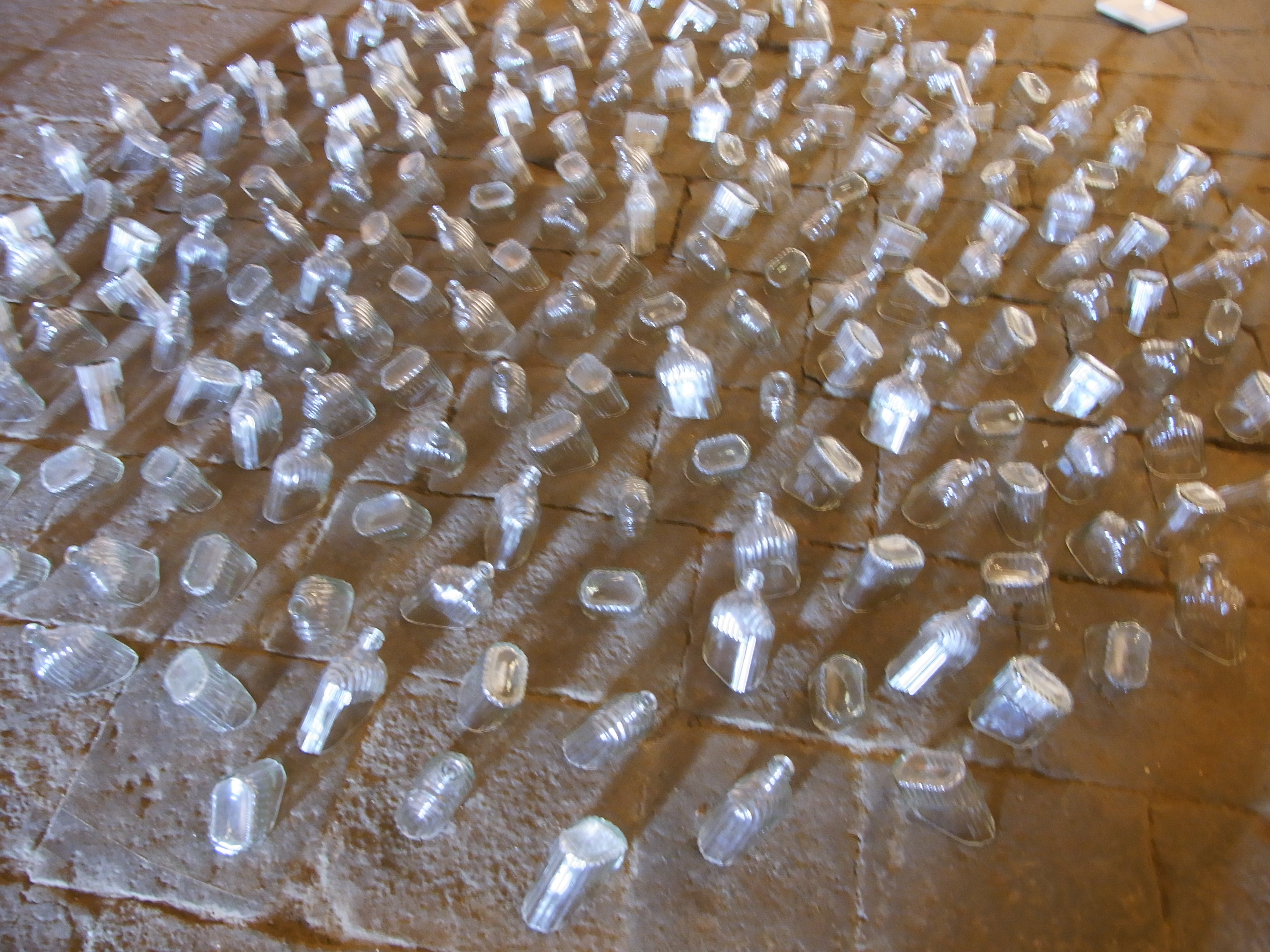


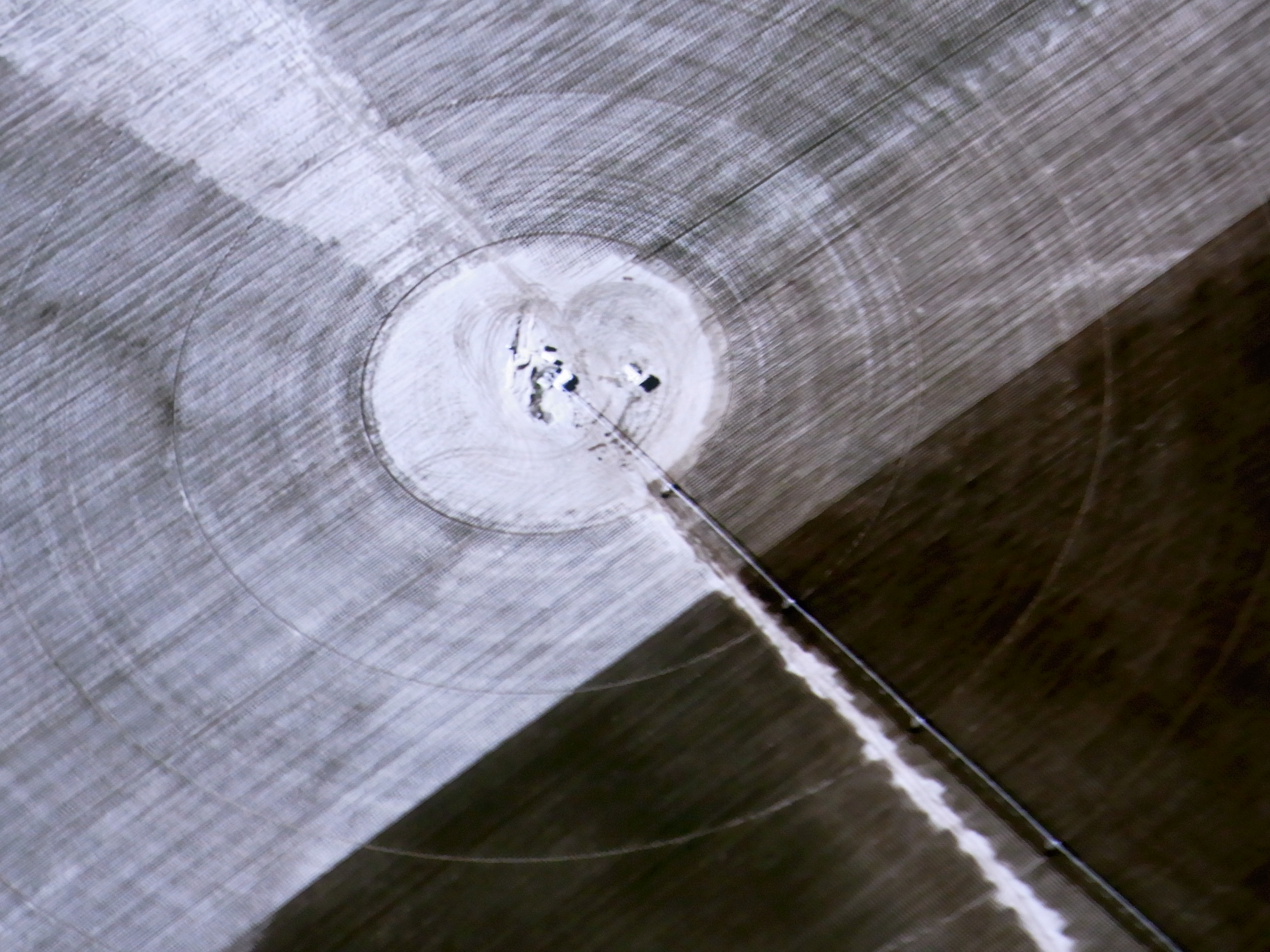
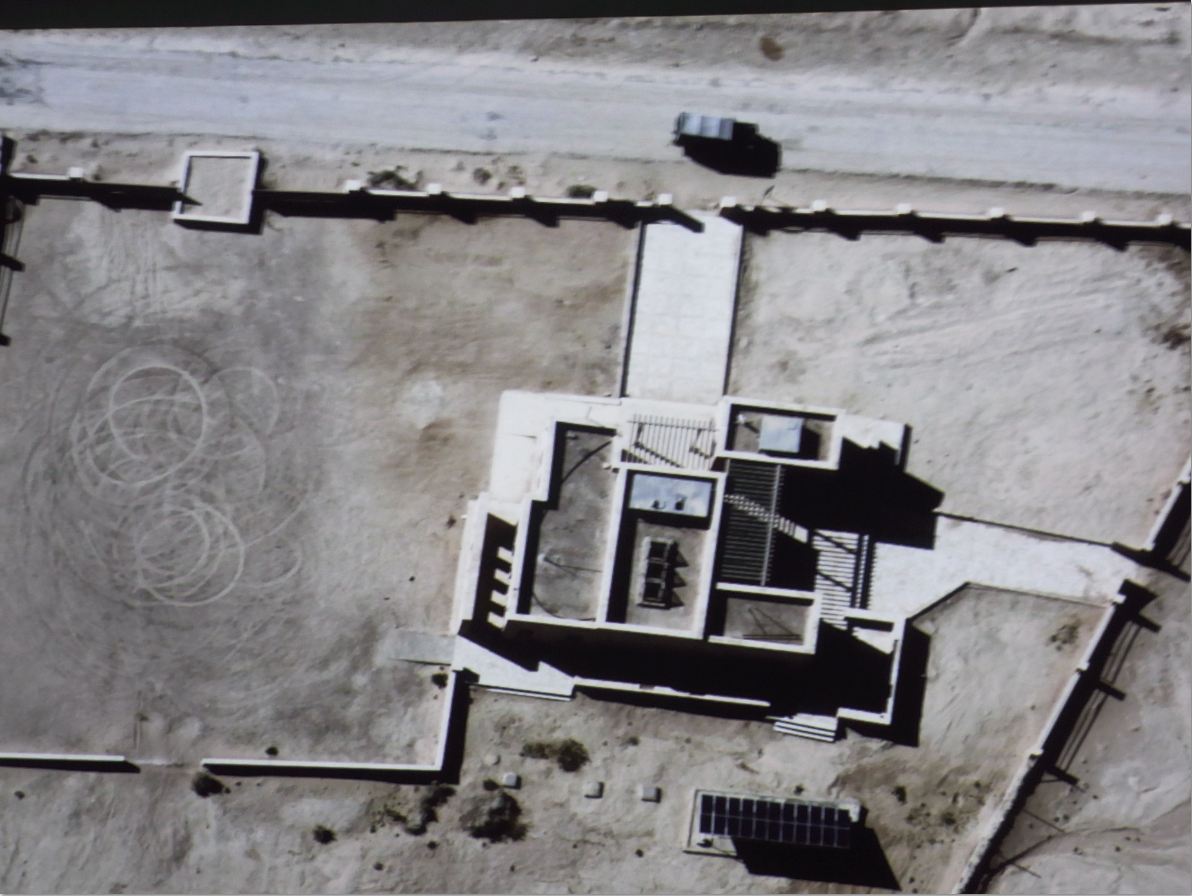
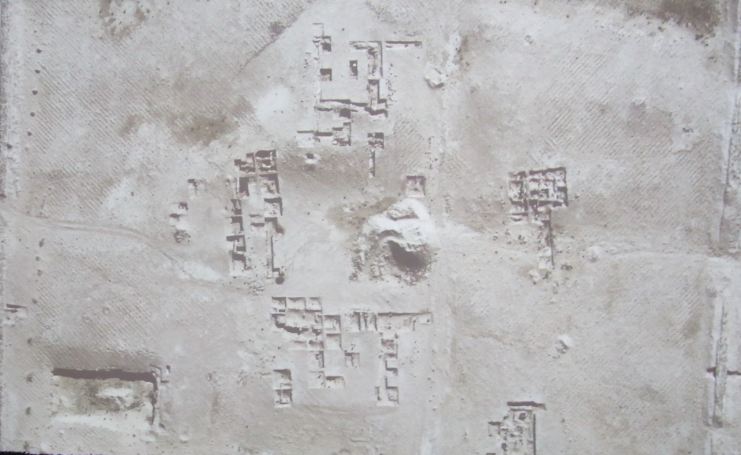

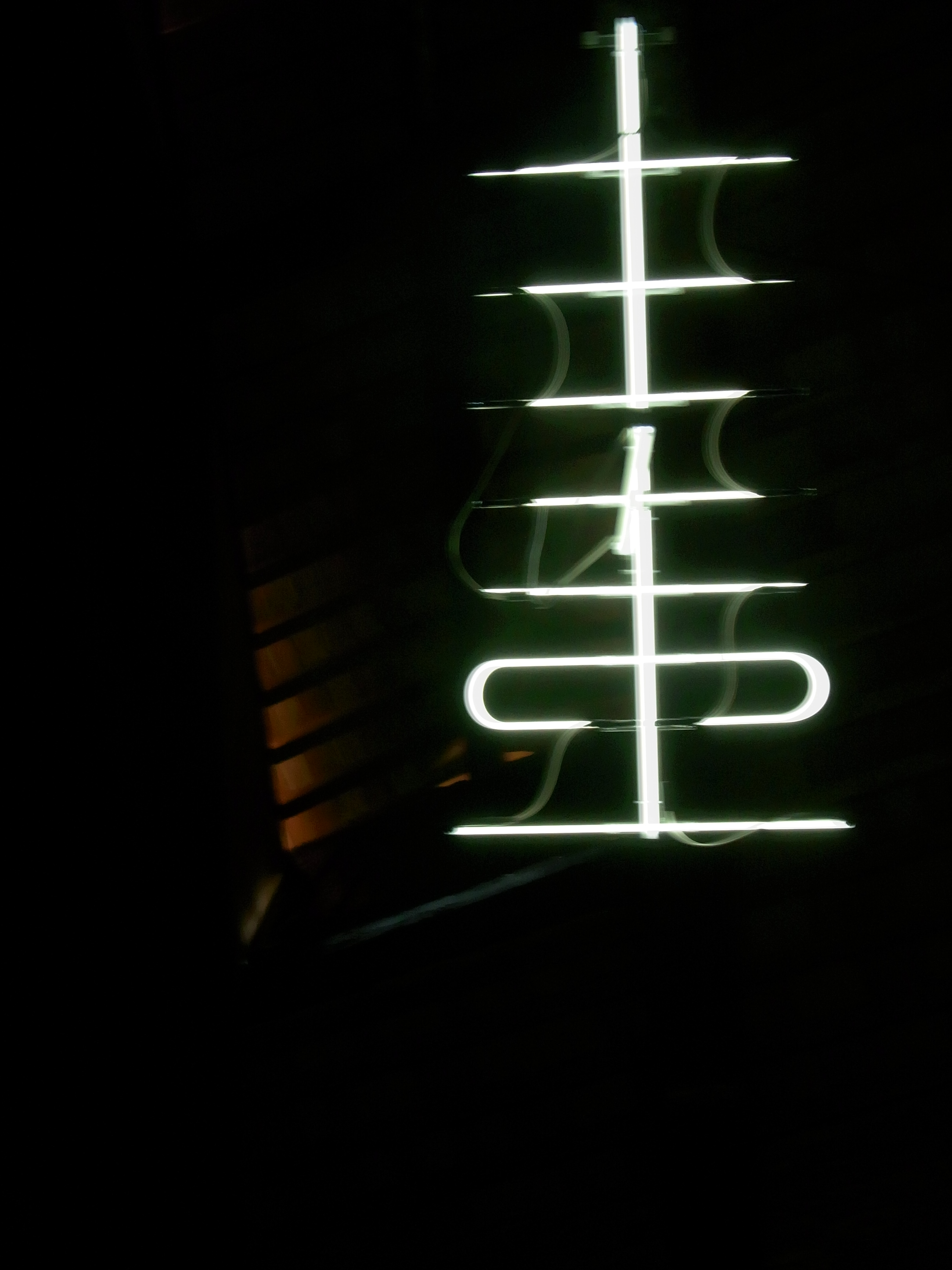
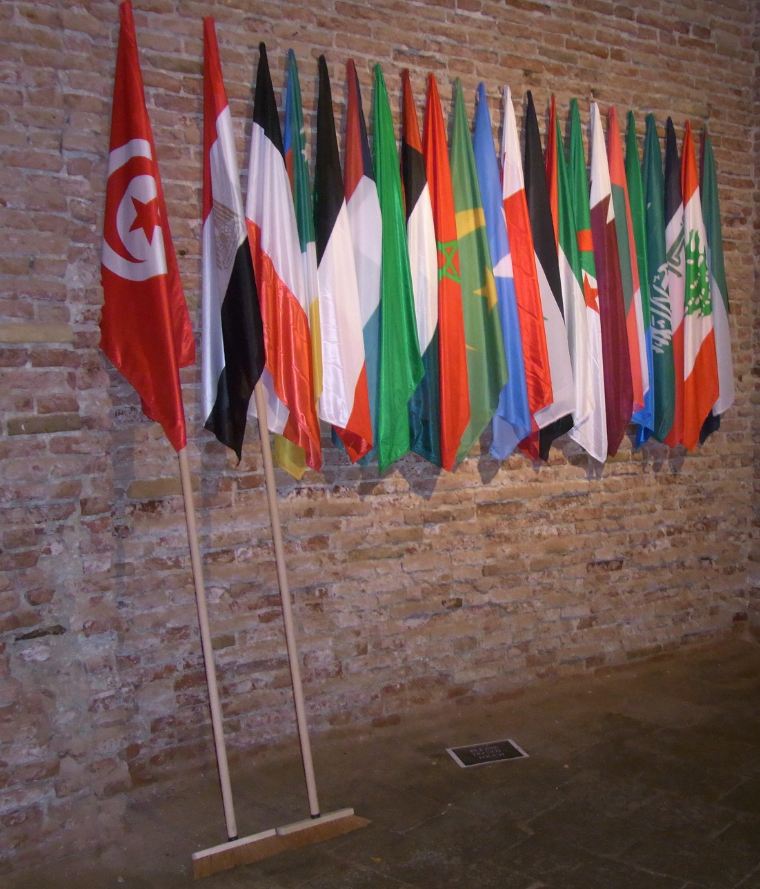


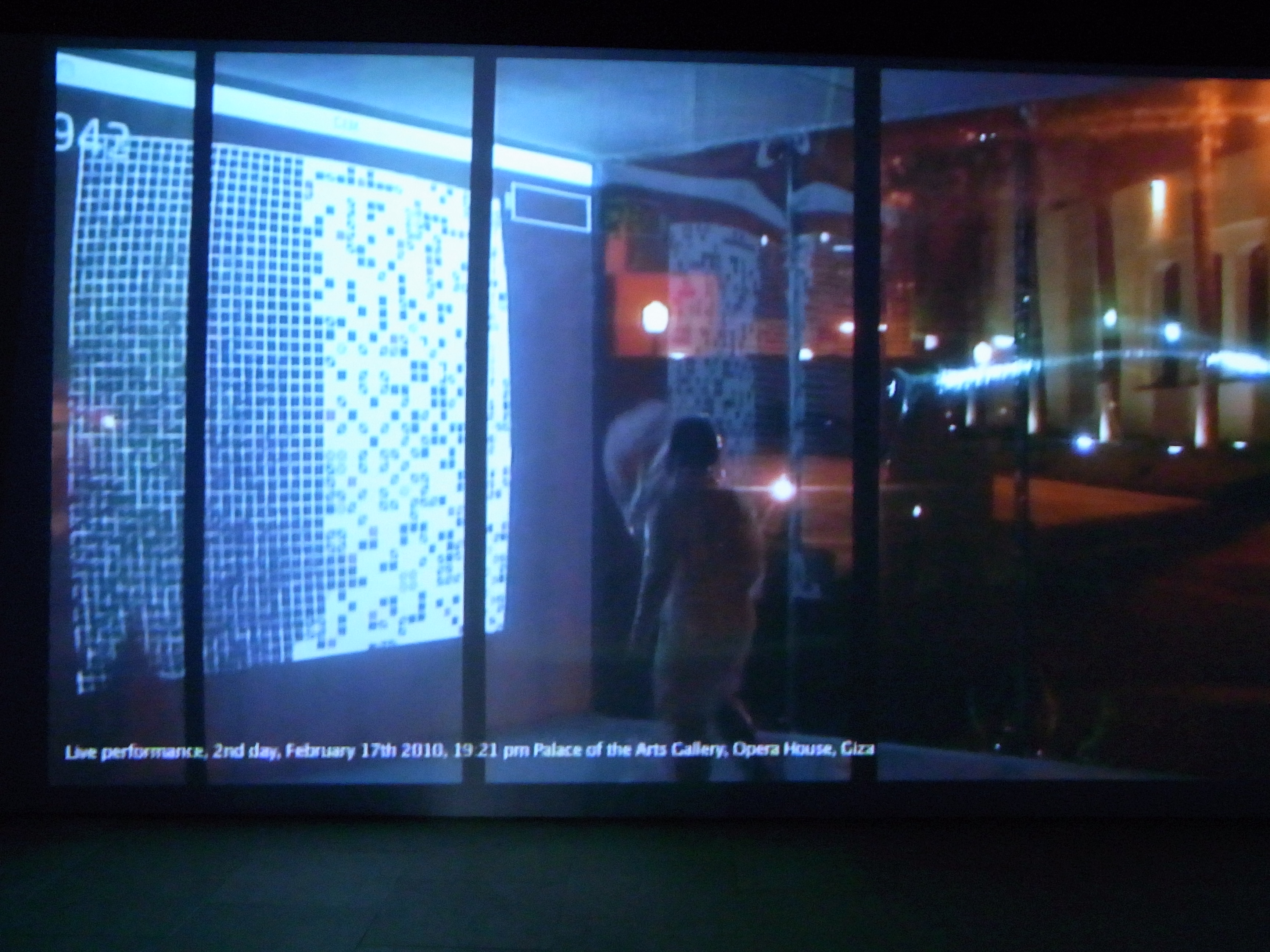
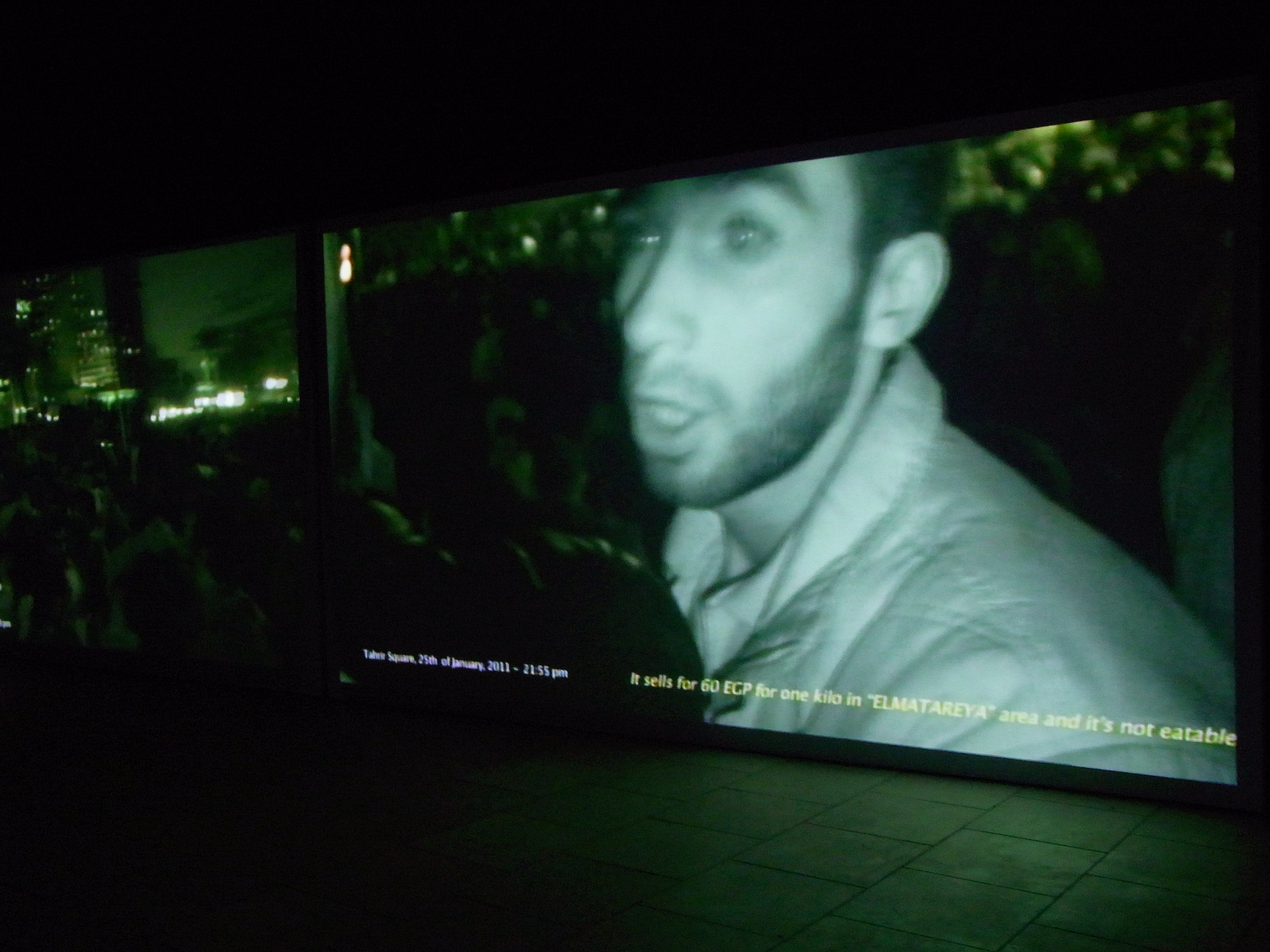


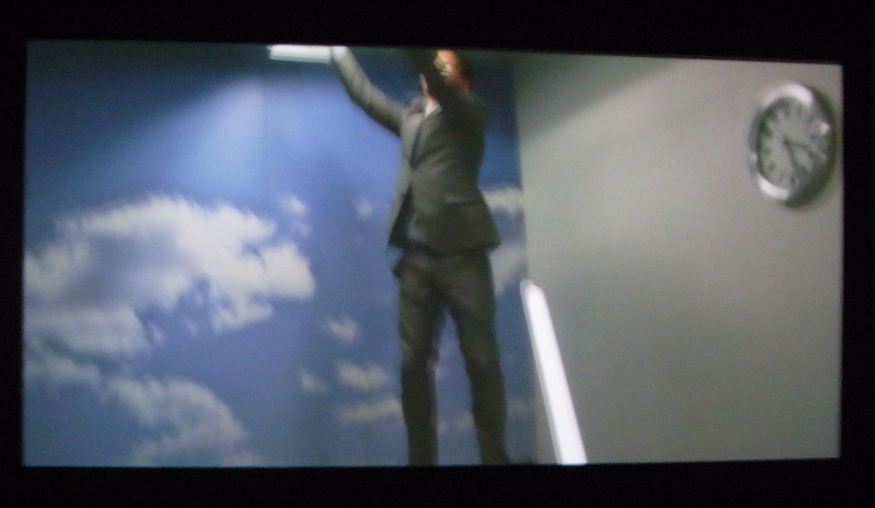



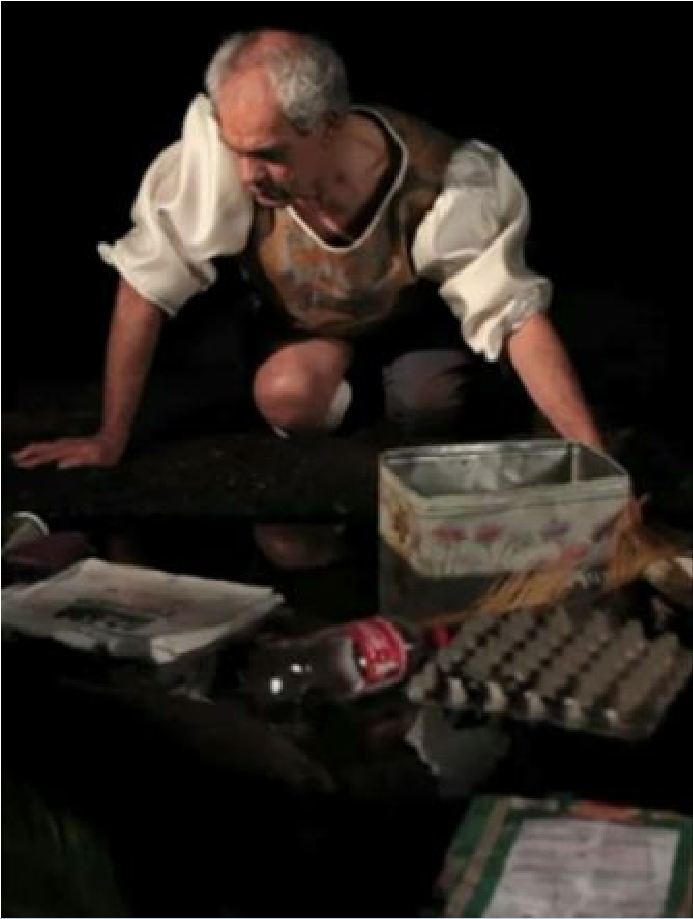


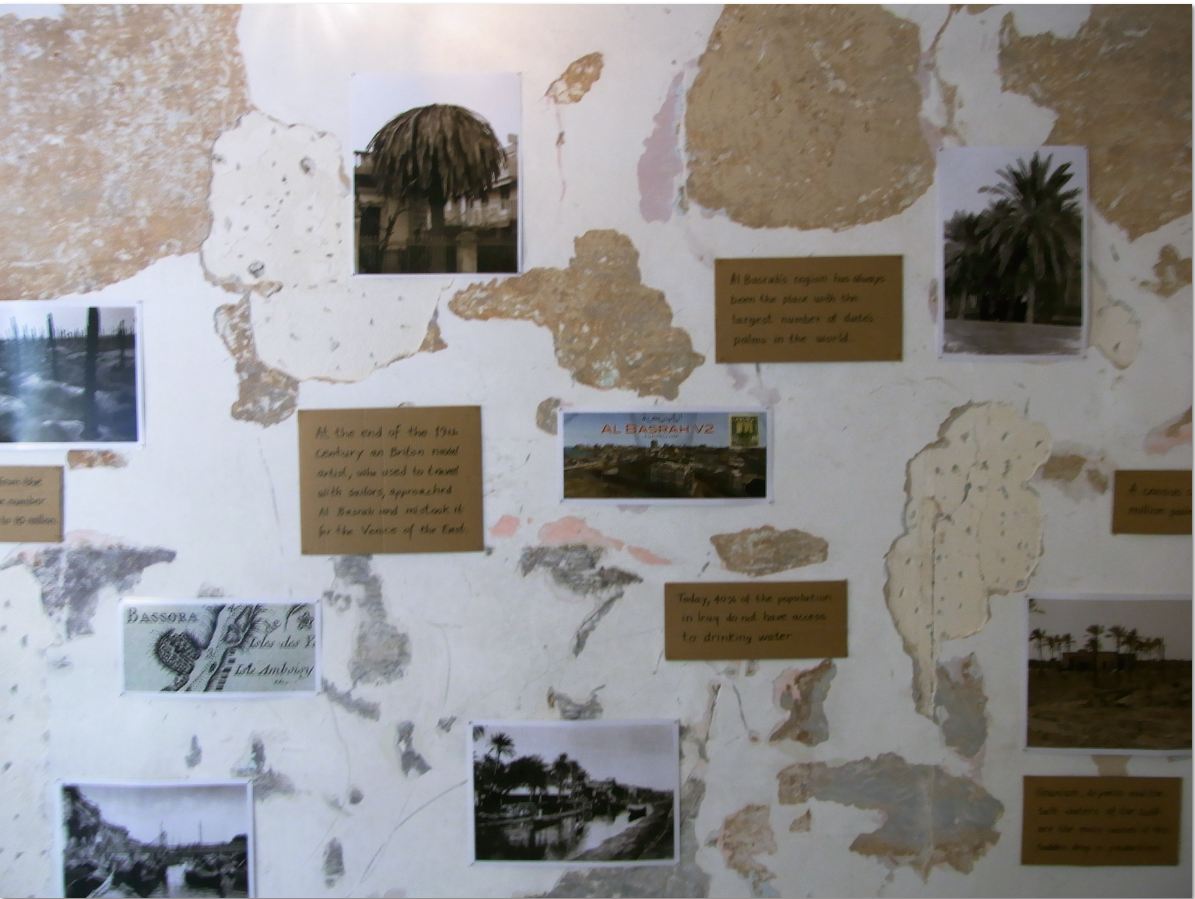


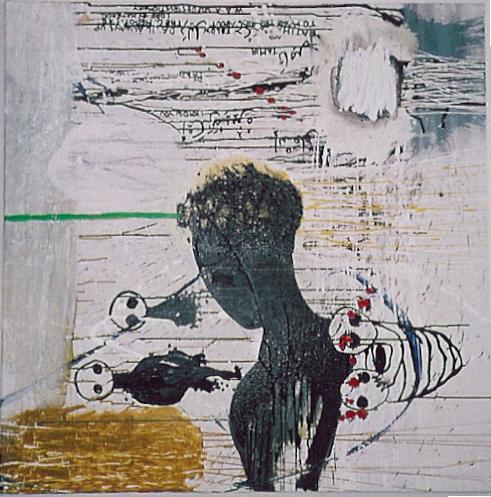

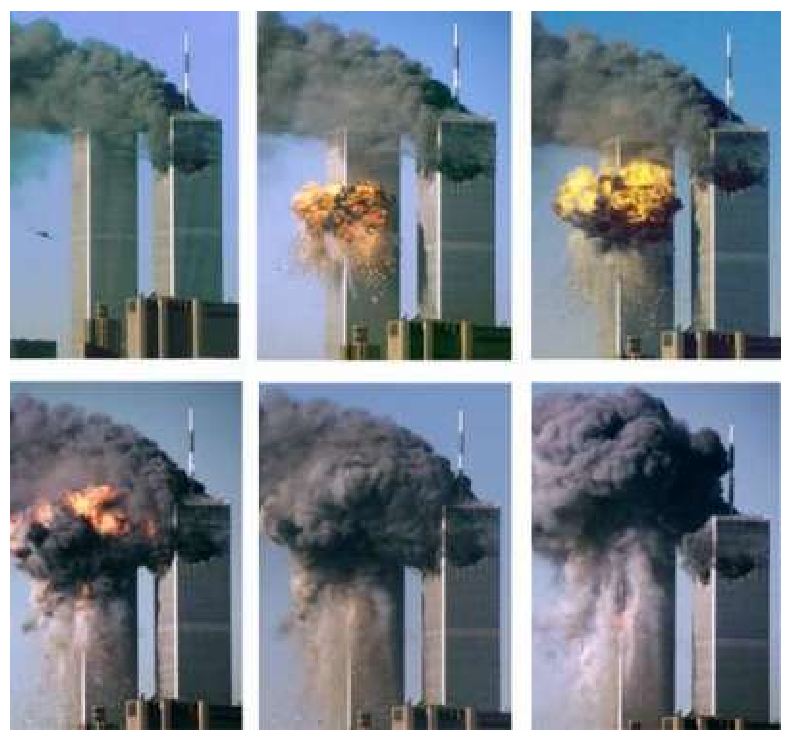


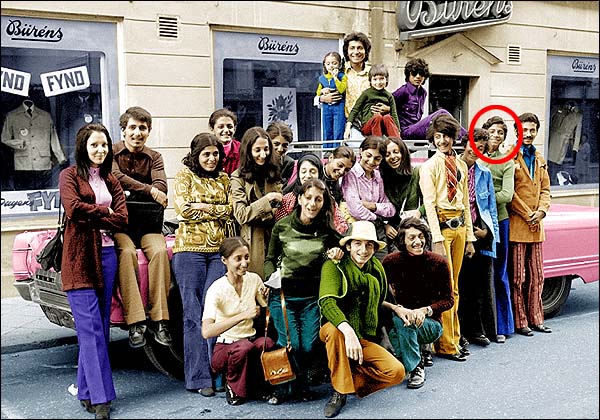

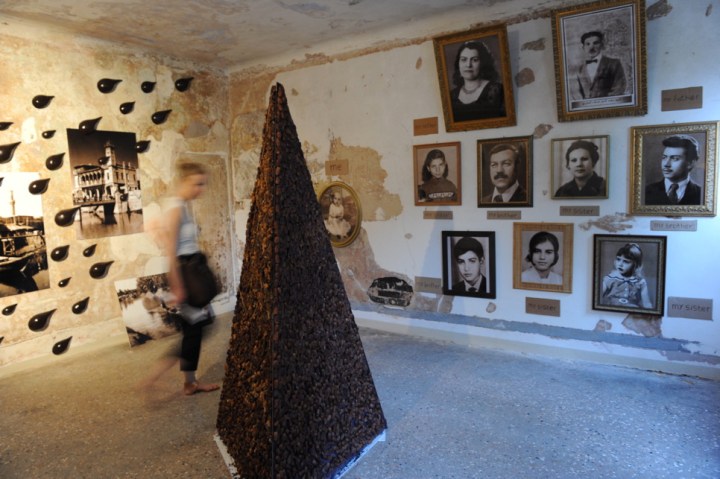


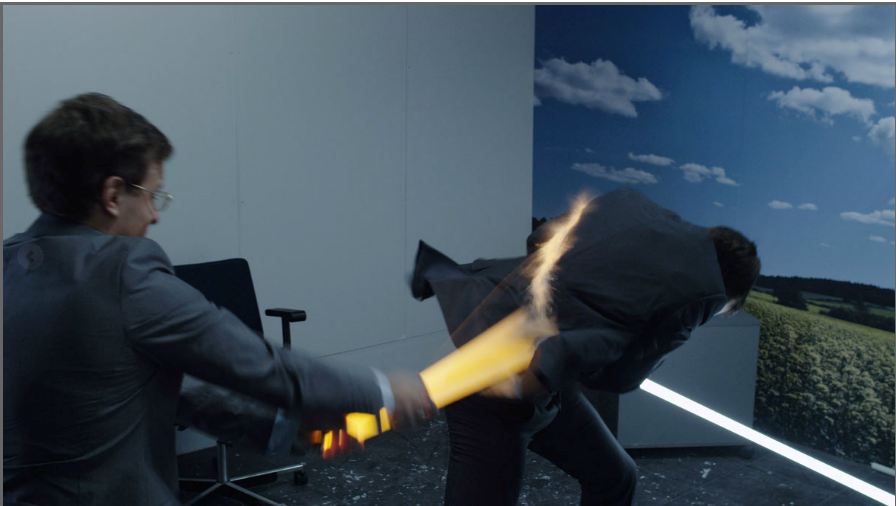

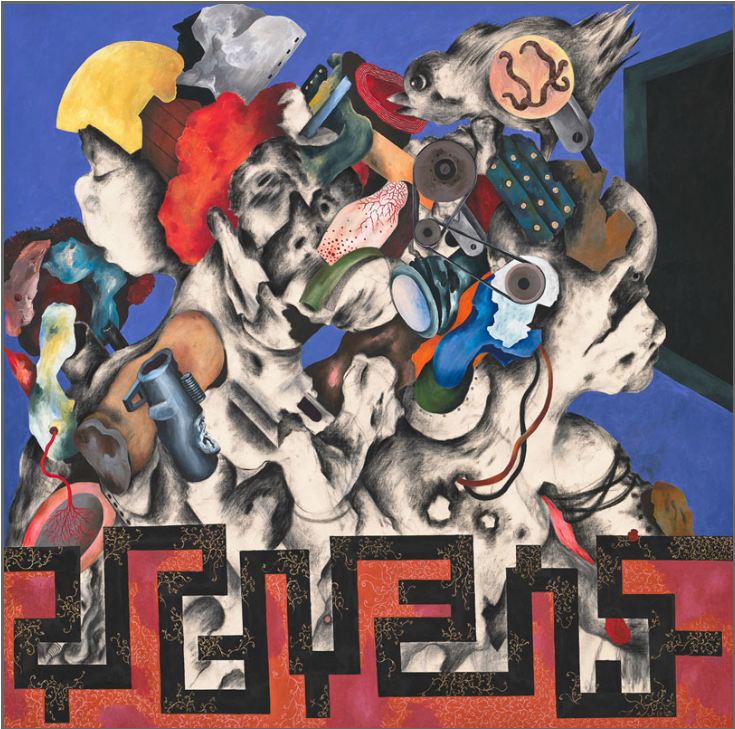

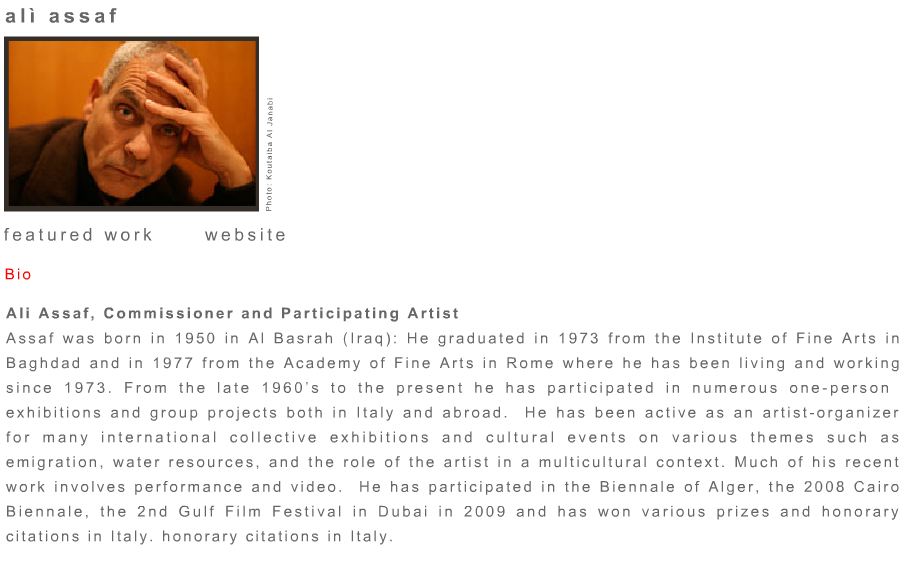


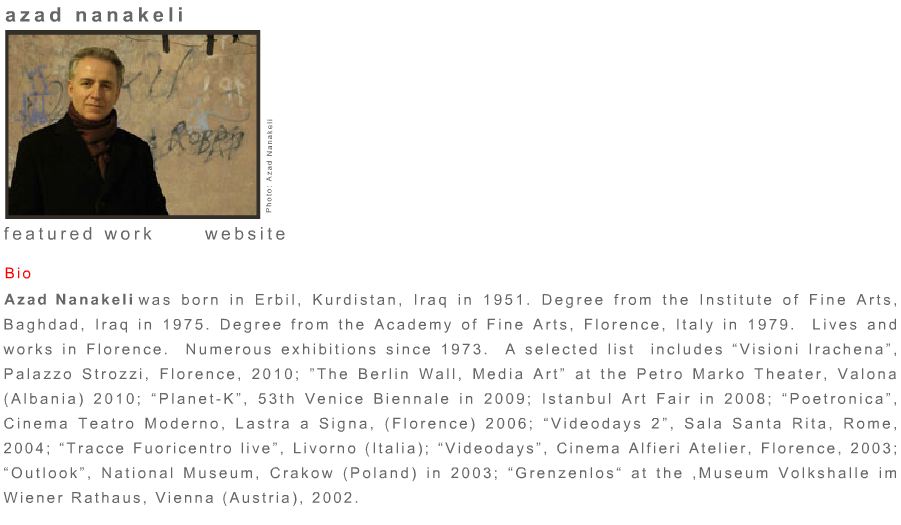
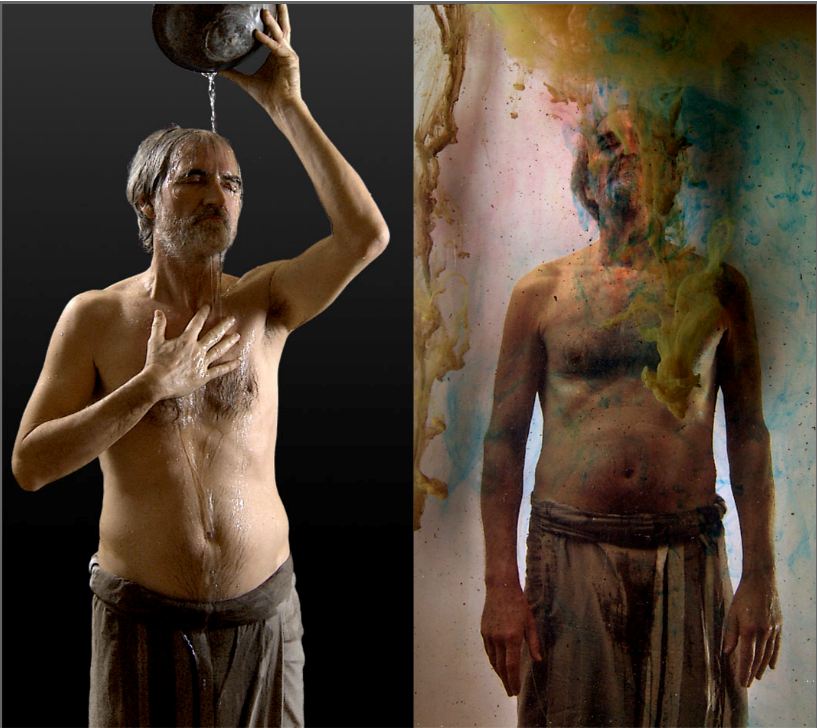
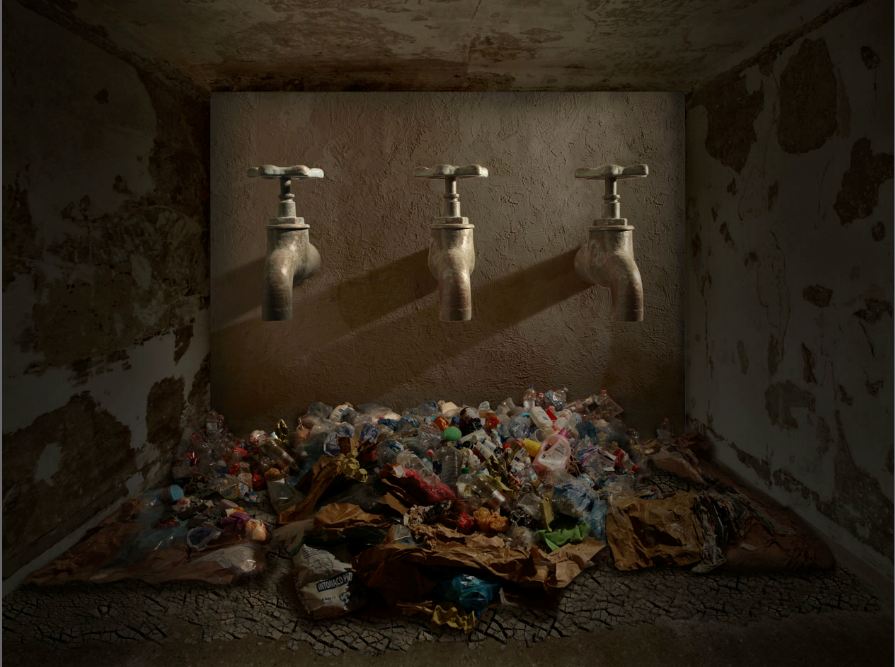

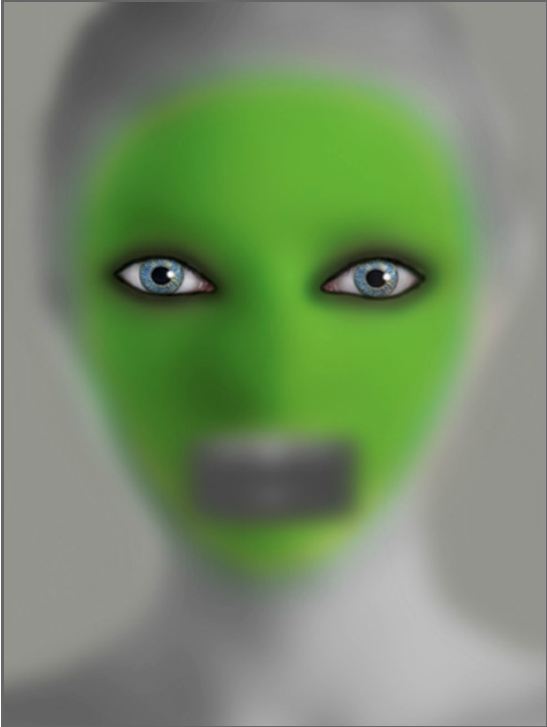


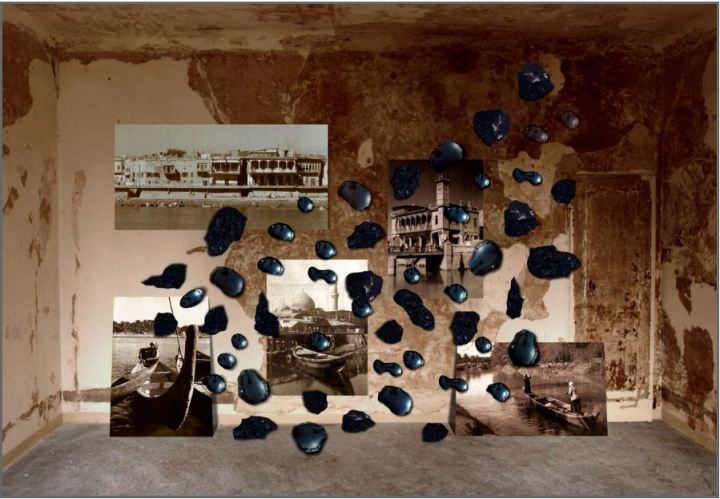


![[mag411_schroth1]](https://i0.wp.com/si.wsj.net/public/resources/images/OB-NC276_mag411_G_20110317181346.jpg) Courtesy of Robert Goff GalleryAHMED ALSOUDANI | The Baghdad-born, New York-based painter (‘Untitled,’ 2007, pictured here) will be among six artists showing work at the Venice Biennale’s Iraq pavilion opening in June.
Courtesy of Robert Goff GalleryAHMED ALSOUDANI | The Baghdad-born, New York-based painter (‘Untitled,’ 2007, pictured here) will be among six artists showing work at the Venice Biennale’s Iraq pavilion opening in June.![[mag411_schroth2]](https://i0.wp.com/si.wsj.net/public/resources/images/OB-NC278_mag411_DV_20110317181511.jpg) Photograph by Danilo ScarpatiCurator Mary Angela Schroth, photographed at mixed-media artist Ali Assaf’s studio in Rome.
Photograph by Danilo ScarpatiCurator Mary Angela Schroth, photographed at mixed-media artist Ali Assaf’s studio in Rome.![[mag411_schroth3]](https://i0.wp.com/si.wsj.net/public/resources/images/OB-NC279_mag411_D_20110317181604.jpg) Courtesy of Azad NanakeliAZAD NANAKELI | Stills from the Florence-based artist’s video installation ‘Destnuej’ (2011)
Courtesy of Azad NanakeliAZAD NANAKELI | Stills from the Florence-based artist’s video installation ‘Destnuej’ (2011)![[mag411_schroth4]](https://i0.wp.com/si.wsj.net/public/resources/images/OB-NC280_mag411_DV_20110317181718.jpg) Courtesy of Walid SitiWALID SITI | ‘Family Ties’ (April 2009), an installation in Dubai by the London-based artist
Courtesy of Walid SitiWALID SITI | ‘Family Ties’ (April 2009), an installation in Dubai by the London-based artist![[0411Karim]](https://i0.wp.com/si.wsj.net/public/resources/images/OB-NE170_0411Ka_F_20110322172410.jpg) Courtesy of Halim al-KarimHALIM AL-KARIM | ‘Hidden War’ (1985), a triptych by the U.S.-based photographer.
Courtesy of Halim al-KarimHALIM AL-KARIM | ‘Hidden War’ (1985), a triptych by the U.S.-based photographer.![[mag411_schroth6]](https://i0.wp.com/si.wsj.net/public/resources/images/OB-NC283_mag411_D_20110317182209.jpg) Courtesy of Adel AbidinADEL ABIDIN | Still from ‘Three Love Songs’ (2010-11), a video installation at Mathaf, the Arab Museum of Modern Art in Qatar.
Courtesy of Adel AbidinADEL ABIDIN | Still from ‘Three Love Songs’ (2010-11), a video installation at Mathaf, the Arab Museum of Modern Art in Qatar.![[mag411_schroth7]](https://i0.wp.com/si.wsj.net/public/resources/images/OB-NC284_mag411_D_20110317182429.jpg) Courtesy of Ali AssafALI ASSAF | ‘Waters!’ (2009), an installation at Sette Sale in Rome.
Courtesy of Ali AssafALI ASSAF | ‘Waters!’ (2009), an installation at Sette Sale in Rome.


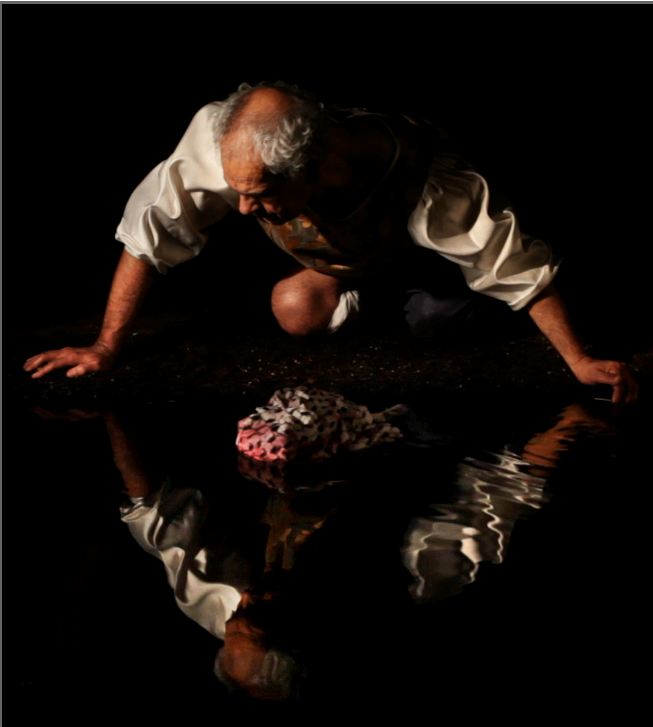


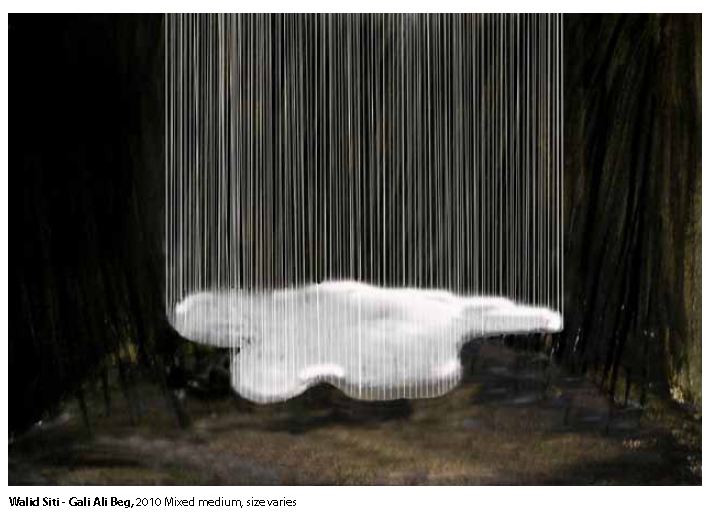


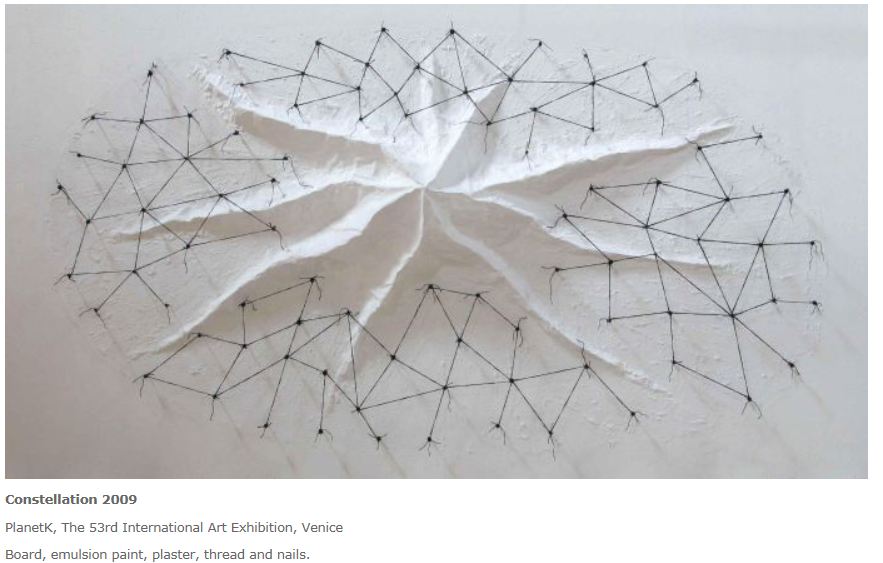


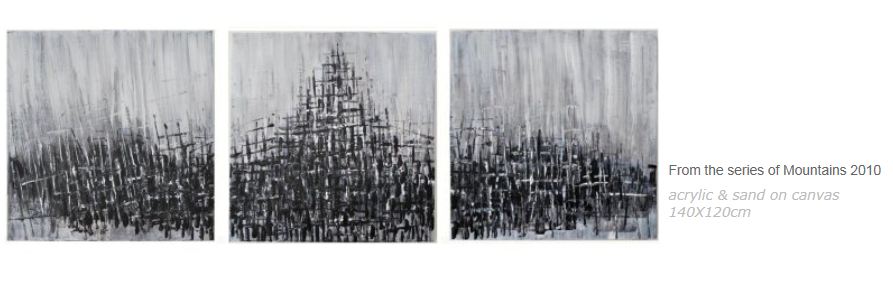

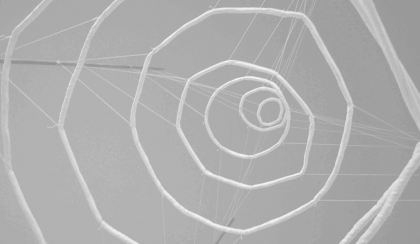
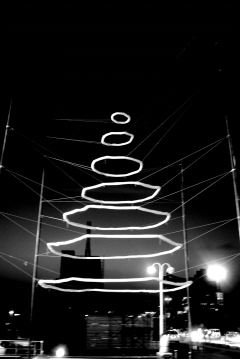




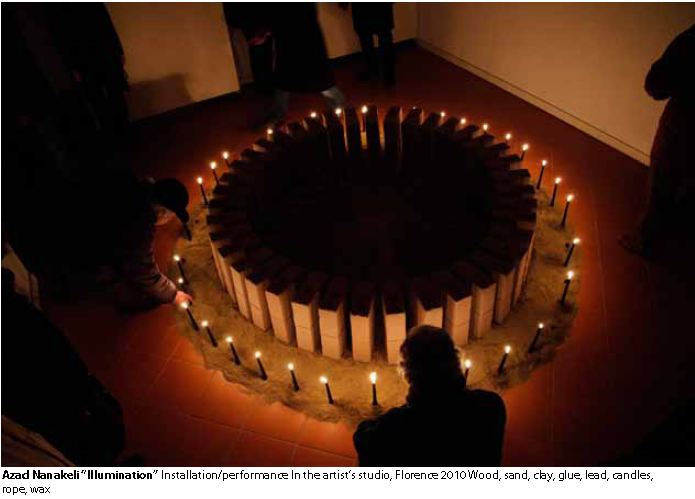
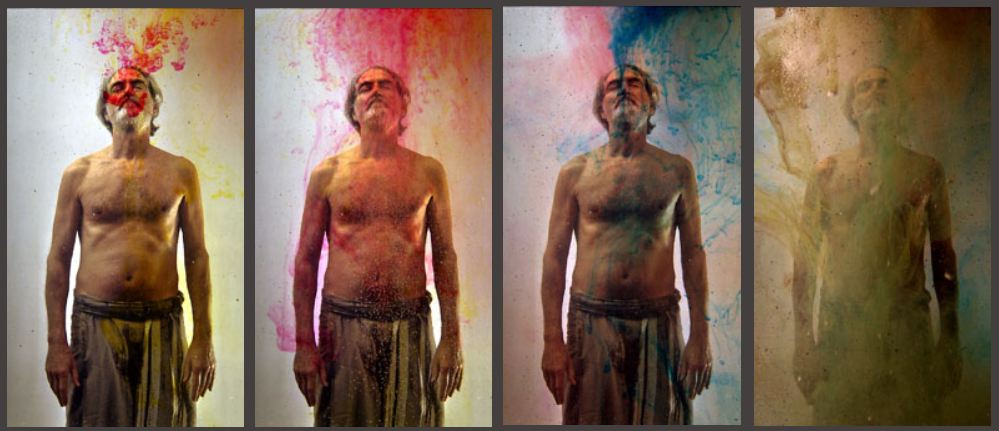

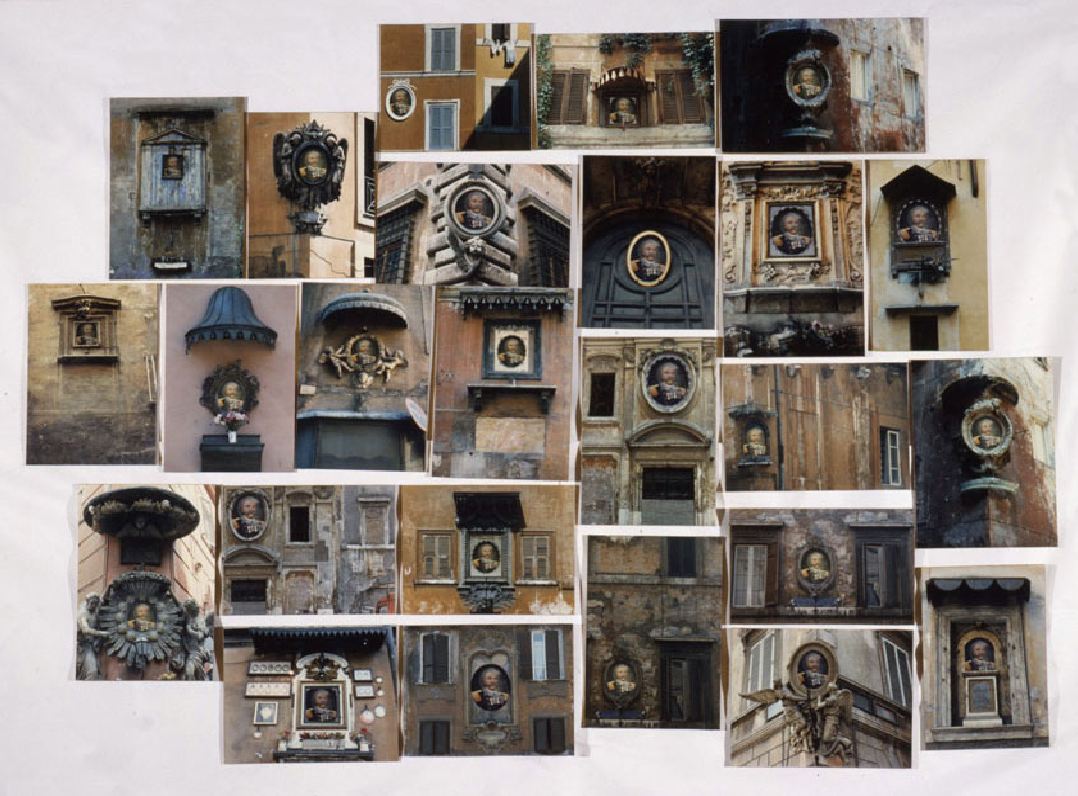

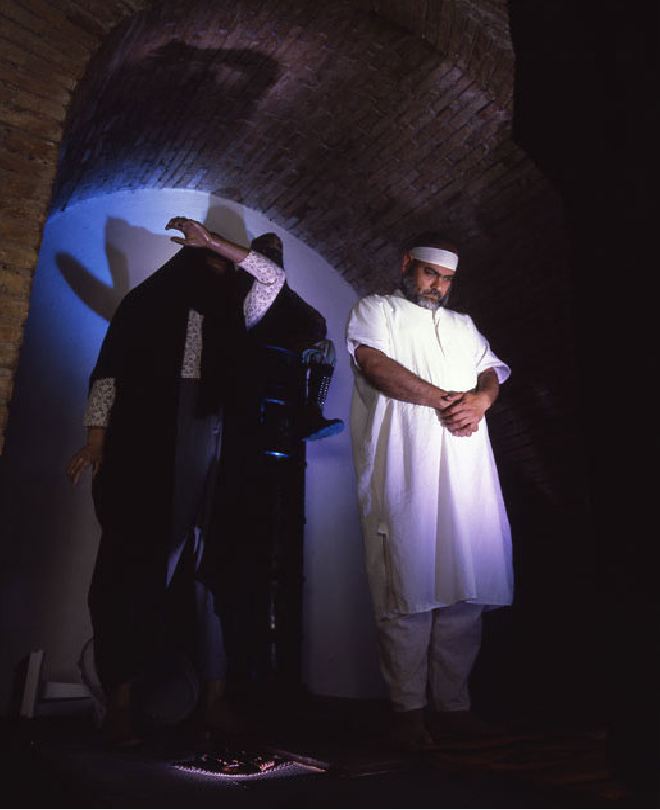





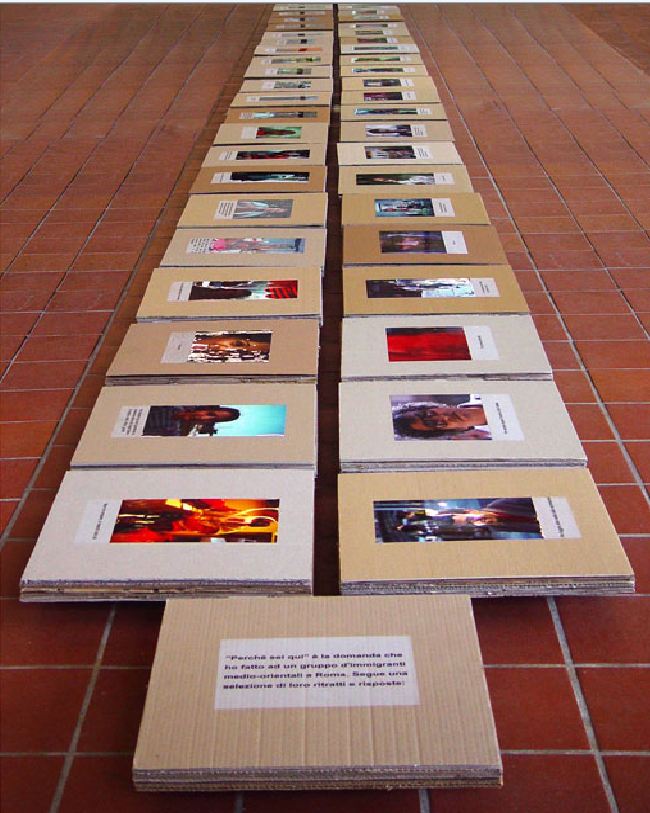


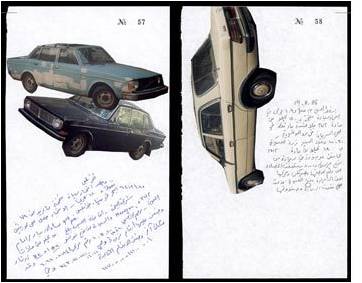
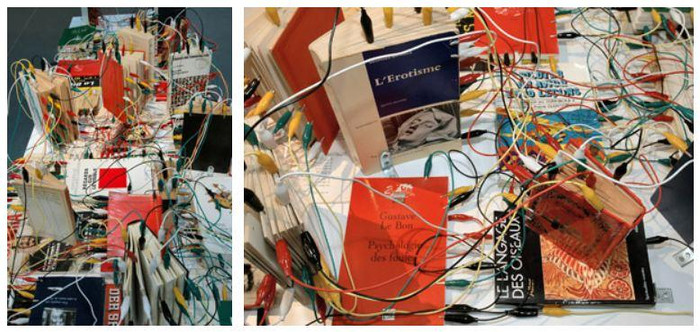


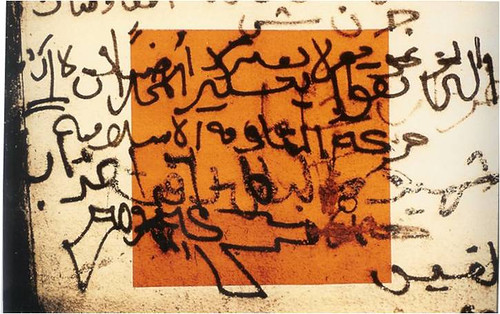


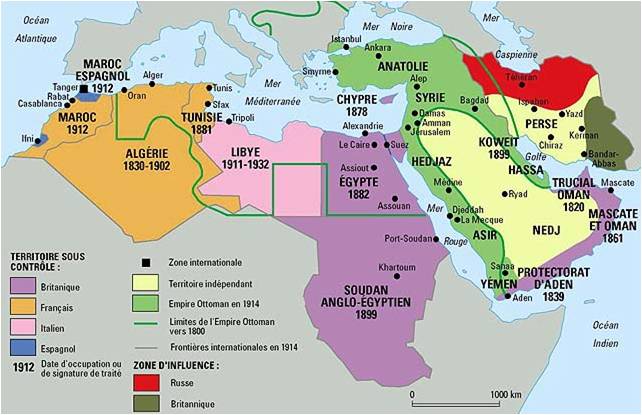


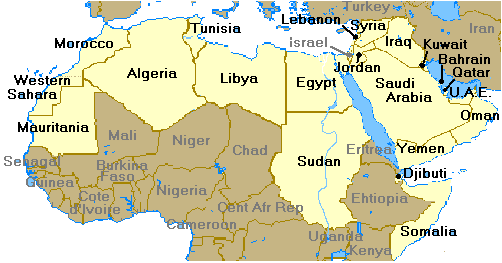
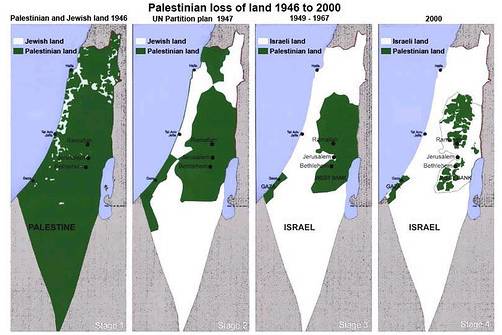

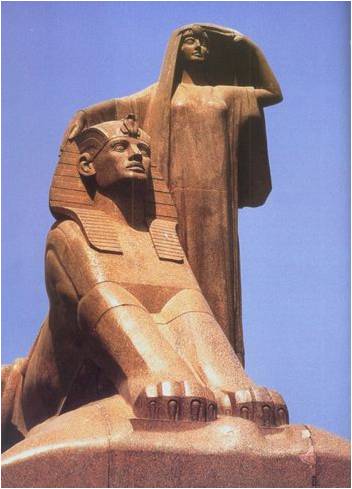

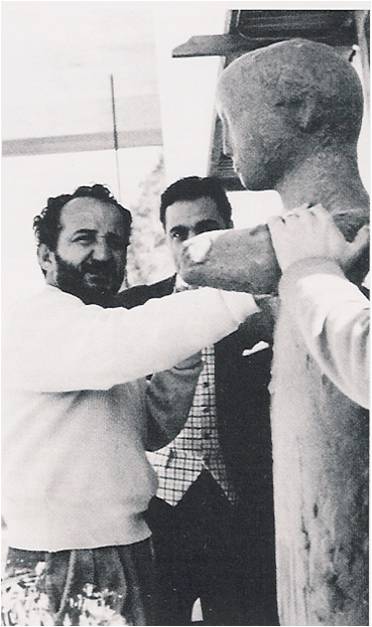

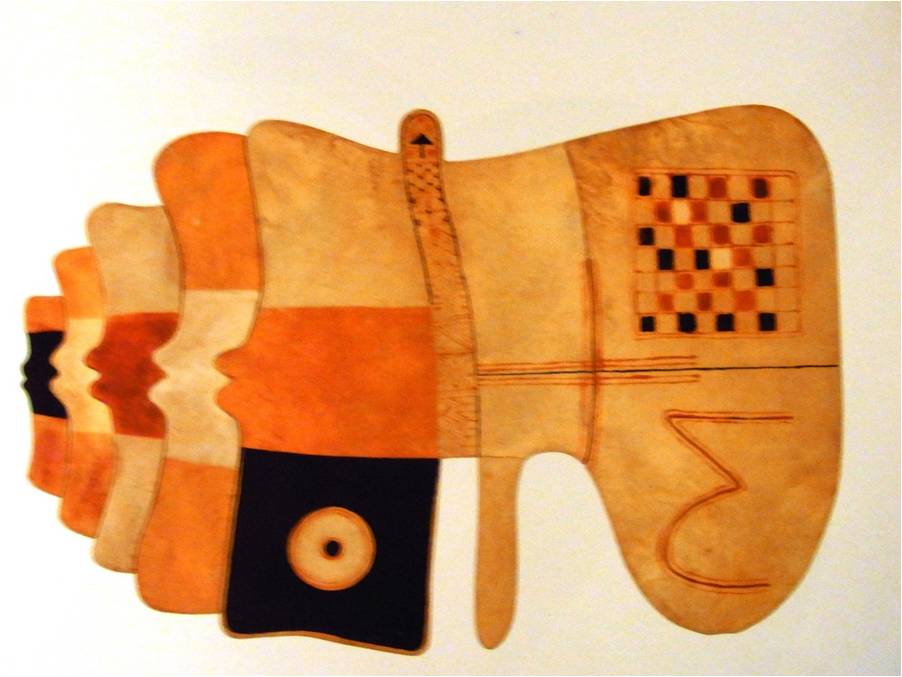

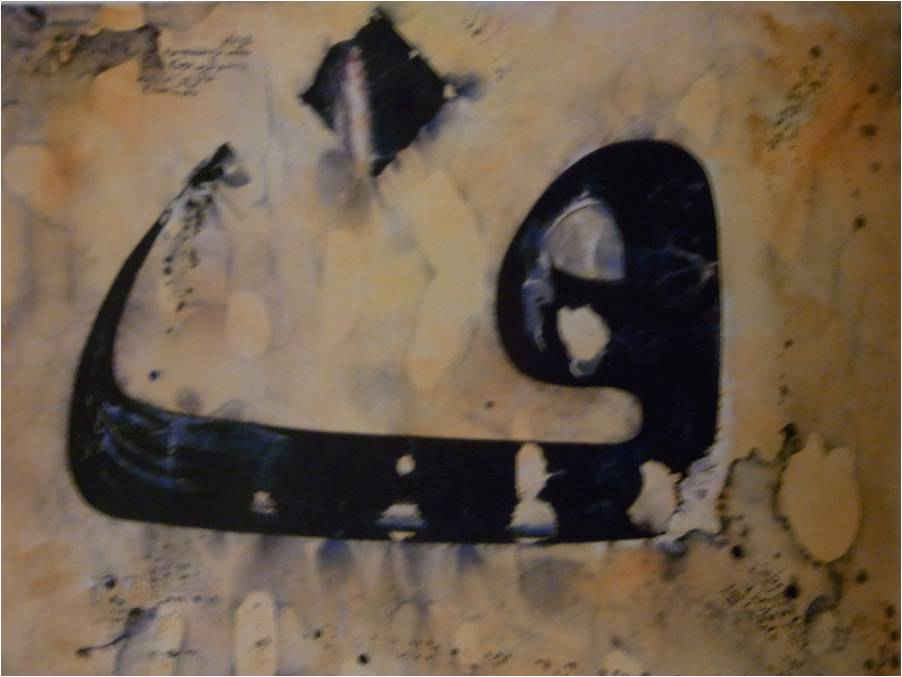




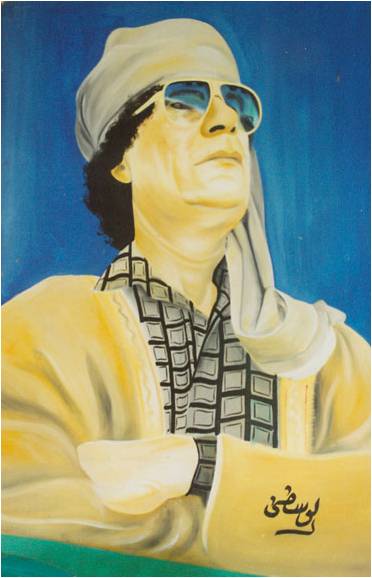
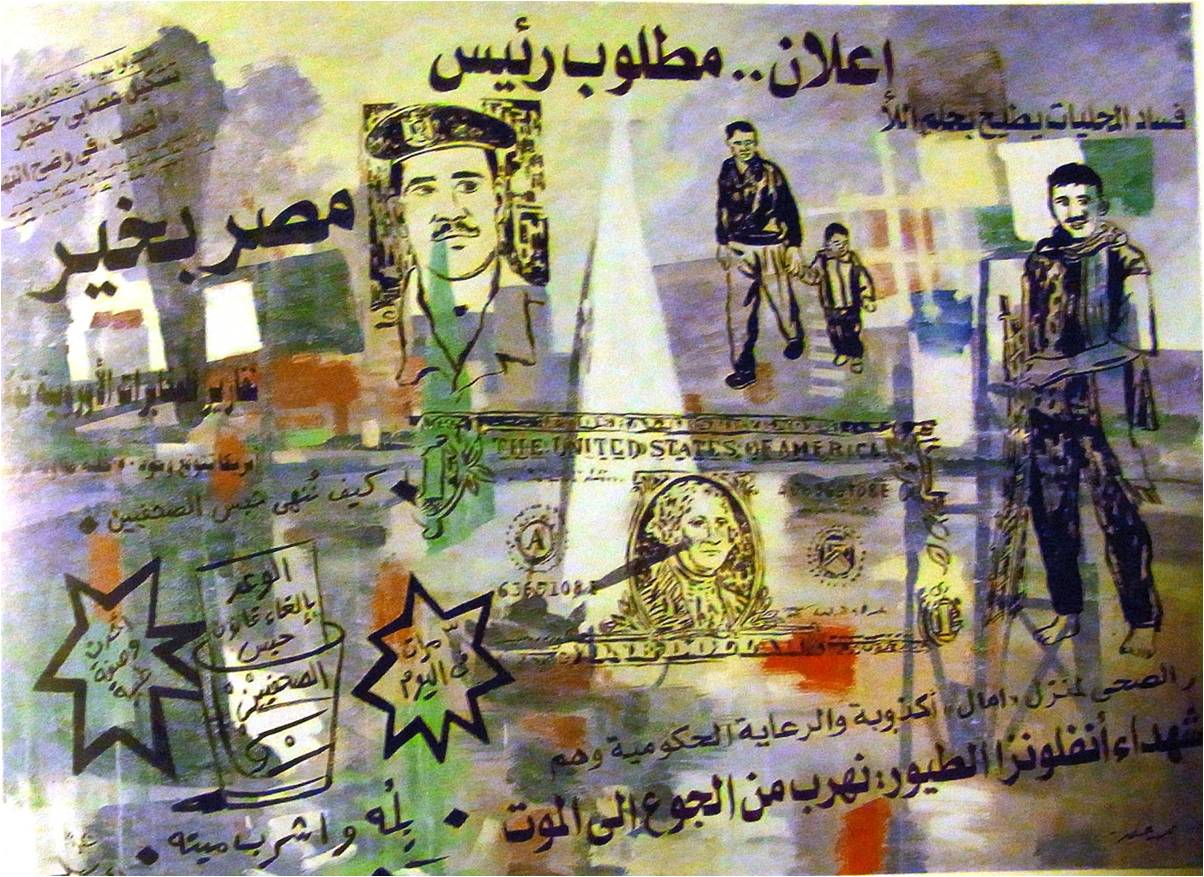


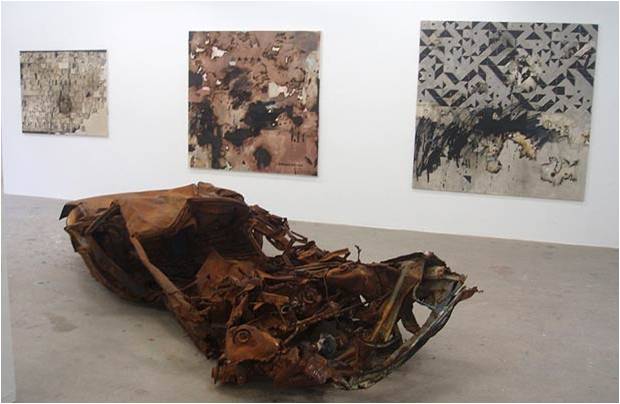

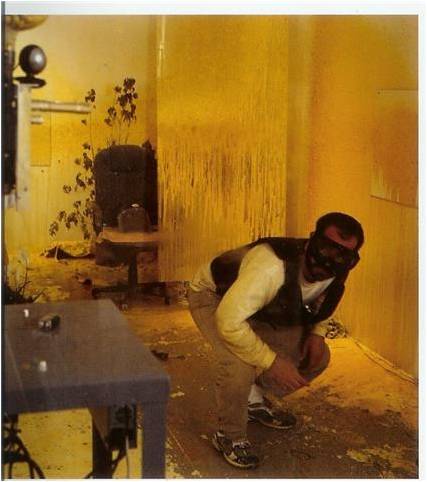

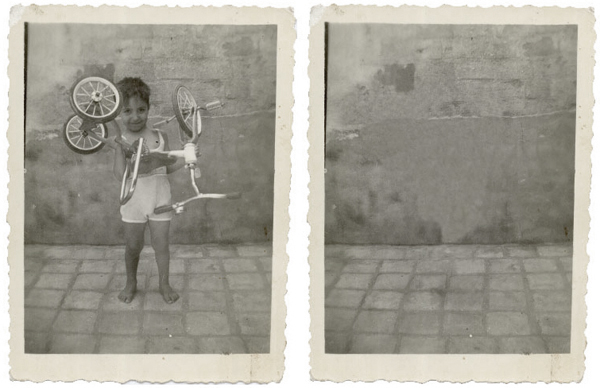


![222012_218632921487529_100000224696132_1002776_6152992_n[1]](https://fhs1973.com/wp-content/uploads/2011/05/222012_218632921487529_100000224696132_1002776_6152992_n1.jpg)
![250411_227750580575763_100000224696132_1090743_1100372_n[1]](https://fhs1973.com/wp-content/uploads/2011/05/250411_227750580575763_100000224696132_1090743_1100372_n1.jpg)
![227124_227756883908466_100000224696132_1090811_4616731_n[1]](https://fhs1973.com/wp-content/uploads/2011/05/227124_227756883908466_100000224696132_1090811_4616731_n1.jpg)
![249818_227760090574812_100000224696132_1090826_234673_n[1]](https://fhs1973.com/wp-content/uploads/2011/05/249818_227760090574812_100000224696132_1090826_234673_n1.jpg)
![226447_227759537241534_100000224696132_1090824_2881093_n[1]](https://fhs1973.com/wp-content/uploads/2011/05/226447_227759537241534_100000224696132_1090824_2881093_n1.jpg)
![250668_227968957220592_100000224696132_1093175_6583121_n[1]](https://fhs1973.com/wp-content/uploads/2011/05/250668_227968957220592_100000224696132_1093175_6583121_n1.jpg)
![230902_227751083909046_100000224696132_1090753_6697931_n[1]](https://fhs1973.com/wp-content/uploads/2011/05/230902_227751083909046_100000224696132_1090753_6697931_n1.jpg)
![230452_227758637241624_100000224696132_1090820_7067089_n[1]](https://fhs1973.com/wp-content/uploads/2011/05/230452_227758637241624_100000224696132_1090820_7067089_n1.jpg)
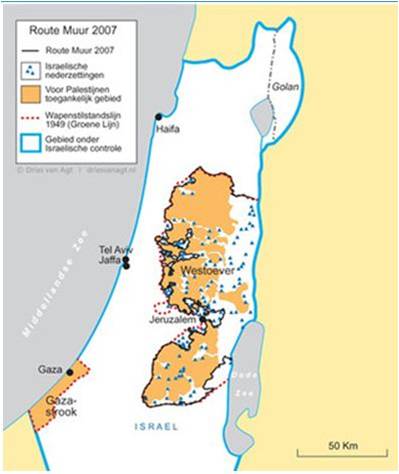

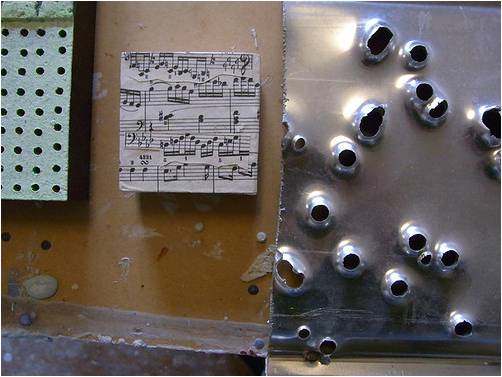
![225904_226418040709017_100000224696132_1077819_258475_n[1]](https://fhs1973.com/wp-content/uploads/2011/05/225904_226418040709017_100000224696132_1077819_258475_n1.jpg)
![230902_227751073909047_100000224696132_1090750_7532071_n[1]](https://fhs1973.com/wp-content/uploads/2011/05/230902_227751073909047_100000224696132_1090750_7532071_n1.jpg)
![225904_226418044042350_100000224696132_1077820_644736_n[1]](https://fhs1973.com/wp-content/uploads/2011/05/225904_226418044042350_100000224696132_1077820_644736_n11.jpg)
![225904_226418047375683_100000224696132_1077821_1237958_n[1]](https://fhs1973.com/wp-content/uploads/2011/05/225904_226418047375683_100000224696132_1077821_1237958_n1.jpg)
![225904_226418050709016_100000224696132_1077822_1757261_n[1]](https://fhs1973.com/wp-content/uploads/2011/05/225904_226418050709016_100000224696132_1077822_1757261_n11.jpg)
![230902_227751070575714_100000224696132_1090749_8321007_n[1]](https://fhs1973.com/wp-content/uploads/2011/05/230902_227751070575714_100000224696132_1090749_8321007_n1.jpg)
![250411_227750573909097_100000224696132_1090741_6294750_n[1]](https://fhs1973.com/wp-content/uploads/2011/05/250411_227750573909097_100000224696132_1090741_6294750_n1.jpg)
![225904_226418054042349_100000224696132_1077823_1846445_n[1]](https://fhs1973.com/wp-content/uploads/2011/05/225904_226418054042349_100000224696132_1077823_1846445_n1.jpg)
![230902_227751077242380_100000224696132_1090751_8193033_n[1]](https://fhs1973.com/wp-content/uploads/2011/05/230902_227751077242380_100000224696132_1090751_8193033_n1.jpg)
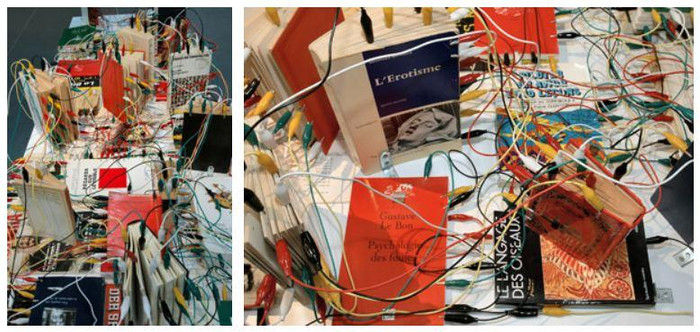
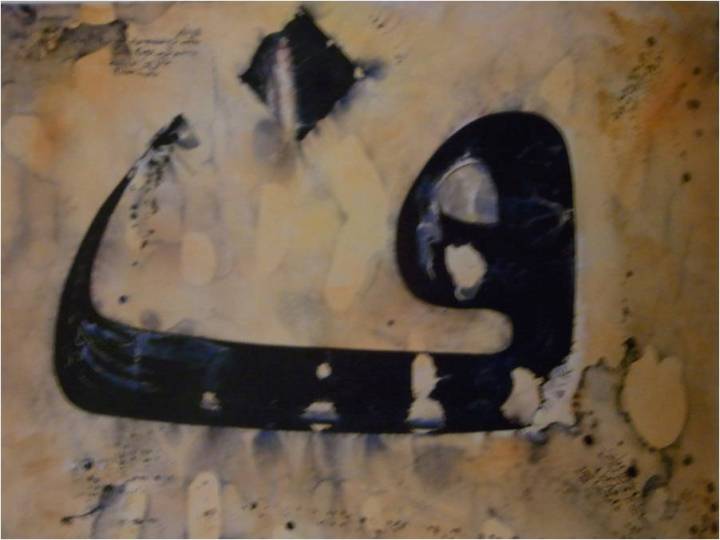
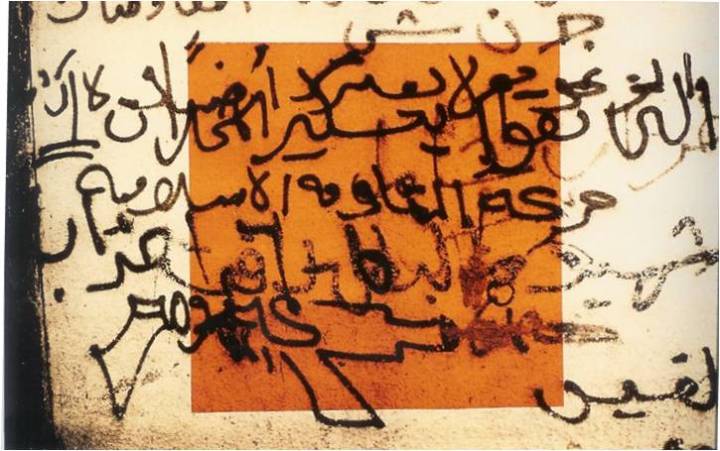
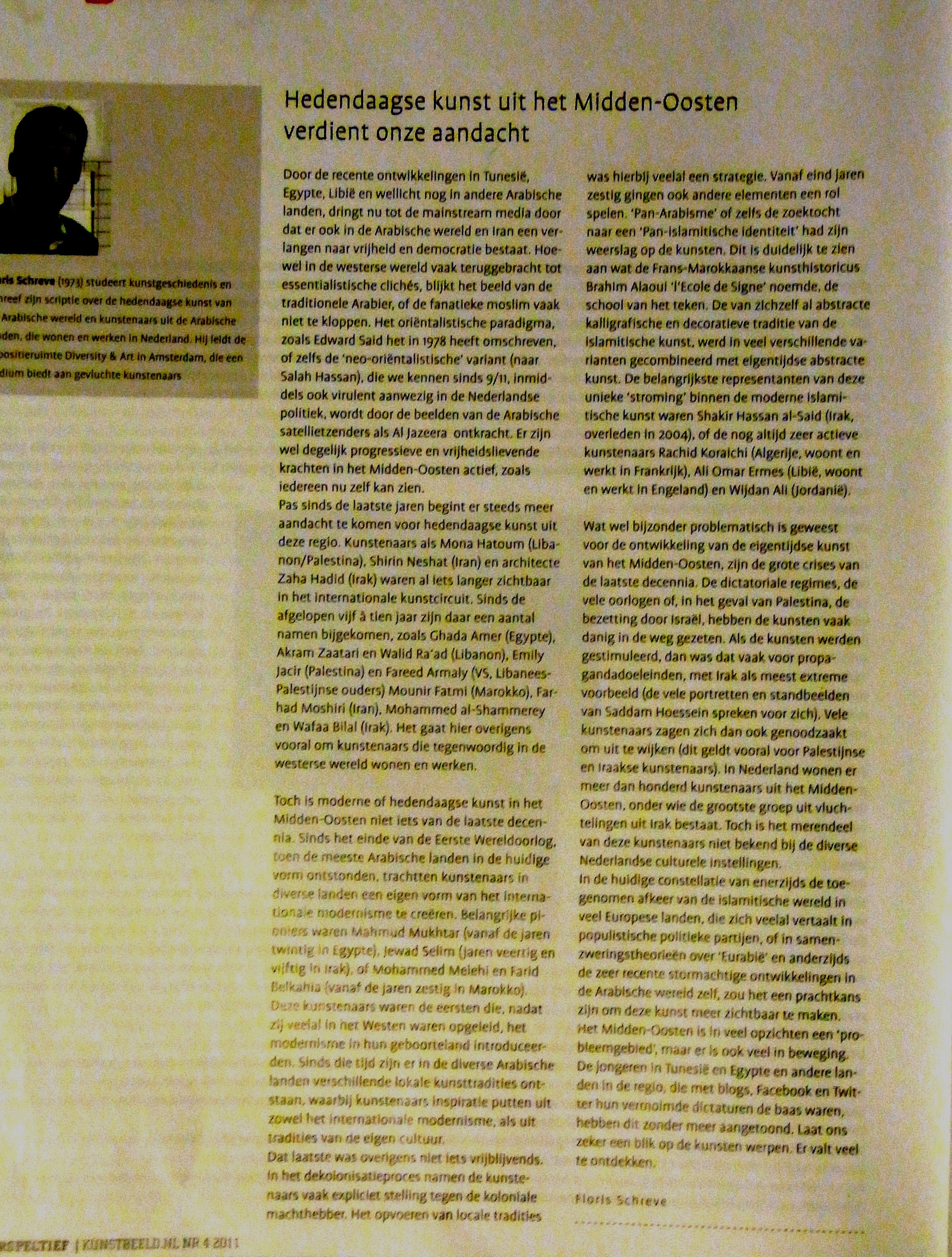






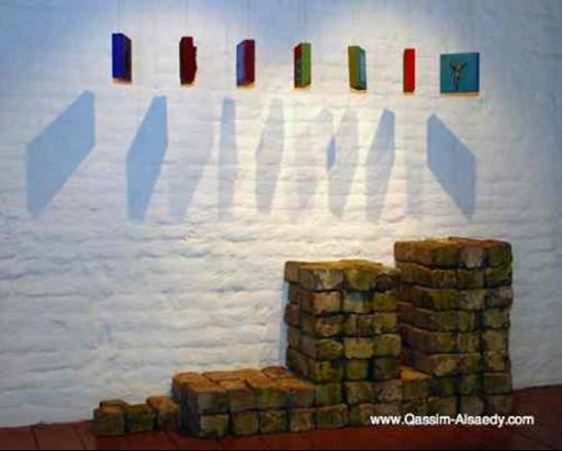

![1287803366_6_BDNC[1]](https://fhs1973.com/wp-content/uploads/2011/04/1287803366_6_bdnc1.jpg)
![1287993798_6_aF3h[1]](https://fhs1973.com/wp-content/uploads/2011/04/1287993798_6_af3h1.jpg)


![222012_218632921487529_100000224696132_1002776_6152992_n[1]](https://fhs1973.com/wp-content/uploads/2011/04/222012_218632921487529_100000224696132_1002776_6152992_n1.jpg)
![215539_218632528154235_100000224696132_1002774_6885765_n[1]](https://fhs1973.com/wp-content/uploads/2011/04/215539_218632528154235_100000224696132_1002774_6885765_n1.jpg)


 SOLO EXHIBITION


![1289654202_6_gRs0[1]](https://fhs1973.com/wp-content/uploads/2011/04/1289654202_6_grs01.jpg)


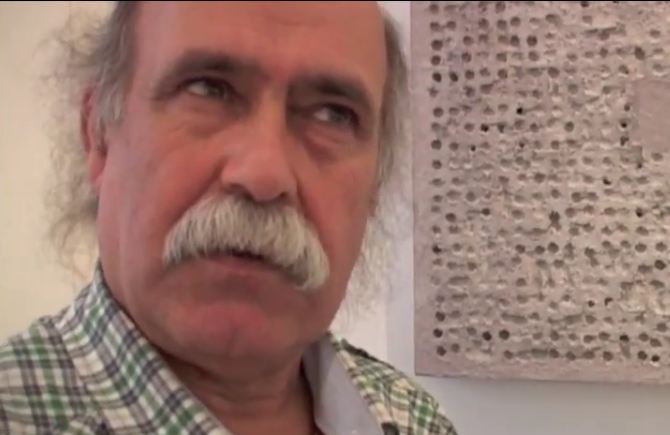


 Many would have noticed that western leaders and countries seem to shift from one position to another about the wave of revolts in the Middle East and Arab world. One prime example: Tony Blair, who incidentally is the official envoy of


 Mijn hersenspinsels en gedachtekronkels


1 comment