


 Hosni Mubarak must go

 » Een anti-Mubarakdemonstrant in Caïro EPA
Toegevoegd: zaterdag 5 feb 2011, 17:07
Update: zaterdag 5 feb 2011, 23:05
 |
| January 14 Tunis protest, left, and midnight January 26 Cairo protest, right, saying “Mubarak GAME OVER” [Reuters] |
(bron http://english.aljazeera.net/indepth/features/2011/01/2011126102959606257.html)
Voor de nieuwste ontwikkelingen, bekijk hieronder:


klik op bovenstaand logo
Inmiddels geruchtmakende documentaire van al-Jazeera uit 2007, over de rol van blogs en sociale media bij democratiseringsprocessen in de Arabische wereld en het Midden Oosten
http://www.readersupportednews.org/off-site-opinion-section/133-133/4834-the-arab-world-is-on-fire
A common refrain among pundits is that fear of radical Islam requires opposition to democracy on pragmatic grounds. That formulation is misleading.
“The Arab world is on fire,” al-Jazeera reported on January 27, while throughout the region, Western allies “are quickly losing their influence.”
The shock wave was set in motion by the dramatic uprising in Tunisia that drove out a Western-backed dictator, with reverberations especially in Egypt, where demonstrators overwhelmed a dictator’s brutal police.
Observers compared the events to the toppling of Russian domains in 1989, but there are important differences.
Crucially, no Mikhail Gorbachev exists among the great powers that support the Arab dictators. Rather, Washington and its allies keep to the well-established principle that democracy is acceptable only insofar as it conforms to strategic and economic objectives: fine in enemy territory (up to a point), but not in our backyard, please, unless it is properly tamed.
One 1989 comparison has some validity: Romania, where Washington maintained its support for Nicolae Ceausescu, the most vicious of the East European dictators, until the allegiance became untenable. Then Washington hailed his overthrow while the past was erased.
That is a standard pattern: Ferdinand Marcos, Jean-Claude Duvalier, Chun Doo Hwan, Suharto and many other useful gangsters. It may be under way in the case of Hosni Mubarak, along with routine efforts to try to ensure that a successor regime will not veer far from the approved path.
The current hope appears to be Mubarak loyalist Gen. Omar Suleiman, just named Egypt’s vice president. Suleiman, the longtime head of the intelligence services, is despised by the rebelling public almost as much as the dictator himself.
A common refrain among pundits is that fear of radical Islam requires (reluctant) opposition to democracy on pragmatic grounds. While not without some merit, the formulation is misleading. The general threat has always been independence. In the Arab world, the United States and its allies have regularly supported radical Islamists, sometimes to prevent the threat of secular nationalism.
A familiar example is Saudi Arabia, the ideological center of radical Islam (and of Islamic terror). Another in a long list is Zia ul-Haq, the most brutal of Pakistan’s dictators and President Reagan’s favorite, who carried out a program of radical Islamization (with Saudi funding).
“The traditional argument put forward in and out of the Arab world is that there is nothing wrong, everything is under control,” says Marwan Muasher, former Jordanian official and now director of Middle East research for the Carnegie Endowment. “With this line of thinking, entrenched forces argue that opponents and outsiders calling for reform are exaggerating the conditions on the ground.”
Therefore the public can be dismissed. The doctrine traces far back and generalizes worldwide, to U.S. home territory as well. In the event of unrest, tactical shifts may be necessary, but always with an eye to reasserting control.
The vibrant democracy movement in Tunisia was directed against “a police state, with little freedom of expression or association, and serious human rights problems,” ruled by a dictator whose family was hated for their venality. This was the assessment by U.S. Ambassador Robert Godec in a July 2009 cable released by WikiLeaks.
Therefore to some observers the WikiLeaks “documents should create a comforting feeling among the American public that officials aren’t asleep at the switch”—indeed, that the cables are so supportive of U.S. policies that it is almost as if Obama is leaking them himself (or so Jacob Heilbrunn writes in The National Interest.)
“America should give Assange a medal,” says a headline in the Financial Times. Chief foreign-policy analyst Gideon Rachman writes that “America’s foreign policy comes across as principled, intelligent and pragmatic—the public position taken by the U.S. on any given issue is usually the private position as well.”
In this view, WikiLeaks undermines the “conspiracy theorists” who question the noble motives that Washington regularly proclaims.
Godec’s cable supports these judgments—at least if we look no further. If we do, as foreign policy analyst Stephen Zunes reports in Foreign Policy in Focus, we find that, with Godec’s information in hand, Washington provided $12 million in military aid to Tunisia. As it happens, Tunisia was one of only five foreign beneficiaries: Israel (routinely); the two Middle East dictatorships Egypt and Jordan; and Colombia, which has long had the worst human-rights record and the most U.S. military aid in the hemisphere.
Heilbrunn’s Exhibit A is Arab support for U.S. policies targeting Iran, revealed by leaked cables. Rachman too seizes on this example, as did the media generally, hailing these encouraging revelations. The reactions illustrate how profound is the contempt for democracy in the educated culture.
Unmentioned is what the population thinks—easily discovered. According to polls released by the Brookings Institution in August, some Arabs agree with Washington and Western commentators that Iran is a threat: 10 percent. In contrast, they regard the U.S. and Israel as the major threats (77 percent; 88 percent).
Arab opinion is so hostile to Washington’s policies that a majority (57 percent) think regional security would be enhanced if Iran had nuclear weapons. Still, “there is nothing wrong, everything is under control” (as Marwan Muasher describes the prevailing fantasy). The dictators support us. Their subjects can be ignored—unless they break their chains, and then policy must be adjusted.
Other leaks also appear to lend support to the enthusiastic judgments about Washington’s nobility. In July 2009, Hugo Llorens, U.S. ambassador to Honduras, informed Washington of an embassy investigation of “legal and constitutional issues surrounding the June 28 forced removal of President Manuel `Mel’ Zelaya.”
The embassy concluded that “there is no doubt that the military, Supreme Court and National Congress conspired on June 28 in what constituted an illegal and unconstitutional coup against the Executive Branch.” Very admirable, except that President Obama proceeded to break with almost all of Latin America and Europe by supporting the coup regime and dismissing subsequent atrocities.
Perhaps the most remarkable WikiLeaks revelations have to do with Pakistan, reviewed by foreign policy analyst Fred Branfman in Truthdig.
The cables reveal that the U.S. embassy is well aware that Washington’s war in Afghanistan and Pakistan not only intensifies rampant anti-Americanism but also “risks destabilizing the Pakistani state” and even raises a threat of the ultimate nightmare: that nuclear weapons might fall into the hands of Islamic terrorists.
Again, the revelations “should create a comforting feeling—that officials are not asleep at the switch” (Heilbrunn’s words)—while Washington marches stalwartly toward disaster.
© The New York Times Syndicate
Robert Fisk, The Independent, 4 Febr. 2011
From the House on the Corner, you could watch the arrogance and folly yesterday of those Egyptians who would rid themselves of their “President”. It was painful – it always is when the “good guys” play into the hands of their enemies – but the young pro-democracy demonstrators on the Tahrir Square barricades carefully organised their Cairo battle, brought up their lorryloads of rocks in advance, telephoned for reinforcements and then drove the young men of Hosni Mubarak back from the flyovers behind the Egyptian Museum. Maybe it was the anticipation that the old man will go at last today. Maybe it was revenge for the fire-bombing and sniper attacks of the previous night. But as far as the “heroes” of Egypt are concerned, it was not their finest hour
The House on the Corner was a referee’s touchline, a house of late 18th century stucco with outer decorations of stone grapes and wreaths and, in the dank and derelict interior, a broken marble staircase, reeking cloth wallpaper and wooden floors, groaning under bag after bag of stones, all neatly broken into rectangles to hurl at the accursed Mubarakites. It was somehow typical that no one knew the history of this elegant, sad old house on the corner of Mahmoud Basounee Street and Martyr Abdul Menem Riad Square. It even had a missing step on the gloomy second floor with a 30ft drop that immediately brought to mind the staircase in Stevenson’s Kidnapped, and its vertiginous drop illuminated by lightning. But from its crumbling balconies, I could watch the battle of stones yesterday and the brave, pathetic attempts of the Egyptian army to contain this miniature civil war, preceding, as it does, another Sabbath day of prayers and anger and – so the protesters happily believe yet again – the very final hours of their accursed dictator. The soldiers manoeuvred through the field of rocks on the highway below, trying to position two Abrams tanks between the armies of stone throwers, four soldiers waving their hands above their heads – the Egyptian street sign for “cease fire”.
It was pathetic. The army needed 4,000 troops here to stop this battle. They had only two tank crews, one officer and four soldiers. And the forces of democracy – yes, we have to introduce a little cynicism here – cared nothing for the forbearance of the soldiers they have been trying to woo. They formed in phalanxes across the road outside the Egyptian Museum, each holding a shield of corrugated iron, many of them shouting “God is Great”, a mockery of every Hollywood Roman legion, T-shirts instead of breastplates, clubs and the police night-sticks of Mubarak’s hated cops instead of swords. Outside the House on the Corner – cheerfully telling me it belonged to anyone – stood a man holding (believe me, reader) a 7ft steel trident. “I am the devil,” he cheerfully roared at me. This was almost as bad as the horse and camel attack by the Mubarakites on Wednesday.
Five soldiers from another unit seized a tray of Molotov cocktails from the house next door – Pepsi bottles are clearly the container of choice – but that constituted the entire military operation to disarm this little freedom militia. “Mubarak will go tomorrow,” they screeched; and then, between the two tanks, at their enemies 40ft away, “Your old man is leaving tomorrow.” They had been encouraged by all the usual stories; that Barack Obama had at last called time on Mubarak, that the Egyptian army – recipients of an annual $1.3bn aid – was tired of being humiliated by the President, infuriated by the catastrophe that Mubarak had unleashed on his country for a mere nine more months of power.
This may be true. Egyptian friends with relatives among the officer corps tell me that they are desperate for Mubarak to leave, if only to prevent him issuing more orders to the military to open fire on the demonstrators.
But yesterday, it was Mubarak’s opponents who opened “fire”, and they did so with a now-familiar shock of stones and iron hub-caps. They crashed on to the Mubarak men (and a few women) on the flyover, ricocheted off the top of the tanks. I watched their enemies walk – just a few of them – into the road, the rocks crashing around them, waving their arms above their heads in a sign of peace. It was no use.
By the time I climbed down that dangerous staircase, a lone Muslim imam in a white turban and long red robe and an absolutely incredible – distinguished may be the correct word – neatly combed white beard appeared amid the stones. He held a kind of whip and used it to beat back the demonstrators. He, too, stood his ground as the stones of both sides broke around him. He was from those who would rid themselves of their meddlesome President but he, too, wanted to end the attack. A young protester was hit on the head and collapsed to the ground.
So I scampered over to the two tanks, hiding behind one of them as it traversed its massive gun-barrel 350 degrees, an interesting – if pointless – attempt to show both sides that the army was neutral. The great engines blasted sand and muck into the eyes of the stone throwers, the whining of the electrical turbine controlling the turret adding a state-of-the-art addition to the medieval crack of rocks. And then an officer did jump from the turret of one behemoth and stood with the imam and the lead Mubarakites and also waved his arms above his head. The stones still clanged off the highway signs on the flyover (turn left for Giza) but several middle-aged men held out their arms and touched each other’s hands and offered each other cigarettes.
Not for long, of course. Behind them, in the square called Tahrir, men slept beneath the disused concrete Metro vents or on the mouldy grass or in the stairwells of shuttered shops. Many wore bandages round their heads and arms. These wounds would be their badges of heroism in the years to come, proof they fought in the “resistance”, that they struggled against dictatorship. Yet not one could I find who knew why this square was so precious to them.
The truth is as symbolic as it is important. It was Haussmann, brought to Egypt by Ismail under notional Ottoman rule, who built the square as an Etoile modelled on its French equivalent, laid over the swamps of the regularly flooded Nile plain. Each road radiated like a star (much to the chagrin, of course, of the present-day Egyptian army). And it was on the Nile side of “Ismailia” square – where the old Hilton is currently under repair – that the British later built their vast military Qasr el-Nil barracks. Across the road still stands the pseudo-Baroque pile in which King Farouk maintained his foreign ministry – an institution which faithfully followed British orders.
And the entire square in front of them, from the garden of the Egyptian Museum to the Nile-side residence of the British ambassador, was banned to all Egyptians. This great space – the area of Tahrir Square today – constituted the forbidden zone, the land of the occupier, the centre of Cairo upon which its people could never set foot. And thus after independence, it became “Freedom” – “Tahrir” – Square; and that is why Mubarak tried to preserve it and that is why those who want to overthrow him must stay there – even if they do not know the reason.
I walked back last night, the people around me hopeful they could endure the next night of fire-bombs, that today will bring the elusive victory. I met a guy called Rami (yes, his real name) who brightly announced that “I think we need a general to take over!” He may get his wish.
As for the House on the Corner, well, Mahmoud Basounee Street is named after an Egyptian poet. And the stone-battered sign for the Martyr Abdul Menem Riad attached to the House on the Corner honours a man whose ghost must surely be watching those two tanks under the flyover. Riad commanded the Jordanian army in the 1967 Six Day War and was killed in an Israeli mortar attack two years later. He was chief of staff of the Egyptian Army.
http://worldwidetahrir.wordpress.com/:

| By Al Jazeera Staff in |
|
on February 3rd, 2011. |
From our headquarters in Doha, we keep you updated on all things Egypt, with reporting from Al Jazeera staff in Cairo and Alexandria. Live Blog: Jan28 – Jan29 – Jan30 – Jan31 – Feb1 – Feb2 – Feb3 – Feb4
The Battle for Egypt – AJE Live Stream – Timeline – Photo Gallery – AJE Tweets – AJE Audio Blogs
(All times are local in Egypt, GMT+2)
6:05pm Al Jazeera continues to bring you the latest from Cairo and Alexandria. Crowds continue to defy the curfew.

6:01pm Media in Montenegro is reporting that Hosni Mubarak may find exile in their country, and that his son and close personal friends are preparing things for him to arrive there. Montenegro is where deposed Thai prime minister, Thaksin Shinawatra, sought refuge.
5:47pm Al Masry Al Youm, the largest independent newspaper in Egypt, says that security forces have broken into the headquarters of the Muslim Brotherhood website and arrested 12 journalists working on the site.
5:38pm Latest audio report from Al Jazeera’s web producer in Cairo.
5:31pm Crowds halt the chanting and pray together in Tahrir Square.
5:22pm Video on Youtube showing a young boy in Alexandria leading a large group of pro-democracy protesters. Al Jazeera cannot verify the authenticity of the video.
5:17pm Hundreds of thousands of people still protesting in Cairo and many other cities across the country, all defying the curfew that is still in place.
5:13pm First gunshots for the day just heard and pro-democracy protesters cheer as army arrests suspected Mubarak loyalists near Tahrir Square.
4:37pm Inside Tahrir Square there are tens of thousands of people – same diverse crowd as the Tuesday demonstration, many women and children, old and young, Muslims and Copts. Many more people crossing over via Qasr al-Nile bridge.
4:30pm Al Jazeera reporter in Alexandria says that under-cover police officer was captured after the afternoon prayers – some pro-democracy protesters have made sure that he was not injured by anyone.

4:28pm Robert Fisk’s latest ‘Mubarak will go tomorrow,’ they cried as rocks and firebombs flew”.
4:23pm Senior military officer in limosine being driven around military positions near #Tahrir Square, talking to soldiers.
4:10pm Reports that group of Mubarak loyalists has grown to over 500 now. However, the situation remains largely peaceful and somewhat joyous since Friday prayers. A reader sent in this pic:

3:51pm Al Jazeera issues a statement condeming the “gangs of thugs” that stormed their office in Cairo. The office has been burned along with the equipment inside it.
It appears to be the latest attempt by the Egyptian regime or its supporters to hinder Al Jazeera’s coverage of events in the country…
It appears to be the latest attempt by the Egyptian regime or its supporters to hinder Al Jazeera’s coverage of events in the country.
In the last week its bureau was forcibly closed, all its journalists had press credentials revoked, and nine journalists were detained at various stages. Al Jazeera has also faced unprecedented levels of interference in its broadcast signal as well as persistent and repeated attempts to bring down its websites.
We are grateful for the support we have received from across the world for our coverage in Egypt and can assure everyone that we will continue our work undeterred.
3:45pm International attention remains hooked on the uprisings in Tunisia and now Egypt, but Nic Dawes, Editor of South Africa’s Mail & Guardian says there “has been little focus on the African dimension of these uprisings”.
There are certainly countries – not least among those close to Egypt – that could do with broad-based civil movements against authoritarianism. Chad is perhaps the most benighted, but the depth of its isolation and tyranny are such that it is difficult to imagine a people-power movement succeeding.
and its increasingly authoritarian president, Meles Zenawi? Or Uganda, where Yoweri Museveni is consolidating his grip on power? Or Angola, where oil revenues fatten the ruling elite and human development stalls? Or Zimbabwe? Or any of the pseudo-democracies that dot the continent”What about Ethiopia
Elsewhere in the Mail & Guardian, online Editor Chris Roper asks if Twitter will save Africa, while blogger Khadija Patel warns that South Africans are failing “to give voice to that facet of the South African experience that strongly resonates with the Egyptians and Tunisians”.
A demonstration was held today at the Egyption embassy in Pretoria. (Source)
3:43pm Al Jazeera reporters say that numbers of Mubarak-loyalists on the 6th of October bridge has increased to over 300 now. An army tank has moved position to confront them.
3:25pm Mondoweiss, a news website focused on American foreign policy in the Middle East, shows this interesting graph comparing Al Jazeera traffic to The New York Times.
3:12pm At least 200 pro-Mubarak loyalists are on the 6th of October bridge just outside Tahrir Square in Cairo.
3:10pm Al Jazeera’s reporter in Alexandria sent through this picture from the protests there. Thousands of men and women are still streaming in to join the already large crowds.
2:35pm Reports coming in that Al Jazeera’s Arabic office in Cairo has been stormed and thrashed by unknown men. More information to follow.
Tanks and soldiers guard the entrance to the US embassy near Tahrir Square [EPA]
11:36am: An AFP photographer says Defence Minister Tantawi has addressed the crowd in Tahrir Square, surrounded by soldiers, who called on the protesters to sit down.
“The man [Mubarak] told you he won’t stand again,” Tantawi said, referring to the president’s announcement that he will not seek re-election in polls to be held this autumn. Tantawi also repeated a call from the Egyptian government for the Muslim Brotherhood, the country’s biggest opposition group, to join a dialogue with the government.
Photo by AFP
11:28am: Protester Aida El-Kashes, on the phone from Tahrir Square, describes the situation there as calm and safe. She says all entrances to the square except the one near the Egyptian museum are open and people are getting in. The thousands of protesters who have been through the past days violence together now have bounds to each other “as a big family”, she says..
11:08am: Our reporter in Tahrir Square says protesters are checking the ID’s of people entering the area to make sure no members of the police or other security services are getting in (Egyptian IDs mention the person’s profession). She says the protesters are very welcoming to journalists.
11:02am: Our correspondent says tens of thousands of people have gathered in Tahrir Square, and many more are expected after Friday prayers.
10:50am: Egypt’s defence minister is visiting Tahrir Square today, a ministry source tells Reuters. “Field Marshal [Mohamed Hussein] Tantawi and leaders of the armed forces are currently in Tahrir Square,” the source is quoted as saying.
10:35am: A number of European leaders are meeting at the EU headquarters in Brussels, discussing the situation in Egypt. Al Jazeera’s Laurence Lee, covering the summit, says what happens in the EU with regards to Egypt mirrors what happened in the United States: “They were quite lukewarm to begin with … but now just like the Obama administration, they are saying that there needs to be immediate transition to democracy in Egypt in a smooth manner.”
10:09am: Our correspondent at Tahrir Square says soldiers are preventing people from getting into Tahrir Square from at least one of the entry points.
10:01am: More from our web producer in Cairo: “About 65 soldiers stationed around 6th of October bridge and the museum, wearing riot gear. Limiting access to Corniche, etc.”
9:55am: The website World Wide Tahrir calls for sit-ins to be held at Egyptian embassies “from Friday 4th Feb at 20:00 local time in your city(!!!), till Mubarak leaves”
9:50am: Our web producer in Cairo writes on Twitter: “Egyptian state TV reporting that one of its crews was attacked in Tahrir Square. Amusing thought, but is it true? Could be propaganda.”
9:45am: The editor-in-chief of Ikhwan online, the official website for the Muslim Brotherhood in Egypt, says police and “thugs” have attacked Cairo International Media Center.
9:03am: One of our correspondent just wrote on Twitter: “Festive and Celebratory atmosphere that marked the days of the protest b4 Pro-mubarak peeps attacked is back in #tahrir”
And, about 20 minutes ago, another of our reporters wrote: “Dozens of police trucks in side streets around Pres Palace.Yes thats right police!Haven’t seen them in a while.”
8:59am: Mohammed al-Beltagi, a leading member of the Muslim Brotherhood, tells Al Jazeera that his movement has no ambitions to run for the Egyptian presidency.
8:29am: Our correspondent writes on Twitter: “by 7am friday: chants of ‘get out’ ‘invalid’ ‘leave’ resonating louder than ever this time of day”
8:21am: Salma El Tarzi, a protester in Tahrir Square, tells Al Jazeera over the phone that the moral in the square is high and the atmosphere cheerful, “like a festival”, with thousands of people arriving.
8:01am: The curfew has now been lifted and protests are due to start at noon, after Friday prayers.
7:53am: Mona Seif, an Egyptian activist, just posted this picture from Tharir Square this morning.
7:45am: The Guardian has great pictures of protesters putting on makeshift helmets during yesterday’s clashes. Cardboard, buckets and plastic soda bottles were used to deflect the stones.
7:03am: Our producer says there appears to be a security build-up at Tahrir Square, with troops in riot gear standing next to tanks at the outskirts of the square.
6:55am: Watch our video wrapping up yesterday’s events
6:15am: Our reporter in Tahrir Square says there is an “easy calm” in Tahrir Square, as protesters prepare for renewed protests on what they call “the day of departure” for President Mubarak.
6.02am: The New York Times reports that the US administration is in talks with Egyptian officials over a proposal for President Hosni Mubarak to resign immediately, turning over power to a transitional government headed by Vice- President Omar Suleiman. The White House has not confirmed the report.
3:23am Anti-Mubarak protester Nadine Shams tells Al Jazeera that protesters are trying to gear up for Friday’s protests while securing Tahrir Square and keeping themselves safe. She tells us that protesters fear being attacked by armed men again.
2:49am Here’s another video from Egypt’s “Day of Rage” on January 28 shows a vehicle ploughing over protesters. The person who posted the cilp claims it is a diplomatic vehicle that “ran over more than 20 people” but we can’t verify these details at this time.
But Al Jazeera Arabic contacted some protesters, who have have denied the reports carried on Egyptian television.
1:26am Aida Seif El Dowla, founder of the El Nadim Center tells Al Jazeera how a sister organisation, the Hisham Mubarak Law Center, a prominent legal aid group providing help to anti-government protesters , was raided on Thursday, with its staff of five, along with 25 volunteers, being detained.
Since early in the morning, the area … was full of thugs, who randomly rounded up people from the streets and them people in microbuses and just took them away, God knows where. And then we heard that the army had surrounded the Hisham Mubarak Law Centre, and then we heard that thugs were surrounding the Hisham Mubarak Law Centre, and they’re not allowing people to enter or to leave the building. And then we heard that the army – the military police – they went up into the centre, broke into it, took the equpment, took the computers, took some of the files, removed some of the sim cards from the mobile phones …
When asked if she knew where her colleagues were being kept, al Dowla said,
We don’t know. We don’t know. The fact that they have been taken by the military police means that probably being kept in some military place, not the normal police stations, depending on where they have been detained from, and so we have no access to those people, we have no knowledge of whether or not they are safe. … we have absolutely no idea where they are.
She said among those detained are representatives of Amnesty International and Human Rights Watch, along with several bloggers.
1:02am AJE correspondent reports that live shots will resume as soon as it is safe to do so, as journalists with cameras are being targeted.
12:20am Charter evacuation flights are landing all around the world as foreigners, fearing for their safety, leave Egypt.
12:16am Our live blog on the Battle for Egypt begins now and will continue for the rest of the day.
http://english.aljazeera.net/focus/2011/02/201121165427186924.html
The Arab world’s 1989 revolution? |
||||||||||||||||||||
As protests sweep Arab nations and reach fever pitch in Egypt, are we seeing a revolution of Soviet bloc proportions?
Jacqueline Head Last Modified: 02 Feb 2011 09:04 GMT
|
||||||||||||||||||||
Days of mass protests in Egypt have escalated dramatically with estimates of one million people descending on Tahrir square in central Cairo, in a bid to oust the country’s long-term president. Opposition groups are hoping that the numbers out on the streets will persuade Hosni Mubarak to realise that he no longer holds popular support in Egypt. But the action in Egypt is being seen as part of a wider movement, a so-called “Arab revolution”, following a wave of protests in Tunisia, Lebanon and Yemen. In Jordan on Tuesday King Abdullah sacked his government in the wake of demonstrations there. The ripple effect, described by one commentator as the “wave of democracy finally crashing on the North African shore”, has led to comparisons with the protest movement across Eastern Europe in 1989 that spelt the demise of communism and eventually the Soviet Union. Demand for reform
When Polish people voted in their first free elections more than two decades ago and formed the Soviet bloc’s first non-communist government, it helped spark a chain of events across the region.
Hungary also played an early role, abolishing the people’s republic and cutting down its fortified border with Austria, allowing hundreds of East Germans to cross through.
Two revolutions swiftly followed in Czechoslovakia and Romania. The “Velvet Revolution” in November 1989 saw hundreds of thousands of peaceful protesters take to the streets in Prague until the Communist party was dissolved to make way for democracy.
Opposition movements in Romania saw a more bloody end, with the president Nicolae Ceausescu and his wife Elena shot by firing squad following 10 days of violent protest.
The year’s events were epitomised by the collapse of the Berlin Wall, a symbol of oppression to many, and over the next two years, communist regimes fell in the Balkans and the Soviet Union. While the situation in Egypt and other Arab nations is far from over, experts and commentators have drawn some parallels between the two eras. “The way they started – the demand for reform, democracy and the mass protests in terms of sweeping movements – are similar characteristics,” Tony Saunois, secretary of the Committee for Workers International based in London, told Al Jazeera. A number of other factors, including the failure of government to keep spirits up amid economic hardship, can also be compared with what happened in eastern Europe when people realised the new system was not working, Edward Lucas, author of The New Cold War and international editor of The Economist, said. “The regimes lost their soft power – it’s not more fun, or prosperous, under their rule,” he told Al Jazeera. Another parallel is that “the climate of fear has ebbed and people no longer believe that the regime is willing to kill”. Lack of a superpower But while some point to the domino effect that spread across eastern Europe as being similar to the way protests and uprising are moving across the Arab world, there are also some distinct differences. “In 1989 there was an implosion of a social system that was based on a centralised system. The Arab world doesn’t have that,” Saunois says. “They do have state control in terms of political oppression, but … the social basis they rest on, capitalism, is different. “The international consequences of 1989 were also different. One of them was the pushing back of Socialism – that’s not going to be replicated by the movement in the Arab world when you’ve got a world economic recession.” The lack of backing by a major superpower also indicates a clear divide between the two, while the US strongly supported pro-democracy movements in Europe it has been more ambivalent about the protesters in Egypt. ‘More Turkey than Iran’ With the situation still open in Egypt, there are also questions as to what political movement will emerge as the strongest once, if and when, Mubarak bows out as leader. George Joffe, lecturer at the Centre for International Studies at Cambridge University, says no one yet knows what the future holds for Arab states. “In the Arab world there’s an underlay of commonality about what’s happening, but it’s a sociological one rather than a political one,” he told Al Jazeera.
“We are not seeing any ideology destroyed, and in the Arab world there’s not one ideology, there’s many.” He said many former Soviet states were quick to install democractic adminstrations partly because some had previously held them, such as Czechoslovakia, but also because they were part of the wider “European experience”. “But it’s interesting to note that when you moved further east, to Belarus, to Russia, then there wasn’t such enthusiam for the democratic model.” Joffe adds a word of caution when comparing the situation of 1989 to the present Arab revolt, because “each country is separate”, with different relations between the military, the government and opposition groups. “The real demand of the people is simple – to be free of oppression. But what’s not clear is if clear is if they can agree on what the future can be. “We’re standing at a very uncertain moment. There’s going to be change. No regime is going to be able to engage in the kind of oppression that we’ve seen before. But it doesn’t mean we won’t still see more autocratic regimes in the future.” Some media outlets have highlighted concern that the uprising in Egypt could pave the way for an Iranian-style Islamic movement to seize power, but it is a suggestion quickly squashed by academics. Omar Ashour, a lecturer in Arab politics at the University of Exeter in Britain, told Al Jazeera “the main group of persons in Egypt are young men who are disenchanted, who are pushing for a democratic society”. “Most of the ones leading the Islamic groups are less well organised but they don’t want to confront the government and they did not support this revolution in the beginning. “So even if they took power, we might more or less see something that is similar to Turkey rather than Iran.” ‘End to tyranny’ Despite the differences, there are some lessons from history the Egyptian people may be willing to take home with them. Lucas says protesters fighting for democracy across the Arab world should beware the “shape-shifting of clever people in the regime”. “A lot of old communists came back in old guises – if you look around eastern Europe now many people in power had careers that flourished in the communist era,” he said, adding that the old KGB used their connections and influence to regain power under the new regime. Another lesson to be learnt from history, he said, is that “revolution doesn’t always mean democracy”, as illustrated by uprisings in Central Asia and Azerbaijan. But Ashour is more optimistic. “We are seeing already Al Jazeera has been cut from the Arab world that shows how fragile the situation is. “I think this will be the beginning of the Arab spring and the end of an ugly era of brutality and tyranny,” he said. |
||||||||||||||||||||
Via de site van Stan van Houcke stuitte ik op dit artikel uit Le Monde Diplomatique dat wel heel raak de situatie samenvat (http://mondediplo.com/2011/02/01impossible ):
The Arab wall begins to fall
<!–Friday 4 February 2011[, by –>
Political leaders often claim a situation is so complex that any attempt to change it would be disastrous. This is not always the case. After 9/11, President George Bush offered a clear choice: “Either you are with us or you are with the terrorists.” According to President Sarkozy, the choice in Tunisia was between a friendly dictator and “a Taliban-type regime in North Africa” (1). This suits both sides: a dictator can claim to be the last bastion against militant Islam, and the Islamists can claim that they alone oppose the dictator.
But if there is a social or democratic movement, and new players, the scenario suddenly changes. The embattled authorities look out for subversive activity among the protesters. If they find it, they exploit it. If not, they invent it.
In an interview with the Tunisian ambassador to Unesco, Mezri Haddad, on 13 January (the day before Zine al-Abidine Ben Ali fled), the opposition leader Nejib Chebbi criticised “development in which low pay provided the only comparative advantage in international competition” and “provocative displays of illicit wealth in the cities”, and claimed that “the people are all against the regime” (2). Haddad responded: “The people will ransack your fine house in La Marsa, that is what people do in societies where there is no fear of the police … Ben Ali saved Tunisia from the fanatics and fundamentalists in 1987… He must remain in power, come what may, because the country is under threat from the fanatics and their neo-Bolshevik allies.”
A few hours later, Haddad called on the man who “saved Tunisia” to stand down. On 16 January, Chebbi became the new minister for regional and local development. Revolution in Arab nations is rare but rapid. Less than a month after Mohamed Bouazizi’s suicide drew attention to the grievances of unemployed graduates, the Trabelsi family houses in Carthage had been seized, political prisoners had been released and Tunis was full of peasants demanding the abolition of privileges.
The historic events in Tunis had a familiar, French Revolutionary feel. A spontaneous movement spreads, widely diverse social strata are brought together, absolutism is vanquished. At which point, there are two alternatives left: take your winnings and leave, or double your stakes. Generally, one section of society (the liberal bourgeoisie) tries to stem the flood; another (peasants, employees in dead-end jobs, unemployed workers, poor students) backs the tide of protest, in the hope that the ageing autocracy and the monopolists will be swept away. Some of the protestors, especially the young, do not want to have risked their lives so that others, less daring but better placed, can use the protests to their own advantage. The social system survives, minus the police and the mafia.
Extending opposition to dictatorship in the person of the Ben Ali family to opposition to economic domination by an oligarchy would not suit the tourists, the money markets or the International Monetary Fund. The only freedom they want is for tourists, trade and movement of capital. Moody’s rating agency naturally downgraded Tunisia’s bond ratings on 19 January, citing “political instability and uncertainties caused by the collapse of the previous political regime”.
Cairo, Algiers, Tripoli, Beijing and western chanceries were equally unenthusiastic. As mainly Muslim crowds called for liberty and equality, France had its own interpretation of the compatibility of democracy with Islam, offering Ben Ali’s failing regime “the expert assistance of our security forces”. Ruling oligarchies, Muslim, secular and Christian, always close ranks at any public unrest. The former Tunisian president claimed to support secularism and women’s rights against fundamentalism, his party was a member of the Socialist International, yet he fled. To Saudi Arabia of all places.
Imagine the outcry if police had opened fire on demonstrators in Tehran or Caracas, leaving a hundred dead. Such comparisons were rejected in principle over 30 years ago in an article by the US academic, Jeane Kirkpatrick (3), in which she claimed that pro-western “authoritarian” regimes were always preferable and more susceptible to reform than the “totalitarian” regimes that might succeed them.
President Ronald Reagan was so impressed that he appointed her ambassador to the UN. Her article, published in November 1979, examines major blows the US had suffered that year, the revolutions in Iran and Nicaragua. She maintained that the Carter administration, in its efforts to promote democracy, had in both cases “actively collaborated in the replacement of moderate autocrats friendly to American interests [the shah of Iran and Augusto Somoza] with less friendly autocrats of extremist persuasion.” These friendly regimes had their faults. Both were “led by men who had not been selected by free elections, … who sometimes invoked martial law to arrest, imprison, exile, and occasionally, it was alleged [sic], torture their opponents.” But “they were positively friendly to the US, sending their sons and others to be educated in our universities, voting with us in the United Nations, and regularly supporting American interests and positions even when these entailed personal and political cost. The embassies of both governments were… frequented by powerful Americans. And the shah and Somoza themselves were both welcome in Washington, and had many American friends.”
Then, “viewing international developments in terms of… a contemporary version of the same idea of progress that has traumatised western imaginations since the Enlightenment”, the Carter administration made a fatal mistake: it encouraged regime change. “Washington overestimated the political diversity of the opposition (especially the strength of ‘moderates’ and ‘democrats’), … underestimated the strength and intransigence of radicals in the movement, and misestimated the nature and extent of American influence on both the government and the opposition”, preparing the way for the ayatollahs and the Sandinistas.
There is nothing new about the idea of a “dictatorship of the lesser evil”, which is pro-western and may mend its ways given endless time, or the fear of finding fundamentalists (or communists) masquerading as democratic demonstrators. But the spirit of Jeane Kirkpatrick seems to have influenced Paris more than Washington. The US was reassured by the relatively minor role of Islamists in the Tunisian uprising, enabling a broad social and political front against Ben Ali. WikiLeaks had revealed the State Department’s feelings about the “mafia-esque elite” and the “sclerotic regime” of the ruling family. The White House left them to their fate, trusting that the liberal bourgeoisie would provide a replacement friendly to western interests.
But the Tunisian uprising has had wider repercussions, notably in Egypt. For the conditions that caused it are to be found elsewhere: unequal growth, high unemployment, protest crushed by grossly overblown police forces, well-educated young people with no prospects, bourgeois parasites living like tourists in their own country. Tunisians will not solve all these problems at a stroke but they have made a start. Like the rest of us, they were told there was no alternative. Yet they have shown us that “the impossible happens” (4).
1) Tunis, 28 April 2008.(2) “L’invité de Bourdin & Co”, RMC Radio France, 13 January 2011.
(2) “L’invité de Bourdin & Co”, RMC Radio France, 13 January 2011
(3) Jeane Kirkpatrick, “Dictatorships & Double Standards”, Commentary, New York, November 1979.
(4) See Slavoj Zizek, “A permanent state of emergency”, Le Monde diplomatique, English edition, November 2010.
http://english.aljazeera.net/news/middleeast/2011/02/201124201329162409.html
Egypt holds ‘Day of Departure’ |
||||||||
Hundreds of thousands flood Tahrir Square for largely peaceful ‘Day of Departure’ protest against President Mubarak.Last Modified: 04 Feb 2011 22:58 GMT
|
||||||||
Hundreds of thousands of protesters have gathered in Cairo’s Tahrir Square in what has been a largely peaceful protest, calling for Hosni Mubarak, the Egyptian president, to stand down.The square, which has been the focal point of protests in Egypt, saw demonstrators observe what they have termed a “Day of Departure” for the man who has been the country’s leader for the last 30 years.As the country entered its eleventh day of unrest, mass demonstrations commenced after Friday prayers.Protests were also seen in the cities of Alexandria, Mahalla and Giza.Protests continued into the night, in defiance of a curfew that has not been observed since it was first enforced last week. The newly relaxed curfew now runs from 7pm to 6am local time.One protester in Cairo told Al Jazeera that demonstrators would continue protesting until Mubarak steps down.”It’s either death, or freedom,” he said.Ahmed Shafiq, Egypt’s new prime minister, however, said on Friday that Mubarak would not be handing over powers to Omar Suleiman, the vice-president, before the September elections. In statements carried by the official MENA news agency, Shafiq “ruled out” an early exit for Mubarak.”We need President Mubarak to stay for legislative reasons,” he said.Mohamed Hussein Tantawi, Egypt’s defence minister, visited Tahrir Square earlier on Friday, making him the first member of the government to do so. He talked with the protesters and military commanders.Speaking on Friday in Washington, Barack Obama, the US president, said it was “clear that there must be a transition process that begins now … and leads to free and fair elections”.Obama said that a “successful and orderly transition must be meaningful and … must address the legitimate greivances of those who seek a better future”.He said that in this “time of tumult and transformation”, the US would remain a “strong friend and partner” to the Egyptian people. Standoff in CairoAl Jazeera’s online producer in Cairo reported that a gunshot was heard in the centre of the capital on Friday afternoon, but no further violence was reported.
Earlier, about 200 Mubarak loyalists gathered on the 6th of October Bridge, near the square, with another 200 below the bridge. Our correspondent reported that there was a short standoff between about 300 Mubarak loyalists and pro-democracy protesters in the Talaat Harb square, which is located on a street leading to the main protest centre. People were throwing rocks at one another, and the Mubarak loyalists were eventually driven from the square. Our correspondents said that there were up to five layers of checkpoints at some entrances, with makeshift barricades being put up by pro-democracy protesters. At one point, a huge cheer went up amongst protesters when a false rumour went around saying that the president had stepped down. Our correspondents have said that pro-democracy protesters have also “overpowered” several people who were suspected of wanting to engage in violence, and delivered them to the army, who are detaining them. Our online producer termed Tahrir Square a “fully functioning encampment, with medical camps and pharmacies”. Army separating protesters Soldiers on foot are very visible, and army armoured personnel carriers and tanks have taken up positions to control the 6th of October bridge entrance to the square, our correspondent said. Another correspondent added that the army appeared to be placing itself so as to separate Mubarak loyalists from pro-democracy prosters, and another correspondent indicated that the army was detaining some Mubarak supporters in order to prevent them from reaching the main square. “The atmosphere is not quite as triumphal as Tuesday’s rally; people then said Mubarak would be out in a matter of hours, but now most of them think it’ll be a long time,” reported Al Jazeera’s online producer from the square.
He added that protesters, a diverse array of men, women and children from various economic and religious backgrounds, fear an outbreak of violence and the atmosphere remains tense. “The feel here is that today is the final day for Mubarak, it’s time for him to go,” Gigi Ibrahim, a political activist told Al Jazeera from the square. Some protesters have called for the crowd to begin marching towards the presidential palace.<!–IMAGEPATH,DESC,URL–> Amr Moussa, Egypt’s former foreign minister and current secretary-general of the Arab League, also spoke to demonstrators. Earlier, prime minister Shafiq said the interior minister should not obstruct Friday’s peaceful marches. Al Jazeera’s offices in Cairo were attacked on Friday by “gangs of thugs”, according to a statement from the network. The office was burned, along with the equipment inside it. Later, Egyptian security forces arrested Al Jazeera’s Cairo bureau chief and another Al Jazeera journalist in the capital. Security forcers also broke into the headquarters of the Muslim Brotherhood’s website and arrested 12 journalists there, Al Masry Al Youm, the country’s largest independent newspaper, and the Associated Press reported on Friday. Egyptian state television has been reporting that the situation in Cairo is currently quiet and calm. They have not shown footage of the angry protesters, though they have said that they will try to bring some protesters into their studios for interviews. Meanwhile, Egypt’s prosecutor-general has barred Rashid Mohammed Rashid, the former trade and industry minister, from leaving the country, and has frozen his bank accounts, the state news agency MENA said on Friday. The same measures had earlier been ordered against Habib al-Adly, the former interior minister, and Ahmed Ezz, a businessman. State-run newspaper Al-Ahram said on Friday that an Egyptian reporter shot during clashes earlier this week had died of his wounds. The fatality is the first reported death of a journalist during the wave of anti-government protests. Mubarak fears ‘chaos’ On Thursday, Mubarak said he wanted to leave office, but feared there will be chaos if he did.
Speaking to America’s ABC television he said: “I am fed up. After 62 years in public service, I have had enough. I want to go.” But he added: “If I resign today, there will be chaos.” Mubarak’s government has struggled to regain control of a nation angry about poverty, recession and political repression, inviting the Muslim Brotherhood – Egypt’s most organised opposition movement – to talks and apologising for Wednesday’s bloodshed in Cairo. In a bid to calm the situation, Omar Suleiman, the vice-president, said on Thursday that Muslim Brotherhood and other opposition groups had been invited to meet the new government as part of a national dialogue. The Muslim Brotherhood and other opposition actors, including Mohamed ElBaradei, have refused the offer for talks until Mubarak leaves office. “We demand that this regime is overthrown, and we demand the formation of a national unity government for all the factions,” the Muslim Brotherhood said in a statement broadcast by Al Jazeera. Mohammed Al-Beltagi, a leading member of the Muslim Brotherhood, told Al Jazeera on Friday that his organisation has no ambitions to run for the presidency, while ElBaradei said that he would run “if he people ask”. The developments come as the New York Times reports, quoting US officials and Arab diplomats, that the US administration is discussing with Egyptian officials a proposal for Mubarak to resign immediately and hand over power to a transitional government headed by Omar Suleiman. This report, though unconfirmed by the White House, comes after Mubarak’s statements on Tuesday where he agreed to give up power in September at the end of his current term. Bloody clashes At least 13 people have died and scores were injured over the last two days when Mubarak loyalists launched a counter-attack on pro-democracy protesters. The Egyptian health ministry put the number of wounded at up to 5,000 since the start of the protests.
The army took little action on Wednesday while the fighting raged in Tahrir Square over the past two days. The interior ministry has denied it ordered its agents or officers to attack prior pro-democracy demonstrations. Suleiman said that the government would not forcefully remove protesters. “We will ask them to go home, but we will not push them to go home,” he said. Ahead of Friday’s mass protests, eyewitnesses told Al Jazeera that thugs, with the assistance of security vehicles, were readying to attack the square. They said protesters were preparing to confront them. Protesters also reported finding petrol bombs on security personnel dressed in civilian clothes. |
||||||||
|
Source:
Al Jazeera and agencies
|
||||||||
Van de website van Karin Spaink (http://www.spaink.net/2011/02/05/demo-dam/ ):
Demo dam
Vandaag, zaterdag 5 februari, van 16:00 tot 17:00, is er op de Dam in Amsterdam een demonstratie voor Egypte. De organisatie is in handen van de Nederlandse tak van de Egyptische 6 Aprilbeweging en de SP. De 6 aprilbeweging, begonen in 2008, pleit voor beëindiging van de jarenlange noodtoestand in Egypte; voor persvrijheid; voor onafhankelijke rechters, voor vrije verkiezingen, met buitenlandse waarnemers en voor een nieuwe grondwet. Mohamed El Baradei is een van de meest vooraanstaande leden van de 6 Aprilbeweging.
Kom ook! Want hoewel ik niet geloof dat het in the grand scheme of things ook maar ene zak uitmaakt of wij daar nu staat of niet, is het voor het moraal van de demonstranten in Egypte buitengewoon goed om te weten dat overal ter wereld mensen hun moed prijzen en hun doelen ondersteunen – dat we met hen meeleven, al is het van ver.
Tot zover de oproep van de site van Karin Spaink. Hier nog een link naar een blogspot van de 6 april beweging: http://6aprilmove.blogspot.com/
Hieronder een kleine impressie van de Demonstratie op de Dam (5-2-2011)
Foto’s Floris Schreve:


Toespraak van Karin Spaink:
Dit is geen islamitische revolutie. Ja, de Muslim Brotherhood doet ook mee, maar niet georganiseerd. Ze zijn er gewoon als individu, net als honderdduizenden andere Egyptenaren die hun buik vol hebben van dertig jaar dictatorschap en van dertig jaar leven onder de noodtoestand: zonder persvrijheid, zonder vrije verkiezingen, zonder vrijheid van demonstratie en zonder vrije communicatie.
Dit is geen islamitische revolutie. Ik kijk al zeven dagen onafgebroken naar Al Jazeera, en nog geen enkele keer heb ik iemand Allahuh akhbar horen roepen. Wel zie ik christenen die een kring vormen rond moslims om hen tijdens hun gebed te beschermen, net als eerder moslims de Koptische kerken in Egypte beschermden nadat er een door een aanslag was getroffen. Gisteren liepen op Tahrir twee religieuze hoogwaardigheidsbekleders rond, een moslim en een katholiek: hand in hand, beiden in vol ornaat. En ze zeiden dat er meer was dat hen onderling bond dan hen scheidde.
Dit is geen instant opstand, ontstaan in het kielzog van Tunesië. In Egypte broeit het al jaren: de 6 aprilbeweging uit 2008 is daarvan een voorbeeld. Alleen heeft niemand eerder het cordon van angst dat een dictatuur over haar onderdanen legt, lang genoeg weten te doorbreken. Dat is wat Tunesië heeft gedaan: moed geven, hoop bieden.
Dit is geen Facebook- of Twitterrevolutie. Moderne media zijn weliswaar een uitstekend medium om het nieuws naar buiten te brengen, maar Egyptische jongeren zijn al jarenlang aan het bloggen over wat ze doen, wat zij vinden en wat hen daardoor is overkomen: arrestatie, intimidatie en mishandeling. Dit is een opstand van mensen die eindelijk de middelen, de moed en de massa hebben gevonden om te zeggen: dit niet. Kefaya. Erhal!
Wat het wel is, is dit: een opstand van mensen die nu eindelijk gehoord willen worden. Een opstand van mensen die consequent vreedzaam willen blijven, ook al werden ze geconfronteerd met de harafeesh – huurlingen van het regime die met kamelen, paarden, messen en molotovcocktails de aanval openden.
Dit is een opstand van mensen die uitsluitend democratische eisen stellen: weg met de dictator, weg met de angst. Geen marteling meer, geen staat van beleg meer. We willen persvrijheid, we willen een echte grondwet, we willen vrije verkiezingen en een politie die niet corrupt is. We willen werk, we willen een vrij leven, en we willen kunnen zeggen wat we willen.
Het is ook een opstand die onze westerse stereotypen verscheurt. Egypte is geen ‘achterlijk’ land, geen land vol analfabeten, geen land dat achter de mullahs wil aanhobbelen. Egypte is een land dat vrijheid boven religie stelt, een natie wier burgers met gevaar voor eigen leven streven naar een volkomen vreedzame revolutie.
Dit is helaas ook een opstand die Amerika in haar hemd heeft gezet. Amerika zegt de democratie te willen exporteren, maar blijkt daarin plotseling akelig selectief te zijn. Revoltes in landen met regimes die haar niet bevallen, werden gretig ondersteund (denk aan de groene revolutie van 2009 in Iran), maar nu het om een Amerikaanse bondgenoot ging, drong Amerika aan op ‘stabiliteit’. Natuurlijk geeft een land dat zich van haar regime wil bevrijden, haar stabiliteit op – dat is de crux van een revolutie. Mubarak gaat immers uit zichzelf niet weg, dat bewijst hij ook nu. Het is zijn eindeloze aanblijven, zijn zucht naar behoud van de macht die de chaos veroorzaakt – zijn harafeesh, zijn jacht op journalisten, zijn blokkades van banken en benzinestations, zijn verzet om zijn volk ruimte te geven en hun rechten te honoreren.
Nee, er is geen structuur voor wat er hierna moet komen. Hoe kan dat ook? Dat is immers waar elke dictator uit alle macht voor zorgt: dat niemand anders draagvlak krijgt, dat niemand anders zich kan organiseren, dat er geen enkel alternatief voorhanden lijkt. Een dictator wil alle beschikbare ruimte innemen en plooit alles – werkelijk alles – naar zijn heerschappij. Dat er geen helder alternatief is, is nu juist het gevolg van Mubaraks regime. Verlangen dat de oppositie een kant en klare oplossing weet te bieden, is eisen dat zij in een week tijd herstellen wat hen dertig jaar lang met geweld uit handen is geslagen.
Intussen verbaas ik hoe vasthoudend en ontroerend die eindelijk losgebarsten vrijheidsdrang is. Mensen die grappen maken, die poëtisch politiek zijn. Mensen die een plein waarop dag in, dag uit honderdduizenden mensen demonstreren, weten te organiseren en schoon te houden. Die elkaar voeden, steunen en verzorgen. Die aanvallers insluiten en niet keihard terugmeppen. Die musea en bibliotheken beschermen.
El Masr – jullie verdienen alles wat je nastreeft. Dat hebben jullie ten overstaan van de hele wereld prachtig en overtuigend bewezen.
El Masr – ya habibi.
(http://www.spaink.net/2011/02/05/toespraak/)
| http://english.aljazeera.net/indepth/opinion/2011/02/20112310511432916.html | ||
Mubarak’s phantom presidency |
||
As the world watches Egyptian society transform, various interest groups jockey for position in the new political order.Paul AmarLast Modified: 03 Feb 2011 15:17 GMT |
||
The “March of Millions” in Cairo marks the spectacular emergence of a new political society in Egypt. This uprising brings together a new coalition of forces, uniting reconfigured elements of the security state with prominent business people, internationalist leaders, and relatively new (or newly reconfigured) mass movements of youth, labour, women’s and religious groups. President Hosni Mubarak lost his political power on Friday, January 28. On that night the Egyptian military let Mubarak’s ruling party headquarters burn down and ordered the police brigades attacking protesters to return to their barracks. When the evening call to prayer rang out and no one heeded Mubarak’s curfew order, it was clear that the old president been reduced to a phantom authority. In order to understand where Egypt is going, and what shape democracy might take there, we need to set the extraordinarily successful popular mobilisations into their military, economic and social context. What other forces were behind this sudden fall of Mubarak from power? And how will this transitional military-centred government get along with this millions-strong protest movement? Many international media commentators – and some academic and political analysts – are having a hard time understanding the complexity of forces driving and responding to these momentous events. This confusion is driven by the binary “good guys versus bad guys” lenses most used to view this uprising. Such perspectives obscure more than they illuminate. There are three prominent binary models out there and each one carries its own baggage: (1) People versus Dictatorship, a perspective that leads to liberal naïveté and confusion about the active role of military and elites in this uprising; (2) Seculars versus Islamists, a model that leads to a 1980s-style call for “stability” and Islamophobic fears about the containment of the supposedly extremist “Arab street”; or, (3) Old Guard versus Frustrated Youth, a lens which imposes a 1960s-style romance on the protests but cannot begin to explain the structural and institutional dynamics driving the uprising, nor account for the key roles played by many 70-year-old Nasser-era figures. To map out a more comprehensive view, it may be helpful to identify the moving parts within the military and police institutions of the security state and how clashes within and between these coercive institutions relate to shifting class hierarchies and capital formations. I will also weigh these factors in relation to the breadth of new non-religious social movements and the internationalist or humanitarian identity of certain figures emerging at the centre of the new opposition coalition. Picking a paradigm Western commentators, whether liberal, left or conservative, tend to see all forces of coercion in non-democratic states as the hammers of “dictatorship” or as expressions of the will of an authoritarian leader. But each police, military and security institution has its own history, culture, class-allegiances, and, often its own autonomous sources of revenue and support as well. It would take many books to lay this all out in detail; but let me make a brief attempt here. In Egypt, the police forces (al-shurta) are run by the Interior Ministry, which was very close to Mubarak and the Presidency and had become politically co-dependent on him. But police stations gained relative autonomy during the past decades. In certain police stations this autonomy took the form of the adoption of a militant ideology or moral mission; or some Vice Police stations have taken up drug running; or some ran protection rackets that squeezed local small businesses. The political dependability of the police, from a bottom-up perspective, is not high. Police grew to be quite self-interested and entrepreneurial on a station-by-station level. In the 1980s, the police faced the growth of “gangs”, referred to in Egyptian Arabic as baltagiya. These street organisations had asserted self-rule over Cairo’s many informal settlements and slums. Foreigners and the Egyptian bourgeoisie assumed the baltagiya to be Islamists but they were mostly utterly unideological. In the early 1990s the Interior Ministry decided “if you can’t beat them, hire them”. So the Interior Ministry and the Central Security Services started outsourcing coercion to these baltagiya, paying them well and training them to use sexualised brutality (from groping to rape) in order to punish and deter female protesters and male detainees alike. During this period, the Interior Ministry also turned the State Security Investigations (SSI – mabahith amn al-dawla) into a monstrous threat, detaining and torturing masses of domestic political dissidents. Autonomous from the Interior Ministry we have the Central Security Services (Amn al-Markazi). These are the black uniformed, helmeted men that the media refer to as “the police”. Central Security was supposed to act as the private army of Mubarak. These are not revolutionary guards or morality brigades like the basiji who repressed the Green Movement protesters in Iran. By contrast, the Amn al-Markazi are low paid and non-ideological. Moreover, at crucial times, these Central Security brigades have risen up en masse against Mubarak himself to demand better wages and working conditions. Perhaps if it weren’t for the sinister assistance of the brutal baltagiya, they would not be a very intimidating force. The look of unenthusiastic resignation in the eyes of Amn al-Markazi soldiers as they were kissed and lovingly disarmed by protesters has become one of the most iconic images, so far, of this revolution. The dispelling of Mubarak’s authority could be marked to precisely that moment when protesters kissed the cheeks of Markazi officers who promptly vanished into puffs of tear gas, never to return. Evolving military power The Armed Forces of the Arab Republic of Egypt are quite unrelated to the Markazi or police and see themselves as a distinct kind of state altogether. One could say that Egypt is still a “military dictatorship” (if one must use that term) since this is still the same regime that the Free Officers’ Revolution installed in the 1950s. But the military has been marginalised since Egyptian President Anwar Sadat signed the Camp David Accords with Israel and the United States. Since 1977, the military has not been allowed to fight anyone. Instead, the generals have been given huge aid payoffs by the US. They have been granted concessions to run shopping malls in Egypt, develop gated cities in the desert and beach resorts on the coasts. And they are encouraged to sit around in cheap social clubs. These buy-offs have shaped them into an incredibly organised interest group of nationalist businessmen. They are attracted to foreign investment, but their loyalties are economically and symbolically embedded in national territory. As we can see when examining any other case in the region (Pakistan, Iraq, the Gulf), US military-aid money does not buy loyalty to America; it just buys resentment. In recent years, the Egyptian military has felt collectively a growing sense of national duty, and has developed a sense of embittered shame for what it considers its “neutered masculinity”: its sense that it was not standing up for the nation’s people. The nationalistic Armed Forces want to restore their honour and they are disgusted by police corruption and baltagiya brutality. And it seems that the military, now as “national capitalists”, have seen themselves as the blood rivals of the neoliberal “crony capitalists” associated with Hosni Mubarak’s son Gamal who have privatised anything they can get their hands on and sold the country’s assets off to China, the US, and Persian Gulf capital. Thus we can see why in the first stage of this revolution, on Friday January 28, we saw a very quick “coup” of the military against the police and Central Security, and disappearance of Gamal Mubarak (the son) and of the detested Interior Minister, Habib el-Adly. However, the military is also split by some internal contradictions. Within the Armed Forces there are two elite sub-branches, the Presidential Guard and the Air Force. These remained closer to Mubarak while the broader military turned against him. This explains why you can had the contradictory display of the General Chief of the Armed Forces, Muhammad Tantawi, wading in among the protesters to show support on January 30, while at the same time, the chief of the Air Force was named Mubarak’s new Prime Minister and sent planes to strafe the same protesters. This also explains why the Presidential Guard protected the Radio/Television Building and fought against protesters on January 28 rather than siding with them. The Vice President, Omar Soleiman, named on January 29, was formerly the head of the Intelligence Services (al-mukhabarat). This is also a branch of the military (not of the police). Intelligence is in charge of externally-oriented secret operations, detentions and interrogations (and, thus, torture and renditions of non-Egyptians). Although since Soleiman’s mukhabarat did not detain and torture as many Egyptian dissidents in the domestic context, they are less hated than the mubahith. The Intelligence Services (mukhabarat) are in a particularly decisive position as a “swing vote”. As I understand it, the Intelligence Services loathed Gamal Mubarak and the “crony capitalist” faction, but are obsessed with stability and have long, intimate relationships with the CIA and the American military. The rise of the military, and within it, the Intelligence Services, explains why all of Gamal Mubarak’s business cronies were thrown out of the cabinet on Friday, January 28, and why Soleiman was made interim VP (and functions in fact as Acting President). Cementing a new order
This revolution or regime change would be complete at the moment when anti-Mubarak tendencies in the military consolidate their position and reassure the Intelligence Services and the Air Force that they can confidently open up to the new popular movements and those parties coalesced around opposition leader ElBaradei. This is what an optimistic reader might judge to be what Obama and Clinton describe as an “orderly transition”.
On Monday, January 31, we saw Naguib Sawiris, perhaps Egypt’s richest businessman and the iconic leader of the developmentalist “nationalist capital” faction in Egypt, joining the protesters and demanding the exit of Mubarak. During the past decade, Sawiris and his allies had become threatened by Mubarak-and-son’s extreme neoliberalism and their favoring of Western, European and Chinese investors over national businessmen. Because their investments overlap with those of the military, these prominent Egyptian businessmen have interests literally embedded in the land, resources and development projects of the nation. They have become exasperated by the corruption of Mubarak’s inner circle.
Paralleling the return of organized national(ist) capital associated with the military and ranged against the police (a process that also occurred during the struggle with British colonialism in the 1930s-50s) there has been a return of very powerful and vastly organized labor movements, principally among youth. 2009 and 2010 were marked by mass national strikes, nationwide sit-ins, and visible labor protests often in the same locations that spawned this 2011 uprising. And the rural areas have been rising up against the government’s efforts to evict small farmers from their lands, opposing the regime’s attempts to re-create the vast landowner fiefdoms that defined the countryside during the Ottoman and British Colonial periods.
In 2008 we saw the 100,000 strong April 6 Youth Movement emerge, leading a national general strike. And in 2008 and just in December 2010 we saw the first independent public sector unions emerge. Then just on January 30, 2011, clusters of unions from most major industrial towns gathered to form an Independent Trade Union Federation. These movements are organized by new leftist political parties that have no relation to the Muslim Brotherhood, nor are they connected to the past generation of Nasserism.
They do not identify against Islam, of course, and do not make an issue of policing the secular-religious divide. Their interest in protecting national manufacturing and agricultural smallholdings, and in demanding public investment in national economic development dovetails with some of the interests of the new nationalist capital alliance.
Thus behind the scenes of the non-governmental organizations (NGOs) and Facebook-driven protest waves, there are huge structural and economic forces and institutional realignments at work. Egypt’s population is officially recorded at 81 million but in reality goes well beyond 100 million since some parents do not register all their children to shield them from serving in the Amn Al-Markazi or army. With the burgeoning youth population now becoming well-organized, these social and internet-coordinated movements are becoming very important.
They can be grouped into three trends. One group of new movements are organized by and around international norms and organizations, and so may tend toward a secular, globalizing set of perspectives and discourses.
A second group is organized through the very active and assertive legal culture and independent judicial institutions in Egypt. This strong legal culture is certainly not a “Western human rights” import. Lawyers, judges and millions of litigants – men and women, working-class, farmers, and elite – have kept alive the judicial system and have a long unbroken history of resisting authoritarianism and staking rights claims of all sorts.
A third group of new social movements represents the intersection of internationalist NGOs, judicial-rights groups and the new leftist, feminist, rural and worker social movements. The latter group critiques the universalism of UN and NGO secular discourses, and draws upon the power of Egypt’s legal and labor activism, but also has its own innovative strategies and solutions – many of which have been on prominent display on the streets this week.
Eygptian internationalism
One final element to examine here is the critical, and often overlooked role that Egypt has played in United Nations and humanitarian organizations, and how this history is coming back to enliven domestic politics and offer legitimacy and leadership at this time. Muhammad ElBaradei, the former director of the United Nations International Atomic Energy Agency, has emerged as the consensus choice of the United Democratic Front in Egypt, which is asking him to serve as interim president, and to preside over a national process of consensus building and constitution drafting. In the 2000s, ElBaradei bravely led the IAEA and was credited with confirming that there were no weapons of mass destruction in Iraq, and that Iran was not developing a nuclear weapons program. He won the Nobel Prize for upholding international law against a new wave of wars of aggression and for essentially stopping the momentum for war against Iran. He is no radical and not Egypt’s Gandhi; but he is no pushover or puppet of the US, either. For much of the week, standing at his side at the protests has been Egyptian actor Khaled Abou Naga, who has appeared in several Egyptian and American films, and who serves as Goodwill Ambassador for UNICEF. This may be much more a UN-humanitarian led revolution than a Muslim Brotherhood uprising. This is a very twenty-first century regime change – simultaneously local and international. It is a good time to remind ourselves that the first-ever United Nations military-humanitarian peacekeeping intervention, the UN Emergency Force, was created with the joint support of Egypt’s Gamal Abdel Nasser and US President Dwight D. Eisenhower (both military men, of course) in 1960 to keep the peace in Gaza and to stop the former colonial powers and Israel from invading Egypt in order to retake the Suez Canal and resubordinate Egypt. Then in the 1990s, Egypt’s Boutros Boutros-Ghali served as the Secretary-General of the United Nations. Boutros-Ghali articulated new UN doctrines of state-building and militarized humanitarian intervention. But he got fired for making the mistake of insisting that international human rights and humanitarian law needed to be applied neutrally and universally, rather than only at the convenience of the Security Council powers. Yet Egypt’s relationship to the UN continues. Notably, ‘Aida Seif Ad-Dawla, one of the most articulate, brave and creative leaders of the new generation of Egyptian social movements and feminist NGOs, is a candidate for the high office of UN Rapporteur on Torture. Egyptians have a long history for investing in and supporting international law, humanitarian norms and human rights. Egyptian internationalism insists on the equal application of human rights principles and humanitarian laws of war even in the face of superpower pressure. In this context, ElBaradei’s emergence as a leader makes perfect sense. Although this internationalist dimension of Egypt’s “local” uprising is utterly ignored by most self-conscious liberal commentators who assume that international means “the West” and that Egypt’s protesters are driven by the politics of the belly rather than matters of principle. Mubarak is already out of power. The new cabinet is composed of chiefs of Intelligence, Air Force and the prison authority, as well as one International Labor Organization official. This group embodies a hard-core “stability coalition” that will work to bring together the interests of new military, national capital and labor, all the while reassuring the United States. Yes, this is a reshuffling of the cabinet, but one which reflects a very significant change in political direction. But none of it will count as a democratic transition until the vast new coalition of local social movements and internationalist Egyptians break into this circle and insist on setting the terms and agenda for transition. I would bet that even the hard-line leaders of the new cabinet will be unable to resist plugging into the willpower of these popular uprisings, one hundred million Egyptians strong. Paul Amar is Associate Professor of Global & International Studies at the University of California, Santa Barbara. His books include: Cairo Cosmopolitan; The New Racial Missions of Policing; Global South to the Rescue; and the forthcoming Security Archipelago: Human-Security States, Sexuality Politics and the End of Neoliberalism. This article first appeared in Jadaliyya Ezine. The views expressed in this article are the author’s own and do not necessarily reflect Al Jazeera’s editorial policy |
http://english.aljazeera.net/news/middleeast/2011/02/20112513454758210.html
Cairo protesters hold firm |
Tens of thousands in Tahrir Square demand that President Mubarak quit, as the ruling party’s top leadership resigns.Last Modified: 05 Feb 2011 19:54 GMT
|
Demonstrators are standing their ground in Cairo a day after hundreds of thousands of people gathered to call for Hosni Mubarak, the Egyptian president, to quit.The protests entered their twelfth day on Saturday, after the city’s Tahrir Square, the focal point of protests in Egypt, saw demonstrators observe a “Day of Departure” on Friday.About 10,000 pro-democracy protesters also gathered outside the main train station in Egypt’s second city, Alexandria, Al Jazeera’s correspondent there reported.The leadership of the ruling National Democratic Party (NDP) resigned en masse on Saturday, according to state television.Hossam Badrawi has been appointed the new secretary-general of the party, replacing Safwat El-Sherif, a Mubarak loyalist, in that post. Badrawi, seen by many as a liberal voice in the NDP, will also replace Gamal Mubarak, Hosni Mubarak’s son, as head of the party’s policies bureau.Frank Wisner, who has acted as an envoy for Barack Obama, the US president, by carrying a message to Mubarak, has said the Egyptian president “must stay in office to steer” a process of gathering “national consensus around the preconditions” for the way forward.PJ Crowley, the US state department’s spokesman, has said, however, that Wisner was speaking as a private citizen, and that his views did not represent those of the US government.”The views he expressed today are his own. He did not coordinate his comments with the US government,” Crowley said.Obama administration officials welcomed the resignation of Gamal Mubarak, terming it a “positive” move.Despite the continuing demonstrations and the resignations, Ahmed Shafiq, the prime minister, said stability was returning to the country and that he was confident a deal could be reached on constitutional reforms. At a news conference aired on state television, Shafiq suggested that the government was seeking to enter into talks with enough opposition representatives to isolate street protesters.
Saturday’s protests in Cairo were calm, and protesters were seen lighting campfires across the square as night drew in. With the exception of a standoff between two groups who were chanting slogans, there was no violence reported on Saturday. One of Al Jazeera’s correspondents in Cairo said there were about 10,000 people in Tahrir Square and queues of people trying to get in. About 500 people joined the protesters from the port city of Suez. Our correspondent reported that the army was “behaving as if it’s back to business as usual tomorrow [Sunday]”. He said that the military had removed checkpoints on the 6th of October bridge, allowing traffic to resume normally. “The army is still securing the square, but their agenda appears to be isolating the protesters – keeping them safe, yes, but also minimising their impact on the surrounding areas,” our correspondent said. General rejected At one point, General Hassan El-Rawani, the head of the army’s central command, entered the square and appealed to protesters to leave. They responded with chants of “We are not leaving, he [Mubarak] is leaving!”
Protest organisers have now called for a “Day of the Martyred” to be observed in honour of those who have died in the protests so far, while Copts in Egypt have called for Sunday prayers this week to be observed in Tahrir Square. Security in the square remains tight, with the military engaging in negotiations with protesters to dismantle some of the barricades that they had put up. “There is very tight security today [Saturday] because there have been all sorts of unconfirmed rumours of bombs being planted in different areas, which has caused a bit of panic,” she said. Another of our correspondents reported that soldiers had formed a line inside the square, around 100 metres beyond the museum barricade, and are separating the protesters inside the square from those manning the barricade. “If I had to guess, I’d say the plan is to limit the number of protesters who can get to the museum barricade and then disassemble it, so that the army can regain control of that entrance,” he said. “It looked like there might’ve been some altercation there; protesters were hopping over the barricades to the outside. “They’ve now formed their own human chain, facing outward, along the exterior of the barricade.” Cabinet meeting Meanwhile, state media reported that Mubarak met ministers responsible for the main economic portfolios in his new government on Saturday. The meeting included the prime minister, finance minister, oil minister and the trade and industry minister. The central bank governor also attended. On Friday, Egypt’s prosecutor-general had barred Rashid Mohammed Rashid, the former trade and industry minister, from leaving the country, and had frozen his bank accounts. The same measures was also taken against Habib al-Adly, the former interior minister, and Ahmed Ezz, a businessman. ‘Death or freedom’ Friday’s “Day of Departure” commenced after afternoon prayers, and saw huge numbers also gather in the cities of Alexandria, Mahalla and Giza.
Protests continued into the night, in defiance of a curfew that has not been observed since it was first announced last week. The newly relaxed curfew now runs from 7pm to 6am local time, according to state television. One protester in Cairo told Al Jazeera that demonstrations will continue until Mubarak steps down. “It’s either death, or freedom,” he said. Ahmed Shafiq, Egypt’s new prime minister, however, said on Friday that Mubarak would not be handing over powers to Omar Suleiman, the vice-president, before the September elections. In statements carried by the official MENA news agency, Shafiq “ruled out” an early exit for Mubarak. “We need President Mubarak to stay for legislative reasons,” he said. One of our correspondents said some people outside Tahrir Square are beginning to become angry because they are not going to work, they do not have money and shops are running out of food. “Who is going to represent [the protesters]? Who is going to lead negotiations with the government? Whoever you speak to has a different idea of what is to come because the demonstrators are a very diverse group,” she said. Speaking on Friday in Washington, Barack Obama, the US president, said it was “clear that there must be a transition process that begins now … and leads to free and fair elections”. On Saturday, Grand Mufti Sheikh Abdul Aziz bin Abdullah al-Sheikh, Saudi Arabia’s top religious authority, warned that anti-regime uprisings are “chaotic acts” aimed at “tearing .. apart” the Muslim world. Journalists detained On Saturday, authorities arrested an Al Jazeera journalist who was returning from leave in Cairo to Doha at Cairo’s international airport. He was released later in the day, along with Al Jazeera’ bureau chief in Cairo, who was detained on Friday and another journalist who was arrested three days ago.
One other Al Jazeera journalist remained in custody. On Friday, Al Jazeera’s offices in Cairo were attacked by “gangs of thugs”, according to a statement from the network. The office was burned, along with the equipment inside it. Security forces also earlier broke into the headquarters of the Muslim Brotherhood’s website and arrested 12 journalists there, Al Masry Al Youm, the country’s largest independent newspaper, and the Associated Press reported on Friday. An Egyptian journalist wounded in earlier anti-government protests has died of his injuries, his wife told Al Jazeera on Friday. Ahmed Mohammed Mahmoud, who worked with state-owned daily al-Ahram, was wounded on January 29 during anti-government protests. He is the first journalist known to have died in the unrest. Human Rights Watch, an international rights organisation, said in a statement on Friday that of more than 30 people arrested on Thursday, international activists had been released, but that Egyptian nationals remained in custody. Amnesty International, the international human rights group, meanwhile, has said that two of its employees have been missing since last Thursday. |
||||||||
Opinion |
||
Egypt and the Palestinian question |
||
The Mubarak regime has been a tool with which Israel and the US have pressured Palestinians.Abdullah Al-Arian Last Modified: 05 Feb 2011 13:50 GMT |
||
Along with the laundry list of domestic grievances expressed by Egyptian protesters calling for an end to the regime of Hosni Mubarak, the popular perception of Egypt’s foreign policy has also been a focal point of the demonstrations. Signs and chants have called on Mubarak to seek refuge in Tel Aviv, while his hastily appointed vice-president, Omar Suleiman, has been disparaged as a puppet of the US. Egypt’s widely publicised sale of natural gas to Israel at rock bottom prices has featured in many refrains emanating from the crowds. The widespread view among Egyptians that the regime has served the interests of the West has not been helped by Israel’s call for world leaders to support Mubarak, or the apparent unwillingness by American officials to give the protests their full backing. Plummeting status In the shadow of the current cries to topple the Egyptian regime, the Mubarak government has had a tough time keeping its role in international affairs out of public view. In the area where Egypt’s foreign policy apparatus has served US interests most directly, Israel’s security, the Mubarak regime’s complicity in the failure to establish a Palestinian state has become widely publicised in recent years. Its role in placing the stranglehold on the people of Gaza, in conjunction with Israel, has seen Egypt’s status in the region plummet to a level it has not reached in decades. The Palestine Papers, the leaked internal documents of the Palestinian Authority (PA) that were recently exposed by Al Jazeera, provide further confirmation of Egypt’s role in the impasse between Israeli and Palestinian negotiators. While much of the coverage of the Palestine Papers has focused on the unprecedented concessions offered by Palestinian negotiators, and how swiftly they were spurned by Israeli and American representatives, Egypt’s role as an instrument for added pressure stands out from the internal records. As the peace process broke down over the past decade, Egypt was a party to many of the discussions and central to the security arrangements made between the PA and Israel. Egyptian duplicity Throughout the documents, Suleiman in particular is singled out as the point person whom Israeli and American officials could count on to execute their agenda of dividing the Palestinian factions or pressing the PA for greater concessions. Barely a few months after the January 2006 Palestinian elections that resulted in a Hamas victory, PA leaders were already appealing for assistance in fending off their political opponents. At a meeting between leading Palestinian negotiator Saeb Erekat and US General Keith Dayton, the latter assured the Palestinians that the American administration is committed to reinforcing the PA’s Presidential Guard to maintain Mahmoud Abbas’ authority in the face of the newly elected Hamas government. In support of his pledge, Dayton referred to discussions with Suleiman, who committed Egypt, along with Jordan, to providing training and equipment, “even at their own expense”. Later in the year, as the Palestinian factions were engaged in negotiations over the formation of a unity government, a European diplomat told Erekat that the American position on unifying the Palestinians was “prematurely negative”. Erekat agreed, adding that Suleiman had also been discouraging of those efforts, saying that they would not work. In early 2007, as the siege on Gaza had crippling consequences on the lives of Palestinians, negotiators complained that Egyptian leaders were duplicitous, speaking publicly in support of allowing goods into Gaza, but in reality, “it remains blocked on the ground …. This is a general problem with the Egyptians”. An internal report from April 2007 confirms these suspicions. The Agreement on Movement and Access states: “Although there has been political agreement by Omar Suleiman and President Mubarak on allowing exports through, this agreement has never been translated into operational reality.” Conditions in Gaza only worsened in the months ahead, thanks in large part to the stranglehold imposed by Israel and Egypt. As Hamas assumed sole control of Gaza by preventing a coup attempt by US-backed PA forces, Egypt determined to seal off the border. In a February 2008 meeting between Ahmed Qurei, a high-ranking PA official, and Tzipi Livni, the then Israeli foreign minister, Qurei relayed the Egyptian position conveyed to him by their leader. “President Mubarak said they’ll close down the borders after Sunday and whoever is caught on Egyptian territories will be considered illegal.” The situation came to a stalemate in the months leading up to Israel’s December 2008 assault on Gaza that resulted in the deaths of 1,500 Palestinians, most of them civilians. As tensions were heightened, Erekat lamented to his Israeli counterpart that Suleiman was forced to cancel a meeting in the occupied territories. Amos Gilad, the director of Israeli military intelligence, speculated: “Regarding Omar Suleiman, maybe he delayed because he is afraid we will attack while he is here. It will hurt him. He will look like a collaborator.” A tool to pressure Palestinians The image of Egyptian officials as tools to pressure the Palestinians also emerges out of conversations between US and Palestinian officials. In late 2009, George Mitchell, Barack Obama’s envoy to the region, told Erekat that he had spoken with Suleiman and the two agreed that the PA could unilaterally declare new elections without any input from Hamas. Furthermore, Mitchell and Suleiman agreed that any agreement would have to permanently eradicate any Hamas presence in the West Bank, while at the same time allowing the PA to resume control of Gaza, terms Hamas was sure to reject. But as Egypt was preparing a document on how the PA should proceed, Erekat assured Mitchell that: “Abu Mazen [Mahmoud Abbas] won’t say no to whatever the Egyptians present to him”. Even when it appeared that the Egyptians were attempting to display some degree of autonomy, it became more evident in the documents that external pressure was never too far behind. Only a few weeks later, Erekat complained to US negotiators that Egypt’s latest efforts to reconcile the Palestinian factions were straying from the official line. Daniel Rubenstein, the US consul general and chief of mission in Jerusalem, responded: “I can tell you, we did put pressure on the Egyptians. I read the document. It was a disaster.” As Erekat continued to grumble about the PA’s weakened position and Egypt’s lack of cooperation, General James Jones, the US special envoy for Middle East security, abruptly ended the meeting with his words: “It’s insulting. We’ll take care of this.” Jones appeared to have lived up to his promise. Only three months later, in January 2010, US negotiator David Hale assured Erekat that in recent talks with Suleiman: “The Egyptians brought ideas similar to our thinking.” In this instance, the US appeared to put pressure on the PA to accept the latest proposals by giving the impression that the US and its allies in the region were unified in their position. Hale further added of the Egyptians: “They talked with Netanyahu and think he is serious.” ‘Egypt’s number two’
Given the critical role that Suleiman has played in advancing US and Israeli objectives, it was no surprise that Mubarak chose to appoint him as vice-president on January 29, a move rejected by protesters, but reassuring to Egypt’s Western patrons. In the leaked documents, Israeli officials were already referring to Suleiman as “Egypt’s Number Two” at a time when most observers believed that Mubarak was grooming his son to be succeed him.
Among Western policymakers, it seems Suleiman remains a popular choice to replace Mubarak, as the candidate uniquely suited to maintaining Egypt’s current foreign policy, while also addressing domestic grievances expressed by protesters. That remains a distant prospect, given the unlikelihood that the Egyptian opposition would abandon its call to determine the nation’s role in regional affairs. But it also demonstrates that, unlike Tunisia, Egypt is far too critical to US objectives in the Middle East to be left to its own devices.
Whatever the outcome in Egypt, it is clear that the recent revelations will have a dramatic impact on the settlement of the Palestinian question. Already weakened by the scandal of the Palestine Papers, Erekat may now have to do without the support of an Egyptian regime he termed, “our ally, our backbone”.
In his first interview as vice-president, Suleiman decried as “unacceptable” what he called “foreign interference” in Egypt’s current turmoil. Coming from a regime whose ability to endure through the decades is owed largely to foreign interference, the irony of those words will not be lost on the Egyptian people.
Abdullah Al-Arian is a doctoral candidate in the department of history at Georgetown University.
The views expressed in this article are the author’s own and do not necessarily reflect Al Jazeera’s editorial policy.
|
http://nos.nl/artikel/216789-gezant-vs-mubarak-voorlopig-blijven.html :
» Een anti-Mubarakdemonstrant in Caïro EPAToegevoegd: zaterdag 5 feb 2011, 17:07
Update: zaterdag 5 feb 2011, 23:05
Er is verwarring ontstaan over het standpunt van de Verenigde Staten over de positie van de Egyptische president Mubarak. Een gezant van de VS zegt dat Mubarak voorlopig moet aanblijven om leiding te geven aan de machtswisseling, maar de Amerikaanse regering zou daar anders over denken.
Minister van Buitenlandse Zaken Clinton heeft steeds gezegd dat Mubarak beter meteen kan vertrekken. Gezant Frank Wisner gaf tijdens de veiligheidsconferentie in München het advies om de president nog even aan te houden. Hij had afgelopen week een gesprek met Mubarak.
Volgens Wisner, voormalig ambassadeur in Egypte, kan Mubarak zijn eigen nalatenschap bepalen. “Hij heeft zich zestig jaar van zijn leven in dienst gesteld van zijn land. Dit is het ideale moment voor hem om de weg voorwaarts te tonen”, aldus Wisner.
Een hoge medewerker van de Amerikaanse regering heeft tegen de New York Times gezegd dat de boodschap van Wisner niet van president Obama komt. Hij zou op persoonlijke titel hebben gesproken.
Volgens NOS-correspondent Eelco Bosch van Rosenthal zijn velen het waarschijnlijk wel eens met Wisner, maar zal vanaf nu het officiële geluid weer zijn dat Mubarak meteen moet vertrekken.
Mubarak heeft inmiddels het bestuur van de Nationale Democratische Partij (NDP) vervangen. Zijn zoon Gamal, die lange tijd als zijn opvolger werd gezien, verdwijnt ook uit de partijtop.
Aanvankelijk meldden verscheidene persbureaus dat Mubarak was afgetreden als partijleider, maar die berichten werden later weer ingetrokken.
De nieuwe secretaris-generaal van de NDP is Hossam Badrawi. Hij wordt gerekend tot de gematigde vleugel van de partij.
Achter de schermen zou nu worden gesproken over wat wordt genoemd “een eervol compromis” om de crisis op te lossen. Dat zou erop neerkomen dat president Mubarak voor de vorm nog een aantal maanden aanblijft, maar intussen al zijn bevoegdheden overdraagt aan een overgangsregering.
Op het Tahrirplein in Caïro is het vandaag relatief rustig gebleven. Het leger heeft een klein deel van het plein vrijgemaakt, zodat het verkeer er weer op gang kan komen.
Voor morgen staan weer nieuwe demonstraties aangekondigd.
http://nos.nl/artikel/216880-verwarring-over-standpunt-vs.html :
Er is enige onduidelijkheid ontstaan over de positie van de VS ten aanzien van Egypte. Zaterdag zei VS-gezant Wisner dat president Mubarak voorlopig moet aanblijven om de hervormingen in gang te zetten. Buitenlandse Zaken zei dat Wisner op persoonlijke titel sprak.
Vrijdag zei president Obama dat de machtsoverdracht nu moet beginnen. Hij riep Mubarak op de juiste beslissing te nemen, zonder daarbij expliciet te zeggen dat Mubarak nu moet aftreden.
De Egyptische oppositieleider ElBaradei zegt dat het een grote tegenslag zou zijn als de VS Mubarak toestaat een overgangsregering te leiden.
Protesters in Tahrir Square are right to be sceptical despite the apparent shake-up in Egypt’s ruling party
Sunday, 6 February 2011

A demonstrator praying before soldiers yesterday
The sight of Mubarak’s delusory new Prime Minister Ahmed Shafiq telling Egyptians yesterday that things were “returning to normal” was enough to prove to the protesters in Tahrir Square – 12 days into their mass demand for the exile of the man who has ruled the country for 30 years – that the regime was made of cardboard. When the head of the army’s central command personally pleaded with the tens of thousands of pro-democracy demonstrators in the square to go home, they simply howled him down.
In his novel The Autumn of the Patriarch, Gabriel Garcia Marquez outlines the behaviour of a dictator under threat and his psychology of total denial. In his glory days, the autocrat believes he is a national hero. Faced with rebellion, he blames “foreign hands” and “hidden agendas” for this inexplicable revolt against his benevolent but absolute rule. Those fomenting the insurrection are “used and manipulated by foreign powers who hate our country”. Then – and here I use a precis of Marquez by the great Egyptian author Alaa Al-Aswany – “the dictator tries to test the limits of the engine, by doing everything except what he should do. He becomes dangerous. After that, he agrees to do anything they want him to do. Then he goes away”.
Hosni Mubarak of Egypt appears to be on the cusp of stage four – the final departure. For 30 years he was the “national hero” – participant in the 1973 war, former head of the Egyptian air force, natural successor to Gamal Abdel Nasser as well as Anwar Sadat – and then, faced with his people’s increasing fury at his dictatorial rule, his police state and his torturers and the corruption of his regime, he blamed the dark shadow of the country’s fictional enemies (al-Qa’ida, the Muslim Brotherhood, al-Jazeera, CNN, America). We may just have passed the dangerous phase.
Twenty-two lawyers were arrested by Mubarak’s state security police on Thursday – for assisting yet more civil rights lawyers who were investigating the arrest and imprisonment of more than 600 Egyptian protesters. The vicious anti-riot cops who were mercifully driven off the streets of Cairo nine days ago and the drug-addled gangs paid by them are part of the wounded and dangerous dictator’s remaining weapons. These thugs – who work directly under ministry of interior orders – are the same men now shooting at night into Tahrir Square, killing three men and wounding another 40 early on Friday morning. Mubarak’s weepy interview with Christiane Amanpour last week – in which he claimed he didn’t want to be president but had to carry on for another seven months to save Egypt from “chaos” – was the first hint that stage four was on the way.
Al-Aswany has taken to romanticising the revolution (if that is what it truly is). He has fallen into the habit of holding literary mornings before joining the insurrectionists, and last week he suggested that a revolution makes a man more honourable – just as falling in love makes a person more dignified. I suggested to him that a lot of people who fall in love spend an inordinate amount of time eliminating their rivals and that I couldn’t think of a revolution that hadn’t done the same. But his reply, that Egypt had been a liberal society since the days of Muhammad Ali Pasha and was the first Arab country (in the 19th century) to enjoy party politics, did carry conviction.
If Mubarak goes today or later this week, Egyptians will debate why it took so long to rid themselves of this tin-pot dictator. The problem was that under the autocrats – Nasser, Sadat, Mubarak and whomever Washington blesses next – the Egyptian people skipped two generations of maturity. For the first essential task of a dictator is to “infantilise” his people, to transform them into political six-year-olds, obedient to a patriarchal headmaster. They will be given fake newspapers, fake elections, fake ministers and lots of false promises. If they obey, they might even become one of the fake ministers; if they disobey, they will be beaten up in the local police station, or imprisoned in the Tora jail complex or, if persistently violent, hanged.
Only when the power of youth and technology forced this docile Egyptian population to grow up and stage its inevitable revolt did it become evident to all of these previously “infantilised” people that the government was itself composed of children, the eldest of them 83 years old. Yet, by a ghastly process of political osmosis, the dictator had for 30 years also “infantilised” his supposedly mature allies in the West. They bought the line that Mubarak alone remained the iron wall holding back the Islamic tide seeping across Egypt and the rest of the Arab world. The Muslim Brotherhood – with genuine historical roots in Egypt and every right to enter parliament in a fair election – remains the bogeyman on the lips of every news presenter, although they have not the slightest idea what it is or was.
But now the infantilisation has gone further. Lord Blair of Isfahan popped up on CNN the other night, blustering badly when asked if he would compare Mubarak with Saddam Hussein. Absolutely not, he said. Saddam had impoverished a country that once had a higher standard of living than Belgium – while Mubarak had increased Egypt’s GDP by 50 per cent in 10 years.
What Blair should have said was that Saddam killed tens of thousands of his own people while Mubarak has killed/hanged/tortured only a few thousand. But Blair’s shirt is now almost as blood-spattered as Saddam’s; so dictators, it seems, must now be judged only on their economic record. Obama went one further. Mubarak, he told us early yesterday, was “a proud man, but a great patriot”.
This was extraordinary. To make such a claim, it was necessary to believe that the massive evidence of savagery by Egypt’s state security police over 30 years, the torture and the vicious treatment of demonstrators over the past 13 days, was unknown to the dictator. Mubarak, in his elderly innocence, may have been aware of corruption and perhaps the odd “excess” – a word we are beginning to hear again in Cairo – but not of the systematic abuse of human rights, the falsity of every election.
This is the old Russian fairy tale. The tsar is a great father figure, a revered and perfect leader. It’s just that he does not know what his underlings are doing. He doesn’t realise how badly the serfs are treated. If only someone would tell him the truth, he would end injustice. The tsar’s servants, of course, connived at this.
But Mubarak was not ignorant of the injustice of his regime. He survived by repression and threats and false elections. He always had. Like Sadat. Like Nasser who – according to the testimony of one of his victims who was a friend of mine – permitted his torturers to dangle prisoners over vats of boiling faeces and gently dunk them in it. Over 30 years, successive US ambassadors have informed Mubarak of the cruelties perpetrated in his name. Occasionally, Mubarak would express surprise and once promised to end police brutality, but nothing ever changed. The tsar fully approved of what his secret policemen were doing.
Thus, when David Cameron announced that “if” the authorities were behind the violence in Egypt, it would be “absolutely unacceptable” – a threat that naturally had them shaking in their shoes – the word “if” was a lie. Cameron, unless he doesn’t bother to read the Foreign Office briefings on Mubarak, is well aware that the old man was a third-rate dictator who employed violence to stay in power.
The demonstrators in Cairo and Alexandria and Port Said, of course, are nonetheless entering a period of great fear. Their “Day of Departure” on Friday – predicated on the idea that if they really believed Mubarak would leave last week, he would somehow follow the will of the people – turned yesterday into the “Day of Disillusion”. They are now constructing a committee of economists, intellectuals, “honest” politicians to negotiate with Vice-President Omar Suleiman – without apparently realising that Suleiman is the next safe-pair-of-hands general to be approved by the Americans, that Suleiman is a ruthless man who will not hesitate to use the same state security police as Mubarak relied upon to eliminate the state’s enemies in Tahrir Square.
Betrayal always follows a successful revolution. And this may yet come to pass. The dark cynicism of the regime remains. Many pro-democracy demonstrators have noticed a strange phenomenon. In the months before the protests broke out on 25 January, a series of attacks on Coptic Christians and their churches spread across Egypt. The Pope called for the protection of Egypt’s 10 per cent Christians. The West was appalled. Mubarak blamed it all on the familiar “foreign hand”. But then after 25 January, not a hair of a Coptic head has been harmed. Why? Because the perpetrators had other violent missions to perform?
When Mubarak goes, terrible truths will be revealed. The world, as they say, waits. But none wait more attentively, more bravely, more fearfully than the young men and women in Tahrir Square. If they are truly on the edge of victory, they are safe. If they are not, there will come the midnight knock on many a door.
The key players
Hosni Mubarak
A former Egyptian air force commander who was thrust into power after Anwar Sadat’s assassination in 1982, Mubarak has proved to be a ruthless and resilient President. By combining political repression at home with close relations with the US, and relatively cordial relations with Israel, he has been able to retain Egypt’s place as a pivotal voice in the Arab world. His handling of the Egyptian economy has been less successful, however.
Ahmed Shafik
Like President Mubarak, Prime Minister Shafik’s background is in the Egyptian air force, which he at one point commanded; he has also served as aviation minister. Both his military background and his reputation for efficiency as a government minister made him an obvious choice during the reshuffle forced by the protests.
Omar Suleiman
As the head of the Mukhabarat, Egypt’s secret service, Suleiman was one of the most powerful and feared men in Egypt. He also cultivated a close relationship with the US: Mukhabarat cells became one of the destinations for terror suspects who had been “renditioned” by the CIA. As Egypt’s new Vice-President, however, he hardly represents a new face for the Mubarak regime. Reports of an assassination attempt against him last week have been denied by the Egyptian authorities.
Mohamed Elbaradei
Winner of the Nobel Peace prize, the former head of the International Atomic Energy Agency has the highest international profile of Mubarak’s potential successors. However, he still lacks a strong domestic support base in Egypt, and among the Tahrir Square protesters. It remains to be seen whether he has time to build that kind of support before Mubarak leaves.
Quotes…
“We need to get a national consensus around the pre-conditions for the next step forward. The President must stay in office to steer those changes.”Frank Wisner, US special envoy for Egypt
“There are forces at work in any society, and particularly one that is facing these kinds of challenges, that will try to derail or overtake the process to pursue their own specific agenda…. [That is] why I think it is important to support the transition process announced by the Egyptian government, actually headed by now Vice-President Omar Suleiman.” Hillary Clinton, US Secretary of State
“We need a transition of power within a constitutional framework. At this stage, we have two possible directions: either constitutional reforms or a coup d’état by the army. I don’t see another way out.”Mounir Fakhry Abdel Nour, secretary general of the liberal Wafd Party
“I don’t believe that we solve the world’s problems by flicking a switch and holding an election…. Egypt is a classic case in point.”David Cameron, speaking at security conference in Munich
“I think a very quick election at the start of a process of democratisation would be wrong…. If there is an election first, new structures of political dialogue and decision-making don’t have a chance to develop.”Angela Merkel, German Chancellor
van Closer, de website van Martijn de Koning:
Gastauteur: Egbert Harmsen
Wat vele jaren lang voor onmogelijk werd gehouden lijkt nu toch bewaarheid te worden: al decennialang heersende regimes in de Arabische wereld, allen gedomineerd paternalistische en autoritaire leidersfiguren die met hun eeuwige zitvlees op de stoel van de macht blijven en die het vaak zelfs presteren om hun zoon klaar te stomen voor hun opvolging, schudden op hun grondvesten. Ook de bevolking van Jordanië is aangestoken door deze protestkoorts, die daar zoals ook elders in de Arabische wereld het geval is, wordt aangejaagd door toenemende armoede, werkloosheid en gebrek aan vrijheid en burgerrechten. Maar hoever reikt dat Jordaanse protest nu eigenlijk en wat zijn de specifieke implicaties ervan?
Het tweeledige Jordaanse protest
Het begon op 7 januari jongstleden. In het stadje Tseiban, 60 km ten zuiden van de hoofdstad Amman, gingen dagloners de straat op om te protesteren. Tegen de prijsstijgingen. Tegen de privatiseringen die in het kader van een neoliberale regeringspolitiek zijn doorgevoerd. Tegen de overheidscorruptie. Binnen een week tijd sloegen deze protesten over naar andere kleine en middelgrote steden, zoals Karak in het zuiden en Irbid in het noorden. Sociaaleconomische eisen domineerden: er moest een nieuwe regering komen die er werkelijk toe bereid was om de massawerkloosheid, de hoge prijzen en de corruptie aan te pakken. Let wel: een nieuwe regering, in de zin van een ander kabinet. Met had het niet over regime change. Aan de top van de Jordaanse machtspiramide staat immers de koning. Deze heeft over alles het laatste woord, zou boven alle partijen staan en ook boven alle misstappen en wanbeleid van overheidsfunctionarissen, tot de minister-president aan toe.
De traditionele Jordaanse oppositie wordt gedomineerd door de uit de Moslim Broederschap voortgekomen Islamitisch Actie Front Partij (IAF), bestaat verder nog uit enkele kleine linkse en seculiere pan-Arabische partijen en daarnaast uit beroepsorganisaties. Deze groepen aarzelden aanvankelijk over zijn houding ten aanzien van de bovengenoemde protesten. Deze protesten werden immers geuit door leden van Jordaanse stammen die van oudsher zeer loyaal zijn aan het Hashemitische koningshuis en diens politiek. De traditionele Jordaanse oppositiepartijen werden door de Tunesische revolutie geïnspireerd om hun stem te verheffen, maar konden op eigen houtje relatief weinig demonstranten mobiliseren. Zij zochten daarom uiteindelijk toch aansluiting bij die nieuw ontstane Jordaanse protestbeweging met zijn sociaaleconomische eisen. Deze beweging, die dus begon in Tseiban, is bekend komen te staan onder de naam “Verandering komt eraan!”. Volgens politiek analist Muhammad Abu Ruman van het Center for Strategic Studies van Jordan University te Amman probeerden de traditionele oppositiepartijen daarmee ruimte te cre?eren voor hun eigen politieke eisen die vooral in de sfeer lagen van meer democratie en burgerrechten. Meer concreet willen zij, onder andere, een nieuwe kieswet die gebaseerd is op evenredige vertegenwoordiging (en de regimeloyale stammen niet langer bevoordeeld), vrijheid van vergadering en een gekozen premier.
De beweging “Verandering komt eraan!” en de traditionele politieke oppositie konden elkaar vinden in de eis tot aftreden van het kabinet van premier Samir Rifai omwille van de zo hoognodige “verandering”. “Verandering komt eraan!” voelt er echter niet voor om de politieke eisen van de oppositiepartijen over te nemen. Volgens het hoofd van de beweging, Mohammad Sneid, hebben de armen in Jordani? hun eigen prioriteiten, zoals het zeker stellen van voedsel en onderdak. Het zijn zulke eisen, in de sfeer van bread and butter issues, die de beweging aan de overheid wil overbrengen. “Politieke hervormingen vullen de maag immers niet”, meent Sneid. Leiders van traditionele oppositiepartijen, zoals Saeed Thiab van de Wihdat Partij en Munir Hamarneh van de Communistische partij, staan er echter op dat politieke hervormingen, zoals de instelling van een sterk en onafhankelijk parlement die de regering werkelijk controleert en daarmee corruptie tegen gaat, noodzakelijk zijn om sociaaleconomische verbeteringen te bestendigen. De Islamisten sluiten zich bij deze zienswijze aan. In de woorden van IAF-prominent Hamza Mansour, zoals geciteerd in de Engelstalige krant Jordan Times: “we want a government chosen by the majority of the Jordanian people and we want a balance of powers; we will protest until our demands are taken seriously”.
Nieuwe regering
Het verschil in visie tussen de nieuwe protestbeweging “Verandering komt eraan!” en de traditionele oppositiepartijen brengt ook meningsverschillen omtrent de vorming van een nieuwe regering met zich mee. Eerstgenoemde beweging wenst een “regering van nationale eenheid” die afrekent met het vrije marktgeoriënteerde beleid van het kabinet van Rifai. Die nieuwe regering dient de belangen van de tribale en provinciale achterban van de beweging te behartigen in plaats van die van het grote bedrijfsleven. Eerste prioriteit daarbij is een politiek van prijsbeheersing. De islamistische en de linkse oppositiepartijen, die hun aanhang vooral in de grote steden en de Palestijnse vluchtelingenkampen hebben, staan in principe niet afwijzend tegenover deze sociaaleconomische eisen van “Verandering komt eraan!”. Ze geven er echter de voorkeur aan zelf een beslissende stem in een nieuwe regering te hebben en vinden bovendien dat het vormen van een nieuwe regering weinig zin heeft zolang het Jordaanse politieke bestel niet in structurele zin veranderd in de richting van meer democratie.
Reactie van het regime
Geschrokken door de protesten heeft het regime initiatieven ontplooid om de protesten in het land te kalmeren. Zo bracht koning Abdallah II in het diepste geheim bezoeken aan arme streken in het land. Tevens riep hij het Jordaanse parlement op om sociaaleconomische en politieke hervormingen versneld door te voeren. Dit parlement ging zich vervolgens bezinnen op maatregelen om brandstofprijzen te verlagen en de transparantie bij het vaststellen van prijzen te bevorderen. Tevens word er gesproken over het opzetten van een nationaal fonds ter ondersteuning van de armen en van industrie?n die veel werkgelegenheid creëren. Salarissen van werknemers en gepensioneerden zijn verhoogd. De politie kreeg de opdracht zich te onthouden van geweld tegen demonstranten, en deelde zelfs water en vruchtensappen aan de laatstgenoemden uit. Op 1 februari jongstleden ging de koning er uiteindelijk toe over om de regering Rifai te ontslaan, naar zijn zeggen omdat dit kabinet enkel bepaalde particuliere belangen had gediend en het naliet om essentiële hervormingen door te voeren. Marouf Bakhit is nu aangewezen om premier te worden van een nieuw kabinet. Bakhit heeft een militaire achtergrond, heeft tevens een leidende rol gespeeld in het Jordaanse veiligheidsapparaat en diende van 2005 tot 2007 ook al als premier. De oppositiepartijen, de islamisten voorop, hebben geen vertrouwen in hem. Hij zou in het verleden slechts lippendienst aan politieke hervormingen hebben bewezen en in werkelijkheid iedere poging tot verdere democratisering hebben gefrustreerd. Hij wordt door islamistische leiders zelfs verantwoordelijk gehouden voor grootschalige verkiezingsfraude tijdens de parlementsverkiezingen van 2007.
“Verandering komt eraan!” is naar aanleiding van de vorming van deze nieuwe regering voorlopig gestopt met demonstraties. Het wil eerst het programma en het beleid van die regering afwachten alvorens het de protesten eventueel hervat. De traditionele oppositiepartijen, en in de eerste plaats de islamisten, willen echter doorgaan met de protesten en die nu richten tegen de nieuwe regering-Bakhit.
Een oude tweedeling
Het verschil in opvatting tussen “Verandering komt eraan!” en de traditionele oppositiepartijen weerspiegelt in hoge mate een al zeer oude tweedeling in de Jordaanse samenleving. Deze tweedeling valt in belangrijke mate samen met het onderscheid tussen de provincie en de grote stad en tot op zekere hoogte ook met die tussen autochtone Jordaanse bedoeïenenstammen en het Palestijnse bevolkingsdeel. Traditioneel worden het overheidsapparaat, de politiek en in het bijzonder het leger en het veiligheidsapparaat gedomineerd door mensen afkomstig uit bedoeïenenstammen. Onder hen bestaat er een sterk besef van loyaliteit aan het “Jordaanse vaderland” onder het gezag van het Hashemitische koningshuis. Onder de Palestijnen is er gemiddeld gesproken sprake van een veel sterkere afwijzende houding ten aanzien van de Jordaanse staat, die altijd weinig ruimte heeft geboden aan uitingen van Palestijns nationaal identiteitsbesef. De bevolking van de grotere steden van Jordani? wordt sterk door Palestijnen gedomineerd.
Palestijnen, maar ook verstedelijkte en modern opgeleide autochtone Jordani?rs hebben altijd aan de basis gestaan van oppositiebewegingen tegen het regime en zijn conservatieve en pro-westerse politiek.
In de jaren ’50 en ’60 ging het daarbij nog hoofdzakelijk om seculier pan-Arabisch nationalisme en om linkse stromingen. Lange tijd kon onvrede onder de bevolking worden afgekocht door een groeiende welvaart. Deze was in belangrijke mate het gevolg van economische steun aan Jordani? door de golfstaten en door westerse mogendheden, en van geldovermakingen naar het thuisland van Jordaanse migranten in de golfstaten. Vanaf het moment dat de olieprijzen in de jaren ’80 in een vrije val belandden was deze welvaartsgroei niet meer mogelijk en verarmden grote delen van de bevolking zelfs. Rellen die in 1989 uitbraken naar aanleiding van prijsstijgingen en bezuinigingsmaatregelen bracht de koning er uiteindelijk toe om de toenmalige regering naar huis te sturen, weer verkiezingen toe te staan en de bevolking de mogelijkheid te bieden om zijn onvrede langs democratische weg te uiten. Dit laatste mocht echter alleen gebeuren op voorwaarde dat men loyaal bleef aan Jordani? als staat en aan het gezag van het Hashemitische koningshuis. Onvrede met het regime en zijn beleid werd inmiddels vooral door de islamisten van met name de Moslim Broederschap vertolkt. Om deze islamistische invloed in te dammen werden in de loop van de jaren ‘90 burgerrechten weer in toenemende mate door het regime ingeperkt en werd het kiesstelsel aangepast. Het gevolg van die aanpassing was dat de gebieden waar de oppositie het sterkst was (de steden) ondervertegenwoordigd waren in het parlement ten gunste van de gebieden waar loyalisten woonden (rurale gebieden).
De bewoners van deze landsdelen zijn echter zeer kwetsbaar voor neoliberale economische beleidsmaatregelen op het vlak van privatisering, bezuiniging en marktwerking, aangezien zij sterk afhankelijk zijn van (werk in) de overheidssector. Dit verklaart waarom de beweging “Verandering komt eraan!”, die deze bewoners in hoge mate vertegenwoordigd, in zijn protesten de nadruk wenst te leggen op het economische beleid en minder geïnteresseerd is in democratisering van het politieke bestel. Binnen dat bestel neemt de bevolking van tribale en rurale gebieden immers tot op de dag van vandaag een bevoorrechte positie in. De islamistische en de linkse oppositie, die zijn achterban hoofdzakelijk in de politiek benadeelde grote steden heeft, wil nu juist wel streven naar democratische hervormingen.
Conclusie
De protesten in Jordani? wijken af van die in landen als Tunesi?, Egypte en Jemen aangezien men hier niet zo ver gaat om het vertrek van het staatshoofd (de koning) te eisen. De demonstranten houden zich aan de in Jordani? geldende politieke spelregel dat men hooguit op specifiek beleid van de regering kritiek zou kunnen uitoefenen, maar nooit op de monarchie zelf. In die zin lijkt er weinig nieuws onder de zon vergeleken met protesten en onlusten die zich eerder in het Hashemitische koninkrijk Jordani? hebben voorgedaan. De traditionele politieke en maatschappelijke verdeeldheid in het land, die zich weerspiegelt in enerzijds de nadruk op sociaaleconomisch protest van de beweging “Verandering komt eraan!” en anderzijds de nadruk op democratische hervormingen van de traditionele islamistische en linkse oppositie, zal de hegemonie van de Hashemitische monarchie enkel in stand helpen houden. Ondertussen blijft deze monarchie zichzelf het imago aanmeten dat het boven al deze partijen staat en de belangen en het welzijn van de gehele Jordaanse natie vertegenwoordigt. Dit imago stelt de monarchie in staat om desnoods een impopulair kabinet weg te sturen, de bevolking met wat beleidsaanpassingen te kalmeren en de eigen handen schoon te wassen. Mochten de huidige ontwikkelingen in Tunesi? en Egypte echter een structurele verandering in democratische zin gaan behelzen, dan is het niet uitgesloten dat ook Jordani? op een gegeven moment deze weg in zal slaan.
Egbert Harmsen heeft een achtergrond in Midden-Oosten- en Islamstudies en is daarbij gespecialiseerd in de Palestijnse kwestie, het Isra?lisch-Arabische conflict, sociale en politieke islam en Jordani?. In 1995 studeerde hij af op een doctoraalscriptie over de opvang en integratie van Palestijnen in Jordani? die tijdens en na de Golfcrisis en -oorlog van 1990/91 Koeweit waren ontvlucht. In 2007 promoveerde hij op een dissertatie getiteld “Islam, Civil Society and Social Work, the Case of Muslim NGOs in Jordan”. Na zijn promotie verichtte hij onderzoek naar islam en moslims in Nederland. Momenteel is hij werkzaam als Universitair Docent Midden-Oosten Studies aan de Universiteit Leiden.
http://nos.nl/artikel/216882-moslimbroederschap-gaat-gesprek-aan.html
 » Een groepje demonstranten op het Tahrirplein wil juist geen dialoog met de president EPA
Toegevoegd: zondag 6 feb 2011, 03:15
Update: zondag 6 feb 2011, 04:37
De Moslimbroederschap gaat toch het gesprek aan met de Egyptische regering, zo heeft de oppositiebeweging gezegd tegen persbureau Reuters.
Tot nu toe heeft de Moslimbroederschap steeds gezegd pas te willen overleggen als president Mubarak is vertrokken.
De fundamentalistische Moslimbroeders schuiven aan bij een overleg tussen vicepresident Suleiman, verschillende oppositiepartijen en intellectuelen. President Mubarak beschuldigde de Moslimbroederschap er eerder van achter de onrust te zitten in Egypte.
De groep, officieel nog altijd verboden, wil peilen in hoeverre de regering tegemoet wil komen aan de eisen van de bevolking. Ook willen ze dat er een onderzoek komt naar het geweld tegen betogers.
Achter de schermen zou er onder meer worden gesproken worden over een overgangsperiode. Vicepresident Suleiman zou dan presidentiële bevoegdheden krijgen tot aan nieuwe verkiezingen.
Intussen is er verwarring ontstaan over de positie van de Verenigde Staten ten aanzien van Egypte. De Amerikaanse gezant Wisner zei zaterdagavond dat de Egyptische president Mubarak voorlopig aan de macht moet blijven om leiding te geven aan de machtswisseling.
Enkele uren later verklaarde het Amerikaanse ministerie van Buitenlandse Zaken dat Wisner niet het Amerikaanse standpunt verkondigde; Wisner sprak op persoonlijke titel, zei een woordvoerder van het Witte Huis.
http://english.aljazeera.net/programmes/rizkhan/2011/02/2011238843342531.html
The revolutionary chants on the streets of Egypt have resonated around the world, but with a popular uprising without a clear direction and an unpopular leader refusing to concede, Egypt’s future hangs in the balance.
| JOIN THE DEBATE |
| us your views and get your voice on the air |
On Thursday’s Riz Khan we speak with Muslim scholar Tariq Ramadan and Slovenian philosopher Slavoj Zizek about the power of popular dissent, the limits of peaceful protest and the future of Egyptian politics.
This episode aired on Thursday, February 3, 2011
Robert Kaplan is een van Amerika’s meest vooraanstaande publicisten over ontwikkelingen in de wereldpolitiek. Hij is een veel geciteerd schrijver die de beleidsmakers in het Witte Huis en het Pentagon goed volgen en wiens ideeën en opvattingen ingang vinden bij diverse presidenten van de VS. Onlangs publiceerde hij een nieuw boek Moesson, over de politieke en economische opkomst van landen rond de Indische Oceaan. Kaplan woonde jaren in het Midden Oosten. Vanzelfsprekend staat hij ook stil bij de recente gebeurtenissen in Egypte.
http://www.vpro.nl/programma/buitenhof/afleveringen/44444453/items/44445729/media/44445998/
Afshin Ellian in Brandpunt
Een gesprek met Afshin Ellian over zijn eigen herinneringen aan de Iraanse revolutie van 1979. Ellian is hier genuanceerder dan wat hij normaalgesproken in zijn columns en televisieoptredens is. De vrees van Ellian is wat mij betreft begrijpelijk, gezien wat er in Iran is gebeurd. Toch kun je je afvragen of de geschiedenis zich gaat herhalen. Dat gebeurt immers vrijwel nooit. Maar zeker interessant om te bekijken:
http://brandpunt.kro.nl/uitzendingen/2011-02-06/
Het onderstaande artikel van de site van Al-Jazeera English, gaat over dezelfde thematiek:
Opinion |
||
The shaping of a New World Order |
||
If the revolutions of 2011 succeed, they will force the creation of a very different regional and world system.Mark LeVine Last Modified: 06 Feb 2011 15:07 GMT
|
||
I remember the images well, even though I was too young to understand their political significance. But they were visceral, those photos in the New York Times from Tehran in the midst of its revolutionary moment in late 1978 and early 1979. Not merely exuberance jumped from the page, but also anger; anger fuelled by an intensity of religious fervour that seemed so alien as to emanate from another planet to a “normal” pre-teen American boy being shown the newspaper by his father over breakfast. Many commentators are comparing Egypt to Iran of 32 years ago, mostly to warn of the risks of the country descending into some sort of Islamist dictatorship that would tear up the peace treaty with Israel, engage in anti-American policies, and deprive women and minorities of their rights (as if they had so many rights under the Mubarak dictatorship). I write this on February 2, the precise anniversary of Khomeini’s return to Tehran from exile. It’s clear that, while religion is a crucial foundation of Egyptian identity and Mubarak’s level of corruption and brutality could give the Shah a run for his money, the situations are radically different on the ground. A most modern and insane revolt The following description, I believe, sums up what Egypt faces today as well as, if not better, than most: “It is not a revolution, not in the literal sense of the term, not a way of standing up and straightening things out. It is the insurrection of men with bare hands who want to lift the fearful weight, the weight of the entire world order that bears down on each of us – but more specifically on them, these … workers and peasants at the frontiers of empires. It is perhaps the first great insurrection against global systems, the form of revolt that is the most modern and the most insane. One can understand the difficulties facing the politicians. They outline solutions, which are easier to find than people say … All of them are based on the elimination of the [president]. What is it that the people want? Do they really want nothing more? Everybody is quite aware that they want something completely different. This is why the politicians hesitate to offer them simply that, which is why the situation is at an impasse. Indeed, what place can be given, within the calculations of politics, to such a movement, to a movement through which blows the breath of a religion that speaks less of the hereafter than of the transfiguration of this world?” The thing is, it was offered not by some astute commentator of the current moment, but rather by the legendary French philosopher Michel Foucault, after his return from Iran, where he witnessed firsthand the intensity of the revolution which, in late 1978, before Khomeini’s return, really did seem to herald the dawn of a new era. Foucault was roundly criticised by many people after Khomeini hijacked the revolution for not seeing the writing on the wall. But the reality was that, in those heady days where the shackles of oppression were literally being shattered, the writing was not on the wall. Foucault understood that it was precisely a form of “insanity” that was necessary to risk everything for freedom, not just against one’s government, but against the global system that has nuzzled him in its bosom for so long. What was clear, however, was that the powers that most supported the Shah, including the US, dawdled on throwing their support behind the masses who were toppling him. While this is by no means the principal reason for Khomeini’s successful hijacking of the revolution, it certainly played an important role in the rise of a militantly anti-American government social force, with disastrous results. While Obama’s rhetoric moved more quickly towards the Egyptian people than did President Carter’s towards Iranians three decades ago, his refusal to call for Mubarak’s immediate resignation raises suspicion that, in the end, the US would be satisfied if Mubarak was able to ride out the protests and engineer a “democratic” transition that left American interests largely intact. The breath of religion Foucault was also right to assign such a powerful role to religion in the burgeoning revolutionary moment – and he experienced what he called a “political spirituality”, But, of course, religion can be defined in so many ways. The protestant theologian Paul Tillich wonderfully described it as encompassing whatever was of “ultimate concern” to a person or people. And today, clearly, most every Egyptian has gotten religion from this perspective. So many people, including Egypt’s leaders, have used the threat of a Muslim Brotherhood takeover to justify continued dictatorship, with Iran as the historical example to justify such arguments. But the comparison is plagued by historical differences. The Brotherhood has no leader of Khomeini’s stature and foreswore violence decades ago. Nor is there a culture of violent martyrdom ready to be actualised by legions of young men, as occurred with the Islamic Revolution. Rather than trying to take over the movement, which clearly would never have been accepted – even if its leaders wanted to seize the moment, the Brotherhood is very much playing catch up with the evolving situation and has so far worked within the rather ad hoc leadership of the protests. But it is equally clear that religion is a crucial component of the unfolding dynamic. Indeed, perhaps the iconic photo of the revolution is one of throngs of people in Tahrir Square bowed in prayers, literally surrounding a group of tanks sent there to assert the government’s authority. This is a radically different image of Islam than most people – in the Muslim world as much as in the West – are used to seeing: Islam taking on state violence through militant peaceful protest; peaceful jihad (although it is one that has occurred innumerable times around the Muslim world, just at a smaller scale and without the world’s press there to capture it). Such imagery, and its significance, is a natural extension of the symbolism of Mohamed Bouazizi’s self-immolation, an act of jihad that profoundly challenges the extroverted violence of the jihadis and militants who for decades, and especially since 9/11, have dominated the public perception of Islam as a form of political spirituality. Needless to say, the latest images – of civil war inside Tahrir Square – will immediately displace these other images. Moreover, if the violence continues and some Egyptian protesters lose their discipline and start engaging in their own premeditated violence against the regime and its many tentacles, there is little doubt their doing so will be offered as “proof” that the protests are both violent and organised by the Muslim Brotherhood or other “Islamists”. A greater threat than al-Qa’eda As this dynamic of nonviolent resistance against entrenched regime violence plays out, it is worth noting that so far, Osama bin Laden and his Egyptian deputy, Ayman Al-Zawahiri, have had little – if anything – of substance to say about the revolution in Egypt. What they’ve failed to ignite with an ideology of a return to a mythical and pure beginning – and a strategy of human bombs, IEDs, and planes turned into missiles – a disciplined, forward-thinking yet amorphous group of young activists and their more experienced comrades, “secular” and “religious” together (to the extent these terms are even relevant anymore), have succeeded in setting a fire with a universal discourse of freedom, democracy and human values – and a strategy of increasingly calibrated chaos aimed at uprooting one of the world’s longest serving dictators. As one chant in Egypt put it succinctly, playing on the longstanding chants of Islamists that “Islam is the solution”, with protesters shouting: “Tunisia is the solution.” For those who don’t understand why President Obama and his European allies are having such a hard time siding with Egypt’s forces of democracy, the reason is that the amalgam of social and political forces behind the revolutions in Tunisia, Egypt today – and who knows where tomorrow – actually constitute a far greater threat to the “global system” al-Qa’eda has pledged to destroy than the jihadis roaming the badlands of Afghanistan, Pakistan, or Yemen. Mad as hell Whether Islamist or secularist, any government of “of the people” will turn against the neoliberal economic policies that have enriched regional elites while forcing half or more of the population to live below the $2 per day poverty line. They will refuse to follow the US or Europe’s lead in the war on terror if it means the continued large scale presence of foreign troops on the region’s soil. They will no longer turn a blind eye, or even support, Israel’s occupation and siege across the Occupied Palestinian territories. They will most likely shirk from spending a huge percentage of their national income on bloated militaries and weapons systems that serve to enrich western defence companies and prop up autocratic governments, rather than bringing stability and peace to their countries – and the region as a whole. They will seek, as China, India and other emerging powers have done, to move the centre of global economic gravity towards their region, whose educated and cheap work forces will further challenge the more expensive but equally stressed workforces of Europe and the United States. In short, if the revolutions of 2011 succeed, they will force the creation of a very different regional and world system than the one that has dominated the global political economy for decades, especially since the fall of communism. This system could bring the peace and relative equality that has so long been missing globally – but it will do so in good measure by further eroding the position of the United States and other “developed” or “mature” economies. If Obama, Sarkozy, Merkel and their colleagues don’t figure out a way to live with this scenario, while supporting the political and human rights of the peoples of the Middle East and North Africa, they will wind up with an adversary far more cunning and powerful than al-Qa’eda could ever hope to be: more than 300 million newly empowered Arabs who are mad as hell and are not going to take it any more. Mark LeVine is a professor of history at UC Irvine and senior visiting researcher at the Centre for Middle Eastern Studies at Lund University in Sweden. His most recent books are Heavy Metal Islam (Random House) and Impossible Peace: Israel/Palestine Since 1989 (Zed Books). The views expressed in this article are the author’s own and do not necessarily reflect Al Jazeera’s editorial policy. http://english.aljazeera.net/indepth/opinion/2011/02/20112611181593381.html |
Egyptian voices reflect diversity |
||||
Al Jazeera meets the vanguards of the pro-democracy protests that have flooded Cairo’s Tahrir Square for 12 days.Al Jazeera Online Producer Last Modified: 06 Feb 2011 21:30 GMT
|
||||
CAIRO, EGYPT – Behind a barricaded front door across the street from the famed Egyptian Museum, through a tight, fluorescent-lit hallway crammed with a makeshift kitchen, bed and debris meant to obstruct intruders, up a winding, outdoor metal staircase with a view over a darkened back street, we find Mohammed, a smiling, skinny 23-year-old with a buzzed head and a scarf around his neck. Mohammed and the group of mostly young men he commands on this 10th-floor rooftop exposed to the damp Cairo night are the vanguards of the pro-democracy protests that have flooded Tahrir Square for 12 days. They are the occupiers of this apartment building and its defenders against assault by supporters of Egypt’s president, Hosni Mubarak. They’re a diverse crowd. Mohammed idolises Gamal Abdel Nasser, the socialist and nationalist hero of modern Egyptian politics, but elsewhere on the rooftop we find Sohail, the son of a wealthy businessman who professes no religious ideology but admires the Muslim Brotherhood’s organisational skills. Mohammed has admitted us to their rooftop ramparts not because he is particularly fond of our company, though we all get along well, but because he no longer trusts the Egyptian media to report fairly on the story of Tahrir Square and the hundreds of thousands of protesters there who are eager to change their country’s ossified political and social system. There on the roof, ducking behind a large satellite dish when the ever-present military helicopter circles nearby, Mohammed and Sohail offer us a nuanced look at who is protesting, what motivates them, and how a group of untrained 20-somethings came together to fend off a co-ordinated, determined attempt – likely backed by elements within the government – to crush them beneath a hail of rocks, Molotov cocktails and gunfire. Against the thugs Citizen video obtained by Al Jazeera has also shown anti-government protesters apparently being hit by live gunfire after being targeted by a green laser. After 12 hours of overnight combat, the protesters in the square managed to advance their wall of shields – metal barricades scavenged from a nearby construction site – around 200 metres from where the fighting began, and they eventually overwhelmed and defeated the outnumbered Mubarak supporters. Mohammed and his group of around 15 men, like others that night, fought their way hand-to-hand into the apartment building they now occupy. They did so in the face of a determined opponent that was resupplied throughout the night by cars that arrived bearing more petrol bombs. In the midst of battle, the protesters realised they needed someone to act as a leader. The nominees included those who had showed the most calm during tough situations and those who displayed the best tactical sense. “Battle naturally creates leaders,” Mohammed said. One man, curiously, nominated himself. Most of the others nominated Mohammed. After it was clear that Mohammed would win, the man grabbed a metal pipe and tried to attack, declaring that he was actually a member of the state security forces. The protesters quickly subdued him and dragged him off to a makeshift prison that had been established at a metro station in the centre of the square. Like other groups, Mohammed’s crew started wearing badges – handwritten pieces of tape – stating their role and unit. Realising these could be forged, they switched to a simple password system to grant entry to the building, one that changes every 12 hours. The rooftop leaders in the area, including Mohammed, communicate with ground-level leaders and others by mobile phone, tracking the movements of any approaching baltageya, or “thugs”. Dozens of soldiers armed with automatic assault rifles and wearing flak jackets and ballistic helmets stand outside, keeping watch over the square and guarding the museum, but they take no action against the parallel civilian authority right next door. The army did ask the man who owns the occupied building, as well as three others nearby, to boot the squatting protesters out, but the protesters refused, and the army has yet to act. The owner of the top-floor apartment, which Mohammed’s group found unlocked and have been using, told the young men they were free to make themselves at home as long as they didn’t ruin the place. On the rooftop, piles of rocks await any baltageya assault. Atop a nearby building we visited earlier, another squad of protesters has wrapped rocks in petrol-soaked rags that they will ignite and use to swing and hurl the projectiles a greater distance. A stockpile of the Molotov cocktails, as they are known, left behind by retreating Mubarak supporters lies nearby. A marriage of authority and money Indeed, aside from the police identification cards found on some of the captured Mubarak supporters, the one thing that most indicated government collusion in the violent attacks on Tahrir Square was the co-ordination with which the Mubarak crowd came and went. Often on Wednesday and Thursday, lines of male spectators would appear on the overpass above the museum barricades at odd hours – including after dark – and watch the museum barricades ominously until eventually other men behind them would begin launching rocks. Mohammed said he had seen people at the Sayyida Zeinab metro station, south of Tahrir Square, handing out 350 Egyptian pounds per person to encourage Mubarak supporters to mass near the square. These are the same “thugs,” Sohail said, who the government unleashes on election days to overrun polling stations, guarantee access for the ruling National Democratic Party (NDP), and intimidate opposition voters. It was the government’s blatant robbing of the most recent parliamentary election, held in November and December, that pushed everyone over the edge, he said. The NDP essentially won more than 90 per cent of parliament, wiping out all but one seat for the Muslim Brotherhood, the banned but semi-tolerated movement that had previously held around a fifth of the People’s Assembly.
“The president has managed to keep power through the marriage of money and authority,” Mohammed told us. Even before the call went out for mass protests to begin on January 25, “we could feel the effects of corruption that the country suffers from,” Mohammed said. “From unemployment to corruption to rigged elections. I can feel it myself, I am unemployed, I have a business degree, but I cannot find an appropriate job. We can feel it in our daily lives, in everyday dealings, nobody can get anything done in any government institution without paying, without bribery.” Sohail – whose father owns a business where he can find a job and who studies at a private university for the comparatively high cost of around 10,000 pounds ($1,700) per semester – told us his aim was to “bring down the president”. Both he and Mohammed said that a lack of dignity was the protesters’ essential grievance, and one that had succeeded in attracting people from all walks of life. “[The government] degrades us so badly, the police used to degrade the people so much, that’s why when people took to the streets on January 28” – the violent Friday following the major street protests – “they just wanted revenge, nothing more,” he said. Mohammed said that the demands of the youth were not “classist,” and that corruption and repression weigh on all layers of society. “As I said, we are prepared to live on the bare minimum, as long as we feel like we have our dignity, that we are walking down the streets with our dignity,” Mohammed said. “Not like when a policeman sees me in the street and decides to make life difficult for me, asking me about my ID, and even if I have my ID and am obeying the law, I don’t have a weapon or hashish or drugs or anything, just for the sake of it he will stop me and make me pay to pass. And if you don’t pay, he will make up a charge and throw you in prison, this is how things work here.” The West’s fears It wasn’t a new tactic: The Egyptian leadership is fond of invoking Western fears of an “Islamist takeover”, especially since September 11, to rally support for its repressive tactics, including the continued enforcement of emergency national security laws that have been in place since the 1981 assassination of Anwar Sadat, Mubarak’s predecessor. Though the government is now negotiating with the Brotherhood and other opposition groups to play out a transition as long as it can, it continues to smear the protesters in the hopes of limiting their popular support. On Friday, in a one-room shop near the northern barricades , an army officer chatting with the owner told Al Jazeera that some of the protesters were “terrorists” and that they had been infiltrated by agents from other countries, including Iran. Mohammed said that he and his comrades were well aware of the information campaign being waged against them. “People in their homes who are sympathetic with us will no longer be,” he said. “They will think we are agents of foreign countries who are trying to affect the stability of our nation.” If the disagreements on the rooftop are any indication, the protest movement does contain a diverse ideological array. While Sohail admires the Muslim Brotherhood’s organisation and discipline, Mohammed blames the group for plotting to assassinate Nasser and says they try to hide their aspirations for political power. The Brotherhood uses religious slogans to brainwash the youth, Mohammed told us. They’re fine allies now, but he doesn’t want to see them lead. Some protesters give the Brotherhood credit for being the square’s most stalwart defenders, the ones who rarely leave and show the most bravery on the front lines. At night, much of the debate around the campfires and many of the speeches over the loudspeakers concern religion. But Sohail wasn’t worried. “If the president leaves, I don’t care about my political party, everyone will unite,” he told us. Mohammed shared a similar view of the movement’s solidarity. “There are old men, there are people over 40, there are those younger than 20, there are women. The people who are here represent a state of monopolisation throughout the whole nation,” he said. “Everyone suffers, there isn’t one person who doesn’t suffer. Everyone down there is suffering, everyone at home is suffering, even the people who come to oppose us, those who support the president, they suffer as well, but they’ve been paid.” Down below, next to the museum, the army had formed a cordon to prevent most of the protesters from nearing the outermost layer of barricades, where the worst fighting took place. Only the sidewalk to the side was open for foot traffic. It was clear the government was attempting to return a sense of normalcy to the city; businesses and banks were set to open on Sunday, and the army was intent on clearing away all signs of discord but for the crowd in the square. Men in fluorescent vests even went about clearing debris and trash from the streets where protesters had died just nights before. But as high-ranking opposition figures negotiate a transition with Mubarak’s right-hand man, former intelligence chief and newly appointed vice-president Omar Suleiman, Mohammed, Sohail, and the men on the rooftops remain dug in, hoping for a complete overhaul. After the thugs’ attack on Wednesday, they won’t accept negotiation with Mubarak. “He’s hiding a dagger behind his back,” Mohammed said. |
||||
http://english.aljazeera.net/news/middleeast/2011/02/201126194730350605.html
A month ago most Americans could not have picked Hosni Mubarak out of a police lineup. American foreign policy, even in Afghanistan, was all but invisible throughout the 2010 election season. Foreign aid is the only federal budget line that a clear-cut majority of Americans says should be cut. And so now — as the world’s most unstable neighborhood explodes before our eyes — does anyone seriously believe that most Americans are up to speed? Our government may be scrambling, but that’s nothing compared to its constituents. After a near-decade of fighting wars in the Arab world, we can still barely distinguish Sunni from Shia.
Perhaps the most revealing window into America’s media-fed isolation from this crisis — small an example as it may seem — is the default assumption that the Egyptian uprising, like every other paroxysm in the region since the Green Revolution in Iran 18 months ago, must be powered by the twin American-born phenomena of Twitter and Facebook. Television news — at once threatened by the power of the Internet and fearful of appearing unhip — can’t get enough of this cliché.
Three days after riot police first used tear gas and water hoses to chase away crowds in Tahrir Square, CNN’s new prime-time headliner, Piers Morgan, declared that “the use of social media” was “the most fascinating aspect of this whole revolution.” On MSNBC that same night, Lawrence O’Donnell interviewed a teacher who had spent a year at the American school in Cairo. “They are all on Facebook,” she said of her former fifth-grade students. The fact that a sampling of fifth graders in the American school might be unrepresentative of, and wholly irrelevant to, the events unfolding in the streets of Cairo never entered the equation.
The social networking hype eventually had to subside for a simple reason: The Egyptian government pulled the plug on its four main Internet providers and yet the revolution only got stronger. “Let’s get a reality check here,” said Jim Clancy, a CNN International anchor, who broke through the bloviation on Jan. 29 by noting that the biggest demonstrations to date occurred on a day when the Internet was down. “There wasn’t any Twitter. There wasn’t any Facebook,” he said. No less exasperated was another knowledgeable on-the-scene journalist, Richard Engel, who set the record straight on MSNBC in a satellite hook-up with Rachel Maddow. “This didn’t have anything to do with Twitter and Facebook,” he said. “This had to do with people’s dignity, people’s pride. People are not able to feed their families.”
No one would deny that social media do play a role in organizing, publicizing and empowering participants in political movements in the Middle East and elsewhere. But as Malcolm Gladwell wrote on The New Yorker’s Web site last week, “surely the least interesting fact” about the Egyptian protesters is that some of them “may (or may not) have at one point or another employed some of the tools of the new media to communicate with one another.” What’s important is “why they were driven to do it in the first place” — starting with the issues of human dignity and crushing poverty that Engel was trying to shove back to center stage.
Among cyber-intellectuals in America, a fascinating debate has broken out about whether social media can do as much harm as good in totalitarian states like Egypt. In his fiercely argued new book, “The Net Delusion,” Evgeny Morozov, a young scholar who was born in Belarus, challenges the conventional wisdom of what he calls “cyber-utopianism.” Among other mischievous facts, he reports that there were only 19,235 registered Twitter accounts in Iran (0.027 percent of the population) on the eve of what many American pundits rebranded its “Twitter Revolution.” More damning, Morozov also demonstrates how the digital tools so useful to citizens in a free society can be co-opted by tech-savvy dictators, police states and garden-variety autocrats to spread propaganda and to track (and arrest) conveniently networked dissidents, from Iran to Venezuela. Hugo Chávez first vilified Twitter as a “conspiracy,” but now has 1.2 million followers imbibing his self-sanctifying Tweets.
This provocative debate isn’t even being acknowledged in most American coverage of the Internet’s role in the current uprisings. The talking-head invocations of Twitter and Facebook instead take the form of implicit, simplistic Western chauvinism. How fabulous that two great American digital innovations can rescue the downtrodden, unwashed masses. That is indeed impressive if no one points out that, even in the case of the young and relatively wired populace of Egypt, only some 20 percent of those masses have Internet access.
That we often don’t know as much about the people in these countries as we do about their Tweets is a testament to the cutbacks in foreign coverage at many news organizations — and perhaps also to our own desire to escape a war zone that has for so long sapped American energy, resources and patience. We see the Middle East on television only when it flares up and then generally in medium or long shot. But there actually is an English-language cable channel — Al Jazeera English — that blankets the region with bureaus and that could have been illuminating Arab life and politics for American audiences since 2006, when it was established as an editorially separate sister channel to its Qatar-based namesake.
Al Jazeera English, run by a 35-year veteran of the Canadian Broadcasting Company, is routinely available in Israel and Canada. It provided coverage of the 2009 Gaza war and this year’s Tunisian revolt when no other television networks would or could. Yet in America, it can be found only in Washington, D.C., and on small cable systems in Ohio and Vermont. None of the biggest American cable and satellite companies — Comcast, DirecTV and Time Warner — offer it.
The noxious domestic political atmosphere fostering this near-blackout is obvious to all. It was made vivid last week when Bill O’Reilly of Fox News went on a tear about how Al Jazeera English is “anti-American.” This is the same “We report, you decide” Fox News that last week broke away from Cairo just as the confrontations turned violent so that viewers could watch Rupert Murdoch promote his new tablet news product at a publicity event at the Guggenheim Museum in New York.
Unable to watch Al Jazeera English, and ravenous for comprehensive and sophisticated 24/7 television coverage of the Middle East otherwise unavailable on television, millions of Americans last week tracked down the network’s Internet stream on their computers. Such was the work-around required by the censorship practiced by America’s corporate gatekeepers. You’d almost think these news-starved Americans were Iron Curtain citizens clandestinely trying to pull in the jammed Voice of America signal in the 1950s — or Egyptians desperately seeking Al Jazeera after Mubarak disrupted its signal last week.
The consequence of a decade’s worth of indiscriminate demonization of Arabs in America — and of the low quotient of comprehensive adult news coverage that might have helped counter it — is the steady rise in Islamophobia. The “Ground Zero” mosque melee has given way to battles over mosques as far removed from Lower Manhattan as California. Soon to come is a national witch hunt — Congressional hearings called by Representative Peter King of New York — into the “radicalization of the American Muslim community.” Given the disconnect between America and the Arab world, it’s no wonder that Americans are invested in the fights for freedom in Egypt and its neighboring dictatorships only up to a point. We’ve been inculcated to assume that whoever comes out on top is ipso facto a jihadist.
This week brings the release of Donald Rumsfeld’s memoir. The eighth anniversary of the invasion of Iraq is to follow. As we took in last week’s fiery video from Cairo — mesmerizing and yet populated by mostly anonymous extras we don’t understand and don’t know — it was hard not to flash back to those glory days of “Shock and Awe.” Those bombardments too were spectacular to watch from a safe distance — no Iraqi faces, voices or bodies cluttered up the shots. We lulled ourselves into believing that democracy and other good things were soon to come. It took months, even years, for us to learn the hard way that in truth we really had no idea what was going on.
London Review of Books 5 February 2011
Popular uprisings are clarifying events, and so it is with the revolt in Egypt. The Mubarak regime – or some post-Mubarak continuation of it – may survive this challenge, but the illusions that have held it in place have crumbled. The protests in Tahrir Square are a message not only to Mubarak and the military regime that has ruled Egypt since the Free Officers coup of 1952; they are a message to all the region’s autocrats, particularly those supported by the West, and to Washington and Tel Aviv, which, after spending years lamenting the lack of democracy in the Muslim world, have responded with a mixture of trepidation, fear and hostility to the emergence of a pro-democracy movement in the Arab world’s largest country. If these are the ‘birth pangs of a new Middle East’, they are very different from those Condoleezza Rice claimed to discern during Israel’s war on Lebanon in the summer of 2006.
The first illusion to crumble was the myth of Egyptian passivity, a myth that had exerted a powerful hold over Egyptians. ‘We’re all just waiting for someone to do the job for us,’ an Egyptian journalist said to me when I reported from Cairo last year (LRB, 27 May 2010); despite the proliferation of social movements since the 1970s, the notion of a mass revolt against the regime was inconceivable to her. When Galal Amin, a popular Egyptian sociologist, remarked that ‘Egyptians are not a revolutionary nation’ in a recent al-Jazeera documentary, few would have disagreed. And until the Day of Rage on 25 January many Egyptians – including a number of liberal reformers – would have resigned themselves to a caretaker regime led by the intelligence chief, Omar Suleiman, if only to save themselves from the president’s son Gamal Mubarak. The first to be surprised by the uprising were the Egyptians themselves, who – in the lyrical early days of the revolt, culminating in the ‘million-man march’ on Tahrir Square on 1 February – discovered that they were capable of taking matters into their own hands, of overcoming their fear of the police and collectively organising against the regime. And as they acquired a thrilling sense of their own power, they would settle only for the regime’s removal.
verder lezen op http://www.lrb.co.uk/2011/02/05/adam-shatz/after-mubarak
“They Want to Abort This Revolution, But We Will Win”: Interview with Nawal El Saadawi
by Amy Goodman
Amy Goodman: Your feelings today in the midst of this popular rebellion against the Mubarak regime, calling on Mubarak to leave? Do you agree?
Nawal El Saadawi: We are in the streets every day, people, children, old people, including myself. I am now 80 years of age, suffering of this regime for half a century. And you remember, Mubarak is the continuation of Sadat. And both Sadat and Mubarak, you know, their regime worked against the people, men and women. And they created this gap between the poor and rich. They brought the so-called business class to govern us. Egypt became an American colony. And we are dominated by the U.S. and Israel. And 80 million people, men and women, have no say in the country.
. . . [People] told Mubarak to go. He should have gone, if he respects the will of the people. That’s democracy. Because what’s democracy? It’s to respect the will of the people. The people govern themselves. So, really, we are happy.
But what I would like to tell you: the U.S. government, with Israel and Saudi Arabia and some other powers outside the country and inside the country, they want to abort this revolution. And they are creating rumors that, you know, Egypt is going to be ruined, to be robbed, and they are also preventing — we don’t have bread now, and the shops are using this to raise the price. So they are trying to frighten us. They have two strategies: to frighten the people, so we say, “Oh, we need security, we need Mubarak,” because people are living in fear. When I go to the streets, there is no fear, you know, but when I stay at home and listen to the media, I feel, “What’s going to happen?” But when I go to the streets, to Midan Tahrir, and see the people, the young people, the old people, the men, I feel secure, and I believe that the revolution succeeded. So, they are trying to abort the power outside and inside. But we will win.
Amy Goodman: And Nawal El Saadawi, you often hear in the United States, “Is this going to be like the Iranian Revolution?” not talking about throwing out the dictator so much, but a fundamentalist revolution. Your response? Nawal?
Nawal El Saadawi: They are frightening us by the Ikhwan Muslimin . . . they tried for years to tell us that “Who protects us from the fundamentalists, like Khomeini and Iraq? It’s Mubarak.” You know, and this is not true. This revolution, the young people who started the revolution and who are continuing to protect it, they are not political, ordinary young men and women. They don’t belong to the right or the left, or Muslim. There was not a single Islamic religious slogan in the streets. Not one. They were shouting for justice, equality, freedom, and that Mubarak and his regime should go, and we need to change the system and bring people who are honest. Egypt is living in corruption, false elections, oppression of women, of young people, unemployment. So the revolution came. It was too late. This revolution is too late, but anyway, it came. So —
Amy Goodman: Nawal El Saadawi, you have been arrested how many times under previous regimes?
Nawal El Saadawi: Sadat. Sadat put me in prison only. But I came out from prison with bars to a prison with no bars. I am living in Cairo in exile. I am censored. I cannot write in Al-Ahram or the big media. I write only one article every Tuesday in Al-Masry Al-Youm.
Amy Goodman: And we only have 30 seconds, but I wanted to ask you about the role of women in this rebellion, women and girls.
Nawal El Saadawi: Women and girls are beside boys in the streets. They are — and we are — calling for justice, freedom and equality, and real democracy and a new constitution, no discrimination between men and women, no discrimination between Muslims and Christians, to change the system, to change the people who are governing us, the system and the people, and to have a real democracy. That’s what women are saying and what men are saying.

Twee verschillende beelden uit Tunesië, al hadden ze ook uit Egypte kunnen komen (althans, zoals het er nu voor staat). In Tunesië en tot nu toe ook in Egypte lijkt het leger, althans de gewone soldaten, de demonstranten (passief) te steunen, terwijl de politie en andere veiligheidsdiensten het zittende regime verdedigen.
Nu in Tunesië het regime van Zine el Abidine Ben Ali door een volksopstand is verdreven, komen in Egypte, maar ook elders (zelfs in Jemen), de Arabische massa’s in beweging tegen hun veelal dictatoriale regimes. Wellicht is het te vroeg om conclusies te trekken of om deze ontwikkelingen te plaatsen, maar lijkt er in ieder geval wel op dat er, op verschillende plaatsen in de Arabische wereld, elementen uit het volk in werking treden die een eind willen maken aan de dictatuur en de corruptie en meer vrijheden opeisen. Tot nu toe ziet het er naar uit dat er sprake is van een grassroots beweging, niet van bepaalde politieke partijen, de moslimbroederschap, of door het buitenland aangestuurde krachten. Maar omdat het nog te vroeg is om er iets zinnigs over te zeggen, is het wellicht zinvoller om de ontwikkelingen gewoon te volgen en te registreren. Daarom hieronder een aantal artikelen, fragmenten uit artikelen, of links naar interessant materiaal. Naarmate de ontwikkelingen verder gaan, zal het materiaal worden aangevuld.
Laten we hopen dat alles de goede kant op gaat en dat de wanhopige zelfmoord van Mohamed Bouazizi niet voor niets is geweest. Hetzelfde geldt voor de dood van Khaled Said, die nu het icoon is geworden van de demonstranten in Egypte. In die zin zijn zij het symbool geworden van de stormachtige ontwikkelingen die zich op dit moment voltrekken. In Tunesië is er in ieder geval veel gebeurd. Het is afwachten hoe de zaken elders gaan verlopen.
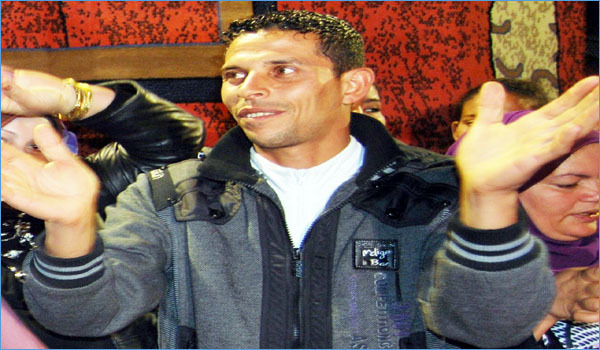

Voor de nieuwste ontwikkelingen, bekijk hieronder:
klik op bovenstaand logo
Hieronder een serie artikelen of links naar bijdragen (nationaal en internationaal), die ik, om verschillende redenen, de moeite waard vind. Het materiaal zal waarschijnlijk dagelijks worden aangevuld
“Ik begrijp jullie nu.” Een zichtbaar aangedane Zine el Abidine Ben Ali, de Tunesische Gerhard Schröder, wiens haren met de jaren almaar zwarter werden, begrijpt na 23 jaar tirannie eindelijk wat de mensen willen. Hij heeft daarom maar meteen het vliegtuig gepakt en het land verlaten.
In 1987 kwam hij via een staatsgreep aan de macht. Hij verdreef de 84 jarige Habib Bourguiba die het land al sinds de jaren 50 leidde en die sterk Westers georiënteerd was en uiterst seculier. Zo werden Tunesiërs aangemoedigd niet te vasten tijdens de ramadan. Bourguiba voerde hervormingen door en moderniseerde het land, maar ook hij kon geen afstand nemen van de macht en werd voor het leven benoemd tot hij in 1987 door Zine el Abidine werd verstoten en onder huisarrest geplaatst tot zijn dood in 2000. Tijdens zijn leiderschap werkte Bourguiba aan een decadent familiemausoleum waar hij na zijn dood is bijgezet.
Nu, 23 jaar later, is de man die zich als een verlosser presenteerde dan verdreven. Door het volk.
In alle jaren dat ik de Arabische media en ontwikkelingen bijhoud, was Tunesië het minst toegankelijke land. De binnenlandse kranten hadden elke dag weer Zinedine als hoofdnieuws en betrouwbaar nieuws vinden was lastig. Afgelopen jaar kwam ik af en toe een bericht tegen over een journalist in hechtenis of de onderdrukking, maar het was minimaal.
Verder lezen op http://www.frontaalnaakt.nl/archives/tunesie.html
The Independent, Wednesday, 26 January 2011: http://www.independent.co.uk/opinion/commentators/fisk/robert-fisk-a-new-truth-dawns-on-the-arab-world-2194488.html
The Palestine Papers are as damning as the Balfour Declaration. The Palestinian “Authority” – one has to put this word in quotation marks – was prepared, and is prepared to give up the “right of return” of perhaps seven million refugees to what is now Israel for a “state” that may be only 10 per cent (at most) of British mandate Palestine. And as these dreadful papers are revealed, the Egyptian people are calling for the downfall of President Mubarak, and the Lebanese are appointing a prime minister who will supply the Hezbollah. Rarely has the Arab world seen anything like this. To start with the Palestine Papers, it is clear that the representatives of the Palestinian people were ready to destroy any hope of the refugees going home.
It will be – and is – an outrage for the Palestinians to learn how their representatives have turned their backs on them. There is no way in which, in the light of the Palestine Papers, these people can believe in their own rights. They have seen on film and on paper that they will not go back. But across the Arab world – and this does not mean the Muslim world – there is now an understanding of truth that there has not been before. It is not possible any more, for the people of the Arab world to lie to each other. The lies are finished. The words of their leaders – which are, unfortunately, our own words – have finished. It is we who have led them into this demise. It is we who have told them these lies. And we cannot recreate them any more. In Egypt, we British loved democracy. We encouraged democracy in Egypt – until the Egyptians decided that they wanted an end to the monarchy. Then we put them in prison. Then we wanted more democracy. It was the same old story. Just as we wanted Palestinians to enjoy democracy, providing they voted for the right people, we wanted the Egyptians to love our democratic life. Now, in Lebanon, it appears that Lebanese “democracy” must take its place. And we don’t like it. We want the Lebanese, of course, to support the people who we love, the Sunni Muslim supporters of Rafiq Hariri, whose assassination – we rightly believe – was orchestrated by the Syrians. And now we have, on the streets of Beirut, the burning of cars and the violence against government. And so where are we going? Could it be, perhaps, that the Arab world is going to choose its own leaders? Could it be that we are going to see a new Arab world which is not controlled by the West? When Tunisia announced that it was free, Mrs Hillary Clinton was silent. It was the crackpot President of Iran who said that he was happy to see a free country. Why was this? In Egypt, the future of Hosni Mubarak looks ever more distressing. His son, may well be his chosen successor. But there is only one Caliphate in the Muslim world, and that is Syria. Hosni’s son is not the man who Egyptians want. He is a lightweight businessman who may – or may not – be able to rescue Egypt from its own corruption. Hosni Mubarak’s security commander, a certain Mr Suleiman who is very ill, may not be the man. And all the while, across the Middle East, we are waiting to see the downfall of America’s friends. In Egypt, Mr Mubarak must be wondering where he flies to. In Lebanon, America’s friends are collapsing. This is the end of the Democrats’ world in the Arab Middle East. We do not know what comes next. Perhaps only history can answer this question.
 Wednesday, January 26, 2011 – 2:31 PM
The popular uprising in Tunisia has surprised many — Western observers, theArab elites, and even those who have generated this remarkable episode. Thesurprise seems justified. How could one imagine that a campaign of ordinaryTunisians in just over one month would topple a dictator who presided over apolice state for 23 years? This is a region where the life expectancy of‘presidencies’ match only the ‘eternal’ rule of its sheiks, kings, andAyatollahs who bank on oil and political rent (western protection) to hang ontotheir power and subjugate their people. But the wonder about the Jasminerevolution — and the subsequent mass protests in Algeria, Yemen, Jordan, andmore spectacularly in Egypt’s numerous cities on Jan. 25, 2011 — also comesfrom a common mistrust among the Arab elites and their outside allies about theso called ‘Arab street’ — one that is simultaneously feared and pitied for its‘dangerous irrationality’ and ‘deplorable apathy.’
But history gives us a more complex picture. Neither ‘irrational’ and proneto riots nor ‘apathetic’ and ‘dead,’ the Arab street conveys collectivesentiments and dissent expressed by diverse constituencies who possess few orno effective institutional channels to express discontent. The result is astreet politics where Arabs nonetheless find ways to express their views andinterests. Today the Arab street is shifting. With new players and meansof communication, it may usher some far reaching changes in the region’spolitics. Verder lezen op: http://mideast.foreignpolicy.com/posts/2011/01/26/a_new_arab_street
Asef Bayat is Professor of Sociology and Middle East Studies at theUniversity of Illinois, Urbana-Champaign. He is the co-author of “BeingYoung and Muslim“ (Oxford University Press, 2010) and author of “Lifeas Politics: How Ordinary People Change the Middle East“ (StanfordUniversity press, 2010).
http://english.aljazeera.net/indepth/features/2011/01/2011126121815985483.html
The tragic life of a street vendor |
|||||||
Al Jazeera travels to the birthplace of Tunisia’s uprising and speaks to Mohamed Bouazizi’s family.Yasmine Ryan Last Modified: 20 Jan 2011 15:00 GMT
|
|||||||
In a country where officials have little concern for the rights of citizens, there was nothing extraordinary about humiliating a young man trying to sell fruit and vegetables to support his family. Yet when Mohamed Bouazizi poured inflammable liquid over his body and set himself alight outside the local municipal office, his act of protest cemented a revolt that would ultimately end President Zine El Abidine Ben Ali’s 23-year-rule. Local police officers had been picking on Bouazizi for years, ever since he was a child. For his family, there is some comfort that their personal loss has had such stunning political consequences. “I don’t want Mohamed’s death to be wasted,” Menobia Bouazizi, his mother, said. “Mohamed was the key to this revolt.” Simple, troubled life Mohamed Bouazizi was 10 years old when he became the main provider for his family, selling fresh produce in the local market. He stayed in high school long enough to sit his baccalaureate exam, but did not graduate. (He never attended university, contrary to what many news organisations have reported). Bouazizi’s father died when he was three years old. His elder brother lives away from the family, in Sfax. Though his mother remarried, her second husband suffers from poor health and is unable to find regular work.
“He didn’t expect to study, because we didn’t have the money,” his mother said. At age of 19, Mohamed halted his studies in order to work fulltime, to help offer his five younger siblings the chance to stay in school. “My sister was the one in university and he would pay for her,” Samya Bouazizi, one of his sisters, said. “And I am still a student and he would spend money on me.” He applied to join the army, but was refused, as were other successive job applications. With his family dependant on him, there were few options other than to continue going to market. By all accounts, Bouazizi, just 26 when he died earlier this month, was honest and hardworking. Every day, he would take his wooden cart to the supermarket and load it would fruit and vegetables. Then he would walk it more than two kilometres to the local souk. Police abuse And nearly everyday, he was bullied by local police officers. “Since he was a child, they were mistreating him. He was used to it,” Hajlaoui Jaafer, a close friend of Bouazizi, said. “I saw him humiliated.”
The abuse took many forms. Mostly, it was the type of petty bureaucratic tyranny that many in the region know all too well. Police would confiscate his scales and his produce, or fine him for running a stall without a permit. Six months before his attempted suicide, police sent a fine for 400 dinars ($280) to his house – the equivalent of two months of earnings. The harassment finally became too much for the young man on December 17. That morning, it became physical. A policewoman confronted him on the way to market. She returned to take his scales from him, but Bouazizi refused to hand them over. They swore at each other, the policewoman slapped him and, with the help of her colleagues, forced him to the ground. The officers took away his produce and his scale. Publically humiliated, Bouazizi tried to seek recourse. He went to the local municipality building and demanded to a meeting with an official. He was told it would not be possible and that the official was in a meeting. “It’s the type of lie we’re used to hearing,” said his friend. Protest of last resort With no official wiling to hear his grievances, the young man brought paint fuel, returned to the street outside the building, and set himself on fire. For Mohamed’s mother, her son’s suicide was motivated not by poverty but because he had been humiliated. “It got to him deep inside, it hurt his pride,” she said, referring to the police’s harassment of her son. The uprising that followed came quick and fast. From Sidi Bouzid it spread to Kasserine, Thala, Menzel Bouzaiene. Tunisians of every age, class and profession joined the revolution. In the beginning, however, the outrage was intensely personal. “What really gave fire to the revolution was that Mohamed was a very well-known and popular man. He would give free fruit and vegetables to very poor families,” Jaafer said.
It took Ben Ali nearly two weeks to visit Mohamed Bouazizi’s bedside at the hospital in Ben Arous. For many observers, the official photo of the president looking down on the bandaged young man had a different symbolism from what Ben Ali had probably intended. Menobia Bouazizi said the former president was wrong not to meet with her son sooner, and that when Ben Ali finally did reach out to her family, it was too late – both to save her son, and to save his presidency. He received members of the Bouazizi family in his offices, but for Menobia Bouazizi, the meeting rang hollow. “The invite to the presidential palace came very late,” she said. “We are sure that the president only made the invitation to try to derail the revolution.” “I went there as a mother and a citizen to ask for justice for my son.” “The president promised he would do everything he could to save our son, even to have him sent to France for treatment.” The president never delivered on his promises to her family, Menobia Bouazizi said. Contagious uprising But by the time Menobia Bouazizi’s son died of his burns on January 4, the uprising had already spread across Tunisia. Fedya Hamdi, the last police officer to antagonise the street vendor, has since fled the town. She was reportedly dismissed, but her exact whereabouts are unknown. Meanwhile, the body of the man who started a revolution now lies in a simple grave outside Sidi Bouzid, surrounded by olive trees, cactuses and blossoming almond trees. He is sorely missed by his family, whose modest house is now one of the busiest in Sidi Bouzid, with a steady flow of journalists who have only just discovered the town where it all began. “He was very sincere,” Basma Bouazizi, his shy 16-year-old sister, said. “We are like soulless bodies since he left.” “We consider him to be a martyr,” Mahmoud Ghozlani, a local member of the Progressive Democratic Party (PDP), said in an interview metres away from the spot where the street vendor set himself on fire. Proof itself of the progress made in four short weeks: such an interview with an opposition activist on the streets of Sidi Bouzid would not have been possible until the day Bouazizi inspired the revolt. Part One of a two-part series. See also: How the people of Sidi Bouzid launched a revolution. Follow Yasmine Ryan on Twitter @yasmineryan |
How Tunisia’s revolution began |
||
From day one, the people of Sidi Bouzid broke through the media blackout to spread word of their uprising.Yasmine Ryan Last Modified: 26 Jan 2011 14:39 GMT
|
||
Sidi Bouazid, Tunisia – The people of Sidi Bouzid overcame heavy censorship and police repression to ensure that their uprising did not go unnoticed in silence. Protesters took to the streets with “a rock in one hand, a cell phone in the other,” according to Rochdi Horchani – a relative of Mohamed Bouazizi – who helped break through the media blackout. Since the same day of the self-immolation of the 26-year-old street vendor that triggered riots causing the Tunisian leadership to flee the country, family members and friends used social media to share the news of what was happening in Sidi Bouzid with international media. Breaking through the media blackout Mohamed Bouazizi was not the first Tunisian to set himself alight in an act of public protest. Abdesslem Trimech, to name one of many cases occurred without any significant media attention, set himself ablaze in the town of Monastir on March 3 after facing bureaucratic hindrance in his own work as a street vendor. Neither was it evident that the protests that begin in Sidi Bouzid would spread to other towns. There had been similar clashes between police and protesters in the town of Ben Guerdane, near the border with Libya, in August. The key difference in Sidi Bouzid was that locals fought to get news of what was happening out, and succeeded. “We could protest for two years here, but without videos no one would take any notice of us,” Horchani said. On December 17, he and Ali Bouazizi, a cousin of Mohamed Bouazizi, posted a video of a peaceful protest led by the young man’s mother outside the municipality building. That evening, the video was aired on Al Jazeera’s Mubasher channel. Al Jazeera’s new media team, which trawls the web looking for video from across the Arab world, had picked up the footage via Facebook. Tunisian media, in contrast, ignored the growing uprising until Nessma TV broke the silence on December 29. And aside from a solid core of activists, most Tunisians did not dare repost the videos on Facebook or even to “like” them, until president Zine El Abidine Ben Ali’s final hours. Yet even if a muted majority did not actively share news of the protests online until mid-January, Tunisia’s 3.6 million internet users – a third of the population, one of the highest penetration rates on the African continent, according to Internet World Stats – were able to follow news of the uprising on social media thanks to a solid core of activists. Throughout the uprising, Tunisian protesters relied on Facebook to communicate with each other. Facebook, unlike most video sharing sites, was not included in Tunisia’s online censorship. Non-internet users kept abreast of the protests via satellite news channels including Al Jazeera, France 24 and, playing catch-up on its competitors, Al Arabiya. The hashtags on Twitter tell the tale of how the uprising went from being local to national in scope: #bouazizi became #sidibouzid, then #tunisia. Media wars get physical The Tunisian authorities in the region tried every means possible to thwart the flow of videos. There were internet and power outages in Sidi Bouzid and neighbouring towns. On January 3, a string of web activists were struck by a systematic, government-organised “phishing” operation aimed at wiping out their online dissent. Bloggers, web activists and a rapper who had published a song criticising the government on YouTube were arrested on January 7. In spite of the attempts to silence them, people went to extreme lengths to make sure their videos were posted on the web. Ali Bouazizi still has a black eye where police struck him in retaliation for his videos. From the courtroom to Facebook Dhafer Salhi, a local lawyer who witnessed Mohamed Bouazizi’s act of self-immolation, said he asked the head of police to meet with the young man’s family that day to try to defuse the anger on the street. “I told [the head of police] that if you don’t get [the Bouazizi family] in, the country will be burned,” Salhi said. “He refused, by arrogance and ignorance.” Frustrated by the lack of accountability by officials, Salhi became an active participant in the protests. The lawyer used Facebook to organise protests, sending out invites to his friends. He was one of the web activists targeted by the Tunisian authorities in the phishing operation. They managed to hijack his Facebook account, but Salhi simply created a new account. Protesters get organised The protests that erupted in Sidi Bouzid were indeed spontaneous, yet they were marked by a level of organisation and sophistication that appears grounded in the sheer determination of those who participated in them. The Sidi Bouzid branch of the UGTT was engaged in the uprising from day one. While the national leadership of the Tunisian General Labour Union (UGTT) is generally viewed as lacking political independence from the ruling class, its regional representatives have a reputation for gutsy engagement. “The major driving force behind these protesters is the Sidi Bouzid union, which is very strong,” said Affi Fethi, who teaches physics at a local high school. For Fethi, it was when police killed protesters in nearby towns including Menzel Bouziane and Regueb that the regional protests became a nationwide uprising. “The person who helped this revolt the most is Ben Ali himself,” he said. “Why didn’t he make [the police] use rubber bullets?” Everyone interviewed for this article agreed that no opposition party – to the extent that independent parties existed under Ben Ali’s rule – was involved in co-ordinating the early protests, or even in offering moral support. Grassroots members of some opposition movements did, however, play an active role as individual activists (Ali Bouazizi, for instance, is a member of the Progressive Democratic Party). Watching the political theatre from afar Students, teachers, the unemployed and lawyers joined forces in Sidi Bouzid and neighbouring towns, braving torture and arrest. Nacer Beyaou, a student, said the uprising was about freedom and employment. The people of Sidi Bouzid feel their region is neglected, he said, and suffer from “abject destitution”. Yet now that the political momentum has moved to the capital, many locals fear that their region is once again being sidelined. “They’ve forgotten about us completely. There’s not a single minister from Sidi Bouzid,” the student said. Summing up the combination of poverty and humiliation that many people in Sidi Bouzid say pushed them to rise up in protest, another man put it this way: “Every day I ask my father to give me one dinar [70 cents], and I’m thirty years old.” A sign of the uncertainty that many are feeling here, the man was forthright in his political views, but said he preferred not to give his name “in case Ben Ali comes back”. Now that the politicians in Tunis have taken over, he said it was like sitting back and watching the theatre. With the initial euphoria that came when Ben Ali fled the country fast fading, the question here is whether or not there will be any tangible political and economic gains for Sidi Bouzid in the “new” Tunisia. The conclusion of a two-part series. See also: “The tragic life of a street vendor,” the story of Mohamed Bouazizi. Follow Yasmine Ryan on Twitter @yasmineryan. |
http://www.eutopiainstitute.org/2011/01/proud-to-be-a-tunisian/
 Proud to be a Tunisian
Yunus Khazri has lived half his life outside Tunisia. When he was a young man, he left his native country for Paris hoping to liberate himself from what he experienced as a suffocating and conservative context. His father was an Imam and he was among the few in his family who had a passion for texts, so he was trained in Islamic theology and law by his father and studied Islamology in France. Shortly after his arrival in France, Ben Ali came to power in Tunisia. At that time, Yunus was worried and could not know that he would not return to his country for many years. Today, he feels proud to be a Tunisian. When I visited him in his house in Amsterdam, he could not have looked happier.

“I hope that they know what they’re doing. Of course, I am worried that this revolution could turn out very badly, but at the moment I am very hopeful. In Tunisia, people just want more freedom. We don’t have a terrifying ideological leader – we are Muslims but not Islamists – and are not looking to impose only one view. The people just want democracy, something that will hopefully inspire other Arab countries. Some say that it is better to live in poverty than to live under Ben Ali. This is really essential. It’s an insight about human dignity and the importance of freedom. In the beginning, he wasn’t that terrible but later on things changed for the worse. In the West, no one paid much attention to Tunisia. If something happens in for example Iran, the entire media writes about it. But in the case of Tunisia, no one cared really. Moreover, even though a dictator was running the country, Tunisia was an ally of the West. President Chirac once even said that in Tunisia there is enough food, education and no war, so people should stop complaining. But the opposition in France thought differently and today we see that reality resists such discriminating simplifications. People are not satisfied with just bread. They too want what everybody has in rich countries such as France: freedom! Liberté! Tunisia is a country where an individual such as Mohamed Bouazizi, who set himself on fire in a desperate act of protest, can become a symbol of resistance against the status quo. He and they are a phoenix that will rise from the ashes.”
As Yunus and I were looking at Youtube videos of the events unfolding in Tunisia his niece Lobna, who lives there, called him. Lobna is a young undergraduate student. She studies French and Yunus is very proud that the girls in his family can educate themselves more than in the past. “Now we are independent!” she said enthusiastically. It was hard not to hear how happy and emotional she was. Yunus showed me a picture of her as a teenager, holding an electric guitar. “Young people like rap music, but to me it sounds awkward. Times are changing and they should create new words and a new language. They should not wait for their elders. Thank God for the Internet! Thanks to the new social media, the dictator cannot hope to control everything, for example these new forms of music. For the first time, I really feel proud to be a Tunisian. Of course it is terrible that people have already been killed, but unfortunately freedom is not free. I’m not saying this to justify their deaths for a greater cause. It’s just an unfortunate truism that needs to be learned again and again. Today, I am so happy that these young people have the courage to resist the dictator. Today, I feel as if my dignity as a person has been restored.”
Yunus even opened a bottle of champagne for us to drink and celebrate the resistance in Tunisia. In his enthusiasm he couldn’t help reading a verse from the Qur’an (16: 67): “And from the fruits of the palm trees and grapevines you take intoxicant and good provision. Indeed in that is a sign for a people who reason.”
This entry was posted in Midden-Oosten, Wereld. Bookmark the permalink. Pooyan Tamimi Arab | Monday 24 January 2011

Cairo
| Uitgegeven: | 28 januari 2011 09:20 |
| Laatst gewijzigd: | 28 januari 2011 09:20 |

”Ik ben er zeker van dat er geen nieuwe kandidatuur komt van Mubarak of een machtsoverdracht aan zijn zoon.”
De 65-jarige Marzouki leidt de Congres Partij voor de Republiek (CPR). De partij zet zich in voor een democratisch Tunesië en was verboden onder president Ben Ali. De president is deze maand het land ontvlucht wegens aanhoudende betogingen van de ontevreden bevolking.
Hij verwacht ook dat de leider van Algerije zal vallen, terwijl die van Syrië in moeilijkheden komt. ”Een lente van democratie in de Arabische wereld”, zei hij.
| © ANP |
(http://www.nu.nl/buitenland/2433470/lente-van-democratie-in-arabische-wereld.html)
Washington needs a friendly regime in Cairo more than it needs a democratic government
Simon Tisdall (bron: http://www.guardian.co.uk/commentisfree/cifamerica/2011/jan/28/obama-clinton-wobble-egypt-mubarak )
guardian.co.uk, Friday 28 January 2011 18.20 GMT
 Anti-government protestors clash with riot police in Cairo in the challenge to President Hosni Mubarak’s 30-year rule. Photograph: Ben Curtis/APCaught off guard by the escalating unrest in Egypt, the Obama administration is desperate to avoid any public appearance of taking sides. But Washington’s close, longstanding political and military ties to President Hosni Mubarak’s regime, plus annual financial support worth about $1.5bn, undermine its claims to neutrality.
While the US favours Egyptian political reform in theory, in practice it props up an authoritarian system for pragmatic reasons of national self-interest. It behaved in much the same way towards Saddam Hussein’s regime in the 1980s, when Iraq was at war with Iran. A similar tacit bargain governs relations with Saudi Arabia. That’s why, for many Egyptians, the US is part of the problem.
Like tottering tightrope walkers, the balancing act performed by Barack Obama and the secretary of state, Hillary Clinton, has been excruciating to watch. When the protests kicked off, Clinton urged all parties “to exercise restraint”. This phrase is useful when politicians are unsure of their ground.
Clinton also struck a lopsided note. “Our assessment is that the Egyptian government is stable and is looking for ways to respond to the legitimate needs and interests of the Egyptian people,” she said. Against a backdrop of street battles, beatings-up, teargas, flying bricks, mass detentions and attempts to shut information networks, her words sounded unreal, even foolish.
Mohamed ElBaradei, the establishment rebel who joined the protests, was flabbergasted. “If you would like to know why the United States does not have credibility in the Middle East, that is precisely the answer,” he said.
Clinton’s emphasis shifted the next day, as if to correct the balance. Mubarak must allow peaceful protests, she said. “I do think it’s possible for there to be reforms and that is what we are urging and calling for.”
Today she said: “We are deeply concerned about the use of violence by Egyptian police and security forces against protesters. We call on the Egyptian government to do everything in its power to restrain security forces.” Still she tried to face both ways: “At the same time, protesters should also refrain from violence and express themselves peacefully.”
Obama maintained he had “always” told Mubarak that reform was “absolutely critical”. But he also wobbled back in the other direction, saying the Egyptian leader was a good friend. “Egypt’s been an ally of ours on a lot of critical issues. Mubarak has been very helpful,” Obama said.
Amid the juggling, one fact may be pinned down: the US would not welcome Mubarak’s fall and the dislocation a revolution would cause in Egypt and across a chronically unstable region. Gradual reforms of the kind Clinton discussed in a recent speech in Doha about the Arab world, and a competitive presidential election this autumn, would probably be Washington’s preferred prescription. As matters stand now, this is the least likely outcome.
Either the regime will suppress the unrest, possibly by ever more brutal means, as happened in Iran in 2009; or the uprising will spiral out of control and the regime will implode, with unpredictable consequences, as in Tunisia. In this latter scenario, one outcome could be a military takeover in the name of national salvation. It has happened before in Egypt, in 1952, when the Free Officers Movement forced King Farouk to abdicate. If it happened again, the US might be expected to endorse it.
That’s because, in the final analysis, the US needs a friendly government in Cairo more than it needs a democratic one. Whether the issue is Israel-Palestine, Hamas and Gaza, Lebanon, Iran, security for Gulf oil supplies, Sudan, or the spread of Islamist fundamentalist ideas, Washington wants Egypt, the Arab world’s most populous and influential country, in its corner. That’s the political and geostrategic bottom line. In this sense, Egypt’s demonstrators are not just fighting the regime. They are fighting Washington, too.
Een bijzonder filmpje dat ik kreeg toegestuurd door een Iraakse vriend

Demonstratie in Amsterdam (Dam), 1-2-2011 (foto Floris Schreve)
New York Times 1-2-2011 http://www.nytimes.com/2011/02/02/world/middleeast/02egypt.html?_r=2&hp

A man held an Egyptian flag during a massive rally in Tahrir Square on Tuesday in Cairo. More Photos »
Cairo – In a test of wills that seemed to be approaching a critical juncture, more than 100,000 people crammed into Cairo’s vast Tahrir Square on Tuesday, seeking to muster a million protesters demanding the ouster of President Hosni Mubarak.
Their mood was jubilant, as though they had achieved their goals, even though Mr. Mubarak remained in power a day after the Egyptian military emboldened the protesters by saying they would not use force against them and the president’s most trusted adviser offered to negotiate with his adversaries.
There were reports that the government was seeking to choke off access to the capital to thwart the demonstrators’ ambitions for the most decisive show of strength so far. But the scale of the protest was far bigger and more tumultuous than in the previous week, suggesting that the authorities had been unable to prevent the uprising from reaching what had been seen by all sides as a potential turning point. Tens of thousands of people also took to the streets of Alexandria, Egypt’s second city north of Cairo on the Mediterranean coast.
Events around the region have taken unpredictable turns in recent weeks. On Tuesday afternoon, King Abdullah II of Jordan, a small and generally stable nation, made the surprise announcement that he had dismissed the government in response to protesters’ demands for greater freedoms.
The crowd in Cairo offered a remarkable tapestry of Egypt’s society, from the most westernized to the most traditional, from young women with babies to old men with canes. “Look at the faces of the old men — they are young again,” said Ahmed Zemhom, 37, a former math teacher who makes a living as a cab driver.
Seeking to impose some kind of order, the military set up checkpoints to search people entering the square, presumably for hidden weapons, separating them by gender so that women could be patted down only by other females. But there were no immediate reports of clashes, and little sign of any security police.
The fast-moving developments appeared to weaken Mr. Mubarak’s grip on power just two weeks after a group of young political organizers called on Facebook for a day of protest inspired by the ouster of another Arab strongman, in Tunisia.
A Western diplomat, who spoke in return for anonymity because of the sensitivity of the situation, said Monday night’s moves by the military were believed to be part of choreographed maneuvers by the most senior people around Mr. Mubarak to set the stage for his eventual exit.
If that belief is borne out by events, however, it remained to be seen whether protesters would be satisfied by Mr. Mubarak’s departure or would demand more far-reaching change, as demonstrators in Tunisia did after its strongman president, Zine el-Abidine Ben Ali, fled in mid-January.
In Tahrir, or Liberation, Square, the chants of the huge crowd suggested that the demonstrators would not stop at Mr. Mubarak’s departure. “The people of Egypt want the president on trial,” some chanted for the first time, while others chorused: “The people of Egypt want the government to fall.”
“Nobody wants him, nobody,” said El-Mahdy Mohamed, one of the demonstrators. “Can’t he see on the TV what’s happening?”
As opposition groups sought to stake out positions, Mohamed ElBaradei, the former head of the International Atomic Energy Agency and a Nobel laureate who has emerged as a potential rallying point for opposition, said on Tuesday that Mr. Mubarak must leave the country before any dialogue can start between the opposition and the government, Reuters reported.
“There can be dialogue but it has to come after the demands of the people are met and the first of those is that President Mubarak leaves,” he told Al Arabiya television. “I hope to see Egypt peaceful and that’s going to require as a first step the departure of President Mubarak. If President Mubarak leaves, then everything will progress correctly.”
His words were apparently a first response to an offer of talks on Monday night by Omar Suleiman, Mr. Mubarak’s right-hand man and newly appointed vice president.
By Tuesday morning, as a formal curfew that many have ignored was lifted, vast crowds flooded into Tahrir Square — a plaza that for some has assumed some of the symbolic importance of Tiananmen Square in Beijing during pro-democracy demonstrations there in 1989.
But, in marked contrast to those events, the military’s promise not to use force has emboldened demonstrators sensing that the political landscape of the country has shifted as decisively as at any moment in Mr. Mubarak’s three decades in power. The military seemed to aggressively assert itself as an arbiter between two irreconcilable forces: a popular uprising demanding Mr. Mubarak’s fall and his tenacious refusal to relinquish power.
And even as the square itself filled up, rivers of protesters flowed from side streets.
Overnight, soldiers boosted their presence around the square, with tanks and armored personnel carriers guarding some of its entrances and stringing concertina wire to block off some streets. The black-clad police — reviled by many protesters as a tool of the regime — also seemed to have been deployed in larger numbers, though not on the same scale as when the protests started a week ago.
News reports said the authorities had sought to isolate Cairo from the rest of the country, throwing up roadblocks on main highways and canceling train and bus services to prevent demonstrators from reaching the city. There was no official confirmation of the report but witnesses said many people who had been stopped at roadblocks simply walked into the center of Cairo.
In a further token of the paralysis of normal business, news reports said, the Cairo stock exchange announced that it would remain closed for a fourth successive day on Wednesday.
Busy schedule? Click here to keep up with Truthout with free email updates.
Thousands of foreigners have fled the capital, around 1,200 of them on evacuation flights arranged by the American Embassy that began on Monday. By mid-afternoon on Tuesday, two more flights chartered by the State Department had left Cairo for Istanbul, while passengers were boarding other planes for Athens and Larnaca, Cyprus, officials said. Many more flights were likely on Wednesday.
How far Mr. Mubarak is offering to bend in negotiations remains to be seen, and it appeared to be too soon to write off the survival of his government. In Washington, the State Department on Monday dispatched a veteran diplomatic troubleshooter, Frank Wisner, a former ambassador in Cairo and elsewhere, to meet Mr. Mubarak and other officials.
In a further diplomatic twist, Prime Minister Recep Tayyip Erdogan of Turkey — whose country is often held up as a model of Western-style democracy within a predominantly Islamic nation — canceled a visit to Egypt planned for next week, urging Mr. Mubarak to “listen to people’s outcries and extremely humanistic demands” and to “meet the freedom demands of people without a doubt,” Reuters reported.
The week-old uprising here entered a new stage about 9 p.m. on Monday when a uniformed military spokesman declared on state television that “the armed forces will not resort to use of force against our great people.” Addressing the throngs who took to the streets, he declared that the military understood “the legitimacy of your demands” and “affirms that freedom of expression through peaceful means is guaranteed to everybody.”
A roar of celebration rose up immediately from the crowd of thousands of protesters still lingering in Tahrir, or Liberation, Square, where a television displayed the news. Opposition leaders argued that the phrase “the legitimacy of your demands” could only refer to the protests’ central request — Mr. Mubarak’s departure to make way for free elections.
About an hour later, Mr. Suleiman, the vice president, delivered another address, lasting just two minutes.
“I was assigned by the president today to contact all the political forces to start a dialogue about all the raised issues concerning constitutional and legislative reform,” he said, “and to find a way to clearly identify the proposed amendments and specific timings for implementing them.”
The protesters in the streets took Mr. Suleiman’s speech as a capitulation to the army’s refusal to use force against them. “The army and the people want the collapse of the government,” they chanted in celebration. Even some supporters of Mr. Mubarak acknowledged that events may have turned decisively against him after the military indicated its refusal to confront the protesters.
There were some faint dissident voices, however. In Alexandria on Tuesday, young women handed out leaflets to motorists in Alexandria urging people not to attend Tuesday’s demonstrations. “Do not turn yourselves over to outside forces trying to create chaos in our country,” the leaflets said. The argument seemed unlikely to dissuade protesters who had set up tents in front of the Misr train station in central Alexandria.
Mr. Mubarak’s previously unquestioned authority had already eroded deeply over the preceding three days. On Friday, hundreds of thousands of unarmed civilian protesters routed his government’s heavily armed security police in a day of street battles, burning his ruling party’s headquarters to the ground as the police fled the capital. On Saturday, Mr. Mubarak deployed the military in their place, only to find the rank-and-file soldiers fraternizing with the protesters and revolutionary slogans being scrawled on their tanks.
And on Sunday, leaders of various opposition groups met to select Mr. ElBaradei to negotiate for them in anticipation of talks with Mr. Mubarak about forming a transitional unity government — an idea Mr. Mubarak’s surrogate embraced Monday.
Mr. Mubarak’s government came under pressure from another front as well: the swift deterioration of the economy. The protests, and the specter of looting that followed the police withdrawal, have devastated tourism, the source of half of Egypt’s foreign income, and shut down transportation.
On Monday foreign embassies scrambled to book charter flights to evacuate their citizens as thousands of people jammed the Cairo airport trying to flee the country. International companies, including those in the vital oil and natural gas industries, shuttered their operations.
As late as midday, however, Mr. Mubarak seemed to be trying to wait out the protesters. He appeared on television soberly shaking the hands of a new roster of cabinet ministers in a public demonstration that even though protesters may control the streets, he remained head of state.
David D. Kirkpatrick reported from Cairo, and Alan Cowell from London . Reporting was contributed by Mona El-Naggar, Kareem Fahim, Anthony Shadid and Robert F. Worth from Cairo; and Nicholas Kulish from Alexandria.
http://opinie.volkskrant.nl/artikel/show/id/7753/Arabische_lente
Een spook waart door het Midden-Oosten. In Egypte komt het volk in opstand tegen een autoritair regime dat duizenden politieke gevangenen in de cel heeft gegooid. Een regime dat politieke tegenstanders martelt. Een regime dat maling heeft aan de vrijheid van meningsuiting en zonder pardon televisiekanalen en het internet afsluit.
Elke democraat zou moeten juichen bij deze revolutie. Zoals de in Amerika woonachtige Egyptische journaliste Mona Eltahawy (volg haar! @monaeltahawy) in een tweet schreef: Moebarak is de Berlijnse muur. ‘Down, down, down with him.’ Hierin klinkt de hoop door van een omwenteling die het hele Midden-Oosten zal bevrijden.
Retoriek
En toch regeert bij velen niet de hoop, maar de angst. De angst dat in Egypte straks islamisten aan de macht komen. Het is een echo van de retoriek waarmee Mubarak al jarenlang zijn ijzeren greep op Egypte rechtvaardigt. Hij presenteert zich als het laatste bastion tegen een tweede Iran aan de Nijl. Het is de retoriek waarmee hij miljarden steun van de Amerikanen heeft binnengeharkt.
Het is niet moeilijk om deze angst voor de politieke macht van islamisten te voeden. Uit een opiniepeiling van Pew Research van vorig jaar blijkt dat ruim driekwart van de Egyptisch moslims voorstander is van steniging als straf voor overspel en van het afhakken van handen van dieven. Van de Egyptische moslims is 85 procent voorstander van een grote rol van de islam in de politiek. Het zijn cijfers die velen doen huiveren. Maar uit dezelfde opiniepeiling blijkt ook dat een grote meerderheid van de Egyptische moslims zich keert tegen Al Qaida en dat vooral onder jongeren een meerderheid niks moet weten van Hezbollah of Hamas.
Praktisch
Het is waar dat de Moslim Broederschap een straf georganiseerde oppositiebeweging is. Maar de Moslim Broederschap staat absoluut niet op één lijn met de machthebbers in Iran. Het is een teken aan de wand dat ze hun steun hebben uitgesproken aan de seculiere ElBaradei als vertegenwoordiger van de oppositie. Bovendien is het opvallend dat in deze opstand de Moslim Broederschap niet het voortouw heeft. De leuzen en eisen zijn niet religieus, maar praktisch: Mubarak moet aftreden. Het gaat deze activisten niet om de kleding van de vrouwen, maar om vrijheid, banen en brood.
In de angst voor de islamisten openbaart zich een diepgeworteld wantrouwen of democratie en islam wel kunnen samengaan. Mensen die geloven dat dit onmogelijk is presenteren zich graag als realisten. Zij durven de pijnlijke waarheid onder ogen te zien. Maar die pijnlijke waarheid leidt ook tot pijnlijke politieke conclusies. Het betekent namelijk dat landen waarvan de meerderheid van de bevolking moslim is, maar in twee smaken komen. Of een autoritair regime houdt met behulp van het leger de islamitische massa in bedwang of de islamitische meerderheid laat zich gelden en dan komt er een tweede Iran. De naïviteit van deze zogenaamde realisten is dat ze denken dat die autoritaire strategie op lange termijn houdbaar is.
Derde weg
De protesten in Egypte voeden de hoop dat er een derde weg mogelijk is. Een democratische rechtsstaat waar islamitische politieke partijen niet verboden zijn, maar waar die partijen zich wel conformeren aan de spelregels van de democratische rechtsstaat, zoals de vrijheid van godsdienst, de vrijheid van meningsuiting en de bescherming van minderheden. Mensen die geloven dat zo’n derde weg, zo’n Arabische lente mogelijk is, zoals de Arabiste Petra Stienen die het boek schreef Dromen van een Arabische Lente, worden vaak weggezet als naïeve dromers.
Er is inderdaad geen garantie dat deze derde weg in Egypte zal overwinnen. Maar waarom wordt hoop als emotioneel afgeserveerd en angst als realistisch verkocht? Angst is ook een emotie en Egypte laat zien dat wie zich door angst laat leiden, kiest voor een strategie die onhoudbaar en dus naïef is.
Spook
Er waart een spook door Egypte. En iedereen die zich wijs maakt dat dit een islamistisch spook is, doet zichzelf tekort. Hij doet de democratische krachten in Egypte tekort. Hij doet de jongeren tekort die de straat op gaan, omdat ze wel naar de universiteit zijn geweest, maar nu geen baan kunnen vinden. Hij doet de politieke gevangenen tekort die vanwege hun opvattingen jarenlang gevangen hebben gezeten. Hij doet de mensen tekort die dag na dag het uitgaansverbod aan hun laars lappen om op het plein van de bevrijding de naam van dat plein eer aan te doen.
http://daralhayat.com/print/230234


It is no longer a question of whether Egypt is going to change, for it is changing. The question is about the limits of this change: how will it take place? At what frequency? To what extent? Are we faced with a partial reform of the regime or are we on the path to a full-fledged transformation? One might say that some change has taken place through the wave of protests that is invading Egypt. The issue of legacy [of the presidency to Jamal Mubarak] is not on the table anymore, as shown by the appointment of Omar Suleiman as Vice-President. The structure of the government that was announced yesterday and the absence of businessmen in it also enter within the same context. What is taking place in the ruling party confirms this trend.
In light of the current situation, it can also be said that it is entirely unlikely that President Husni Moubarak will be a candidate in the upcoming presidential elections next fall. The events also imposed a third point, which is the acknowledgment from inside the regime itself that the last legislative elections were rigged on a large scale. The fall of Ahmed Ezz from his position in the party was like an admission of the validity of the accusations that were made against these elections. The fourth point is the increased conviction that it is impossible to exit the current crisis except through a broad national dialogue that would translate the decision to listen to people. Dialogue means being ready to at least look into the amendments to the constitution that are being demanded by the opposition.
Thus, the participants in the protests can say that their movement has imposed some change on the situation that has been in the country for three decades. The decision-maker realized that it is impossible to deal with the emerging situation with the security tools. The appointments were a clear recognition. The regime certainly preferred the return of calm and the imposition of security before making any change or appointment. But it concluded that going back to the previous methods is impossible. What is happening is completely new and unprecedented and cannot be treated with the medication that belongs to a bygone era.
The time factor holds exceptional importance in such great crises. Sometimes hours or days are spent in hesitation, cautiousness, or trying to renew the wager on an old lexicon or in fear. Time is golden in great crises. You might have to accept on Thursday what is worse than what you rejected on Monday. And what is accepted on Thursday might be outdone by time on Saturday, as the voice of the street burns phases and half solutions.
The protest movement made Egypt enter a transitory phase. The question is about who is leading this phase and what are its reins. Here, we must turn to the army, from which ranks the President has come for sixty decades. The past few days have shown that the army, which dealt very wisely with the protests movement, has great acclaim in the country. We saw the protestors welcome and greet the army tanks and write some of their demands on them. The army refrained from repressing the protests movement, but this absolutely doesn’t mean that it decided to fully bow to the street movement and that it will be ready to accept the determination of the regime’s future in the street itself.
It is evident that the recent appointments did not convince the protestors. Any success of the one-million-person protest that protestors called for organizing today will mean the draining of any positive impact that the appointments could have made. The success will raise the ceiling of demands and push them towards the claim for turning the page immediately. The attention is shifted towards the army and its readiness to accept a full change that goes beyond the president to encompass the regime itself. The army might consider such change to hold some risks in the absence of a clear leadership by the opposition and in the absence of a great, effective, and accepted opposition force with which the army can reach a settlement, and which would not cause a change in the regime’s foundations and Egypt’s position.
Egypt is approaching the hour of the decisive test. It is most probable that some generals are looking at their watches. The phase of overthrows is over, but the loss of the game from the army’s hands will be dangerous. Hence, a “road map” is needed to come out of the crisis, one that is based on listening to people and setting stability regulators for a transitory phase that has clear features and goals.
http://daralhayat.com/print/230234
http://s.nos.nl/swf/nos_video_embed.swf
Toespraak Mubarak
http://english.aljazeera.net/news/middleeast/2011/02/201121191413252982.html
 |
|||||||||||||||||||||||||||||||||||||||||
|
|||||||||||||||||||||||||||||||||||||||||
NRC, 1-2-2011, http://www.nrc.nl/nieuws/2011/02/01/protesteren-tegen-het-regime-in-egypte-noem-jezelf-khaled-said/
 Betogers tonen foto’s van Khaled Said. Van voor en na de marteling. Foto AFP
Corruptie, politiegeweld, onderdrukking. Stuk voor stuk reden om de straat op te gaan. Maar voor massaprotest is een prikkel nodig. Een concreet incident dat raakt aan gedeeld ongenoegen.
Politieslachtoffer Khaled Said werd het symbool van de protesten in Egypte. Maar de drijvende kracht achter de symbolisering van Said wil geen bekendheid, laat staan roem. Op 6 juni 2010 werd de 28-jarige Said door agenten doodgeschopt voor een internetcafé. De reden was waarschijnlijk een filmpje, waarop Said laat zien hoe de politie drugsgeld onderling verdeelt. De moord maakte van Said echter nog geen symbool. Daarvoor was meer nodig.
Het doel was aanvankelijk een internetprotest tegen politiegeweld, maar na de protesten in Tunesië en de val van president Ben Ali werd het initiatief concreter en fysieker. El Shaheeed noemde een datum, dinsdag 25 januari. Nooit eerder demonstreerden zoveel mensen op straat tegen het regime van president Mubarak.
Of El Shaheeed de protesten van 25 januari op zijn conto kan schrijven is de vraag. Zeker is wel dat hij 375.000 volgers heeft. Als El Shaheeed iets schrijft verschijnt het op de Facebook-pagina’s van 375.000 mensen, voornamelijk Egyptenaren.
Facebook als vliegwiel, meer niet
In een interview met Newsweek – via Gmail Chat – is El Shaheeed bescheiden over zijn rol. Hij geeft niet echt orders, maar investeert in de interactie met zijn fans op Facebook. Discussies, peilingen, berichten doorplaatsen. Ook kunnen bezoekers via zijn pagina’s protestflyers downloaden, zodat de mensen die geen internet hebben toch bereikt worden. “Het is mijn taak om mensen te motiveren, te informeren en hen aan te moedigen deelgenoot te worden van dit evenement. Niet slechts verslaggeving.” Hij hoopt op een vliegwieleffect: door mensen klaar te stomen voor het protest wordt het protest onstuitbaar. El Shaheeed heeft nooit persoonlijke details van zichzelf weggegeven. En dat wil hij zo houden, zelfs als het doel bereikt is en hij niets heeft te vrezen.
Het succes van El Shaheeed is deels te danken aan zijn taalgebruik. Hij vermijdt al te politieke en religieuze uitspraken. Dat drijft groepen alleen maar uiteen, vindt hij. Het Egyptische volk moet samen optrekken. “Hij praat niet tegen de mensen”, zegt een activist over hem. “Hij praat met de mensen.”
Maar El Shaheeed is de laatste die de eer op zal strijken. “Dit gaat niet over mij”, zei hij tegen Newsweek. “Dit gaat over de mensen van Egypte. Ik wil straks mijn echte leven terug. Ik wil geen roem. Het was nooit mijn intentie dit te starten.” Met ‘dit’ bedoelt hij de massale betogingen op straat.
De betogingen stoppen kan hij niet, wil hij niet. Toen de regering internet afsloot – en El Shaheeed zijn Facebook-pagina’s niet kon bijwerken – gingen de protesten namelijk gewoon door. Als El Shaheeed dit al in gang heeft gezet, dan heeft hij zichzelf inmiddels overbodig gemaakt.
Vandaag, tijdens het grootste protest tot nu toe, is El Shaheeed weer aan het communiceren met zijn volgers. Vanmiddag richtte hij zich even tot journalisten. “Ik krijg maar vragen over mijn ideologie. Maar ik heb er geen één!”, schreef hij. “Deze revolutie is van iedereen. En iedereen zou er aan deel moeten nemen.”
Een ‘Nieuw Revolutionair’ clipje op Youtube, zoals er inmidddels al veel van zijn gemaakt
Posted: 01 Feb 2011 04:38 AM PST
Guest Author: Linda Herrera
Khaled SaidThe events in Tunisia and Egypt have riveted the region and the world. The eruptions of people power have shaken and taken down the seeming unbreakable edifices of dictatorship. (At the time of writing Mubarak has not formally acknowledged that he has been toppled, but the force of the movement is too powerful and determined to fathom any other outcome). Events are moving at breakneck speed and a new narrative for the future is swiftly being written. In the throes of a changing future it merits returning to the stories of two young men, the two faces that stoked the flames of revolution thanks to the persistence of on-line citizen activists who spread their stories. For in the tragic circumstances surrounding their deaths are keys to understanding what has driven throngs of citizens to the streets.
Mohammed Bouazizi has been dubbed “the father of Arab revolution”; a father indeed despite his young years and state of singlehood. Some parts of his life are by now familiar. This 26 year old who left school just short of finishing high school (he was NOT a college graduate as many new stories have been erroneously reporting) and worked in the informal economy as a vendor selling fruits and vegetable to support his widowed mother and five younger siblings. Overwhelmed by the burden of fines, debts, the humiliation of being serially harassed and beaten by police officers, and the indifference of government authorities to redress his grievances, he set himself on fire. His mother insists that though his poverty was crushing, it was the recurrence of humiliation and injustice that drove him to take his life. The image associated with Mohammed Bouazizi is not that of a young man’s face, but of a body in flames on a public sidewalk. His self-immolation occurred in front of the local municipal building where he sought, but never received, justice.
The story of 28 year old Egyptian, Khaled Said, went viral immediately following his death by beating on June 6, 2010. Two photos of him circulated the blogosphere and social networking sites. One was a portrait of his gentle face and soft eyes coming out of a youthful grey hooded sweatshirt; the face of an everyday male youth. The accompanying photo was of the bashed and bloodied face on the corpse of a young man. Though badly disfigured, the image held enough resemblance to the pre-tortured Khaled to decipher that the two faces belonged to the same person. The events leading to Khaled’s killing originated when he posted a video of two police officers allegedly dividing the spoils of a drug bust. This manner of citizen journalism has become commonplace since 2006. Youths across the region have been emboldened by a famous police corruption case of 2006. An activist posted a video on YouTube of two police officers sodomizing and whipping a minibus driver, Emad El Kabeer. It not only incensed the public and disgraced the perpetrators, but led to their criminal prosecution. On June 6, 2010, as Khaled Said was sitting in his local internet café in Alexandria two policemen accosted him and asked him for his I.D. which he refused to produce. They proceeded to drag him away and allegedly beat him to his death as he pleaded for his life. The officers claimed that Khaled died of suffocation when he tried to swallow a package of marijuana to conceal drug possession. But the power of photographic evidence combined with eyewitness accounts and popular knowledge of scores of cases of police brutality left no doubt in anyone’s mind that he was senselessly and brutally murdered by the very members of the police that were supposed to protect them. The court case of the two officers is ongoing.
Mohammed Bouazizi was not the first person to resort to suicide by self immolation out of desperation, there has been an alarming rise in such incidents in different Arab countries. And Khaled Said is sadly one of scores of citizens who have been tortured, terrorized, and killed by police with impunity. But the stories of these two young men are the ones that have captured the popular imagination, they have been game changers.
 Cartoon from the Facebook Group We are all Khaled Said
For the youth of Egypt and Tunisia, the largest cohort of young people ever in their countries, the martyrdoms of Khaled Said and Mohamed Bouaziz represent an undeniable tipping point, the breaking of the fear barrier. The youth have banned together as a generation like never before and are crying out collectively, “enough is enough!” to use the words of a 21 year old friend, Sherif, from Alexandria. The political cartoon of Khaled Said in his signature hoodie shouting to the Intelligence Chief, also popularly known “Torturer in chief” and now Mubarak’s Vice President, to “wake up Egypt” perfectly exemplifies this mood (from the Facebook group, We are all Khaled Said). No longer will the youth cower to authority figures tainted by corruption and abuses. These illegitimate leaders will cower to them. The order of things will change.
And so on January 25, 2011, inspired by the remarkable and inspiring revolution in Tunisia that toppled the twenty-three year reign of the dictatorship of Zine El Abidine Ben Ali, Egyptian youth saw it was possible to topple their dictator, Hosni Mubarak, of 31 years. Activists used different on-line platforms, most notably the April 6 Youth Movement and the “We are all Khaled Said” Facebook group to organize a national uprising against “Torture, Corruption, Poverty, and Unemployment.”
It is not arbitrary that civil rights, as exemplified in torture and corruption (recall Khaled Said), topped the list of grievances, followed by economic problems. For youth unemployment and underemployment will, under any regime, be among the greatest challenges of the times.
 Banner of the Egyptian uprising
No one could have anticipated that this initial call would heed such mass and inclusive participation. Youths initially came to the streets braving tanks, rubber bullets, tear gas (much of which is made in the US and part of US military aid, incidentally), detention, and even death. And they were joined by citizens of all persuasions and life stages; children, youth, elderly, middle aged, female, male, middle class, poor, Muslim, Christians, Atheists.
Contrary to a number of commentators in news outlets in North America and parts of Europe the two revolutions overtaking North Africa are not motivated by Islamism and there are no compelling signs that they will be co-opted in this direction. Such analyses are likely to be either ideologically driven or misinformed. In fact, Islam has not figured whatsoever into the stories of Bouazizi and Said. These are inclusive freedom movements for civic, political, and economic rights. To understand what is driving the movement and what will invariably shape the course of reforms in the coming period we need to return to these young men. Their evocative if tragic deaths speak reams about the erosion of rights and accountability under decades of corrupt dictatorship, about the rabid assault on people’s dignity. They remind us of the desperate need to restore a political order that is just and an economic order that is fair. Mohamed Bouazizi and Khaled Said have unwittingly helped to pave a way forward, and to point the way to the right side of history.
Linda Herrera is a social anthropologist with expertise in comparative and international education. She has lived in Egypt and conducted research on youth cultures and educational change in Egypt and the wider Middle East for over two decades. She is currently Associate Professor, Department of Education Policy, Organization and Leadership, University of Illinois at Urbana-Champaign. She is co-editor with A. Bayat of the volume Being Young and Muslim: New Cultural Politics in the Global North and South, published by Oxford University Press (2010).
Van http://palestinechronicle.com/:

Unravelling The Illusion: Democracy That Never Was – By William Cook, Palestine Chronicle (3/2/11) |
 |
 |
 |
| By William Cook, Palestine Chronicle |
| Wednesday, 02 February 2011 23:55 |
|
// 0diggsdigg
The Egyptian peoples’ revolution against their government forces to the fore the unfortunate reality that America’s friendship is an illusion created for its own benefit, a strategy, if you will, that creates a mirage of trust, compassion, and good will for the people while it disfranchises them from power, enriches the “inner circle,” establishes a brutal police force to control them, providing thereby a resident dictator that will do the bidding of America’s military-industrial complex to sustain its enormous need for on-going wars and a budget that saps the wealth of the nation itself. Mark that Egypt’s military spends 6 billion a year to maintain its million soldiers and absorbs another 1.3 billion of U.S “aid” to buy American warplanes, tanks, and helicopters. Virtually nothing is left for humanitarian needs or domestic relief. The people have had enough. Consider Iran, perhaps our most graphic undemocratic entrance into the greater middle-east. Our CIA assassinated the democratically elected Prime Minister, Mohammed Mossadegh, and installed our own “beholden” King, the Shah of Iran. He in turn created the SAVAK police to control the people enriching his benefactors by using American tax dollars to buy weapons from United States munitions’ industries. Clever, even demonic. But the Iranian people revolted. Twenty five years of undemocratic, dictatorial rule beneficial to U.S. and Israeli interests if understood in weapons sales and oil to say nothing of the Shah’s recognition of our puppet state, but disastrous for the Iranian people and America that now sees Iran as a major enemy in the mid-east. But we do not learn. Now, Mubarak’s 30 year strangulation of the Egyptian people appears to be unraveling while our administration and the Netanyahu governments look on in disbelief and fear. What do we do with our 1.5 billion that has served our dictator yearly for these many decades as a guarantee of peace with Israel? To whom will it go if, as Eli Shaked observes above, the “inner circle” alone in Egypt supports that agreement and they too are deposed? The Muslim Brotherhood? Mohammad ElBaradei? The Egyptian military? An “existential” quandary certainly! Israel’s Michael Ledeen, writing in Pajamas Media, states “Mohammed ElBaradei is one of the last men I would choose for leading Egypt to a ‘peaceful transition’ to greater democracy. He doesn’t like America and he’s in cahoots with Iran and the Muslim Brotherhood.” How does America protect its client state of Israel now? Consider what happens if Mubarak is dethroned: nearly half of Israel’s natural gas is imported from Egypt, gas needed by its own population as well as its military; Israel’s military planning relies on Mubarak’s government and its complicity in guarding the southern border of Gaza much to the dismay of the Egyptian people, a border that has already been punctured by escaped Hamas prisoners who have fled home through the tunnels; changes could be made in the control of the Suez Canal to the detriment of Israel, and, perhaps most importantly, Jordan and Saudi Arabia could become the next dominoes to fall toward Israel leaving it isolated in a landscape dominated by people unfriendly to it because of its undemocratic subjugation of the Palestinian people. It’s enlightening to peep in on the Daily Alert, the daily report prepared for the Conference of Presidents of Major Jewish Organizations by the Jerusalem Center for Public Affairs. If anything reflects the mindset of the lobbies that support unconditionally the Israeli state, it’s this Alert. Given the conditions outlined above from both Iran under the Shah and Egypt under Mubarak in their respective alliances with the U.S. and Israel, one might expect some reflection on what drives people into the streets to overthrow their governments. Obviously the conditions created by the American strategy of shoring up dictators guarantees a steady rise in citizen anger against the regime and, concurrently, a rising hatred for the power that feeds the dictator while suppressing the people. America’s interest resides in its weapons sales that seed internal conflicts and manufactured “wars” against neighbors as we witness in Iraq, Afghanistan and Pakistan. It’s why we have in excess of 737 military installations around the globe supported by 1,840,062 military and domestic personnel; it’s why we strategize to turn factions in a country against each other; it’s why we want Israel to exist, to foster unrest in the mid-east as it stealthily grabs more and more land from its neighbors claiming they are victims of Arab aggression to wipe Israel off the map; it’s why we need an overwhelming presence in the mid-east with Israel serving as our largest military base to ensure that our industrial complex controls the oil and gas that’s needed to maintain our dominance in the world markets; unfortunately, it’s also why America has become the most hated nation on the planet because its propaganda expressing freedom and liberty, human rights and democracy for all is now understood to be a lie, a fabrication of deceit designed to dehumanize not liberate, to subjugate not free, to enslave not acknowledge, with respect, the dignity of the individual. The Alert responds to the reality above because the audience they serve is a recipient of America’s largesse; indeed, their Israel is the recipient of more federal aid than any other nation coming to an estimated 1.8 trillion “including special trade advantages, preferential contracts, or aid buried in other accounts.” (“The Costs to American Taxpayers of the Israeli-Palestinian Conflict,” Thomas Stauffer, Washington Report on Middle East). What does Israel do with all this money? Most importantly it buys U.S. weapons from private corporations with tax dollars to create the fourth largest military in the world (Israel estimate) to protect 6 million people, the vast majority foreigners to the land, while it subjugates approximately 4 million Palestinians under occupation stealing their land so that only 22% remains, and, in addition, lays siege to Gaza for the past three years causing an estimated 60% unemployment and forces 80% to live in poverty. This siege includes all access and possession of the natural gas and oil reserves that exist off of the Gaza coast thus depriving the Palestinian people of approximately 3500 billion cubic meters of gas deposits and 1.8 billion barrels of oil. (“Arabs keep out! Israel lays claim to all the resources,” Veterans Today, Manlio Dinucci, Voltairenet.org). Additionally, the IDF has destroyed the infrastructure, restricted water consumption drastically, sabotaged electricity to the area, and prevented entrance for medical supplies and basic food stuffs, suffocating the people in intolerable conditions and in complete disregard for international law. And in one of the most recent atrocities perpetrated by this true “friend” of America, it invaded Gaza killing over 1400, decimating homes, schools, storage facilities, hospitals, and UN buildings in a slaughter seen and heard around the world. It is not lost on the Arab world, or the rest of the world for that matter, that Israel’s “democracy” is exclusive and totally unique in the world. Nor is it lost on the Arab world that Israel exists because America subsidizes its existence and gives it the means to occupy and subjugate while it touts to the world that it believes “that all people yearn for certain things: the ability to speak your mind and have a say in how you are governed, confidence in the rule of law and the equal administration of justice; government that is transparent and free of corruption; and the freedom to live as you choose. These are human rights, and we support them everywhere.” Interestingly enough, despite the evidence listed above, nothing in the Alert papers suggests that Israel should reconsider its policy of military force and occupation. Indeed, even with the disclosure of the Palestine Papers released by Wikileaks that describes in horrific detail the collaboration of American diplomats with Israeli counterparts to undermine by bribery and coercion the Palestinian negotiators, Mahmoud Abbas and Saeb Erekat, displaying for all to see the duplicity of America and Israel as they manipulate the peace process to achieve their ends, regardless of the illegality or injustice inflicted upon the Palestinian people, Israel finds no need to reconsider its approach to the Arab world. Rather, they emphasize what Netanyahu proclaims, that all their European friends must defend Mubarak lest the unrest come to haunt Israel. That the Egyptian people have expressed their anger at the undemocratic, dictatorial policies of his regime means nothing to Israel, that bastion of democratic values, which calls upon the U.S. Congress and the state department to back Mubarak lest conditions force Israel into a confrontation with the Egyptian military, the one supplied by America and ranked as number 10 in the world. How ironic: American F-16s fighting American F-16s above the Sinai. Perhaps our Congress might reflect on what America has become since it spawned the rogue state of Israel into this militaristic monster that conceives of force as the only solution to international conflicts. Perhaps it might consider that it, too, should learn something from the Egyptian people who see virtue in true freedom of expression, value in the rights of humankind, and respect and dignity in being part of the government, not its slave. Perhaps our Congress should see the world they have created for this illusionary democracy, where a cauldron of millions live on two dollars a day, where children starve, mothers are famished, the old and the infirm deprived of joy at the very end of their lives, the young made fodder for the elite who rule the world, a world of misery and despair made possible by our corporate complex of munitions manufacturers that suck the lifeblood of the masses to enrich their own. Perhaps, then, they can face themselves and ask, What manner of men can distance themselves from their kin? What beast of prey have they become to devour so many Without compassion or remorse, able to wield Weapons of unimaginable force against unseen foes, Who hear the screaming cry of the angel of death Hurtling from the sky, Where life itself should be the only force: The warmth of the sun, the gentle cooling rain, The promise of spring, the hope that comes again. |
 In addition to his polemics, he writes plays (The Unreasoning Mask, co-authored with his wife, D’Arcy, and The Agony of Colin Powell), satires (see “Advancing the Civilized State: Inch by Bloody Inch” in The Rape), and poetry (Psalms for the 21st Century). His most recent fictional work creates a morality tale based upon real life figures that haunt our lives, The Chronicles of Nefaria He can be reached at wcook@laverne.edu or www.drwilliamacook.com..
The Plight of the Palestinians: a Long History of Destruction is a collection of voices from around the world that establishes in both theoretical and graphic terms the slow, methodical genocide taking place in Palestine beginning in the 1940s, as revealed in the Introduction. From Dr. Francis A. Boyle’s detailed legal case against the state of Israel, to Uri Avnery’s “Slow Motion Ethnic Cleansing,” to Richard Falk’s “Slouching toward a Palestinian Holocaust,” to Ilan Pappe’s “Genocide in Gaza,” these voices decry in startling, vivid, and forceful language the calculated atrocities taking place, the inhumane conditions inflicted on the people, and the silence that exists despite the crimes, nothing short of state-sponsored genocide against the Palestinians.
http://desertpeace.wordpress.com/2011/02/01/israel-doing-its-bit-to-keep-mubarak-in-power/
February 1, 2011 at 16:52 (Corrupt Politics, Egypt, War Crimes, zionist harassment)

In the statement circulated by the International Network, it was disclosed that Egyptian security forces received the complete cargoes on three Israeli planes which were, it is claimed, carrying an abundant supply of internationally proscribed gas to disperse unwanted crowds. If the reports are accurate, this suggests that the Egyptian regime is preparing for the worse in defence of its position, despite the country sinking into chaos.
On Sunday 30 January, Prime Minister Benjamin Netanyahu addressed Israeli government ministers in a public statement saying: “Our efforts aim at the continued maintenance of stability and security in the region… and I remind you that peace between the Israeli establishment and Egypt has endured for over three decades… we currently strive to guarantee the continuity of these relations.” Netanyahu added, “We are following the events unfolding in Egypt and the region with vigilance… and it is incumbent at this time that we show responsibility, self-restraint and maximum consideration for the situation… in the hope that the peaceful relations between the Israeli establishment and Egypt continue…”
The Israeli prime minister urged Israeli government ministers to refrain from making any additional statements to the media.
And, of course America’s hands are far from clean in all of this…..
Posted by Joseph Dana
People in the street confronting police and army soldiers with revolutionary aspirations. Some youth throw stones in symbolic acts of resistance as the elders try to calm down their rage and focus on chants of unity. Armed forces reply with tear gas and rubber-coated steel bullets. This is a regular occurrence in the West Bank in villages like Nabi Saleh, Ni’ilin and Beit Umar. Over the past week, it has been unfolding on the streets of Cairo, Suez and Alexandria as well. From Ni’ilin to Cairo, the tear gas that is being employed against demonstrations is made in the United States. The story of American made tear gas in Egypt has recently entered the chaotic international news cycle to the dismay of the American government. But journalists have been focusing only on the fact that the tear gas is supplied by the United States.Tweets and media reports from Egypt are full of photos of and references to tear gas canisters “Made in the USA” and produced by Combined Systems Inc. in Jamestown, Pennsylvania.
 Demonstrator Moments After Being Hit Directly with a Tear Gas Projectile. Picture Credit: Joseph Dana/popularstruggle.org
 Standard aluminum tear canisters, which are being used in Egypt, have injured thousands in the West Bank over the past eight years of demonstrations against the Separation Barrier. Soldiers regularly break army regulations and fire canisters directly at protesters– turning the canister into a large bullet– and almost never face punishment. Three weeks ago, a soldier fired a tear gas canister directly at me from a distance of 15 meters in Beit Ummar. Luckily I was able to get out of the way. Last summer, an American Jew was not as lucky as me and lost her eye in a demonstration when a tear gas canister was fired directly at her head. The soldier who fired the canister was cleared of any wrongdoing.
According to international coverage of the demonstrations in Egypt, there has been little coverage of police or army using tear gas canisters as large bullets. As the demonstrations slow down, more evidence could emerge that tear gas canisters were used offensively as they are used in the West Bank. However, it seems unlikely given the fact that there have been almost no reports about this to come out of Egypt in the past seven days.
The United States provides countries all over the world with military products with little regard of how the products are used. When it comes to tear gas, the issue is not that the United States is providing Israel and Egypt with the tear gas. The issue is how the gas is used and who it is used against. It is legitimate for a state to use tear gas in crowd control situations. It is not legitimate to use tear gas canisters as large bullets with the intention to kill or injure protesters.
Posted AT
http://www.elsevier.nl/web/Opinie/Afshin-Ellian/288172/Geen-Arabische-lente-maar-storm-op-komst.htm
door Afshin Ellian
dinsdag 1 februari 2011 15:04
 De protesten in Egypte duren al acht dagen
Teheran, februari 1979. Op het vliegveld Mehrabad stapt uit een Amerikaans militair vliegtuig de Amerikaanse vier sterrengeneraal Robert Huyser. Generaal Husyer (1924-1997) is in opdracht van de Amerikaanse president Jimmy Carter in Teheran om de Iraanse militairen en de mannen van ayatollah Khomeini, de leider van de Iraanse revolutie, te spreken. ‘Mission to Tehran’ zou de laatste missie van een Amerikaanse generaal in Teheran blijken.
Volgens de Sjah was dit een mysterieuze missie. Achteraf begreep hij dat Carter reeds in Parijs contacten had laten leggen met de Khomeini. Maar wat deed Husyer in Teheran? Wat was zijn missie? Huyser ging rechtstreeks met de Iraanse legerleiding spreken. Daarnaast sprak hij met Mehdi Bazargan (1907-1995) die net terug was uit Parijs. In Parijs voerde Bazargan gesprekken met Khomeini.
Volgens de Sovjetkrant Pravda was generaal Huyser in Teheran bezig om een staatsgreep voor te bereiden. Maar in werkelijkheid was hij bezig om het bevriende leger, het Iraanse leger, te redden door een pact aan te gaan met Khomeini.
Neutraal
Generaal Huyser heeft twee zaken kunnen bewerkstelligen: de Sjah moest weg en het Iraane leger moest zich neutraal verklaren tegenover de demonstranten, de aanhanger van Khomeini. In de ogen van Carter zou het behoud van het Iraanse leger ertoe kunnen leiden dat indien Khomeini tot een Fidel Castro transformeert, het leger een staatsgreep kan plegen.
Waarom waren de Amerikanen zo optimistisch? Uit de Amerikaanse documenten is gebleken dat ‘there was clearly no hint of clerical despotism’. Dit dachten de Amerikanen gedurende de maanden januari en februari 1979.
Vandaag heeft het Egyptische leger zich neutraal verklaard tegenover de demonstranten en de Moslimbroederschap. Dit hebben ze ongetwijfeld gedaan in opdracht van de Amerikaanse president Barack Obama. Mubarak is al finished. Wellicht gaat hij nog enig verzet plegen voordat hij Egypte levend of dood verlaat. En Mohammad ElBaradei?
De Iraanse staatsmedia waarschuwen de Amerikanen dat ze de nalatenschap van de Egyptische Farao, president Mubarak, niet meer kunnen redden. Wat komt na een autoritair regime in Egypte? Chaos of het islamisme?
Jihadisten
En de democratie en de Arabische lente? Ja, de Arabische lente heb ik al gezien; zelfs de doden, mummies waren niet veilig voor de oprukkende plunderaars, de toekomstige jihadisten. Toevallig moest ik denken aan Irak. Wellicht zal het leger nadat een plein in Caïro naar Mohammad Atta wordt genoemd, een militaire junta willen vestigen. Dan zijn we weer terug naar het Egypte van Mubarak.
Vrienden, er komt geen lente in de Arabische wereld. Een storm is op komst.
Tot zover Afshin Ellian. Hoewel ik het met het meeste niet eens ben (want waarom was de missie van Bush in Irak wel goed? Mogen er alleen door Amerika georkestreerde democratische omwentelingen plaatsvinden? Daar heeft ook Iran prettige ervaringen mee, zie Mosadegh, Ellian welbekend), kan ik een ding nog wel begrijpen. Afgelopen weekend sprak ik een Iraanse dichter die precies hetzelfde zei. Dat was inderdaad de ervaring met het verdrijven van de Shah. Die vrees lijkt mij vanuit Iraans perspectief legitiem en het is iets waar zeker rekening mee moet worden gehouden. Maar wat mij betreft is het antwoord niet om dan maar dictators in stand te houden. Juist de ervaring met Mossadegh laat zien dat dan de uiteindelijke klap nog veel heviger en vooral meer anti-westers kan worden, zie de gebeurtenissen in Iran. Hopelijk worden deze fouten nu niet weer gemaakt (zie nu ook Israëls steun aan Mubarak).
Zie ook Hans Jansen op Hoeiboei, Mubarak. Verder maakt men zich op Hoeboei, in de beste traditie van de ministeries van informatie in het Midden Oosten, of onze goeie oude communistische krant ‘De Waarheid’ (die toen de opstand in Hongarije in 1956 werd neergeslagen door de Russen opende met de schreeuwende kop ‘Nasser sluit het Suez kanaal’), vooral druk over ‘Boer zoekt Vrouw’. Zie Feit en Fictie. Overigens een mooie dubbelzinnige titel, maar die slaat dan vooral op de fictie van de Nederlandse Bauerntum Romantik, waarin de Hoeiboeiers zich graag mogen wentelen als er opeens uit de echte wereld signalen doorkomen dat er in de Arabische wereld voor meer vrijheid en democratie gedemonstreerd wordt. Dat kan natuurlijk niet, want dat past niet in het idee-fixe der verlichte Hoeiboeigeesten. Overigens krijgt het fenomeen ‘Handen schudden’, een van de kernwaarden van de Verlichting (had boegbeeld van diezelfde Verlichting Rita Verdonk daar niet al eens op gewezen?), op dit moment wel uitgebreide aandacht, zie http://hoeiboei.blogspot.com/2011/02/laat-me-raden.html. Ik heb er maar een kwalificatie voor: puur escapisme! ‘Het land van ooit’, vrij naar Ayaan Hirsi Ali 😉 (maar dan net een beetje anders)
Het regime van Mubarak begint terug te slaan:
//

VK urgent AMSTERDAM/CAÏRO – De dag na de miljoenenmars is de sfeer in Caïro explosiever dan ooit. Lees de laatste ontwikkelingen, tweets ter plaatse en volg updates van onze correspondent Rob Vreeken ter plaatse.
Rob Vreeken
23.01 uur Volgens een dokter ter plaatse zijn er nog veel meer gewonden gevallen bij de rellen vandaag. Hij spreekt over meer dan 1.500, meldt Reuters.
22.54 uur Ook tegen middernacht is het nog altijd onrustig in Caïro. Het Tahrirplein staat nog altijd vol met mensen. Demonstranten vrezen actie van de politie nu zij denken dat het leger hen niet langer zal beschermen. Maar toch een grootscheepse aanval van een van beide kanten lijkt het ook niet te komen. Veel demonstranten zullen waarschijnlijk weer de hele nacht op het plein blijven.
22.37 uur Het aantal doden dat gevallen is tijdens de ongeregeldheden vandaag in Caïro is opgelopen naar drie. Dat heeft de minister van Volksgezondheid gezegd op de Arabische televisiezender Al Alabiya.
Op het Tahrirplein staan betogers inmiddels nog altijd tegenover Mubarak-aanhangers. Op televisie is te zien dat beide partijen elkaar bestoken met Molotovcocktails. Het lijkt er niet op dat de demonstranten van plan zijn naar huis te gaan, waartoe vice-president Suleiman had opgeroepen.
22.21 uur Het aantal betogers op het Tahrirplein (Bevrijdingsplein) is woensdagavond laat aanzienlijk geslonken, maar het plein is zeker nog niet leeg. De nog resterende demonstranten gaan pas weg als Mubarak per direct opstapt. Omstanders brengen de volhardende betogers in het donker eten en drinken, meldt Al Jazeera. Er zijn geruchten dat het leger vanavond nog wil ingrijpen, en het plein wil schoonvegen.
21.48 uur De Amerikaanse minister van Buitenlandse Zaken Hillary Clinton heeft vandaag gesproken met de Egyptische vice-president Suleiman. Zij heeft benadrukt hoe belangrijk het is dat degenen die het geweld in Caïro aanwakkerden, daarvoor verantwoordelijk worden gehouden, en dat de machtsoverdracht nu moet beginnen.
21.24 uur Het lijkt weer onrustiger te worden in de Egyptische hoofdstad Caïro. Op de televisiezenders Al Jazeera en CNN is te zien hoe nog steeds veel mensen zich hebben verzameld op het Tahrirplein. Er zijn schoten gehoord, en vanaf omringende daken worden molotovcocktails gegooid. De betogers houden zich niet aan de avondklok, maar protesteren door.
21.02 uur Het aantal gewonden van de rellen van vandaag is gestegen tot 611, volgens de minister van Volksgezondheid.
20.52 uur De Egyptische vice-president heeft alle demonstranten opgeroepen naar huis te gaan en de avondklok in acht te nemen om zo de rust te bewaren. Hij benadrukte dat zijn oproep zowel bedoeld is voor tegenstanders van Mubarak als voor zijn aanhangers. Volgens de vice-president kan er pas een dialoog met de oppositie plaatsvinden als de protesten zijn afgelopen.
20.50 uur De Egyptische oppositieleider Mohammed ElBaradei heeft het leger opgeroepen een einde te maken aan de aanvallen van aanhangers van president Hosni Mubarak op antiregeringsbetogers. Het leger moet ingrijpen om de levens van burgers beschermen, zei ElBaradei woensdagavond tegen de Arabische nieuwszender al-Jazeera, die in Egypte al enkele dagen niet meer te ontvangen is.
20.26 uur Volgens Mark Rutte zijn in Egypte ‘snelle en praktische hervormingen op politiek, sociaal en economisch terrein’ nodig. Hij zal dat vrijdag bepleiten op de Europese top in Brussel, zo liet zijn woordvoerder woensdag weten.
20.22 uur Barack Obama heeft gisteravond ook gesproken met koning Abdullah van Jordanië over de situatie in Egypte.
20.06 uur Ook NOS-correspondente Nicole Le Fever meldt dat het weer rustiger wordt in de stad. ‘Er zijn al een tijdje geen gevechten geweest of schoten gelost. Ook zijn de brandjes geblust. Maar de sfeer is nog wel zeer gespannen.’
19.47 uur Het lijkt weer iets rustiger te worden in de Egyptische hoofdstad. Er zijn weinig berichten meer van schietpartijen of branden in de stad.
19.31 uur De Amerikaanse president Barack Obama heeft de Egypische president Hosni Mubarak ‘duidelijk overgebracht’ dat ‘de tijd voor verandering is gekomen’. Dat heeft de woordvoerder van het Witte Huis gezegd.
19.09 uur De belangrijke functionaris uit het bericht hieronder zegt ook dat een loyale aanhanger van Mubarak de pro-Mubarak aanhangers vandaag de straten opstuurde om de Egyptische betogers te intimideren.
19.07 uur Een belangrijke Amerikaanse functionaris denkt dat er onder de vertrouwelingen van Mubarak debat heerst of de president niet meer zou moeten doen, om aan de eisen van de betogers tegemoet te komen, meldt persbureau Reuters. Het geweld op de straten zou ertoe kunnen leiden dat ook het leger de druk daartoe verhoogt.
19.04 uur Volgens de minister van Volksgezondheid zijn de gewonden geraakt door stenen of andere projectielen. Schotwonden zijn er niet gemeld.
18.49 uur: De Egyptische minister van Volksgezondheid heeft op de staatstelevisie gemeld dat er vandaag één dode en 403 gewonden zijn gevallen.
18.46 uur: Ook CNN meldt niet schoten en molotovcocktails op het Tahrirplein, en in de omliggende straten.
18.35 uur: Er is onduidelijkheid over de ernst van de situatie in Caïro. Grote nieuwsstations melden dat het rustiger wordt, maar Volkskrantverslaggever Rob Vreeken meldt dat er zojuist recht voor zijn hotel nog geschoten werd. Ook is daar veel geschreeuw en lawaai op straat. Het Tahrirplein is erg groot, dus als er aan de ene kant van het plein iets gebeurd, is dat aan de andere kant van het plein niet eens te zien.
18.16 uur: Even teruglezen wat er vandaag allemaal is gebeurd? Lees hier een overzicht van de gebeurtenissen van vandaag.
18.14 uur: De rust lijkt nog meer terug te keren in Caïro. Zelfs Al Jazeera is nu aan het terugblikken.
18:00 uur: Twee Molotov cocktails zouden zijn gegooid op de stoep van het Nationaal Museum.
17.44 uur: Op het Tahrirplein zelf zijn nu een stuk minder mensen en is het betrekkelijk kalm. In de straten rondom het plein is het nog wel onrustig
17.38 uur: Ook persbureau AFP meldt dat er vandaag minimaal 500 gewonden zijn gevallen op en rond het Tharirplein. AFP baseert haar cijfers op gegevens van de medische instanties.
17.25 uur: In de tweede stad van Egypte, Alexandria is het vandaag niet tot confrontaties gekomen, zo meldt CNN.
17.14 uur: De waterkanonnen zijn inderdaad gebruikt om de vlammen van vier brandbommen, te doven, meldt Reuters. CNN spreekt van Molotov cocktails.
17.04: Reactie Catherine Ashton, de hoge vertegenwoordiger van Buitenlandse Zaken van de EU op Al Jazeera:
‘Het is essentieel dat er geen geweld wordt gebruikt. Mubarak moet een plan laten zien. Hij moet in contact komen met de Egyptenaren, zodat er een ordentelijke transitie kan plaatsvinden. Het moet weer kalm worden. Als het volk verandering wil, moet de regering daar naar luisteren.’
16.58 uur: Er worden waterkanonnen ingezet, Het is nog niet duidelijk of ze worden gebruikt om het plein schoon te vegen of om kleine brandjes te blussen.
16.46 uur: Voor het eerst proberen ambulances het plein te bereiken. Al Jazeera spreekt inmiddels van vijfhonderd gewonden.
16.42 uur: Terwijl de duisternis invalt op het Tahrirplein duurt de chaos voort. Supportest van Mubarak zouden grote stenen blokken vanaf daken van gebouwen gooien, meldt persbureau AFP. Al Jazeera heeft beelden laten zien van een brandend object dat van een gebouw werd gegooid.
16.39 uur: De VS roepen beide partijen nogmaals op om geen geweld te gebruiken.
15.29 uur Verslaggever Rob Vreeken
‘Ik hoorde zojuist geweerschoten op het Tahrirplein. Het geluid komt uit de buurt van Talaat Harb. Er is heel veel gejoel en geschreeuw. Er is geen sprake van traangas.
‘De anti-Mubarakmensen staan nog steeds op het plein. Ik sta nu op mijn balkon met uitzicht op het plein. Het is buiten te gevaarlijk.
‘Over een uur valt de duisternis over het plein. Dan wordt de sfeer vaak nog grimmiger.’
15.25 uur: Reuters meldt dat het ministerie van Buitenlandse Zaken van Egypte niet wil dat de Verenigde Staten zich met de interne politieke aangelegenheden bemoeien.
15.17 uur: Een vrouwelijke anti-Mubarakbetoger vertelt aan Al Jazeera: ‘De hele week zijn er geen gewonden geweest en ging alles goed. Nu is het zo chaotisch. Er zijn hier duizenden vrouwen en kinderen. Ze proberen ons af te sluiten, maar wij geven niet op. We gaan door.’
Update:
Nu zouden de drie legervoertuigen weer door anti-Mubarakbetogers zijn overgenomen. Dat geeft maar weer aan hoe diffuus en chaotisch de situatie is.
15.11 uur: De Egyptische overheid ontkent dat er politiemannen in burger actief zijn onder de pro-Mubarakbetogers.
15.05 uur: Er lijken geweerschoten te klinken op het Tahrirplein. Dat zouden waarschuwingsschoten kunnen zijn. Drie legervoertuigen zijn overgenomen door pro-Mubarak activisten, meldt Al Jazeera.
15.01 uur: De EU roept Mubarak op om de transitie van de macht ‘zo snel mogelijk’ te starten.
14.50 uur: Ook CNN praat weer over gevechten. Al Jazeera stelt zelfs dat supporters van Mubarak machetes bij zich hebben. Het leger grijpt nog steeds niet in.
14.45 uur: Volgens CNN wordt er niet meer met stenen gegooid op het Tahrirplein, maar zingen de verschillende groeperingen samen ‘we zijn allen één’. Andere media bevestigen dit nog niet.
14.44 uur: Sterverslaggever Anderson Cooper van CNN zou een aantal keer op zijn hoofd zijn geslagen door pro-Mubaraksupporters, meldt The Guardian.
14.36 uur: Het kabaal op en rond het Tahrirplein is oorverdovend. Verslaggevers komen maar moeilijk boven de herrie uit. Mensen schreeuwen, er klinken toeters. Iedereen rent woedend achter elkaar aan.
14.33 uur: Volgens de oppositie bevinden zich veel politie-agenten in burger onder de aanhangers van Mubarak. Het leger grijpt nog steeds niet in.
14.27 uur: Reuters spreekt inmiddels van tientallen gewonden. Al Jazeera houdt het op ‘minstens honderd in het afgelopen uur’.
14.23 uur: Ondertussen zendt de Egyptische staatstelevisie beelden uit van vreedzame pro-Mubarak betogingen.
14.22 uur: Al Jazeera meldt dat een verslaggever van Al Arabya is neergestoken. Ook zouden de pro-Mubarakbetogers op zoek zijn naar verslaggevers van Al Jazeera. Volgens The Guardian zijn een aantal Spaanse journalisten omsingeld door aanhangers van Mubarak.
‘Acht mannen op een paard + één op een kameel reden net in op de muur van anti-regeringsbetogers. Geschifte toestanden die ik nog nooit heb meegemaakt!’ ‘De regeringstroepen grijpen nog niet in.’
14.10 uur: Inmiddels is op beelden te zien dat de situatie steeds verder uit de hand loopt. Overal raken mensen slaags met elkaar. Het is vaak onduidelijk wie bij welke groepering hoort. Overal rennen mensen, het lawaai is enorm, de sfeer enorm opgewonden.
13.54 uur: Rob Vreeken:
‘De aanhangers van Mubarak zijn weer van het Tahrirplein verdwenen. Er waren schermutselingen en ze waren ver in de minderheid.
‘De sfeer is totaal anders dan gisteren, toen het eigenlijk één groot feest was.’
13.45 uur: Ook in de zijstraten van het Tahrirplein zijn voor- en tegenstanders slaags geraakt.
13.38 uur: Al Jazeera spreekt van chaotische toestanden op het Tahrirplein. Volgens een verslaggeefster wordt er volop met stenen naar elkaar gegooid en is er sprake van een paniekerige situatie, waarbij honderden mensen opeens in paniek probeerden weg te vluchten.
13.29 uur Correspondent Rob Vreeken vanaf het Tahrirplein:
‘De sfeer hier is uiterst gespannen. Opeens is er van alles aan de hand. Een klein half uur geleden kwam een groepje van zo’n 200 pro-mubaraksupporters het plein om marcheren. Ze staan met z’n allen op een verhoging, roepen leuzen en dragen foto’s van Mubarak.
‘De anti-Mubarak’ers staan daar in grote getale omheen. De mensen zijn slechts gescheiden door een ring van vrijwilligers. De politie is nergens te bekennen. Het is een uiterst opgefokte situatie.
‘In tegenstelling tot gisteren zijn er nu wel een aantal gewonden, die worden weggedragen naar de moskee. Ook worden er onruststokers uit de menigte geplukt. Nu liggen er zo’n vijf arrestanten op een hoopje voor me in een zijstraatje.
‘Dit moet wel uit de hand lopen. Er is een grote kans op provocaties.’
13.19 uur: Voor- en tegenstanders van de Egyptische president Hosni Mubarak zijn vandaag op het Tahrir-plein in Caïro met elkaar slaags geraakt. Een fotograaf van AP zag dat mensen elkaar te lijf gingen met stokken. Er is een onbekend aantal gewonden gevallen.
//
Journaal 24
Maar beter (meer op locatie en sneller up to date):
klik op bovenstaand logo
De inmiddels alweer tachtig jaar oude beroemde Egyptische arts, schrijfster, feministe en voormalig presidentskandidate Nawal al-Saadawi heeft zich bij de demonstranten gevoegd. Ze wordt door het NOS journaal geïnterviewd, al heeft heeft men bij het journaal niet door met welke prominent ze te maken hebben, althans het wordt niet verder uitgelegd (zie ook Stan van Houcke)

Dr. Nawal El Saadawi, a leading Arab feminist, with protesters in Tahrir Square (http://www.nytimes.com/imagepages/2011/02/04/opinion/04kristofnawalimg.html )
Hieronder wat informatie over Kefaya, een Egyptische beweging/actiegroep, die al een aantal jaar actie voert om Mubarak weg te krijgen:
THE EGYPTIAN MOVEMENT FOR CHANGE (EMC) also referred to as Kefaya (enough) was announced in 2004. Almost immediately its importance to Egyptian political life was recognized, though not understood. Both Egyptian and Western analysts have mischaracterized the movement. Interpretations have been either too narrow, focusing on specific details and ignoring the movement’s broad vision or too broad, mistaking Kefaya for a generic social movement in the Western mode. All such approaches fail to grasp Kefaya’s real contribution. This paper argues that Kefaya’s significance lies in its transformative potential as a broad political force of a new type that is uniquely suited to the needs of the moment in Egypt. It is at once a cross-ideological force that has the potential, in the long run, of creating a new mainstream and, at the same time, a movement of a new kind that is creating a distinctive and promising form of politics for Egypt.
At the beginning of the twenty-first century, Egypt’s political system has reached a dead end. The opposition political parties are locked in their headquarters, unable to communicate with the public. Virtually acquiescing to the siege of an arsenal of restrictive laws, those political parties have for years suffered from an increasingly diminishing membership, lack of operational funds, and internecine internal feuds.
The “illegality” of the Muslim Brothers (MB) has paradoxically liberated that organization from restrictions that come with governmental licensing. However, the ideology, posture, secrecy and political tactics of the grassroots-based MB all engender the mistrust of many political forces, including some Islamists. At the same time, the secularist-Islamist polarization hinders the possibility of reaching any meaningful consensus on critical issues. This blockage is not lost on the regime, the clear beneficiary of such divisions among its adversaries, and it does not augur well for the future of the Brotherhood in a lead role in shaping Egyptian political life.
With seething political discontent on the one hand and ideologically based mistrust among oppositional political forces on the other, Egypt needs today, more than ever, a new form of politics that pulls together diverse forces from across the political spectrum to forge a new national project. Amidst this political disarray, a new generation of Egyptians holds the promise for transforming politics in Egypt. They have found a home and an instrument in Kefaya and, in the process have invented a new form of politics. Their innovations are historically grounded in the specifics of Egypt’s political life in recent decades. Unique Egyptian circumstances have shaped their experiences, aspirations, and vision for the future.
Throughout more than a decade, this group of activists and intellectuals have interacted across ideological lines to reach common ground. Kefaya emerged as one manifestation of these efforts and an important illustration of the possibilities of this new politics. While such collaborative work across ideological lines is not unique in democratic experiences around the world, Kefaya represents the first successful effort of that new kind of politics in modern Egyptian history.
This essay is based on primary sources including open-ended interviews, statements, newspaper articles and reports, as well as unpublished documents, is composed of three main parts. The first part explains in more detail the reasons why Kefaya has been widely mischaracterized; the second illustrates why and how Kefaya represents a new force with the potential of creating a new mainstream; and the third explores the new politics invented by Kefaya.
In any assessment of Kefaya, analysis must proceed on two levels. The first deals with Kefaya as a protest movement and the second looks at it as a manifestation of a more important phenomenon, namely the new form of interactive politics across ideological lines that is behind it. This paper argues that only by taking into account the innovative dimensions of the Kefaya experience, highlighted by the second level of analysis, can an accurate measure of Kefaya’ s real contribution be made.
MISUNDERSTANDING KEFAYA
Since its early days, there have been various critical interpretations of Kefaya by politicians and intellectuals alike, at times citing deficiencies in the movement’s profile, actions and approach, while at other times dismissing the movement outright as being a “foreign puppet” or the past-time of “a bunch of kids”. The most serious and widely noted critique of Kefaya is that it has been essentially an “elitist” protest movement targeting President Mubarak personally without putting forward an alternative candidate or articulating a constructive vision for political transformation. (1)
The critique along these lines has gained more momentum after the 2005 Presidential Election. Since Kefaya’s main slogan was the rejection of a fifth term for Mubarak as well as the succession of his son, the argument goes, Kefaya lost its raison d’etre with the end of the election. “Except for rejecting the election results, symbolized by the slogan of “Batel” (invalid) nothing new was produced.” When Kefaya played a leading role in the formation of the National Front for Change on the eve of the subsequent parliamentary elections, it was criticized as “passing the torch to the old opposition parties, the very same entities whose inaction it has been formed to face.” (2) The EMC has been “dragged into sitting together with the leaders of the tamed opposition, instead of putting forward a demand for changing the electoral system.” (3)
verder lezen op: http://findarticles.com/p/articles/mi_m2501/is_1_29/ai_n27223613/
 » De twee kampen op het Tahrirplein in Caïro vanmorgen APTN Toegevoegd: donderdag 3 feb 2011, 10:33
Update: donderdag 3 feb 2011, 12:47
Voor de tiende dag op rij wordt in Egypte gedemonstreerd tegen president Mubarak. Het Tahrirplein, dat de afgelopen dagen in handen was van de demonstranten, lijkt nu te zijn overgenomen door de voorstanders van Mubarak. Overzicht van de gebeurtenissen van vandaag (een kaart van het centrum van Caïro staat onderaan deze pagina).
Egyptische autoriteiten meldden eerder dat NOS cameraman Eric Feijten door de douane is en al in het hotel is aangekomen. Maar de NOS ploeg ter plaatse heeft nog geen contact met hem gehad, Eric Feijten is nog niet in het hotel gesignaleerd.
NOS correspondent Nicole le Fever meldt dat buitenlandse journalisten doelwit zijn van aanhangers van president Mubarak. “Ze worden hard aangepakt”, zegt ze.
http://s.nos.nl/swf/embed/nos_audio_embed.swf?tcmid=tcm-5-893279
NOS cameraman Eric Feijten is terecht. Feijten werd vannacht rond twee uur op het vliegveld van Caïro tegengehouden, zijn apparatuur werd in beslag genomen en enkele uren lang was er geen contact met hem. Feijten is inmiddels door de douane en onderweg naar het NOS team bij het Tahrirplein.
De Arabische televisiezender Al Jazeera en persbureau Reuters melden dat tanks van het Egyptische leger in actie zouden zijn gekomen. Volgens berichten die bij Al Jazeera binnenkomen, duwen de tanks aanhangers van Mubarak weg van het Tahrirplein, waar de tegenstanders zich hebben verschanst.
Een verslaggever van Al Jazeera meldt dat Egyptische militairen een menselijke keten hebben gevormd tussen de groepen betogers. Het leger probeert voorstanders van Mubarak te beletten bij de tegenstanders op het Tahrirplein te komen. Toch houden tegenstanders van Mubarak rekening met geweld, ze hebben barricades opgeworpen.
Een groep van 22 Hezbollah-gevangenen in Egypte heeft gebruik gemaakt van de chaos in Egypte: ze zijn ontsnapt. Dat meldt de Egyptische krant al Rai. De mannen waren veroordeeld voor het plegen van aanslagen in Egypte. Ze zijn inmiddels terug in Libanon, de thuisbasis van Hezbollah.
Gewapende aanhangers van president Mubarak proberen de bevoorrading van de betogers op het Tahrirplein af te snijden. Getuigen melden op de Arabische zender Al Jazeera dat groepjes Mubarak-aanhangers op alle wegen die naar het plein leiden mensen tegenhouden die voedsel en water naar het plein proberen te brengen.
Frankrijk, Groot-Brittannië, Duitsland, Italië en Spanje hebben in een gezamenlijke verklaring opgeroepen tot een onmiddelijke overgang naar een nieuwe regering in Egypte. De EU-landen maken zich zorgen over het geweld in Egypte.
De Egyptische premier Shafiq geeft ‘zometeen’ een persconferentie, meldt de Arabische televisiezender Al Jazeera.
Mohamed ElBaradei en de Islamitische Broederschap hebben een uitnodiging van premier Shafiq om te onderhandelen, afgewezen. Ze willen pas gaan praten met de regering als Mubarak is opgestapt en er een einde is gekomen aan het geweld op het Tahrirplein. Andere, kleinere oppositiebewegingen zouden wel op de uitnodiging zijn ingegaan.
Volgens persbureau AP gaat de VN 350 personeelsleden uit Egypte evacueren. De VN zet twee toestellen in om het personeel naar Cyprus over te brengen. De eerste vlucht komt naar verwachting om 13.00 uur aan op het vliegveld van Larnaca.
De Arabische televisiezender Al Jazeera meldt dat de Egyptische premier Ahmed Safiq zijn excuses heeft aangeboden voor het geweld van afgelopen nacht rond het Tahrirplein in Caïro. De premier heeft een onderzoek naar de gebeurtenissen beloofd.
Cameraman Eric Feijten van de NOS is vannacht op het vliegveld van Caïro aangehouden. Zijn apparatuur is in beslag genomen. Sinds vijf uur vanmorgen heeft de NOS geen contact met hem kunnen krijgen.
Persbureau Reuters meldt dat een groep gewapende aanhangers van Mubarak onderweg is naar het Tahrirplein. Ze zouden messen bij zich hebben.
Persbureau Reuters meldt dat het Egyptische leger voor het eerst sinds het begin van het geweld rond het Tahrirplein in actie is gekomen. Militairen hebben zich opgesteld tussen aanhangers en tegenstanders van Mubarak, in een poging een bufferzone te creëren. De twee groepen staan nu op ongeveer tachtig meter afstand van elkaar.
Buitenlandse journalisten op en rond het Tahrirplein zijn mishandeld door Mubarak-aanhangers. Sommige journalisten werden gearresteerd nadat ze waren mishandeld. Ook GPD-correspondent Harald Doornbos werd aangevallen. “We werden in een taxi opeens omsingeld en door aanhangers van Mubarak uit de taxi gesleurd. Ze zetten ongeveer letterlijk machetes op onze keel. Het zag er heel slecht uit. We zijn door een soldaat gered, hij probeerde ons te beschermen en we zijn uiteindelijk door het leger ontzet. Ik zit al lang in dit vak van crisisverslaggeving, maar dit is me nog nooit overkomen.”
http://s.nos.nl/swf/embed/nos_audio_embed.swf?tcmid=tcm-5-893158
Op het Tahrirplein in Caïro hebben aanhangers van president Mubarak vannacht geschoten op anti-regeringsbetogers. In de rechtstreekse uitzending van de Arabische nieuwszender al-Jazeera waren minutenlang schoten te horen.
http://s.nos.nl/swf/embed/nos_video_embed.swf?tcmid=tcm-5-893103
Bij ongeregeldheden op het Tahrirplein zijn volgens de minister van Gezondheid de afgelopen nacht vijf doden en dertien gewonden gevallen. “De meeste slachtoffers vielen toen er gegooid werd met stenen en mensen met stokken en metalen buizen werden aangevallen. Vanmorgen rond het ochtendgloren werd ook geschoten op het plein.” Volgens de minister zijn er in totaal 836 mensen gewond geraakt bij de protesten. Daarvan liggen nog 86 mensen in het ziekenhuis.
http://s.nos.nl/swf/embed/nos_video_embed.swf?tcmid=tcm-5-893105
http://s.nos.nl/swf/embed/nos_video_embed.swf?tcmid=tcm-5-893682
De beroemde schrijfster en feministe, de inmiddels tachtigjarige Nawal al-Saadawi, heeft zich aangesloten bij de demonstranten (NOS Journaal)
Ondertussen in Jemen:
Uit de Huffington Post:

Yemeni President Ali Abdullah Saleh, a key U.S. ally against al Qaeda, said on Wednesday he will not seek to extend his presidency in a move that would end his three-decade rule when his current term expires in 2013.
Eyeing protests that brought down Tunisia’s leader and threaten to topple Egypt’s president, Saleh also vowed not to pass on the reins of government to his son, but asked the opposition to hold down on protests.
“I present these concessions in the interests of the country. The interests of the country come before our personal interests,” Saleh told his parliament, Shoura Council and members of the military.
“No extension, no inheritance, no resetting the clock,” he said, making reference to ruling party proposals to institute term limits that had been seen as allowing him to run again.
His remarks came a day before a planned large rally, dubbed a “Day of Rage,” organized by the opposition that was seen as a barometer of the size and strength of the Yemeni people’s will to follow Egypt and Tunisia in demanding a change of government.
“I call on the opposition to freeze all planned protests, rallies and sit-ins,” Saleh said.
verder lezen op http://www.huffingtonpost.com/2011/02/02/ali-abdullah-saleh-yemen-_n_817311.html
Media in the line of fire in Egypt |
||
|
Domestic and foreign journalists have come under siege amid the turmoil in Egypt.
Al Jazeera’s online producer Last Modified: 03 Feb 2011 13:34 GMT
|
||
Journalists in Egypt – domestic and foreign – are increasingly under siege, with Egyptian authorities detaining reporters and gangs of young men roaming the streets looking for anyone with camera equipment. Some of the pressure has come from the government: Six Al Jazeera journalists were detained for several hours earlier this week, and while they were eventually released, their equipment remains with the police. Two New York Times reporters were reportedly arrested – or “taken into protective custody”, as the government termed it. Spotters stand outside many hotels, watching balconies with high-powered binoculars. When they see balconies with camera equipment or photographers, they use radios to call in the details. Egyptian police sources say that information from those spotters has been used to conduct several raids on journalists’ hotel rooms in recent days. And the government has reportedly pressured several hotels not to extend the reservations of foreign journalists. But most of the intimidation and violence has come from unofficial sources: Young men loiter outside the hotels where many reporters are staying, shouting at (and sometimes attacking) anyone with equipment. Hotel lobbies are filled with journalists and camera crews wearing bandages, and many have been restricted to watching the events in Tahrir Square from their hotel balconies. Egyptian state television has actively tried to foment the unrest by reporting that “Israeli spies” have infiltrated the city – which explains why many of the gangs who attack reporters shout “yehudi!” (“Jew!”). The area around Tahrir Square has become a virtual no-go zone for camera crews, which were assaulted on Wednesday almost as soon as they entered the area controlled by supporters of Egyptian president Hosni Mubarak. Several of them were mistaken for Al Jazeera crews, and were chased off by young men wielding sticks and chanting, “Jazeera! Jazeera!”. CNN anchor Anderson Cooper said his crew was also assaulted on Tuesday night after being mistaken for an Al Jazeera crew. A reporter for the Al Arabiya network was kidnapped for several hours during Wednesday’s protest. The violence has come exclusively from the Mubarak supporters: There have been no reports of pro-democracy demonstrators attacking or intimidating the media. Egyptian journalists, too, have been the victims of angry mobs, all of them affiliated with the pro-Mubarak crowd. Sarah El Sirgany, an editor with the Daily News Egypt, tweeted that her brother was assaulted while trying to protect a group of reporters attacked by an angry mob. An Al Jazeera reporter was held at knifepoint by a group of young men on Thursday morning. One man’s face was still bloodied from the previous night’s fighting. Bloggers, too, have become targets: The popular Egyptian blogger Sandmonkey has reportedly been arrested (it’s unclear by who). |
||
|
Source:
Al Jazeera
|
||
The Economist http://www.economist.com/blogs/newsbook/2011/02/egypts_revolt
The regime sends in the thugs Feb 2nd 2011, 21:29 by M.R. | CAIRO
Opinion |
||
Tahrir: Shock and awe Mubarak style |
||
|
Pro-Mubarak thugs weren’t enough to deter the calls of democracy from the crowds gathering in Tahrir square.
Al Jazeera writer in Cairo Last Modified: 03 Feb 2011 14:29 GMT
|
||
Between the Monday of January 31 until Hosni Mubarak’s quaint speech late in the night night (1 February), the pro-democracy protest in Tahrir Square was the most diverse gathering that I have ever witnessed in Egypt. In normal times, Cairo is devoid of socially porous spaces where people of all classes can mix comfortably. The crowds in Tahrir Square, larger each night since the ministry of interior’s security force was broken on January 28th, created a spontaneous Bohemia. As befits the label given to the uprising – thaurat al-shabab (revolt of the youth) – there were plenty of mid-teens to early 30s men and women in the pro-democracy camp. But with them were children, the elderly, the ultra-pious and the slickest cosmopolitans, workers, farmers, professionals, intellectuals, artists, long-time activists, complete neophytes to political protest, and representatives of all political persuasions outside the National Democratic Party, whose headquarters were sacked and burned last Friday, and still emitting a faint ashy smell by Monday. A well-adjusted mob The behaviour of the crowd was impeccable. Volunteers manned all entry points to the Square, checking the identity cards of everyone who entered. Egyptian identity cards state the profession of their holders, hence anyone whose card indicated that he worked for the ministry of interior was barred from entering the Square. The goal was to prevent government-sponsored incitement, ensuring that the atmosphere would remain purposeful and free of violence. That goal was entirely fulfilled up to the moment of Mubarak’s speech. Until Mubarak offered his dubious “concessions”, the crowd was euphoric, but at the same time firmly grounded in its mission to effect deep-rooted changes to Egyptian political practise. There is no doubt that Egyptians were substantially united in their conviction that the Mubarak regime must end; in the current environment, remaining support for Mubarak is motivated more by material interests than by conviction. As the world knows very well, immediately after Mubarak’s speech his supporters began to attack the demonstration. Releasing the hounds The attacks were already underway by the early hours of Wednesday morning (February 1, 2011), and as all news sources – save Egyptian state media – have reported, attacks on the pro-democracy protesters have increased in intensity throughout Wednesday (2 February) and continuing on into Thursday. The regime’s shock troops have certainly used “white weapons” – knives and other sharp objects, chains or other bits of metal that can maim – but there are also reports that they have used propane gas tanks, Molotov cocktails, tear gas and possibly even live ammunition. What the army is doing is unclear, but there is no doubt that it has not protected the pro-democracy demonstrators. It is true, as many news sources have reported, that the pro-Mubarak forces include an element of criminals that have long been employed by the regime to break up demonstrations and intimidate elections. There is also no doubt that members of the defeated Central Security Forces were among the shock troops used by the regime in its counterattack against the pro-democracy movement. But the waves of pro-Mubarak demonstrators marching through downtown Cairo toward Tahrir Square on Wednesday were not entirely devoid of ordinary Egyptian citizenry. It is likely that not all of these citizens are acting out of conviction. There are reports that government ministries have told public-sector employees that their jobs depend on supporting the regime. Aside from these semi-coerced supporters of Mubarak, there are people who have always regarded the pro-democracy movement as troublemakers on the grounds that the order maintained by the regime’s security apparatus is more valuable than the cost paid in curtailed civil liberties. It must be emphasised that the sum of all these elements of pro-Mubarak sentiment is remarkably more socially homogeneous than the pro-democracy movement. Cunning and motives Of course there are tacitly pro-regime supporters witnessing events from afar. But of those who are willing to put their bodies on the line – as the pro-democracy movement has done – the social profile is overwhelmingly male and lower to lower-middle class. The bottom line is that while it may be true that support for the regime has a broader social base than the stereotype of “criminals and semi-coerced public sector employees” suggests, there is at the same time no political philosophy animating the pro-regime supporters. If the rule of Mubarak and/or the National Democratic Party survives the pro-democracy uprising, it will be purely through force. The motivations of the pro-democracy movement, by contrast, are undoubtedly more diverse than the euphoric atmosphere of Monday and Tuesday suggest. The elephant in the room though is the Muslim Brotherhood. The MB has thus far played a skillful political game of supporting the pro-democracy movement without trying to lay claim to it – far more skillful, for example, than Mohamed ElBaradei’s relatively amateurish interventions. In truth the driving force of the pro-democracy movement is emphatically not the Muslim Brotherhood. As everyone knows, the Muslim Brotherhood is a powerful force in Egyptian politics, but there are generational and social divisions within the movement which may in fact make a Muslim Brotherhood power grab unfeasible, assuming that it actually aspires to such a goal. The pro-democracy uprising was propelled by a non-partisan coalition of young activists, who at long last tapped into a current of popular revulsion at the police-state techniques that the regime used to maintain its grip on power. Whose public interest? The opposition parties have a role to play in creating an alternative to Mubarak’s rule. They are not necessarily well prepared to play this role after decades of hopeless marginalisation by the ruling NDP. In order to bring about structural change to Egyptian politics they will have to focus not on the social context that makes regime’s downfall possible (police state suppression, unemployment and poverty), but on Egypt’s laws and constitution. An end to torture as a primary tactic for maintaining the regime’s power will require reforms in a legal system that combines powers of criminal prosecution with police investigation. These two functions are separate in the legal systems of Europe and the United States, but combined in Egypt and in many socialist countries. The result in Egypt is that the office of public prosecutor (al-niyaba al-‘amma) has the authority to gather evidence in the criminal cases that it pursues. This would be considered an obvious conflict of interest in the United States. In Egypt it means that a prosecutor who represents “the public interest” (aka the state) possesses powers of police investigation. This leads to systematic torture justified on grounds of it being “in the public interest”. It is no coincidence that when the power of the state was broken on the “day of rage” (January 28th), the pro-democracy protesters attacked many police stations throughout the country. Police stations, not just the ministry of interior’s Central Security Forces, were targeted because the Egyptian public has been subject to systematic torture by a police-judiciary nexus throughout the 30 years of Mubarak’s rule. The minimum demands of the pro-democracy movement must include that the prosecution function be separated from the function of police investigation. The rule of law executed by an independent judiciary would be the best guarantor of civil liberties in Egypt. Assembling a new future After that, more obvious demands follow. The current People’s Assembly (maglis al-sha’b) must be abolished on the grounds that its election was blatantly fraudulent; it cannot under any circumstances be allowed to direct the course of reform. Mubarak’s speech on Tuesday in fact called for the “reform” of the constitution by the People’s Assembly. This is impossible while the People’s Assembly consists entirely of representatives “elected” in the hopelessly compromised elections held just a few weeks ago at the end of 2010. The only feasible exit from the current confrontation between Mubarak’s thugs and the pro-democracy movement is the appointment of a national unity government constituted from a broad spectrum of the opposition parties, on the condition that articles 76 and 77 of the Egyptian constitution be reformed (specifically, the articles stipulating that the president can run for successive terms and narrowing the conditions under which a candidate can stand for the presidency to the point that almost nobody can mount a campaign against the party in power). In practical terms, the current parliament must be dismissed, and the constitution must essentially be re-written. The validity of the old constitution is in any case dubious in light of the experience of thirty years of living under the “emergency law” that was in force since the assassination of Anwar Sadat in 1981. Egypt’s laws must be reconstituted from scratch. If, that is, the pro-democracy movement survives the regime’s crude attempts to snuff it out by force. The next big demonstration by the pro-democracy forces is scheduled for Friday. The army could stop it if the regime orders it to and the soldiers obey their orders – I doubt the regime’s thugs are strong enough to do the job by themselves. The views expressed in this article are the author’s own and do not necessarily reflect Al Jazeera’s editorial policy. |
||
|
Source:
Al Jazeera
|
||
| http://english.aljazeera.net/indepth/opinion/2011/02/20112310224495606.html |
http://www.nytimes.com/2011/02/04/world/middleeast/04brotherhood.html?_r=1&ref=egypt&pagewanted=all
WASHINGTON — After maintaining a low profile in protests led largely by secular young Egyptians, the Muslim Brotherhood, the country’s largest opposition force, appeared to be taking a more assertive role on Thursday, issuing a statement asking for President Hosni Mubarak to step aside for a transitional government.
“We demand that this regime is overthrown, and we demand the formation of a national unity government for all the factions,” the Brotherhood said in a statement broadcast by Al Jazeera.
The Obama administration has spoken cautiously about the future role of the Brotherhood, which has long been banned by Mr. Mubarak’s government, saying only that all parties must renounce violence and accept democracy. But one of the few near certainties of a post-Mubarak Egypt is that the Muslim Brotherhood will emerge as a powerful political force.
The unanswered question, according to experts on the region, is whether that will prove a manageable challenge for the United States and Israel or a catastrophe for American interests in the Middle East.
The Brotherhood, founded in Egypt in 1928, is the oldest and largest Islamist movement in the world, with affiliates in most Muslim countries and adherents in Europe and the United States.
Its size and diversity, and the legal ban that has kept it from genuine political power in Egypt for decades, make it hard to characterize simply. As the Roman Catholic Church includes both those who practice leftist liberation theology and conservative anti-abortion advocates, so the Brotherhood includes both practical reformers and firebrand ideologues.
Which of those tendencies might rise to dominance in a new Egypt is under intense discussion inside the Obama administration, where officials say they may be willing to consult with the Brotherhood during a political transition.
Bruce Riedel, a veteran observer of the Muslim world at the Brookings Institution, said the United States had no choice but to accept the group’s role.
“If we really want democracy in Egypt, the Muslim Brotherhood is going to be a big part of the picture,” said Mr. Riedel, who was the Egypt desk officer at the Central Intelligence Agency when Mr. Mubarak came to power in 1981. “Rather than demonizing them, we ought to start engaging them now.”
American politicians and pundits have used the Brotherhood as a sort of boogeyman, tagging it as a radical menace and the grandfather of Al Qaeda. That lineage is accurate in a literal sense: some Qaeda leaders, notably the terrorist network’s Egyptian second-in-command, Ayman al-Zawahri, have roots in the organization. But Qaeda leaders despise the Brotherhood because it has renounced violence and chosen to compete in elections.
“The Brotherhood hates Al Qaeda, and Al Qaeda hates the Brotherhood,” said Shadi Hamid, director of research at the Brookings Doha Center in Qatar. “So if we’re talking about counterterrorism, engaging with the Brotherhood will advance our interests in the region.”
Mr. Hamid said the Muslim Brotherhood’s deep hostility to Israel — which reflects majority public opinion in Egypt — would pose difficulties for American policy. Its conservative views on the rights of women and intolerance of religious minorities are offensive by Western standards. But he said that the group was far from monolithic and that it was divided between those who would never accept Israel’s right to exist and those who accepted a two-state solution in which Israel and Palestine exist side by side.
“Yes, in their heart of hearts, they hate Israel,” Mr. Hamid said. “But they know they have to live in this world and respect the geopolitical scene.”
The Muslim Brotherhood was founded by an Egyptian schoolteacher and imam, Hassan al-Banna, as a grass-roots association whose goal was to promote the reform of Muslim society by a greater adherence to Islam, through preaching, outreach and the provision of social services.
“It was a bottom-up, gradual process, beginning with the individual and ultimately reaching all of society,” said Carrie Rosefsky Wickham, a political scientist at Emory University and the author of “Mobilizing Islam,” a 2002 book on Egypt and the Muslim Brotherhood. “It’s roughly analogous to the evangelical Christian goal of sharing the gospel. Politics were secondary.”
But Mr. Banna did speak of jihad, too, as a struggle against colonialism and Zionism, Ms. Wickham said. Quotations from the Brotherhood’s founder have been highlighted in recent years by Western critics who portray the movement as a militant threat.
In the 1970s, after years of brutal repression by the state, the Egyptian president at the time, Anwar el-Sadat, permitted the Brotherhood to operate quietly and to open a Cairo office, and the Brotherhood formally renounced violence as a means of achieving power in Egypt. The group did not, however, reject violence in other circumstances, and its leaders have endorsed acts of terrorism against Israel and against American troops in Iraq.
A prominent Brotherhood thinker, Sayyid Qutb, who was imprisoned by the Egyptian government and executed in 1966, was an important theorist of violent jihad and a spiritual progenitor of Osama bin Laden, the founder of Al Qaeda, and Anwar al-Awlaki, the American-born radical preacher now hiding in Yemen. But the Brotherhood took a different direction after Mr. Qutb’s death, and Qaeda leaders came to hold the organization in contempt.
A milestone in the Brotherhood’s evolution in Egypt came in 1984, when its leaders decided to compete in parliamentary elections. Since then, it has been alternately tolerated and repressed in Egyptian politics, where most estimates of its actual support begin at 20 percent of the electorate.
“The paradox has been that the better the Brotherhood performs, the more repression it has attracted,” Ms. Wickham said. After it won 88 seats in Parliament in the 2005 elections, Mr. Mubarak’s government responded with a new crackdown.
In an interview just before the current wave of protests began in Egypt, Essam el-Erian, a leading figure in the Brotherhood, said the group did not seek to monopolize power. “We want an atmosphere for fair competition now that can allow us to compete for power in the future,” Mr. Erian said. “And we want stability and freedom for people, not chaos.”
The Brotherhood, whose leaders are mostly much older than the protest organizers, joined the demonstrations only after they were under way. The hesitancy may reflect in part the grim history of the state’s ruthlessness, said Abdel Halim Qandil, the general coordinator of Kifaya, a secular opposition movement.
White House, Egypt Discuss Plan for Mubarak’s Exit (February 4, 2011)
I’ve just left the presidential palace in Cairo where I sat down for an exclusive 30-minute interview with President Hosni Mubarak.


//
He told me that he is troubled by the violence we have seen in Tahrir Square over the last few days but that his government is not responsible for it. Instead, he blamed the Muslim Brotherhood, a banned political party here in Egypt.
I asked President Mubarak about the violence that his supporters launched against the anti-government protesters in Liberation Square.
Tune in for a special one-hour “Nightline” with ABC News’ Christiane Amanpour reporting from Cairo TONIGHT at 11:35 p.m. ET.
He told me, “I was very unhappy about yesterday. I do not want to see Egyptians fighting each other.”
I asked how he felt after giving the speech Monday night, saying he would not run for president again, and he told me he felt relief.

When I asked him what he thought seeing the people shouting insults about him and wanting him gone, he said, “I don’t care what people say about me. Right now I care about my country, I care about Egypt.”
The interview took place on day when the mood here is getting increasingly tense. This afternoon, my ABC News team and I left our offices in three cars and started a drive to the Presidential Palace.
<!– REMOVE
–>
It’s time for Obama to say Kefaya! |
||
|
He took the White House armed with hope and promise of change, but has Obama already been beaten down by Washington?
Mark LeVine Last Modified: 25 Jan 2011 18:55 GMT
|
||
Please read the second update (2/2/11) at the end of this article. The democracy protests that swept Tunisian President Zine el Abedine Ben Ali from power are going viral, but sadly President Obama and other Western leaders seem immune. Indeed, it is quite likely that the president and his colleagues in Europe are as frightened of the potential explosion of people power across the Middle East and North Africa as are the sclerotic autocratic leaders of the region against whom the protests are being directed. The question is, why? Why would Obama, who worked so hard to reach out to the Muslim world with his famous 2009 speech in Cairo, be standing back quietly while young people across the region finally take their fate into their own hands and push for real democracy? Shouldn’t the president of the United States be out in front, supporting non-violent democratic change across the world’s most volatile region? The known knowns The answer, as is increasingly the case, comes from the ever-growing cache of leaked documents from WikiLeaks and other sources that are providing inside evidence of America’s true interests and intentions in the Middle East. Specifically, as The Palestine Papers revealed by al Jazeera demonstrate (and which I will analyse in more detail in my next column), the US under Obama-as much if not more so than under his predecessor-demands that leaders remain in place who will do its bidding even if it means subverting the will of the citizens of a country and maintaining a system that manifestly harms their interests. Thus the administration at least twice threatened to cut funding to the Palestinian Authority if elections were called and anyone other than Mahmoud Abbas and Salam Fayyad remained in power. And it actively works with Israeli and Palestinian security services to deny the democratic will of Palestinians. What is clear, then, is that Obama not only prefers the status quo, but the United States will actively subvert democracy in order to ensure that governments that will follow its policies remain in power. If the administration has taken such an anti-democratic line with Palestinians, imagine how it must feel about the protests that have just exploded in Egypt, where substantive democratic change and a truly representative government would no doubt be far less amenable to US policies and strategic objectives regarding Israel and the war on terror than is Mubarak’s. Such a position is as tragic as it is stupid, as the president has been offered an unprecedented and until a few weeks ago unimaginable opportunity to back radical but peaceful change that is not stained by Western intervention in a region that everyone believes must undergo such change in order to prevent it becoming even more of a hotbed for terrorism and anti-Western sentiments. There is no one in the intelligence community who does not know this, and as the numerous diplomatic cables brought to light by WikiLeaks have revealed, our diplomats across the region are equally aware of the corrosive effects of rampant government corruption, violence and authoritarianism on their societies as well. The tyranny of the status quo So the question really needs to be asked – whose interests is President Obama serving by remaining silently supportive of the status quo when he could, and by any measure, should, be lending vocal, public support for the peoples of the Arab world as they finally rise up against their leaders? Is it companies like Lockheed Martin, the massive defence contractor whose tentacles reach deep into every part of the fabric of governance (as revealed by William Hartung’s powerful new book, Prophets of War: Lockheed Martin and the Making of the Military Industrial Complex)? Is it the superbanks who continue to rake in profits from an economy that is barely sputtering along, and who have joined with the military industrial complex’s two principal axes-the arms and the oil industries-to form an impregnable triangle of corrupt economic and political power? It’s hard to think of any other candidates at the present time. Tonight in his State of the Union address the world will learn whether President Obama has any of his once celebrated vision, courage and audacity left in him, or if he’s been so thoroughly beaten down by the forces that actually run Washington that he can barely muster support for the young people around the Arab world who are increasingly saying “Kefaya“, Enough!, to their governments, and the larger global system that has kept them in power for so long. It’s probably too much to ask the President to say “Kefaya” to the forces that have so circumscribed his once progressive vision. But it would be nice if he could at least offer a few words of support to the people of Tunisia, and now Egypt and other countries across the region, who are actually following the example of the United States and fighting for their freedom. Update: In his State of the Union speech, the President did not mention Egypt at all. He did mention Tunisia, declaring “we saw the desire to be free in Tunisia, where the will of the people proved more powerful than the writ of a dictator. And tonight, let us be clear: The United States of America stands with the people of Tunisia, and supports the democratic aspirations of all people. “That is a nice sentiment, but it’s both a “day late,” since the revolution has already succeeded, and glaring in its omission of Egypt, whose capitol was burning as he made the speech. Indeed, earlier in the day Secretary of State Clinton declared, “Our assessment is that the Egyptian government is stable and is looking for ways to respond to the legitimate needs and interests of the Egyptian people.” If this is Obama’s official policy, then the intifada in Egypt risks becoming a revolution against the US as much as against Mubarak, with far reaching consequences across the Muslim world. Update II (2/2/11): As I write this, the curfew in in Cairo has prevented my flight from arriving there. For the last week President Obama has apparently worked with the leadership of Egypt to formulate a plant to ease Mubarak out while retaining the existing political-military-security structure in place. It must be remembered here that the tanks in Egypt’s streets are American made Abrams; the planes that buzzed Tahrir square are paid for by American tax dollars. The newly appointed Vice President, Omar Suleiman, isn’t just the former intelligence chief, but is someone who personally supervised the detention and torture of victims of CIA-rendition. He is, as much as Mubarak, “America’s man.” The evidence strongly points to the attacks on protesters as being regime-authorised and organised– Unorganised mobs don’t truck in camels and horses from the pyramids or arrive by the busload. The frightening part is, it is highly unlikely that US intelligence officials weren’t aware of Mubarak’s and Soliman’s plans to foment chaos and violence, order the army to stand by while it unfolded, and then have them call for protesters to leave, thus providing a pretext for further violence against protesters. And yet Obama has continued to resist endorsing the protesters’ call for his immediate resignation. These are the wages of Obama’s unwillingness to take a direct, early, public and forceful stand in full support of the pro-democracy movement. His wavering and sending back-door diplomats only gives the impression that the US is either working with the regime to help quash the protests and enable Mubarak to stay on long enough to ensure a new government continues to follow American policies, or at the very least has done nothing to stop this process from unfolding. But Egyptians will remember this, and whether or not Mubarak succeeds in holding on to power till the fall, it is likely that the Egyptian people will hold President Obama and the United States at least partly responsible for the bloodshed that is threatening to destroy their revolution.
Mark LeVine is a professor of history at UC Irvine and senior visiting researcher at the Centre for Middle Eastern Studies at Lund University in Sweden. His most recent books are Heavy Metal Islam (Random House) and Impossible Peace: Israel/Palestine Since 1989 (Zed Books).
The views expressed in this article are the author’s own and do not necessarily reflect Al Jazeera’s editorial policy. |
WASHINGTON — The Obama administration is discussing with Egyptian officials a proposal for President Hosni Mubarak to resign immediately, turning over power to a transitional government headed by Vice President Omar Suleiman with the support of the Egyptian military, administration officials and Arab diplomats said Thursday.
Even though Mr. Mubarak has balked, so far, at leaving now, officials from both governments are continuing talks about a plan in which, Mr. Suleiman, backed by Sami Enan, chief of the Egyptian armed forces, and Field Marshal Mohamed Tantawi, the Defense Minister, would immediately begin a process of constitutional reform.
The proposal also calls for the transitional government to invite members from a broad range of opposition groups, including the banned Muslim Brotherhood, to begin work to open up the country’s electoral system in an effort to bring about free and fair elections in September, the officials said.
Senior administration officials said that the proposal is one of several options under discussion with high-level Egyptian officials around Mr. Mubarak, though not him directly, in an effort to convince him to step down now.
The officials cautioned that the outcome depended on several factors, not least of all the mood of the protesters on the streets of Cairo and other Egyptian cities and the dynamics within the Egyptian government. Some officials said there was not yet any indication that either Mr. Suleiman or the military were willing to abandon Mr. Mubarak.
The Egyptian government will be tested again by massive new protests on Friday, which the demonstrators were calling the “day of departure” for Mr. Mubarak, when they plan to march on the presidential palace. The military’s pledge not to fire on the Egyptian people will be tested as well.
The discussions about finding a way out of the crisis in Cairo comes amid new questions about whether American spy agencies, after the collapse of the Tunisian government, adequately warned the White House and top lawmakers about the prospects of an uprising in Egypt.
During a Senate hearing on Thursday, both Democrats and Republicans pressed a senior Central Intelligence Agency official about when the C.I.A. and other agencies notified President Obama of the looming crisis, and whether intelligence officers even monitored social networking sites and internet forums to gauge popular sentiment in Egypt.
“At some point it had to have been obvious that there was going to be a huge demonstration,” said Dianne Feinstein, the California Democrat who is chairwoman of the Senate Intelligence Committee. She said that intelligence agencies never sent a notice to her committee about the growing uprising in Egypt, as is customary for significant global events.
Stephanie O’Sullivan, the C.I.A. official, responded that the agency has been tracking instability in Egypt for some time and had concluded that the government in Cairo was in an “untenable” situation. But, Ms. O’Sullivan, “We didn’t know that the triggering mechanism would be.”
Even as the Obama administration is coalescing around a Mubarak-must-go-now posture in private conversations with Egyptian officials, Mr. Mubarak himself remains determined to say until the elections in September, American and Egyptian officials said. His backers forcibly pushed back on Thursday against what they viewed as American interference in Egypt’s internal affairs.
“What they’re asking cannot be done,” one senior Egyptian official said, citing clauses in the Egyptian constitution that bars the vice president from assuming power. Under the constitution, the speaker of Parliament would succeed the president. “That’s my technical answer. My political answer is they should mind their own business.”
In an interview with Christiane Amanpour of ABC News, Mr. Mubarak said that he was “fed up” with being president but that he could not step down for fear of sowing chaos in the country. Because of the fervor in Egypt, one Obama administration official said, Mr. Mubarak’s close aides expressed concern that they weren’t convinced that Mr. Mubarak’s resignation would satisfy the protesters.
“The worry on Mubarak’s part is that if he says yes to this, there will be more demands,” said Leslie H. Gelb, president emeritus of the Council on Foreign Relations. “And since he’s not dealing with a legal entity, but a mob, how does he know there won’t be more demands tomorrow?”
A number of high-level American officials have reached out to the Egyptians in recent days. While administration officials would not give details of alternative scenarios, they made it clear that their preferred outcome would be Mr. Suleiman as the transitional figure.
Vice President Biden spoke by phone to him on Thursday, the White House said in a statement, urging that “credible, inclusive negotiations begin immediately in order for Egypt to transition to a democratic government that addresses the aspirations of the Egyptian people.”
Mr. Biden’s phone call came after a mission by Mr. Obama’s private emissary, Frank G. Wisner, was abruptly ended when Mr. Mubarak, angry at Mr. Obama’s toughly worded speech Tuesday night, declined to meet with the envoy a second time, official said.
Defense secretary Robert M. Gates has made three calls since the weekend to Egypt’s powerful defense minister, Field Marshal Tantawi, who served on the coalition side in the 1991 Gulf War. Pentagon officials declined on Thursday to describe the specifics of the calls, but indicated that Mr. Gates’ messages were focused on more than urging the Egyptian military to exercise restraint.
“Officials familiar with the dialogue between the administration and Cairo say that American officials have told Egyptian officials that if they support another ‘strong man’ to replace Mr. Mubarak — but without a specific plan and timetable for moving toward democratic elections — the U.S. Congress might react by freezing military assistance. On Thursday, the Senate passed a resolution calling on Mr. Mubarak to begin the transfer of power to an “inclusive, interim caretaker government.”
American officials have pointed to the Anthony H. Cordesman, an expert on the Egyptian military at the Center for Strategic and International Studies in Washington, said that a transition government of Mr. Suleiman and the military, with pledges to move toward democratic elections, was in his mind “the most probable case.” But he said the administration had to proceed with extreme caution.
“Everybody working this issue knows that this is a military extremely sensitive to outside pressure,” he said.
, adding that Even as the administration ratcheted up the pressure on Egypt, it has reaffirmed its support for other Arab allies facing popular unrest. The White House released a statement saying that President Obama called President Ali Abdullah Saleh of Yemen on Wednesday to welcome Mr. Saleh’s recent “reform measures” –the Yemeni President promised not to run again in 2013.
And on Thursday, Secretary of State Hillary Rodham Clinton called King Abdullah of Jordan to say the United States looked forward to working with his new Cabinet—recently announced–and to underline the importance of the relationship between Jordan and the United States.
Philip J. Crowley, the State Department spokesman, declined to say whether Mrs. Clinton had enlisted him in an effort to ease out Mr. Mubarak. But he praised the king for responding to the unrest in Jordan. “He’s doing his best to respond to this growing aspiration,” Mr. Crowley said. “And we appreciate the leadership he’s shown.”
Endit
Elisabeth Bumiller, Mark Mazzetti and Thom Shanker contributed reporting
President Hosni Mubarak
//

CAÏRO – De 6 April Beweging werd in 2008 opgericht op internet om stakende arbeiders in de industriestad Mahalla al-Kubra te helpen. Een beweging van jongeren uit de Egyptische middenklasse, die plots strijden om de macht in het land.
De ‘Facebookgeneratie’ die de drijvende kracht is achter de democratische opstand in Egypte, is in werkelijkheid een losvaste groep, met een lemma op Wikipedia en een naam die bij voorbaat geschiedenis lijkt te willen schrijven: de 6 April Beweging.
Deze groep deed, samen met een Facebooknetwerk dat zich ‘Wij zijn allen Khaled Said’ noemt, de oproep uitgaan voor de eerste betoging op het Tahrirplein, dinsdag 25 januari. Het was bedoeld als een soort flashmob - waarbij een grote groep personen uit het niets bij elkaar lijkt te komen -, maar het pakte veel groter uit dan de organisatoren hadden gedacht. Het gaf deze jongeren uit de middenklasse, maar weldra burgers van alle leeftijden en standen, plotseling het idee: wat de Tunesiërs konden, kunnen wij ook.
Verantwoordelijkheid
De 6 April-jongens zagen hun kans, maar beseften meteen hun verantwoordelijkheid. Binnen een etmaal was hun actie veranderd in een acute uitdaging aan het regime van Hosni Mubarak. Voor vrijdag de 27ste werd een grote demonstratie aangekondigd, opnieuw op het Tahrirplein. Er moest razendsnel een volwassen alternatief voor de regering-Mubarak worden gesmeed.
Oppositiegroep na oppositiegroep haakte, het momentum voelende, in na die cruciale dinsdag. Vorige week donderdag al vond het eerste beraad plaats tussen vertegenwoordigers van de 6 April Beweging en leiders van de belangrijkste oppositiegroepen – zowel oude partijen als de nieuwe National Association for Change (NAC) van Nobelprijswinnaar Mohamed ElBaradei.
 Voor de Westerse wereld lijken stevige Arabische regimes een belangrijker doel om eigen belangen te dienen dan dat er wordt geluisterd naar de angst, onvrede en belangen van gewone burgers.
Angst
Voor de Westerse wereld lijken stevige Arabische regimes een belangrijker doel om eigen belangen te dienen dan dat er wordt geluisterd naar de angst, onvrede en belangen van gewone burgers. Zij leefden tussen een sociaal-economisch minimum dat net voldoende was om geen honger te hebben en de angst voor repressief optreden van hun machthebbers. Het is een Westers sprookje om te denken dat jonge mensen dit blijven accepteren en toont een gebrek aan lange termijn visie.
Door de financiële en economische crisis en oplopende voedselprijzen is dat veranderd. Met behulp van nieuwe technologieën, het falen van officiële censuur en een hele jonge boze bevolking is de angst voor repressie doorbroken. Het betrekkelijke gemak waarmee in Tunesië de belangrijkste machthebber het land moest verlaten, toonden hen dat doorzetten resultaat oplevert. Bovendien inspireert de kracht van gewone mensen, hele volksstammen die gekluisterd achter de laptop of de TV deze ontwikkelingen nauwgezet volgen.
Voorbeeld
De opkomst van mobiele technologieën, sociale media die formele censuur omzeilen, en de aandacht van satelliet zenders voor de gewone man of vrouw, maakte Tunesië een voorbeeld voor omringende landen.
Dezelfde trends zijn ook waarneembaar in Egypte, Algerije en Jordanië. En zijn niet onopgemerkt in andere Arabische landen als Libië, Marokko en Syrië. Met de onthulling van de slaafsheid van de Palestijnse Autoriteit na het uitlekken van onderhandelingsmemo’s via Al-Jazeera, de zogenaamde Palestine Papers, werd nog eens het onvermogen getoond van regeringsleiders om te luisteren naar haar eigen jonge bevolking. Zwart op wit viel te lezen op welke wijze de Palestijnse Autoriteit in hun handelen afhankelijk zijn van hun donoren ten koste van hun eigen mensen.
Om meteen een einde te maken aan een ander Westers sprookje: Democratie gaat niet uitsluitend om verkiezingen maar om de mogelijkheid van gewone mensen verantwoording af te dwingen. Regeringsleiders moeten uitleggen waarom hun land ervoor staat zoals het ervoor staat en de keuzes maakt, die het maakt. De enorme financiële en militaire steun die deze regimes de afgelopen decennia hebben mogen ontvangen van Westerse landen, maakte deze regimes niet verantwoordingsplichtig aan hun eigen mensen maar aan hun bondgenoten.
Schamel
Terwijl de Amerikaanse overheid met flinke sommen geld en militaire steun regimes als Egypte ($ 2 miljard per jaar) zonder randvoorwaarden blijvend ondersteunt, maakt de EU zich vooral druk over immigratie en terrorismebestrijding en gaf wat politieke hervormingen betreft niet thuis. Zo had de EU bijna een miljard beschikbaar voor het tegengaan van immigratie en een schamele tien miljoen ter bevordering van mensenrechten in de regio. Ook als het gaat om diplomatie en politieke druk waren Europese regeringsleiders vooral bezig met migratie, terrorisme en het mislukte vredesproces en was het volledig stil als het ging om het repressieve karakter van Arabische regimes.
Arabische mensenrechten activisten denken dat Europese retoriek over hervormingen meer te maken heeft met het dienen van een Amerikaanse agenda dan dat het echt gaat om de steun van bewegingen van onderop. Vooralsnog betekent het gebrek aan Westerse zelfkritiek ten aanzien van dit buitenlandse beleid weinig concrete verandering.
Islamisten
Het is niet verwonderlijk dat als het om de toekomst van Egypte gaat, de Amerikaanse president eerst praat met spelers als Saudi Arabië, Turkije en Israël om opvolging te organiseren, in plaats van echt te begrijpen waarom de gewone Egyptische man of vrouw, de straat opgaat. Hoewel het Westen vooral bang is dat islamisten aan de macht zouden kunnen komen, heeft juist die angst er voor gezorgd dat de diversiteit aan meningen de afgelopen decennia in de Arabische wereld de kop is ingedrukt.
Het is daarom in het belang van mensenrechten en stabiliteit dat de politiek meer zijn oor te luisteren legt bij de gewone man en vrouw in de Arabische straten. Het is niet genoeg om als Nederlandse overheid een paar mensenrechten organisaties te steunen in het Midden-Oosten. We moeten de mensen daar versterken om hun wens voor verantwoording en inspraak gehoord te krijgen en te realiseren. Wat het gevolg ook moge zijn voor ons. Op de lange termijn is dit het beste voor iedereen.
Egypt’s ‘final push’ protests begin |
||||||
|
Protesters flood Tahrir Square, for ‘Day of Departure’ against a president who has said he is ready to go but not yet.
Last Modified: 04 Feb 2011 12:58 GMT
|
||||||
Chants urging President Hosni Mubarak to leave are reverberating across Cairo’s Tahrir Square, the focal point of protests in Egypt, where hundreds of thousands have gathered for what they have termed the “Day of Departure”. As the country entered its eleventh day of unrest, mass demonstrations commenced after Friday prayers. Thousands gathered in the city of Alexandria, holding up placards and chanting “He must go!” an Al Jazeera correspondent there reported. Three thousand people also joined demonstrations in Giza. “The feel here is that today is the final day for Mubarak, it’s time for him to go,” Gigi Ibrahim, a political activist told Al Jazeera from Tahrir [Liberation] Square. “This whole process has been about who is more determined and who is not willing to give up. And everyday [the protesters] get more and more determined,” Ibrahim said. Mohamed Hussein Tantawi, Egypt’s defence minister, also visited the square earlier on Friday. He talked with the protesters and other military commanders. Amr Moussa, Egypt’s former foreign minister and current secretary-general of the Arab League, also visited the square. Earlier, Ahmed Shafiq, Egypt’s new prime minister, said the interior minister should not obstruct Friday’s peaceful marches. And Mubarak, on his part said he wanted to leave office, but feared there will be chaos if he did. Speaking to America’s ABC television he said, “I am fed up. After 62 years in public service, I have had enough. I want to go.” But he added: “If I resign today, there will be chaos.” Mubarak’s government has struggled to regain control of a nation angry about poverty, recession and political repression, inviting the Muslim Brotherhood – Egypt’s most organised opposition movement – to talks and apologising for Wednesday’s bloodshed in Cairo. Transition government
In a bid to calm the situation, Omar Suleiman, the vice-president, said on Thursday that the banned Muslim Brotherhood, Egypt’s largest opposition political movement, and others had been invited to meet the new government as part of a national dialogue. An offer to talk to the banned but tolerated group would have been unthinkable before protests erupted on January 25, indicating the gains made by the pro-democracy movement since then. But sensing victory, they have refused talks until Mubarak goes. Opposition actors including Mohamed ElBaradei, the former UN nuclear watchdog head, and the Muslim Brotherhood said again that Mubarak, who wants to stay on until elections scheduled for September, must go before they would negotiate with the government. “We demand that this regime is overthrown, and we demand the formation of a national unity government for all the factions,” the Muslim Brotherhood said in a statement broadcast by Al Jazeera. The government’s overture came after Shafiq, the prime minister, apologised for Wednesday’s violence and the breakdown in law and order. Shafiq also said he did not know who was responsible for the bloodshed, blamed by protesters on undercover police. In an important move, Mohammed Al-Beltagi, a leading member of Muslim Brotherhood, told Al Jazeera on Friday that his organisation has no ambitions to run for the presidency. The developments come as the New York Times reports, quoting US officials and Arab diplomats, that the US administration is discussing with Egyptian officials a proposal for Mubarak to resign immediately and hand over power to a transitional government headed by Omar Suleiman, the newly appointed vice-president. This report, though unconfirmed by the White House, comes after Mubarak’s statements on Tuesday this week, where he agreed to give up power in September at the end of his current term. Mohamed Talaat El-Sadat, brother of the late Egyptian president Anwar El-Sadaat has backed Suleiman for the top post. He told Al Jazeera on Friday that he supported the youth revolution but did not want Egypt to go to civil war. “We don’t want chaos and call for meeting [the] demands of demonstrators who should stay at Tahrir Square,” he said, adding “I expect Mubarak will voluntarily and openhandedly step down and transfer power to Omar Suleiman.” Bloody clashes
At least 13 people have died and scores were injured, most over the last two days when Mubarak loyalists launched a counter-revolution on pro-democracy protesters. The army took little action while the fighting raged in Tahrir Square over the past two days. However, there was a more visible military presence on Thursday; but this did not prevent new clashes. The interior ministry has denied it ordered its agents or officers to attack prior pro-democracy demonstrations. Vice president Suleiman told ABC Television that the government would not forcefully remove protesters. “We will ask them to go home, but we will not push them to go home,” he said. Ahead of Friday’s mass protests, eyewitnesses told Al Jazeera that thugs, with the assistance of security vehicles, were readying to attack Tahrir Square. They said protesters were preparing to confront them. Protesters also reported finding petrol bombs on security personnel dressed in civilian clothes. An Al Jazeera correspondent, who spent Thursday night in Tahrir Square, said “the numbers did not die down one bit” through the night. He added that there was an atmosphere of defiance among all the protesters he had spoken to. The army’s role in shaping events is crucial. Only on Thursday did soldiers set up a clear buffer zone around the square to separate factions after having stood by. That did not prevent new clashes as opposing groups pelted each other with rocks. Though less numerous than earlier in the week, there were demonstrations on Thursday in Suez and Ismailia, industrial cities where inflation and unemployment have kindled the sort of dissent that hit Tunisia and which some believe could ripple in a domino effect across other Arab police states. |
||||||
|
Source:
Al Jazeera and agencies
|
||||||
King Moves to Widen Outreach in Jordan (February 4, 2011)
Crackdown in Egypt Widens but Officials Offer Concessions (February 4, 2011)
Nicholas D. Kristof: We Are All Egyptians (February 4, 2011)
Roger Cohen: Hosni Mubarak Agonistes (February 4, 2011)
Timothy Egan: Bonfire of American Vanities (February 3, 2011)
Editorial: Egypt’s Agonies (February 4, 2011)
Op-Ed Contributor: An Exit Plan for Mubarak (February 4, 2011)
Op-Ed Contributor: Egypt’s Brotherhood (February 3, 2011)
“The Brotherhood was rebuilt over the last three decades as a social religious movement,” Mr. Qandil said. “They are having difficulty transforming that into a political movement.”
Mr. Qandil nonetheless estimated that in a free election, the Brotherhood would win about a third of the seats in Parliament, support that he suggested might ebb as competing parties gained attention.
Asked about the Muslim Brotherhood, Robert Gibbs, the White House spokesman, said Monday that the United States would work with any group that showed “adherence to the law, adherence to nonviolence, and a willingness to be part of a democratic process, but not use that democratic process to simply instill yourself into power.” Some experts on the Brotherhood say the group has met the requirements of nonviolence and participation in elections in Egypt for decades.
But even among specialists, the degree of uncertainty about the Brotherhood’s future is striking. Several admitted they could not say for sure whether participation in government would have a moderating effect on the group, or whether moderation might prove to have been a convenient false front to be cast off if the group attained real power.
Skeptics point to the example of the Palestinian group Hamas, the Brotherhood offshoot that has often used terrorism. Ms. Wickham, of Emory, said Hamas was a national resistance that was fighting Israeli occupation and thus was not a model for a future Egyptian Brotherhood.
But she admitted that after 20 years of studying the group, whose internal deliberations are secret, she found it difficult to predict what it might do after Mr. Mubarak left power. Is the Brotherhood willing to be one party among equals in Egyptian politics, or is it merely biding its time before seeking a monopoly?
The answer is elusive, Ms. Wickham said, even though the Brotherhood “has a 30-year behavior as actors in a competitive political process.” That is why it is crucial, she said, that Egypt’s electoral laws and Constitution be rewritten during a transition, as widely discussed, to prevent any party from seizing absolute control.
“Institutional checks and balances are critical,” she said.
Een ontluisterende discussie tussen de arabist Hans Jansen (overigens een oud-docent van mij uit Leiden) en Joris Luyendijk bij Pauw & Witteman, op 17 november 2010, HIER te bekijken. Toelichting is denk ik niet nodig.

Noot van de redactie: volgens NOS Fact Check is de opmerking van Hans Jansen dat Ahmed Marcouch als stadsdeelvoorzitter van belastinggeld islamitische predikanten liet overvliegen onjuist.
——-
In het boek De onzichtbare Ayatollah schrijft arabist Hans Jansen over zijn rol in het proces Wilders. De advocaat van Wilders, Bram Moszkowicz, diende een wrakingsverzoek in omdat de rechters in het proces weigerden om Hans Jansen als getuigen te horen. Het wrakingsverzoek werd toegewezen, omdat de rechters volgens de wrakingskamer niet goed duidelijk hadden gemaakt waarom Jansen niet mocht worden gehoord. Daardoor moet het hele proces worden overgedaan.
Drie dagen voordat Jansen als getuige-deskundige voor de verdediging zou worden gehoord, was hij op een diner aanwezig waar ook Tom Schalken aanwezig was. Schalken, raadsheer bij het gerechtshof in Amsterdam, had meegeschreven aan de beschikking die het Openbaar Ministerie beval Wilders te vervolgen, ondanks het oordeel van het OM zelf dat hij niet vervolgd moest worden. Dat maakte de arabist bekend op zijn blog.
Naast zijn rol in het Wilders-proces, schrijft Hans Jansen in De onzichtbare Ayatollah over de zaak Nekschot en politieke showprocessen in Egypte.
Carel Brendel is de schrijver van het boek wat 23 november verschijnt. Hans Jansen en Nahed Selim zijn gastauteur. Lees hier het voorwoord van De onzichtbare Ayatollah.
=======
Carel Brendel, De onzichtbare Ayatollah. Uitgeverij Van Praag, ISBN 978 90 490 2405 5.
Aan de vooravond van de manifestatie ‘Stop de culturele kaalslag’, wil ik hier ook wijzen op dit schrijnende detail van de nieuwe wind uit Den Haag. Van Herman Divendal, coördinator van de Stichting AIDA (Association Internationale des Défence des Artistes), kreeg ik het volgende bericht:
AIDA Nederland, organisatie voor gevluchte kunstenaars, krijgt wegens bureaucratische dwaling geen subsidie meer. Na 527 tentoonstelling, ondersteuning van ruim 1500 kunstenaars, 289 projecten moet AIDA op 1 januari 2011 haar deuren sluiten. 30 jaar lang heeft de organisatie zich ingezet voor kunstenaars die vanwege hun artistieke werk moesten vluchten en nu in Nederland leven.
In mei 2008 schreef de Raad voor Cultuur: “De Raad vindt dat AIDA een belangrijke en onmisbare bijdrage levert aan de bewustwording van de kwetsbaarheid van kunstenaars in situaties waarin vrijheid van meningsuiting onderdruk komt te staan. De Raad is positief over het werk van Stichting AIDA Nederland. Niettemin is hij van oordeel dat de nieuwe subsidiesystematiek geen mogelijkheid biedt voor het onderbrengen van AIDA in de basisinfrastructuur.
Tegelijkertijd vindt hij dat deze instelling, gegeven het substantiële belang van haar activiteiten, wel aanspraak moet kunnen maken op ondersteuning door de landelijke overheid. De Raad adviseert met klem voor AIDA subsidiëring ter hoogte van het huidige subsidiebedrag te realiseren buiten het kader van de basisinfrastructuur 2009-2012.“
De Raad herhaalde haar standpunt in het aanvullend advies op 8 juli 2008: “Dat de nieuwe systematiek geen titel biedt waarop de instelling ingepast kan worden in de basisinfrastructuur. Voorlopig betekent dat een uitzonderingspositie ten opzichte van de basinfrastructuur. Met de gedachte dat op termijn een titel gevonden moet worden om deze functie op te nemen in de basisinfrastructuur. De Raad vindt dat dit een punt van aandacht moet zijn voor het ministerie bij de verdere ontwikkeling van de basisinfrastructuur in de toekomst.”
En zo geschiedde. Door het ministerie van Onderwijs, Cultuur & Wetenschap werd toegezegd dat AIDA voor de periode van 2009 – 2012 subsidie zou krijgen. Deze afspraak werd in de praktijk vertaald naar een jaarlijkse subsidie van € 69.444 voor vier jaar. Hier ging het mis; AIDA dacht dat ze voor 4 jaar subsidie had, het ministerie dacht toch van niet. Deze week bleek dat AIDA voor 2011 een jaarsubsidie had moeten aanvragen. Het ministerie meldde deze week dat AIDA daar nu te laat mee is en dus per 1 januari 2011 wordt weg bezuinigd.
Extra frustrerend is de wijze waarop het ministerie met twee maten meet. Op 1 oktober 2010 stuurde het Ministerie per mail: “Op 18 maart jl heb je me je jaarverantwoording 2009 gestuurd. Deze had volgens onze eigen regels voor 18 september jl moeten worden beantwoord. Dit dossier is in de interne controle-route ergens blijven liggen. Hij gaat vanaf vandaag verder ter controle en ik wil je voor 1 november a.s. je ons antwoord toesturen.” Op 11 november, bijna twee maanden te laat, ging het ministerie akkoord met de verantwoording.
Blijkbaar mag het ministerie van haar eigen regels afwijken, maar wordt een organisatie daar genadeloos voor afgestraft. Bovendien: wie te laat zijn elektriciteitsrekening betaalt krijgt ten minste één aanmaning voordat de stroom wordt afgesloten. 17 jaar samenwerking wordt echter zonder pardon beëindigd. Einde verhaal voor AIDA.
AIDA Nederland, Amsterdam, 19 november 2010
www.aidanederland.nl
Zie overigens hier het advies van de Raad voor Cultuur. Maar los van dit advies lijkt het mij dat er iets moet gebeuren. Wellicht actie. De komende tijd zal ik vanaf dit blog hier uitgebreid verslag van doen,
Floris Schreve

afb. 1 Aras Kareem, Huis in gedachten, olieverf op doek, 2010
Aras Kareem
Aras Kareem werd in 1961 geboren in Sulaimaniya, in het Koerdische gebied van Noord Irak. In de jaren tachtig, de tijd dat Aras zijn kunstopleiding wilde volgen, was het voor Koerden niet meer mogelijk om in Bagdad aan de kunstacademie te studeren. Vanaf de jaren zeventig waren de Koerden geregeld in oorlog met de centrale regering in Bagdad. In de jaren tachtig, tijdens de Irak/Iran oorlog was dit conflict op zijn hevigst, waardoor Koerdistan vrijwel afgesloten was van de rest van Irak. Wel hadden een paar Koerdische kunstenaars, die in vrijere tijden in Bagdad hadden gestudeerd, een kunstinstituut in Sulaimaniya opgezet. Deze kunstenaars, waaronder Lala Abda, Kamel Mostafa, de keramist Kader Mirgan en vooral Ismael Khayat, die Aras belangrijkste leraar was, waren de drijvende krachten achter dit initiatief. Later stichtten deze kunstenaars ook de United Artists of Kurdistan, een door het regime in Bagdad verboden organisatie, maar die later een van de peilers zou vormen van het Koerdische culturele leven, nadat het regime zich in 1991 uit de Koerdische gebieden had teruggetrokken. Ook Aras Kareem had zich bij deze organisatie aangesloten.
De situatie in Koerdistan verslechterde steeds meer gedurende de loop van de Irak/Iran oorlog. In 1988 besloot het regime in Bagdad om de zogenaamde Anfal campagne ten uitvoer te brengen, de zuivering van het Koerdische platteland. Hele dorpen en stadjes werden ontvolkt en zo’n 180.000 Koerdische burgers vonden de dood in massa-executies. Ook werden er een aantal kleinere steden en dorpen bestookt met chemische wapens, waarvan het bombardement op Halabja het meest berucht is geworden.

afb. 2 Aras Kareem, Onvergetelijke herinneringen, olieverf op doek, 1996
In de Golfoorlog van 1991, nadat het Iraakse leger Koeweit was uitgedreven, kwamen het zuiden van Irak en het Koerdische noorden in opstand. De Koerdische opstand werd door het Iraakse regime neergeslagen en velen moesten vluchten naar Iran en Turkije. Ook Aras moest wijk nemen naar Iran, waar hij verbleef totdat de VN een No Fly-zone had ingesteld die ervoor zorgde dat de Koerdische gebieden enige mate van autonomie ten opzichte van Bagdad verkregen.
Toch bleef de situatie in Koerdistan erg onzeker. Hoewel het regime er formeel verdreven was, volgde er een serie van liquidaties van mensen die bij de Koerdische opstand betrokken waren. In 1994 organiseerde de Koerdische kunstenaarsorganisatie een expositie, waaraan Aras deelnam. Ook deze expositie werd door het regime als een provocatie gezien en de kunstenaars die hadden deelgenomen waren hun leven niet langer meer zeker. Aras vluchtte naar Turkije en ‘het lot’, zoals hij dat zelf omschreef, bracht hem naar Nederland. Na anderhalf jaar voegde zijn gezin zich bij hem.
Eigenlijk al vanaf zijn aankomst in Nederland in 1993 ging Aras als kunstenaar aan het werk. Zijn eerste serie werken maakte hij in de vluchtelingenopvang. Makkelijk was dat niet; hij deelde met zes anderen een kamer en kon slechts ’s nachts de badkamer als atelier gebruiken. Een aantal werken uit die tijd zijn hier tentoongesteld. Om te beginnen zijn eerste ‘Nederlandse’ schilderij (afb. 2). Te zien zijn vooral verschillende gezichtsvormen. Aras liet zich inspireren door wat hij in zijn directe omgeving waarnam. Hij bevond zich in een omgeving waar hij, naast met zijn eigen landgenoten, ook samenleefde met vluchtelingen uit voormalig Joegoslavië en en Somalië. Aras: ‘Ieder gezicht had zijn eigen verhaal te vertellen. Dat heb ik proberen te vatten’.
Uit diezelfde periode dateren ook de drie tekeningen die hij maakte met koffie en inkt op papier (afb. 3 t/m 5). Ook hier zijn mensfiguren te herkennen. Aras verwerkte hierin de beelden uit zijn dromen, die hij liet samenvallen met zijn observatie van de vele ontheemden met wie hij op dat moment samenleefde.


afb. 3 t/m 5 zonder titel, koffie en inkt op papier, 1993
Het motief van de geabstraheerde mensfiguren bleef een thema dat terugkeerde in het werk dat hij in de daaropvolgende jaren maakte. Aras in een statement uit die tijd:
‘Gezichtsuitdrukkingen zijn de kern van mijn werk. De mens en zijn motieven staan centraal. In mijn visie is het leven een cirkel waarbinnen mensen zich bewegen. Beweging is creatief. Ik wil de beweegredenen opsporen die mij, bewust of onbewust, aansturen. Wat beweegt mij, wat beweegt de ander? Ik vind mijzelf geen estheticus. Schoonheid in de pure betekenis interesseert mij niet. Ik zoek een antwoord op de tegenpolen die ik ervaar. Mij intrigeert het contrast dat ik onderscheid. Zoals ik dat contrast beleef. Ik wil geen slachtoffer zijn van mijn eigen denkprocessen. Ik wil uitzoeken wat mijn geest verkent en uitdrukken in mijn werk’.
Geleidelijk aan raakten de mensfiguren in zijn werk meer op de achtergrond. Aras zelf hierover: ‘Ik begon de ruimtelijkheid steeds meer op te zoeken. Ik nam meer afstand en er kwam meer reflectie in mijn werk’. Het werk uit de periode 1999 tot ongeveer 2005 is meer geometrisch van karakter. Het landschap werd voor hem steeds belangrijker, maar ook is er te zien dat hij de vormen van bijvoorbeeld oude Amsterdamse pakhuizen in zijn werk verwerkte (afb.).
Het recente werk (periode van ongeveer 2005 tot nu), de periode waaruit het meeste werk op deze tentoonstelling dateert, is veel ijler van karakter. Wie de robuust neergezette antropomorfe figuren uit Aras vroege Nederlandse werk vergelijkt met zijn huidige werk, dat soms bijna etherisch van aard is, ziet dat Aras een grote ontwikkeling heeft doorgemaakt.

Aras Kareem, Storm, olieverf op doek, 2006

Aras Kareem, 2x gezichten, acryl op paneel, 2004

Aras Kareem, Blauwe avond, olieverf op doek, 2006
Over zijn werkwijze vertelt Aras het volgende: ‘Als ik voor een leeg doek of een wit vel papier sta, probeer ik contact te maken. Ik probeer hierbij niet te denken. Wanneer ik de eerste streek zet, laat ik me leiden door het onbewuste. Dan is er het begin gemaakt en gaat het proces vanzelf verder’. Het ontstaansproces van een werk vergelijkt hij met het maken van een wandeling. ‘Je loopt naar buiten en gaat op ontdekkingsreis. Je laat je leiden door wat je tegenkomt. Het gevoel van wat je tegenkomt keert op de een of andere manier altijd terug in het werk. Het kan van alles zijn, van het gevoel van de wind tot het ritselen van de bladeren. Maar uiteindelijk bepaalt het werk zelf welke richting het opgaat. Voor mij is het proces interessanter dan het resultaat. Ieder nieuw werk betekent voor mij een eerste stap. Het voorgaande moet eerst worden afgebouwd, niet verder worden uitgebouwd. Kunst is voor mij een uitdrukkingstaal, waarin ik weer telkens weer iets nieuws kan zeggen’.

Aras Kareem, Omhelzing, olieverf op paneel, 2010

Aras Kareem, De Boom, olieverf op doek, 2010
Hoewel Aras bij het scheppingsproces zich laat leiden door zijn intuïtie, betekent dit niet dat hij dit als een vrijblijvendheid ziet. Het gaat hem erom zo precies mogelijk zijn gevoel over te brengen. ‘Ik fantaseer niet in mijn werk’ zegt Aras. Het is voor hem een gerichte zoektocht, telkens vanuit een andere hoek belicht, maar die altijd uitkomt op die ene vraag: wie ben ik? Waarbij het uiteindelijke resultaat geen antwoord blijkt te zijn maar weer nieuwe vragen oproept.
In de laatste jaren is het werk van Aras steeds landschappelijker, maar ook eenvoudiger en monumentaler geworden. Het is vooral dit recente werk dat in deze tentoonstelling centraal staat.
Floris Schreve

Aras Kareem, Stad van de liefde, olieverf op doek, 2004
3 oktober 2010 – A R A S K A R E E M – 30 oktober 2010
OPENING ZONDAG 3 oktober om 16.00uur – deur open 15.00uur
door Sam Drukker – kunstenaar en docent aan de Wackers Academie, Amsterdam
Diversity & Art | Sint Nicolaasstraat 21 | 1012 NJ | Amsterdam
Aras Kareem (1961, Irak, Koerdistan)
Aras voltooide in 1980 zijn opleiding bij het “Centrum voor Beeldende Kunst” in Sulaimanya.
Hij weigerde dienst en werd lid van de Vakbond voor Koerdische Kunstenaars.
In 1992 organiseerde hij een tentoonstelling ter nagedachtenis van de massamoord in de Koerdische stad Halabdja, die vier jaar daarvoor in opdracht van Saddam Hoessein met gifgas werd bestookt. Sindsdien werd hem het leven onmogelijk gemaakt en moest hij zijn geboorteland ontvluchten.
Sinds 1994 woont en werkt hij in Nederland. Kareem schildert heel intuïtief:
“Kunst is de spiegel van mijn leven. Ik schilder wat er in mij zit. Als ik begin met schilderen, weet ik niet wat er zal komen. Ik raak het doek aan en verder gaat het vanzelf. Het gevecht en de beelden zitten in mij. Als ze eruit komen en het schilderij af is, voel ik me krachtiger. In mijn werk zoek ik een koppeling tussen ‘heden’ en ‘verleden’. Ik gebruik gevoelselementen uit het verleden en probeer deze te
vertalen naar de huidige tijd.”
Sam Drukker (1957) zal de expositie openen. Hij volgde het werk van Aras gedurende vele jaren. Hij is naast autonoom kunstenaar docent aan de Wackers Academie in Amsterdam.
Hij was oprichter van het Nederlands Portretschap en lid tot 2000.
Diversity & Art | Sint Nicolaasstraat 21 | 1012 NJ | Amsterdam | open do 13.00-19.00 | vr t/m za 13.00-17.00
info@beemsterart.com | http://www.diversityandart.com/
http://aidanederland.nl/wordpress/kunsten/beeldend/aras-kareem/over/
(zie ook dit eerdere arikel)


Openingswoord Sam Drukker
De dreigende, enorme bezuinigingen in de kunsten, de komende tijd is de “eigen schuld” van de kunsten, zegt kunsteconoom Pim van Klink dit weekend in NRC. “De kunst is in zijn eigen fuik gezwommen”, legt hij uit. Doordat de geldpotjes jarenlang zijn verdeeld door een kleine elite, op basis van vage criteria als “vernieuwing” en “artisticiteit”, zijn toneelgezelschappen, muziek ensembles en kunstenaars daarop gaan inspelen. Een steeds kleinere groep die kunst maakt voor een steeds kleinere groep. De brede lagen, zeg maar het volk, Jan-met-de-pet, tegenwoordig zijn dat “Henk en Ingrid” eisen nu hun deel op. “De smaak van de gewone man moet een grotere rol gaan spelen”. De econoom ziet wel een oplossing: zij die ook zelf al geld genereren hebben nog recht op geld. Wie het goed doet heeft recht op steun.
Dat was even schrikken. Wij dachten nu juist altijd dat “ wat het moeilijk heeft en de moeite waard is” hulp moet krijgen van de gemeenschap. Hoe kleiner het publiek, des te groter het bedrag. Wij zijn er aan gewend geraakt dat kunst die erg gesloten en complex is maar een kleine groep liefhebbers heeft en veel overheidssteun verwerft. En dat wat populair is waarschijnlijk wel niet goed zal zijn. Wij hebben decennia lang verdacht gemaakt wat succes heeft. Een fenomeen dat een heel typisch Nederlands fenomeen is. Zodra je de grens overgaat, zie je die culturele tweedeling niet. Dus we gaan het nu omdraaien? Onder invloed van de crises, grote bezuinigingen en de macht van populistische partijen moeten we ineens snappen dat wat het al goed doet mag groeien en daar waar weinig belangstelling voor is het zelf maar uit moet zoeken?
De schok van de gedachte is groot. Maar ergens is het ook een prettige. Het heeft iets van na een hevige week in de spiegel kijken en denken: “ ik moet mijn leven anders gaan inrichten”
Er kloppen dingen niet, er mag wel eens aan de boom worden geschud. De louteringen van de bezem. De onzekerheid dwingt ons tot kiezen. Het wordt meer als ooit weer de moeite waard om uit te zoeken wat van belang is. De vanzelfsprekendheid van voorgeschotelde kunst die is goedgekeurd door de ” mensen die het weten” maakt ons lui en ongeïnteresseerd. Het belangrijkste van kunst is dat we in staat zijn onafhankelijk te kijken of te luisteren en dat we daar vanuit durven te oordelen. Dat is tevens ook het mooie van kunst. Kunst geeft ons de totale vrijheid. Vrijheid om te associëren, vrijheid om onze diepste zielenroerselen te beroeren zo u wilt, maar vooral vrijheid om te kiezen.
En zo zullen we weer zonder bevestiging van anderen tot een oordeel moeten komen en op het idee moeten komen om het werk van een kunstenaar te tonen Zo zullen er mensen moeten opstaan die zeggen: ik vind dit de moeite waard en ik geef mijn tijd en mijn ruimte aan deze kunst en toon het. Het Beemster Artcentre is zo’n initiatief en hier, op deze mooie witte wanden staan wij oog in oog met werk dat ons niet op een serveerblaadje wordt aangereikt. Wij moeten hier weer zelf weer aan het werk om onbevooroordeeld te oordelen. En dat is niet gemakkelijk want dat zijn we niet gewend.
Zodra een kunstenaar een kopje schildert komt het “verhaaltje” snel over. Een realistisch hoofd hoeft het niet te zijn om ons mee te delen “kijk, een gezicht”. Daarvoor is een ovaaltje met twee amandeltjes er in al genoeg. Aras doet ons zulke mededelingen. Althans, dat deed hij. Helemaal rechts zien we er zelfs een heleboel. Het is een oud schilderij van uit de tijd dat Aras nog niet zo lang hier woonde. Die koppies komen nog wel eens terug zo hier en daar. Maar de narratieve neiging van Kareem om met dit soort elementen te duiden (een zeiltje, een boom) wordt minder en minder. In zijn laatste werk zijn die figuratieve symbolen bijna helemaal verdwenen. Wat blijft erover? Misschien wordt hij steeds mindere verhalend, hij wordt wel steeds beeldender. Aras is een kundig schilder die heel goed snapt dat de kwaliteit van een schilderij bovenal zit in de abstractie, of er nu wel of niet een bootje in voor komt. En daarin toont hij zich een meester.
Twee elementen vertellen wat mij betreft vooral zijn verhaal. Textuur is de ene. Het zanderige, het korrelige, het stugge, het trage van de verf. Het is zijn taal. Het beroert de melancholie, het schuurt de tijd, het raakt zijn verleden, zijn geschiedenis. Steeds rijker en gelaagder weet hij er mee om te gaan. Die interesse in materie heeft hij altijd gehad. Nee, die komt niet uit het land van Mondriaan. Hoe paradoxaal: zo schoon kan verval zijn. Maar de grootste zeggingskracht vind Aras in kleur. Meer dan zijn moedertaal spreekt hij de taal van de kleur. Hij is zonder twijfel een colorist. Geen blauw in de zeeën en de landerijen van Aras is hetzelfde. Door vuile blauwen los te laten op blauwen van een andere familie en door heel sporadisch zuivere blauwen als ceruleum of kobalt te laten schitteren te midden van de grauwen, weet hij schoonheid te laten triomferen.
Aras werk is klein en stil. Het vraagt tijd en het vraagt aandacht. Maar het geeft ruimte en het zingt. We moeten ons geen zorgen maken. Het komt voor zichzelf op.
Sam Drukker


Aras voor zijn werk ‘Stad van de Liefde’

Aras Kareem met Herman Divendal van AIDA

Aras (achter) met linksvoor de Iraaks/Koerdische kunstenaar Hoshyar Rasheed (zie ook dit eerdere item op dit blog) en de Iraaks/Koerdische schrijver Ibrahim Selman

Jwana Omer (midden), de echtgenote van Aras Kareem

Ibrahim Selman en Hoshyar Rasheed

Aras met onze Iraanse bovenbuurman Hossein

Mijn moeder, Liesbeth Schreve (links), met Jwana Omer (midden)

Ali Reza (onze Iraanse bovenbuurman) en de Iraakse journalist en dichter Karim al-Najar

Mijn moeder met mijn tante/achternicht Jetteke Frijda

Mijn moeder met Aras

Aras en ikzelf


Recent werd ik opgeschrikt door het volgende bericht (van de locale Amsterdamse zender AT5):
woensdag 25 augustus 2010 13:33:
Een homostel is het afgelopen weekend in het centrum in elkaar geslagen door een groep jongens.
De twee stonden om één uur ’s nachts na een avondje stappen op het Singel met twee vrienden nog wat na te praten, toen uit het niets een groep van vier of vijf jongens hen begon uit te schelden en op hen in begon te slaan. Volgens de slachtoffers gebeurde dit omdat ze homo zijn.
De twee mannen werden in hun gezicht en buik geslagen en getrapt. Opvallend is dat er op dat moment veel mensen op straat waren. Pas nadat de daders wegrenden, schoten omstanders te hulp.
Het slachtoffer en zijn vriend kwamen er met lichte verwondingen vanaf. Ze hebben aangifte gedaan. Van de daders ontbreekt elk spoor.
De politie laat aan AT5 weten dat het op basis van de getuigenverklaringen niet met zekerheid kan zeggen dat het hier om zogenaamd homogerelateerd geweld ging.
De afgelopen maanden zijn homo’s echter regelmatig doelwit geweest van geweld. In een straat in West werd een lesbisch stel de afgelopen maanden zelfs systematisch geterroriseerd. Burgemeester Eberhard van der Laan heeft aangekondigd keihard op te treden tegen homogerelateerde agressie.
Tot zover dit bericht van de AT5 site (de reportage is te bekijken op de site zelf). Los van dat het mij sowieso raakt (het had mij ook kunnen gebeuren), was ik ook getroffen dat dit is gebeurd op een steenworp afstand van waar ik woon (zo’n 300 meter). Sterker nog, ik loop vrijwel dagelijks langs deze plek en het ligt ook precies op mijn ‘uitgaansroute’ (dus van mijn huis naar het hart van het homoseksuele uitgaansleven). Ik kan me zelfs herinneren dat ik, alweer zo’n tien jaar geleden, op ongeveer dezelfde plek werd nageroepen toen ik daar gearmd met mijn toenmalige vriend liep. Erg vond ik het toen niet; dit was hartje Amsterdam en ik voelde me op dat moment vrijwel onaantastbaar. Er is geen plek in Nederland waar je je als homo veiliger zou kunnen voelen als daar. Een opgestoken middelvinger en een grote bek terug van mijn toenmalige vriend, die op dat gebied iets roekelozer was dan ik, was voldoende. Zo werkt dat in Mokum, althans zo zou het moeten werken.
Dit bericht is hoe dan ook schokkend. In de eerste plaats natuurlijk voor die jongens zelf en voor mij misschien omdat het opeens wel heel erg dichtbij komt. Eerlijk gezegd voelde ik me en voel ik me nog steeds niet onveilig in dit gedeelte van Amsterdam. Dit is voor mij nog steeds de plek waar ik gewoon kan zijn wie ik ben, zonder dat ik me genoodzaakt voel om dat deel van mijzelf verborgen te houden. Amsterdam, vooral het centrum, is voor mij de plaats waar je onbezorgd openlijk homo kunt zijn en waar de gaypride gewoon een feestje is en geen politiek statement uit bittere noodzaak (zoals bijvoorbeeld in Oost Europa of elders).
Mede naar aanleiding van dit soort incidenten is er in Amsterdam een nieuwe actiegroep in het leven geroepen met de naam Right to feel Safe. Ik geef hier de doelstellingen weer van de website:
Natuurlijk ben ik het met de doelstelling eens, al heb ik persoonlijk nog steeds geen slechte ervaringen met de veiligheid in het centrum van Amsterdam. Ik beschouw mijn woonomgeving nog altijd als een soort veilige oase voor homoseksuelen. Dat is tenminste mijn gevoel, los van of dat terecht is (en uit dat bericht van AT5 blijkt dus dat dit niet altijd terecht is). Zeker als ik het vergelijk met andere plaatsen. Waar ik nu zit voel ik me, op dit gebied althans, redelijk op mijn gemak. Er zijn plekken die minder paradijselijk zijn, dat weet ik enigszins uit eigen ervaring.
Zonder nu alle details van mijn coming out verhaal te gaan vertellen, kan ik wel het volgende kwijt. Zelf ben ik opgegroeid in Twente. Gedurende mijn middelbare schooltijd werd ik mij er opeens bewust van dat ik me, naast enigszins tot vrouwen, vooral voelde aangetrokken tot mannen. Dat was natuurlijk best even schrikken, want ik was als puber sowieso niet erg zeker van mezelf (ik was en ben misschien nog steeds wel een enigszins wereldvreemde boekenwurm, oftewel een typische ‘nerd’ 😉 ) en dit was het laatste dat ik erbij kon hebben. Wel putte ik een paar jaar later enige hoop uit een interview dat ik las in Elsevier. Ik had het voornemen om naar Leiden te gaan en het lag ook enigszins voor de hand dat ik dan lid zou gaan worden van het Corps Minerva, al had ik ook toen mijn aarzelingen (het corps stond bekend als behoorlijk reactionair en dat bleek uiteindelijk in verschillende opzichten terecht). Maar hoopgevend was dat ik in Elsevier een interview las met een zekere Floris Michiels van Kessenich, die erg zijn nek had uitgestoken voor de emancipatie van homoseksuelen in de kringen van het studentencorps. Michiels van Kessenich had dit interview gegeven kort voordat hij overleed aan AIDS (het was ook de tijd van de grote epidemie), dus hem heb ik nooit ontmoet. Maar het was wel iets dat me enige hoop gaf. Want al zat ik op een buitengewoon vrijzinnige middelbare school (in Hengelo), voor mij was het toen nog uitgesloten dat ik enige stappen zou zetten om me in Twente op de gelijkgeslachtelijke liefde te oriënteren. Achteraf niet helemaal terecht, want vooral Enschede kent een kleine maar actieve en redelijk bruisende homoscene, maar dat was toen nog niet iets dat boven mijn horizon kwam.
Ik had dus grote verwachtingen van mijn verhuizing naar de Randstad, in dit geval Leiden. Hoezeer mijn gang naar Leiden ook een breuk was met alles van wat ik daarvoor kende, zowel in positief als in negatief opzicht, in dit opzicht was het een grote tegenvaller. Eerder heb ik op dit blog uitgebreid geschreven op dit blog over mijn ervaringen bij het corps in het algemeen, zie https://fhs1973.wordpress.com/2008/08/04/het-grote-nagaans-lullo-universum/) Wat betreft de houding naar homo’s kan ik daar het volgende over kwijt: Hoewel de meerderheid van mijn vriendenkring uit die tijd daar echt niet bekrompen over dacht, was de cultuur van Minerva in het algemeen niet bepaald homovriendelijk. Uit die tijd ken ik dan ook maar een paar mensen (hooguit vijf) die in de tijd dat ze daar rondliepen volledig uit de kast waren of van wie hun geaardheid algemeen bekend was. Dat is schrikbarend weinig, zeker als ik het vanuit het perspectief van nu bekijk. Ik ken er namelijk nu vrij veel. Het is zelfs zo dat mijn jaarclub bijna een soort over vertegenwoordiging van homo’s kent (maar liefst vier van de zestien en dat is achteraf gezien bizar veel). Maar in de tijd dat we nog actief op Minerva rondliepen was er nog geen van ons uit de kast (inclusief ikzelf, overigens was ik pas de derde die uit de kast kwam). Dat was ook niet zo vreemd; in de heersende cultuur van Minerva werd er vooral erg bekrompen over homo’s gedacht, overigens over bijna alles wat van de gangbare norm afweek. Althans, dat was nog zo in de jaren negentig. Misschien is het nu beter.
In die jaren ben ik heel voorzichtig mijn eerste stappen gezet om die toen nog zogezegd verborgen kant van mijzelf te ‘exploreren’. Dat deed ik vanzelfsprekend niet in het ‘dorp’ Leiden, voor mij lag Amsterdam meer voor de hand. Heel simpel was dat niet, want ik leefde in een nogal hechte gemeenschap. Het nadeel van de gesloten structuren als studentenhuis, jaarclub en vereniging is dat er bijna altijd wel iemand is die zou moeten weten waar je uithangt. Zonder ook maar iets af te willen doen aan de hechte kring waarin ik toen verkeerde, was dit absoluut in mijn nadeel. En ik wilde me eerst zelf oriënteren voordat ik er behoefte aan had om er met iemand over te praten.
Maar voor mij was het in eerste instantie uitgesloten om het COC Leiden te bezoeken of om een keertje op donderdagavond in het café Odessa te gaan kijken (de enige twee uitgaansgelegenheden voor homo’s in Leiden, in die tijd althans). Dat zeg ik niet omdat ik iets tegen het locale COC en Odessa zou hebben. Helemaal niet zelfs, en ik heb later beide gelegenheden ook bezocht, maar op dat moment voelde ik me, terecht of niet, teveel gekluisterd aan het Leidse circuitje om echt vrij te zijn. Gelukkig was het de tijd van de OV jaarkaart (mede met dank aan Fortuyn, dat dan weer wel 😉 ) en had ik ook een paar vrienden in Amsterdam. Nu hing ik de laatste jaren dat ik in Leiden woonde toch al veel in Amsterdam, dus dat was een ‘ideale ontsnappingsroute’. Op die manier ben ik een keer uit Leiden vertrokken met het verhaal dat ik in Amsterdam bij een oude schoolvriend zou blijven slapen. Dat werd mijn eerste bezoek aan de It, de roemruchte discotheek uit die tijd (inmiddels alweer jaren dicht). Vanaf daar gebeurde het dat ik met iemand mee naar Den Haag ging. De volgende ochtend kwam ik weer aan in Leiden en ging iedereen ervan uit dat ik een avondje met een oude schoolvriend op het Amsterdamse corps had rondgehangen. Een paar keer heb ik zo’n kunstje uitgehaald. Zo ben ik ook een keer in Nijmegen (!) terechtgekomen (ik zou zogenaamd bij mijn ouders in het oosten van het land zijn). Was overigens niet heel spannend, maar het was wel veilig en ver weg. Nijmegen heeft overigens wel een redelijk bruisende homoscene, maar ik was toen nog niet erg goed geïnformeerd en wist de juiste plaatsen nog niet helemaal te vinden.
Achteraf moet ik enigszins lachen om dit ingewikkelde en vooral onhandige gedoe. Maar echt leuk was het natuurlijk niet. Het heeft me er wel van bewust gemaakt hoe fragiel en daarmee ook hoe kostbaar de vrijheid is om jezelf te mogen zijn. Bij mij heeft dit ‘dubbelleven’ gelukkig niet lang geduurd (het was ook toen mijn vaste voornemen om het niet lang te laten duren). Terugkijkend realiseer ik me wel dat er nog altijd veel mensen zijn die op die manier hun leven moeten inrichten. Ik was toen nog een jonge twintiger, dus voor mij was het vooral een spannend avontuur, maar wat als je veertig bent, of ouder? Toch weet ik dat ook dit nog altijd voorkomt. Daarom zal het altijd de moeite waard zijn om de vrijheid om te zijn wie je bent te bevechten.
Als ik er nu op terugkijk had ik best in die tijd uit de kast kunnen komen, voor het grootste deel van mijn vrienden had het niets uitgemaakt. Maar dat ik het er op Minerva niet makkelijker op zou hebben gehad werd mij duidelijk toen ik een keer laat van de sociëteit naar huis liep. Zonder dat ik het aanvankelijk door had was een van mijn allergrootste vijanden met een van zijn huisgenoten mij achterna gelopen. In de Diefsteeg, het steegje schuin tegenover de sociëteit waar ik altijd doorheen liep sloegen ze toe. Ik ontving een paar rake klappen terwijl ze mij iets toeriepen van: ‘Je bent een gore flikker, want we hebben je met een kerel betrapt’. Dat soort teksten. Dit is de enige keer dat ik ooit met homofoob geweld te maken heb gehad. Dat was dus niet van Marokkanen, of andere ‘islamieten’, neen dat was van ‘keurige’ medeleden van de Leidse Studentenvereniging Minerva. Je kunt er nog over twisten of dit het geval was vanuit hun optiek; ze konden op dat moment namelijk onmogelijk weten dat ik inderdaad weleens iets met een man had uitgevoerd, dus wellicht was het gewoon agressie en riepen ze maar wat. Overigens maakte ik me geen enkele illusie over of ze me anders zouden hebben bejegend als ze ook geweten hadden dat ik weleens met een man tussen de lakens was gekropen. In die tijd waren homo’s bij dit soort volk geen volwaardige mensen, dat zou pas veranderen nadat politiek rechts ‘de homo’ zou ontdekken (de opkomst van Pim is volgens mij een belangrijke cesuur geweest).
Kort na dit ‘incident’ hebben deze zelfde lieden zich kort daarna ook tegen een paar huisgenoten misdragen, waarop ik het tijd vond om naar het Collegium (het verenigingsbestuur van Minerva) te stappen om een klacht in te dienen. Tot enige sancties heeft het niet geleid, maar zij woonden dan ook in een ‘belangrijk’ corpshuis aan het Rapenburg en ik in een ‘dubbel gemengd huis’ aan de Vliet (‘dubbel gemengd’ wil zeggen meisjes en jongens en dan ook nog van verschillende verenigingen, dus geen corpshuis). En bewoners van ‘het Rap’ waren nu eenmaal belangrijk, want dat waren veelal ook de club en huisgenoten van degenen die op Minerva de bestuursbaantjes vervulden. Misschien is er een keer gebeld met het verzoek of ze mij niet meer lastig zouden vallen, want ik heb daarna nooit meer iets van ze gemerkt, maar een sanctie, die ze ook volgens het reglement van Vereniging hadden verdiend (dat werd heel pretentieus ‘de wet’ genoemd), hebben ze nooit gekregen. Minerva was in die tijd corrupt tot op het bot en niet bepaald bevorderlijk voor het geloof in de goedheid van de mens, om het maar eufemistisch te formuleren. Dat is bij mij menigmaal op de proef gesteld, maar zie daarvoor nogmaals mijn eerdere artikel. Overigens heb ik ook weleens gezien dat homofobe agressie naar iemand anders gedoogd werd; dat gebeurde zelfs in de grote zaal onder toeziend oog van de commissie, die de orde moest handhaven. Neen, Minerva was toen geen paradijsje voor homoseksuelen. Maar misschien is het nu beter, ik heb zelfs wel enige aanwijzingen dat er op dit gebied in de laatste tien jaar inderdaad iets veranderd is. Per slot van rekening is ‘de homo’ tussen 1990 tot ongeveer 2005 wel erg gezonken cultuurgoed geworden, dus misschien nu ook bij het corps.
Mijn plotselinge kans om in de tweede helft van de jaren negentig naar Amsterdam te verhuizen kwam dan als geroepen. Met twee jongens uit Leiden had ik de kans om in de Jordaan te gaan wonen. Toen ik daar een paar maanden zat en ik nogmaals het hoofdstedelijke gebeuren ging verkennen besloot ik dat het tijd was om uit de kast te komen (ik was inmiddels 24, dus wat betreft een latertje). Ook dat was nog niet zo simpel en werd door een paar mensen erg moeilijk gevonden. Het leidde er in ieder geval toe dat ik binnen Amsterdam (overigens samen met een trouwe huisgenoot) nog een keer ben verhuisd. Maar uiteindelijk heb ik een aantal jaar gelukkig gewoond met twee van mijn beste Leidse vrienden, beide hetero, maar die het alleen maar grappig vonden als ik iets aan de haak had geslagen na een avond stappen in de Reguliersdwarsstraat (waar ik aanvankelijk begon, ik heb mijn circuit is in de loop der tijd wel wat verlegd). Zij hadden hun vriendinnen en ik mijn vriendjes en dat werkte allemaal goed :). We hebben in ieder geval op die manier een aantal jaar gelukkig met z’n drieën gewoond.
Het was overigens ook in die tijd dat ik het gezelschap voor homoseksuele corpsleden van de eerder genoemde Floris Michiels van Kessenich ontdekte. In mijn tijd in Leiden waren ze voor mij altijd erg onzichtbaar gebleven (maar dat lag er ook aan dat ik mij in Leiden niet op dit pad durfde te begeven). Maar het bestaat nog steeds, de Donderdagavond Eet Club (DEC), voor mannelijke corpsleden (al is dat iets verbreed) met een homoseksuele geaardheid. Een keer in de maand hebben ze een borrel in Amsterdam, waarna de doorzakkers nog gezamenlijk uitgaan in ‘de scene’. Goed dat ze er zijn. Het gezelschap bestaat, of bestond, in ieder geval wel bij de gratie van enige discretie, wat ik goed kan begrijpen. Ik heb die bijeenkomsten in mijn eerste Amsterdamse jaren regelmatig bezocht, maar uiteindelijk verwaterde dat. Ik was toen al bezig om mijn vleugels verder uit te slaan, dus het kwam voor mij op een moment dat de DEC voor mij niet meer een noodzakelijkheid was (als het dat in mijn geval ooit geweest was, maar sommige anderen is dit misschien wel het geval. Overigens heb ik met een aantal leden nog goed altijd overweg en heb ik nog steeds contact). Maar alle lof voor dit gezelschap en wellicht zijn ze nog altijd hard nodig.
Tot zover mijn persoonlijke ‘coming out’ geschiedenis. Hoewel de emancipatie van homoseksuelen eigenlijk vanaf de jaren zestig begonnen is, heb ik gemerkt dat deze pas echt ingebed raakte aan het eind van de jaren negentig. Toen het er onder het Paarse kabinet het homohuwelijk werd geïntroduceerd had ik het gevoel dat de acceptatie van homo’s door de meeste Nederlanders wel een feit was. Natuurlijk waren er ook toen nog genoeg homofoben te vinden, maar het leek er, in mijn omgeving althans, meer op dat je als homofoob wat had uit te leggen dan als homoseksueel. Ik was mij er overigens toen ook wel van bewust dat er voor verschillende groepen in onze samenleving homoseksualiteit problematisch was. Te denken viel natuurlijk aan bepaalde Christenen (we hadden de affaire Leendert van Dijke, het kamerlid van de RPF/Christen Unie die homo’s met dieven had vergeleken) en Moslims (zoals opeens bleek in de affaire van de Marokkaanse imam Khalil El Moumni). Wat betreft de laatste groep, ook daar begon het emancipatieproces vorm te krijgen. De Stichting Yusuf was er al iets langer, maar in die tijd kwamen de eerste Turkse homo-organisaties op (ik kan me IPOTH nog herinneren) en vooral dat er de eerste openlijke Arabische homokroeg ter wereld werd geopend, de Habibi Ana, hier in Amsterdam. De Habibi Ana heb ik vaak bezocht en ik heb er zelfs nog een kortstondig vriendje aan overgehouden (een Iraniër). Voor mij leek het toen dat het in Nederland langzaam goed zou komen. Het had nog de schijn dat je als progressief of links liberaal zij aan zij stond met de homobeweging en de zich emanciperende etnische minderheden.
De factor ‘Pim’
De gebeurtenis dat dit enigszins idealistische beeld teniet deed was 11 september 2001. In Nederland vertaalde zich dit in de opkomst van Pim Fortuyn. Hoewel Pim er ontegenzeggelijk voor heeft gezorgd dat rechts Nederland de ‘homo’ ontdekte, heeft zijn ‘revolutie’ mijns inziens weinig goeds gebracht (hooguit dat het ‘debat’ iets vrijer is geworden en iets minder ‘politiek correct’).
Overigens had ik al vanaf het begin de jaren negentig wel het eea van Fortuyn gelezen. Ik kan me herinneren dat mijn eerste ‘kennismaking’ nog dateerde uit mijn laatste jaren van de middelbare school. Fortuyn had in Vrij Nederland opgeroepen tot een nauwere samenwerking tussen VVD, D66 en PvdA. Zij zouden een soort links liberale progressieve volkspartij moeten vormen, waarbij het individu, kosmopolitisme en culturele progressiviteit centraal stond dat als tegenwicht moest dienen tegen het ‘conservatieve’ CDA, ouderwetse vakbondssocialisten, de kleine Christelijke partijen en eventuele VVD stemmers, die eigenlijk meer conservatief waren dan liberaal. Volgens Fortuyn was het traditionele onderscheid tussen links en rechts voorbij en werd de politiek nu volgens andere parameters bepaald. Eigenlijk nam Fortuyn toen een soort voorschot op paars. Ik kan me herinneren dat ik dit een hele interessante gedachte vond en ik besloot zijn artikelen en columns verder te volgen.
In mijn eerste jaren in Leiden las ik ook zijn column in de SUM (een gratis verspreid studentenblaadje, dat in diverse universiteitsgebouwen werd gedistribueerd, waar Fortuyn later weer met slaande deuren is vertrokken, overigens in dat geval niet geheel ten onrechte). Toen begon ik hem eigenlijk steeds vervelender te vinden, maar wat voor mij de deur dicht deed was, toen het paarse kabinet er inmiddels zat, hij plotseling een pleidooi begon te houden voor gezinswaarden (als ik het me goed kan herinneren in een interview met Karel van der Graaf voor de Avro). Zijn gelonk naar het CDA vond ik niet kloppen met zijn eerdere pleidooi voor de Progressieve Sociaal Liberale Volkspartij (ik meen me te herinneren dat hij zo zijn ideaal voor een ‘paarse partij’ had omschreven). Ook begon hij Elco Brinkman de hemel in te prijzen. Dat mocht hij natuurlijk doen, maar ik vond het nogal haaks staan op wat hij kort daarvoor had verkondigd. Ik vond Fortuyn een opportunistische draaikont en voor mij had hij afgedaan.
Tenenkrommend vond ik ook dat hij zichzelf begon aan te prijzen als ‘minister van gezinszaken’ (in die periode was dat idee ook in CDA kring ontstaan). Dit had wel van een erg hoog ‘Prof. Dr. Ir. Akkermans’ gehalte (Koot & Bie waren toen nog net op de buis) en bovendien, waarom juist Fortuyn voor die functie? Als uitgesproken vrijgevochten homo vond ik hem toch wat authentieker. Dat hij zich hiervoor zo hijgerig aanbood was wat mij betreft zo gênant dat ik niet eens snapte dat de publieke omroep hem hiervoor een podium bood. Vanaf dat moment vond ik Fortuyn een ‘verschrikkelijke eikel’ (ik kan me nog herinneren dat ik me dit net iets te luid heb laten ontvallen in een groot gezelschap met allemaal hele nette mensen toen iemand vol lof zijn boek ‘Zakenkabinet-Fortuyn’ aanprees).
Iets later hoorde ik wel hele verontrustende verhalen over Fortuyn van iemand die bij de publieke omroep werkte. Fortuyn was te gast geweest in een programma waar zij voor werkte en zij had na afloop een tijd met hem nagepraat. Zij vertelde me dat tot haar verbazing hij dezelfde opvattingen had gedebiteerd als Hans Janmaat, toen natuurlijk de absolute paria van de Nederlandse politiek. Hij had deze opvattingen niet in het programma zelf geuit (dat ging toen over een heel ander onderwerp), maar zij vertelde me dat hij hiermee kwam na afloop van de uitzending, in een gesprek met enkele medewerkers van de omroep. Ik kwam tot de conclusie dat het een hele rare man was. Eerst een pleidooi houden voor een sociaal liberale alliantie en een soort paarse coalitie, toen opeens de traditionele waarden van het gezin ophemelen en zelf Minister van Gezinszaken willen worden, terwijl hij zelf nooit te beroerd was om in geuren en kleuren te vertellen over zijn belevenissen in de darkroom. Ik meen me zelfs te herinneren dat hij het een keer over de smaak van sperma heeft gehad, zodat gans het volk wist: ‘hé, die slikt zaad, die doet het dus niet veilig’. Je kunt je afvragen of hij daarmee de acceptatie homoseksuelen in Nederland zo’n goede dienst bewees, toen net de Aids-epidemie enigszins werd ingedamd door alle vrij veilig campagnes (zeker als je een publiek bekende homoseksueel bent). Ik meen me ook te herinneren dat hij heeft verklaard dat hij zich nooit zou laten testen. Dat was natuurlijk zijn eigen beslissing, maar waarom moest hij dat ook publiekelijk verklaren? In die zin vond ik hem eerder een wandelende antireclame voor de geëmancipeerde homoseksueel dan een boegbeeld. Natuurlijk, hij deed gewoon waar hij ‘zin an’ had en had lak aan wat sociaal wenselijk was (dat was misschien een deel van zijn charme), maar aan de andere kant, dat liet hij ook weer varen als hij zich opzichtig probeerde in te likken bij de macht. Daarin was hij wel een opportunist en juist niet de non-conformist die hij ook graag wilde zijn. Een man met vele tegenstrijdigheden en verschillende gezichten, maar wat mij betreft steeds het verkeerde gezicht. Ik kan vele paradijsvogels waarderen, maar dit exemplaar had voor mij precies die trekjes die telkens weer mijn ergernis opwekten. Maar hoe dan ook, Fortuyn liet ook zijn flirt met het CDA varen en verlegde zijn politieke koers, om uiteindelijk tegen Janmaat aan te schurken. Zo keek ik er althans toen tegenaan, later zou blijken dat Fortuyn eigenlijk een trendsetter was en het oude extreem rechts verving door het nieuwe rechtspopulisme, waarmee we tegenwoordig zoveel te maken hebben.
Niet lang nadat ik van de hiervoor genoemde medewerkster van de omroep over Fortuyns meningen over de aanwezigheid van vreemdelingen had vernomen, trad Fortuyn met zijn opvattingen naar buiten en verscheen zijn pamflet ‘Tegen de islamisering van onze cultuur’ (1996). Aan dit werkje heb ik elders op dit blog aandacht besteed, dus daarvoor verwijs ik naar dit eerdere artikel, inclusief de recensie van arabist Hans Jansen uit het Parool (en dat was nog een andere Hans Jansen dan degene die we nu kennen, want ook Jansen heeft, zacht uitgedrukt, nogal een ontwikkeling doorgemaakt). Ik ga het hier niet uitvoerig over Fortuyns standpunten inzake de islam hebben, dat voert voor dit stuk een beetje ver, maar ik was het dus niet met hem eens. Het waarom heb ik eerder toegelicht. Zie ook het krankzinnige interview dat hij had met John Simpson van de BBC, een paar dagen voordat hij werd vermoord door Volkert van der G. Dat interview zegt eigenlijk alles. Wat vooral fascinerend aan dat interview is, is dat John Simpson, itt de meeste van zijn Nederlandse collegae, zich goed in de geschiedenis van Fortuyn had verdiept en wist dat hij nogal een politieke zwalker was. Simpson pakt Fortuyn stevig aan en vergelijkt zijn uitspraken met die van Le Pen (demoniserend!), die precies dezelfde dingen had gezegd. Maar Fortuyn gaat pas echt door het lint als Simpson wijst op zijn Marxistische verleden. Dat kan Fortuyn niet hebben en hij schopt Simpson zijn tuin uit. Dat vond Fortuyn dus erger dan dat hij stevig onder vuur werd genomen over die ‘achterlijke cultuur’. Misschien had Fortuyn het niet verwacht en had hij gewoon geen antwoord klaar (vrijwel niemand van de Nederlandse pers bevroeg hem hierover). Maar dat is de reden dat Fortuyn uiteindelijk stennis gaat trappen met Simpson en in verbijsterend slecht Engels tegen hem begint te sneren over de ondergang van het Britse Imperium. Het is hoe dan ook toptelevisie.
Kort na de moord kan ik me herinneren dat iemand uit het LPF kamp beweerde dat dankzij de ‘demonisering’ van Fortuyn in de vaderlandse pers, ook de buitenlandse pers verkeerd was voorgelicht. Simpson werd ook genoemd. Maar uit alles blijkt dat Simpson veel degelijker onderzoek had gedaan dan welke andere Nederlandse journalist op dat moment. Want het was slechts Simpson die hem vroeg ‘Did you say the same things in the time you were a Marxist?’ Dat was waar het echt om ging en Fortuyn van zijn stuk bracht, met zijn ‘are you a communist?’ Om vervolgens in zijn typische Engels te riposteren: ‘No, no, no, I don’t like this, Mister Simpson. I want this interview to be finished’. Daarom alleen al is dit korte interview een grote aanrader (hier nogmaals de link).
Maar terug naar 1996, toen Fortuyn voor het eerst zijn visie op de islam wereldkundig maakte. Ook toen maakte ‘Tegen de islamisering’ veel los. Berucht was het buitengewoon grove debat van Fortuyn met Marcel van Dam in het Vara debat-programma ‘Het Lagerhuis’. Dat ontaardde echt in een ordinaire scheldpartij, zeker als ik het nu terug zie. Erg inhoudelijk was het niet. Dat ‘debat’ is hier te bewonderen: http://www.youtube.com/watch?v=tMxS_xSKujU. Zinvoller vond ik van Dams daarop volgende column in de Volkskrant (zie http://www.volkskrant.nl/archief_gratis/article711352.ece/BESCHERMER_VAN_VOLK_EN_VADERLAND). De column betoogt in grote lijnen hetzelfde als wat ik hierboven heb uiteengezet. Waar ik wel een bezwaar tegen heb is de ‘Eichmann-vergelijking’. Al zegt van Dam dat slechts het uiterlijk van Fortuyn hem aan Eichmann deed denken, wat mij betreft was het meer dan terecht dat Fortuyn daar ziedend over was (en ook dat hij daarin hard van zich heeft afgebeten). Zou je dan alle kalende mannen met Eichmann mogen vergelijken? Het lijkt me niet. Bovendien, er zijn van Eichmann nauwelijks foto’s bekend (hij was berucht om zijn waakzaamheid dat geen camera hem kon vastleggen, al zijn er wel foto’s van na zijn arrestatie, maar toen was het al een oude man), maar op grond van de weinige foto’s die er van Eichmann uit zijn gloriedagen bestaan, vind ik dat Fortuyn helemaal niet op Eichmann lijkt. En verder zijn er ook geen overeenkomsten. Los van de misdadigheid van Eichmann (die überhaupt iedere vergelijking mank doet gaan), was Eichmann een grauwe en gezagsgetrouwe ambtenaar. Dat is wel het laatste wat je de flamboyante Fortuyn kan zeggen. Dus in vrijwel alle opzichten is deze vergelijking, los van dat ik het ook immoreel vind, een miskleun. Ik denk dat ik in deze duidelijk genoeg ben geweest.
Van Dams beschrijving van Fortuyns ronduit ‘draaikonterige’ politieke carrière is echter wel degelijk juist. Om die reden kreeg ik ook enigszins de lachstuipen toen weer wat jaren later diverse LPFers, als Mat Herben en anderen, zo gewichtig zaten te doen over Pim’s gedachtegoed. De tragedie ervan zag ik overigens ook; Fortuyn was immers vermoord, al vond ik niet dat die LPFers erg gewetensvol met zijn erfenis omgingen, uitgezonderd misschien Mat Herben (al kan ik me vergissen, want daar wordt verschillend over gedacht) en op zijn manier Harry Mens. Of Theo van Gogh (met zijn ‘de Goddelijke Kale’), hoewel die weer erg op Mat Herben was gebeten. Het is mij nooit helemaal duidelijk geworden hoe het precies zat.
Degene die misschien het beste heeft verwoord hoe ik tegen Fortuyn aankeek was Martin van Amerongen, in de Groene Amsterdammer van 25 november 2000 (zie http://www.groene.nl/2000/47/profiel-pim-fortuyn). Hier wat passages:
‘Pim Fortuyn. Een katholieke middenstandsjongen die met het marxisme flirtte, met slaande deuren de Partij van de Arbeid de rug toekeerde, zich ogenschijnlijk op de rechtervleugel van de VVD posteerde, ondertussen het platte populisme van de Socialistische Partij praktiserend, door de CD’er Hans Janmaat een kamerzetel kreeg aangeboden en inmiddels overal tégen is, zowel tegen «de mooi-weerpremier» Wim Kok als tegen de «snibbige» koningin Beatrix. Hij is de stand-up comedian van ondernemend Nederland, hij is een groothandelaar in meningen en meninkjes, die allemaal worden gepresenteerd met een aangebrandheid («Ik ben het zat. U ook?») alsof hij een bananenrepubliek bewoont in plaats van een hoogontwikkelde, liberale democratie waarin iedereen, «Prins Pim» (moeder Fortuyn over haar zoontje) niet uitgesloten, mag zeggen en schrijven wat hij wil.
Hij is de goeroe van de Elsevieryup die uitsluitend in beursnotities en xenofobe categorieën denkt. Gelaten laat hij zich de bewondering van marginale denkers als Harry Mens en Bob Smalhout aanleunen. Verbitterd hengelt hij naar iets van erkenning vanuit de wereld der mensen die er in werkelijkheid iets toe doen, zonder dat dit verlangen ooit zal worden gehonoreerd. Hij leeft al vanaf zijn jongelingsjaren in een wereld van schone schijn. Zeventien jaar was hij toen zijn parochie hem benoemde tot voorzitter van de werkgroep Huwelijk, Gezin en Seksualiteit, «een voorzitter die over deze thema’s het hoogste woord voert, wiens ervaring niet verder reikt dan een driemaal daagse afrukpartij». Burgemeester wilde hij worden, of paus, of desnoods minister-president (…)
Pim Fortuyn, de vleesgeworden ijdelheid der ijdelheden uit Prediker 12:8, is echter exclusief met zichzelf getrouwd. Hij is naar eigen zeggen «een geboren leider», «een gewiekst onderhandelaar», «een scherp debater», «een man met een missie», «de koningin van het feest» en «een held, soms een gemankeerde, dan weer een tragische of komische, maar toch een held». (…)
Het is een curieuze mengeling van vulgair ultralinks en agitatorisch ultrarechts, zoals dit sinds de liquidatie van De Waarheid en de opheffing van Volk en Vaderland in ons land geheel in ongerede leek te zijn geraakt. Eén column ging zelfs de redactie van Elsevier te ver. Het was Fortuyns beschouwing over het echtpaar Peper-Kroes, dat onlangs in ongerede is geraakt omdat het met de sociaal-liberale vingertjes in de suikerpot zou hebben gezeten. Schuldeloos waren «het brutaaltje» en «haar mannie» waarschijnlijk niet. Ook op de «consensus-masturbant» Kok en de ten stadhuize geposteerde «schijthuizen met kilo’s boter op hun hoofd» valt ongetwijfeld iets aan te merken. Niettemin, wat is er in Pim Fortuyn gevaren toen hij zijn column schreef? Was hij dronken? Was hij gedrogeerd? Was zijn gebitsprothese in een zijner favoriete jongemannenkontjes blijven steken?
«Lief echtpaar», besloot ons nationale geweten zijn bijdrage, «elk woord van deze column, wat zeg ik, elke letter daarvan, is bedoeld als een affront tegen jullie misselijkmakende praktijken. Ik en ik alleen ben hiervoor verantwoordelijk! Ik daag jullie publiekelijk uit een proces tegen mij aan te spannen wegens smaad. Ik lust jullie rauw, of zoals ze bij ons in Holland zeggen, ik maak jullie in met boter en suiker. Kom maar op als je durft, hou de weinige eer die jullie nog rest aan jullie zelf en spoedt jullie weg met het eerste het beste vliegtuig dat gaat, non-valeurs van de ergste soort!»
Dat kon dus niet, zelfs niet in Elsevier. Dus zette Pim Fortuyn zijn geweigerde bijdrage op zijn website. Wat wij reeds vermoedden werd bewaarheid. Hij beschikt over een echte fanclub. «Klasse, Pim!» Het zijn «allemaal zakkenvullers», met name die lui «uit de rood-fascistoïde hoek». Jij bent «een columnist met ballen». «Dat was prima gesproken, Pim.» «Als u eens wist wat die rode flikkers (!! FS) 45 jaar terug aan gegevens uit de Tweede Wereldoorlog hebben vernietigd, dan braak ik nog van woede.» «Sodeju, ferm geschreven!» «Dit moet op de voorpagina van de zaterdag-Telegraaf gepubliceerd worden.» Helaas voor de schrijver, voor zoiets is De Telegraaf te beschaafd en te gematigd’.
Tot zover deze passages uit dit briljante portret van Pim door Martin van Amerongen (zie overigens hier de complete geweigerde column van Fortuyn). Een week nadat Fortuyn werd vermoord overleed van Amerongen, dus de LPF heeft hij niet meer meegemaakt. Maar als je ziet wat voor ‘reaguurders’ (de fanclub) hij heeft geciteerd. Neelie Kroes als een onderdeel van de ‘Rode Flikkers’, hoe bedenk je het? En dat uitgerekend als een adhesiebetuiging aan Pim… Die ‘fanclub’ zegt wat mij betreft alles over de latere LPF en vermoedelijk nu over het PVV electoraat.
Wie misschien het eerlijkst over Fortuyn is geweest en wellicht ook het meeste wist, is de fotograaf Ari Versluis, bekend van zijn serie portretten die hij met Ellie van Uyttenbroek maakte (die ik overigens erg goed vind, zie bijv. http://www.digischool.nl/ckv2/bevo/kunstvakken2_2008/uyttenbroek/ariversluis.htm) . Versluis had ook een relatie met Fortuyn gehad en Fortuyn heeft hem later vele malen ‘zijn grote liefde Ari’ genoemd. In een interview met de NRC (van 14 juli 2007), waarin Versluis overigens zeer respectvol over Fortuyn sprak, zei hij ook: ‘De andere kant daarvan was de angst voor alles wat niet westers en christelijk humanistisch was. Liepen we in Parijs in de straten bij de Bastille, volkomen zwart, dan pakte hij mijn arm vast. Ik wil hier niet doorheen. (…) Natuurlijk liepen ze [de zwarten] te intimideren. Het is straatgedrag. Mij kon het niet schelen, maar hij had het zweet op zijn voorhoofd staan.’
Tot zover de voorgeschiedenis en mijn verhouding tot Pim. Zijn opkomst in de nationale politiek en de verschrikkelijke moord op hem ga ik hier niet uitgebreid bespreken, dat is al door vele anderen gedaan. Ik wil me in deze aansluiten bij wat Kees van Kooten over deze kwestie heeft gezegd (in het Marathoninterview dat hij samen met Wim de Bie gaf). Van Kooten: ‘Fortuyn als premier, ik had het hem willen zien doen, met die fractie van hem’. Achteraf gezien was dat mijns inziens het allerbeste geweest. Misschien had dat helend gewerkt en waren we dan nu van het rechtspopulisme verlost geweest, dat nu weer de kop opsteekt in een wellicht veel gevaarlijker vorm.
Dat Fortuyn tot grootste Nederlander aller tijden werd verkozen, vond ik bezopen, maar misschien veelzeggend. Wat ik wel weer van armoede vond getuigen is dat zijn politieke nazaten in Rotterdam zo makkelijk zijn huis en zijn boekencollectie hebben verpatst. Dat had nooit gemogen en dat zegt wel iets over hoe respectvol ze echt naar ‘hun’ Pim waren. Hoe je ook tegen het verschijnsel Fortuyn aankijkt, hij heeft wel zijn plaats in de vaderlandse geschiedenis veroverd en zijn huis en vooral zijn boekencollectie hadden bewaard moeten blijven, al was het maar voor wetenschappelijk onderzoek. Daarvoor hadden die vastgoedjongens hun portemonnee moeten opentrekken, dat was zinvoller geweest dan alle investeringen in de LPF daarna. Het zou een goede zaak zijn als er van de ‘grondlegger van het eenentwintigste-eeuwse Nederlandse populisme’ een degelijke intellectuele biografie verschijnt en daarvoor is zijn boekencollectie natuurlijk onmisbaar. Uitgerekend de socioloog Dick Pels, een vroegere collega, maar zeker geen vriend of medestander, heeft terecht gepleit voor het behoud van het ‘Pim Fortuynhuis’, met alles wat daarbij hoorde, maar zijn ‘discipelen’ lieten het afweten. Dat was belangrijker geweest dan dat onbenullige gedoe over dat bronzen standbeeld van hem, dat uiteindelijk door een botsing met een viaduct werd onthoofd op precies hetzelfde moment dat ook alle bronzen gedrochten van Saddam Hoessein in Irak omver werden getrokken (begin april 2003), een wel erg lullige samenloop van omstandigheden. De timing kon bijna niet ongelukkiger. In die zin heeft hij zeker pech gehad met zijn erfgenamen. Het fenomeen Fortuyn verdient het om goed bestudeerd te worden en hoe je het ook wendt of keert, in verschillende opzichten heeft hij zonder meer geschiedenis geschreven. Die eer komt hem hoe dan ook toe.
Dick Pels heeft overigens een verhelderend boek geschreven, ‘De geest van Pim; het gedachtegoed van een politieke dandy’, Anthos, Amsterdam 2003. Voor wie meer wil weten van het al dan niet vermeende ‘gedachtegoed van Pim’ (je kunt je namelijk terecht afvragen of er wel sprake is van een coherent gedachtegoed, in plaats van een verzameling sterk wisselende opinies), kan ik deze studie van harte aanbevelen.
Homo’s zijn ‘in’
Wat Pim Fortuyn zeker voor elkaar heeft gekregen is dat er nu hele volksstammen zijn die opeens ‘de homo’ (mijn soort mensen) op een voetstuk zijn gaan plaatsen. Ook types die aanvankelijk niets van ‘die flikkers’ moesten hebben (zie de door Martin van Amerongen geciteerde reacties onder de geweigerde column van Pim) blijken opeens idolaat van homo’s te zijn. Ik wil hier nog een keer wijzen op een essay van Gerrit Komrij, Waarom is Nederland zo dol op homoseksuelen? , op dit blog al eerder besproken. Met de trefwoorden ‘homo’s’ en ‘de Verlichting’ kun je tegenwoordig goede sier maken bij de ergste Archie Bunkers, wie had dat ooit gedacht? En dat is precies wat de meeste rechtspopulisten doen, zie Verdonk, zie Wilders. En het is goed scoren, want, van de academici van de Burke Sticting, via Ehsan Jami tot Henk en Ingrid, iedereen is voor ‘de homo’s’ en voor ‘de Verlichting’ (alhoewel, niet iedereen, zie Andreas Kinneging, maar ook Edmund Burke was oorspronkelijk juist weer geen voorstander van de Verlichting. Dat kunnen die Burkianen echter beter uitleggen dan ik). Net zo goed als dat diezelfde meute, Henk en Ingrid incluis, nu ook voor de ‘Joods-Christelijke en Humanitische Traditie’ is. Het is jammer dat Theo en Thea daar nooit een aflevering aan hebben gewijd. Zou wel mooi zijn geweest, in de vorm van een toneelstukje met Henk en Ingrid in de hoofdrol en met een leuke homo (of een moslim) die de Verlichting van Henk en Ingrid op de proef komt stellen. ‘Verlichting…errug hé? want iedereen heeft last van Verlichting’. Wie niet meer weet waar dit over gaat moet maar even op youtube zoeken, daar zijn genoeg oude afleveringen van Theo en Thea terug te vinden.
Je vraagt je af waarom de Verlichting tegenwoordig zo’n hoge vlucht neemt en opduikt waar je dit het minst zou verwachten. Ik denk dat ik wel een deel van het antwoord wel weet. Want er zijn ook mensen die niet voor de homo’s, niet voor ‘de Verlichting’ en ook niet voor de ‘Joods-Christelijke Humanistische Traditie’ zijn, tenminste daar gaan we van uit (ik heb het overigens niet over de SGP). En met die mensen hebben we een probleem…
Ergens doet me deze ontwikkeling een beetje denken aan het ‘Rad van Crow’. Thomas Crow is een Canadese socioloog die een theorie heeft ontwikkeld, die ook in de kunstgeschiedenis wordt toegepast. Het ‘Rad van Crow’ komt ongeveer op het volgende neer. Crow heeft als voorbeeld de impressionisten van eind negentiende eeuw genoemd. Deze stroming of stijl werd ontwikkeld binnen een subcultuur, zonder dat er veel waardering bestond bij de grote massa. Op een gegeven moment ontdekt de elite dit fenomeen en wordt deze stijl een deel van de ‘Hoge Cultuur’. Vanuit die positie wordt het langzaam gepopulariseerd en zinkt het af naar de massa’s, totdat het bijna een onderdeel is geworden van de populaire cultuur. In het geval van de impressionisten is dat duidelijk. Wat begon als een radicale avant-gardegroep, werd de smaak van de elite, om vervolgens te eindigen op reproducties in talloze huishoudens. Gezonken cultuurgoed dus. Goed, de vergelijking gaat misschien niet helemaal op, maar het lijkt er bijna op dat er met de ‘subcultuur’ van de homo’s (of met de ‘subcultuur’ van de Verlichting) in het vroeg eenentwintigste eeuwse Nederland ongeveer hetzelfde aan de hand is. Overigens zou je het verschijnsel Pim ook zo kunnen beschouwen, maar dan wel als een soort Rad van Crow dat de verkeerde of tegendraadse kant oprolt (het past wel bij de man). Pim begon ontegenzeggelijk als een subcultuur, werd ontdekt door de massa’s en nu doet de elite erg zijn best om te laten merken dat de Boodschap goed is aangekomen. Maar dat terzijde.
Al tijdens de opkomst en vooral direct na de moord op Fortuyn merkte ik al in mijn eigen omgeving dat uit naam van de hele westerse beschaving de homo plotseling ‘in’ is. Zolang die zich maar de omhelzing van de verlichte Pim aanhang laat welgevallen . Goed, veel vrienden van mij hebben me vaak voor de grap toegesneerd dat ik wel voor Fortuyn moest zijn (‘want hij is toch van jouw soort?’), maar ik heb het ook weleens niet ironisch bedoeld te horen gekregen. Van twee verschillende mensen, die ik nog kende uit mijn tijd bij Minerva in Leiden, die ik in het verleden menigmaal op ‘die gore flikkers’ had horen afgeven, heb ik te horen gekregen dat ze het onbegrijpelijk vonden dat ik zo kritisch naar Pim was. Zij waren er namelijk heel enthousiast over en ze konden niet begrijpen dat ik dat niet was. Juist ik zou dat moeten zijn, werd mij bijna bestraffend medegedeeld. Wees blij dat we jou nu wel accepteren. Ik was wel een beetje ondankbaar naar Pim.
Nu waren dit niet de slimste mensen, maar het is misschien wel exemplarisch hoe opeens de homo-emancipatie bijna is gekaapt door types waar ik me normaalgesproken niet bij thuis voel. Het blijkt dat uitgerekend de meest vulgaire rechtspopulisten opeens het hardst schreeuwen dat homoseksuelen moeten worden beschermd, tegen, jawel, de ‘Marokkaanse straatterroristen’, om met Geert Wilders te spreken. Maar ook Rita Verdonk begon opzichtig naar ‘de homo’ te lonken en kennelijk waren daar een aanzienlijk deel van mijn soortgenoten gevoelig voor, zoals bleek uit een enquête van Nova toen Rita net haar TON lanceerde (zie http://www.novatv.nl/page/detail/uitzendingen/5967).
Voordat er misverstanden ontstaan, ik vind ook dat dit probleem van Marokkaanse hangjongeren die zich schuldig maken aan agressie naar homoseksuelen (net als sommige autochtonen), niet met de mantel der liefde moet worden bedekt. En eventueel hard moet worden aangepakt, als dat nodig is. Maar er wordt nu ongeveer gedaan alsof er een dichotomie bestaat tussen ‘homo’s’ en ‘moslims’. Veel moslims zullen het daar overigens ook mee eens zijn, alleen is er een probleem: het is een biologische onmogelijkheid. Er bestaan namelijk ook homoseksuele moslims, of in ieder geval, onder de moslimpopulatie is naar alle waarschijnlijkheid een zelfde percentage homo als onder de rest van de bevolking. Maar daar heeft niemand oog voor, of dat wordt botweg ontkend. Dat hebben de Pim aanhangers gemeen met Imam Khalil El-Moumni.
Pim zelf heeft weleens iets over homoseksuelen met een islamitische achtergrond geschreven, in zijn roemruchte pamflet ‘Tegen de islamisering’. Overigens pas na een eindeloze verhandeling over zichzelf waarin hij zoal mededeelt: ‘Begonnen met mijn academische studie in 1967 belandde ik na een jaar in het studentenprotest en nam daar al snel een leidinggevende positie in. Dat was niet zo moeilijk, daar de beweging tamelijk anarchistisch was en wel wat bestuurlijk, denkend en sturend talent kon gebruiken. Het was allemaal erg vrij, ongeregeld en vooral open. Zo kon het gebeuren dat ik in korte tijd een gewaardeerde representant van de beweging werd, ondanks mijn vasthouden aan een korte haardracht en bij voorkeur driedelig grijs en blauw. Men vond het wel leuk en in elk geval praktisch. Door voorkomen, manieren en inzet was ik een uitstekende vertegenwoordiger van de beweging bij professoren, het universiteitsbestuur en zelfs ministers’ (Tegen de Islamisering, p. 64). Juist, zo kennen we Pim weer. Dit gaat nog een hele tijd zo door. Pim kakelt maar door over zijn eigen voortreffelijkheden. Vervolgens komen er allerlei sappige verhalen over zijn diverse seksuele escapades, om na tien pagina’s een paar mededelingen te doen over de islam en Islamitische homo’s. Na een paar gemeenplaatsen over de islam, zegt Pim bijvoorbeeld:
‘Hoezeer homoseksualiteit onder druk staat moge blijken uit het gedrag van homoseksuele islamitische mannen in homoclubs in Nederland. Binnen de omheining van de clubs gedragen zij zich net zo als autochtone homo’s en zijn zij volledig geaccepteerd, niet in de laatste plaats omdat zij nogal eens het ideale beeld van de homoman representeren. Daarbuiten beleven zij hun homoseksualiteit volkomen ondergronds. Familie, vrienden en kennissen weten zogenaamd van niets. Er openlijk voor uitkomen is er niet bij. De enkeling die de moed heeft om dat toch te doen, wacht in veel gevallen uitstoting in de vorm van een volledig sociaal en familiaal isolement, barbaarser kan het nauwelijks! Temeer, indien men zou beseffen dat homoseksualiteit veelal geen bewuste individuele keuze is, maar een genetische speling van de natuur. Voor een gelovig mens- jood, christen of islamiet- zijn wij geschapen naar Zijn beeld en gelijkenis. Zou het Hem behagen homoseksuelen te scheppen en hen voorts heel sadistisch te verbieden om naar deze natuurlijke geaardheid te leven en ervan te genieten en deze vorm te geven in liefde en seksualiteit? Het lijkt me nogal onlogisch, meneer van Dijke van de RPF en bevindelijke imam van Rotterdam, meneer Elmoumi! (curs. FS) Er valt dus nog een wereld aan emancipatie te winnen!’ (p. 75)
Je hoort het hem bijna zeggen. Maar dit is het zo’n beetje. Voor een serieuze beschouwing over dit onderwerp vind ik dit enigszins magertjes. Bovendien presteert Pim het ook nog om in dit korte stukje tekst dat er nog een beetje toe doet de naam van Khalil el-Moumni verkeerd te spellen. Maar met die ‘exotische’ namen heeft Pim het sowieso een beetje moeilijk. Uit de recensie van de arabist Hans Jansen:
‘Hoe serieus kun je een boek nemen waarin (we nemen hier de bladzijden 33 tot en met 38) de namen van de premier van Israël, de president van Bosnië en de belangrijkste Algerijnse fundamentalistische beweging fout worden geschreven ? Zulke fouten zijn ook daarom zo ernstig omdat studenten aan hbo en universiteit ten koste van veel belastinggeld moeten leren dat het van belang is namen goed te spellen, bijvoorbeeld ‘Fortuyn’ en niet ‘Fortuin’. Kunnen of willen ze dat niet leren, dan krijgen ze een negatief ‘bindend studieadvies’. Maar die professor doet het zelf, kunnen ze nu roepen. Ik zie de warrige beroepszaken al voor me. Gaat het boekje eigenlijk wel over islamisering of de islam ? Zou het niet een goed idee zijn om, als je over de islam schrijft, eens iets uit- of na te zoeken, over de islam en over godsdienst in het algemeen, of over de band tussen godsdienst en politiek ? Maar ja, wie zijn vermaningen loopt te dicteren, heeft voor iets nakijken natuurlijk geen tijd’.
Aldus Hans Jansen in ‘Fortuyn roept maar wat over de islamisering’, Het Parool, 2 januari, 1997. Dat was overigens wel de Hans Jansen van toen. Tegenwoordig gaat Hans Jansen nog veel verder dan Pim. Ook staat hij blijkbaar zeer welwillend tegenover de huidige Pim-aanhang, althans wat er nog van over is. Zo stelde hij recent mede de bundel ‘Eindstrijd; de finale clash tussen het vrije westen en een traditionele islam’ samen, uitgegeven door de WSP Fortuynstichting in 2009 (zie hier het voorwoord van Mat Herben en de inleiding van Hans Jansen). Deze publicatie zal ik later uitvoerig bespreken in een nog te verschijnen bijdrage. Maar wat ik er alvast over kwijt kan is dat dit apocalyptische boekwerk (alleen de titel al) dichter bij het gedachtegoed van Wilders staat dan bij de gezellige polderxenofobie van Pim Fortuyn. Veel van Wilders buitenlandse vrienden, als Robert Spencer, Daniel Pipes, Douglas Murray, Lars Hedegaard, Ibn Warraq en Bat Ye’or, hebben hier een bijdrage aan geleverd. Daarbij vergeleken is Pim slechts kinderspel. Wie op de website van Wilders grote Amerikaanse vriendin Pamela Geller kijkt, komt ze allemaal tegen. Dat geldt helemaal voor de International Free Press Society. Daar staat iedereen op die toe doet in de wereld der anti-islamactivisten. Geller, Wilders, maar ook Jansen, prijken prominent op dit trefpunt van het ‘Internationale Genootschap der Islambashers’. Maar daar ga ik nog op een later tijdstip uitgebreid aandacht aan besteden. Wie alvast een voorproefje wil nemen, kan ik verwijzen naar Jansens artikel De terreur van de brandende afgunst, dat hij in 2004 publiceerde in De Internationale Spectator (Clingendael), zie hier. Hierbij is Fortuyn de gematigdheid zelve. Het is zelfs zo extreem dat ik het eigenlijk te pijnlijk vind en ook niet goed weet wat ik ermee aan moet, maar ik voel me bijna enigszins verplicht om het nog een keer te bespreken, net als de apocalyptische bundel Eindstrijd. Wordt dus nog vervolgd.
Maar terug naar de Hans Jansen van vroeger. Wat betreft Jansens opmerkingen over de spelling van de namen, Fortuyn schrijft ‘Izetbegović’ als ‘Izobegovitsj’ en ‘FIS’ als ‘FIZ’. Een verkeerd gespelde naam van een premier van Israël heb ik niet kunnen terugvinden, maar ik heb een latere uitgave uit 2001. Wellicht heeft Fortuyn, immers een groot fan van Israël, het eea gecorrigeerd voor deze latere editie. De naam Rabin valt twee keer, maar die heeft Fortuyn correct gespeld (in deze editie althans, ik ben overigens wel benieuwd wat Fortuyn daarvan zou hebben gemaakt in de editie van 1997). Maar wat betreft de islam (begrippen en namen), vindt Fortuyn de details niet al te belangrijk. Het gaat hem meer om zijn ‘grootse en meeslepende visie’.
Over de vluchtelingenproblematiek schrijft Fortuyn onder meer: ‘Het betekent voorts het onmiddelijke opzeggen van het Verdrag van Schengen en daarmee herstel van de landgrenscontroles- voor Schiphol bij de slurf, zodat ongewenste bezoekers onmiddelijk naar het betreffende vliegtuig kunnen worden teruggestuurd, dat zal de vliegtuigmaatschappijen leren hun verantwoordelijkheid te aanvaarden!-het opzeggen van het verouderde VN-vluchtelingenverdrag uit 1951 en het buiten werking stellen van het merendeel van van de wet op gezinshereniging. Een bruid of bruidegom zoekt betrokkene maar in dit land, broertjes en zusjes, neefjes en nichtjes, ooms en tantes, vaders en moeder e.d. zijn helaas niet meer welkom. Het valt voor ons niet te controleren en we weten inmiddels maar al te goed dat hier op grote schaal door belanghebbenden de hand mee is en wordt gelicht, dus helaas, pindakaas!’ (p. 47).
Het staat er echt. Mijn hemel, wat een tekst. En was het maar zo simpel. Je vraagt je ook af of homoseksuele asielzoekers, die op de vlucht zijn voor vervolging in Iran, Sudan of Afghanistan ook zo’n behandeling van Fortuyn mogen krijgen. Of is dat ook voor Fortuyn: ‘hup de slurf weer in’ en ‘helaas pindakaas?’ Dat hier hele volksstammen voor warmliepen, gezien het electorale succes van de LPF. Goed, die partij bleek een ramp te zijn en was ook snel weer verdwenen, maar Pim kon er zelf ook wat van. Alleen is dat electoraat er nog wel, dat zijn vermoedelijk dezelfde proleten die nu achter Wilders aanlopen.
Maar het gaat hier om de kwestie ‘homo’s’, zoals die door Fortuyn is aangekaart. En dan moet ik zeggen dat de observatie van Fortuyn wat betreft islamitische bezoekers van het homsoseksuele uitgaansleven wel klopt, tenminste ik herken daar ook wel mijn eigen waarnemingen in. En dat er een wereld aan emancipatie valt te winnen, daar ben ik het helemaal mee eens. Maar denkt Fortuyn dat hij de door hemzelf aangekaarte broodnodige emancipatie helpt door met ‘grenzen dicht voor islamiet (helaas pindakaas)’ en ‘achterlijke cultuur’ te gaan schermen? Het lijkt me niet. Wat Fortuyn kennelijk ook toen is ontgaan is dat homoseksuele moslims wel degelijk bezig zijn om zich te organiseren en, soms in alle stilte, aan hun emancipatie werken. Er bestaan verschillende organisaties, verenigingen en ontmoetingsplaatsen waar homo’s met een islamitische achtergrond zichzelf kunnen zijn, als homo en als moslim. Ik ken ze wel. Maar daar hoor je de platte populisten als Fortuyn en zijn leerlingen, mevrouw Verdonk en Geert Wilders nooit over. Want dat past niet in hun agenda. Voor hen zijn de moslims het probleem en zijn de homo’s een excuus. Was Fortuyn misschien nog enigszins oprecht geïnteresseerd in het welzijn van de islamitische homoseksuelen (alhoewel ik ook daar mijn twijfels over heb) voor zijn opvolgers zijn homo’s niet meer dan een middel om op diverse etnische minderheden af te geven. Samen met ‘de Verlichting’ zijn ‘de homo’s’ het ideale instrument geworden van xenofoob populistisch rechts, wie had dat ooit kunnen bedenken?
Gaypride Toronto 2008 (bron: http://www.gaymiddleeast.com/). In de werkelijke emancipatiestrijd van islamitische homoseksuelen, die overigens hard nodig is, zijn rechtspopulisten als Fortuyn, maar ook Wilders, Verdonk en geestverwanten, niet geïnteresseerd. Overigens, mochten ze plotseling wel deze interesse ontwikkelen, zou ik, als ik in hun schoenen zou staan, de boot afhouden. Want ook dan zou de homokwestie verworden tot een middel voor een xenofobe agenda. Praten met bestuurders als Ahmed Marcouch (die op dit gebied overigens zeker zijn nek uitsteekt, waarvoor hulde) lijkt me veel zinvoller.
De Januskop
Hoe enthousiast de erfgenamen van Pim echt zijn, wanneer ze worden geconfronteerd met wat homoseksualiteit daadwerkelijk inhoudt, blijkt uit het volgende recente voorbeeld. Van de website ‘Het Vrije Woord’, een site van de Fortuynistische jongerenbeweging (http://www.hetvrijewoord.org/?p=289 ):
Gemeente vuistdiep in perverse homoclub
Door Alexander van Hattem
‘De gemeente Eindhoven mag zich graag afficheren als ‘technology’ en ‘design’ stad, maar menigeen blijft de stad associëren met de affaire rond het Anne Frankplantsoen van enkele jaren geleden. Toenmalig burgemeester Welschen (PvdA) voelde zich zelfs geroepen om PSV-directeur Fons Spooren publiekelijk aan de schandpaal te nagelen als HIV-besmette bezoeker van dit park – nog voordat de rechter zich in deze zaak had uitgesproken. Al met al weinig bevorderlijk voor het imago van de stad, maar nog minder voor homoseksuelen in z’n algemeenheid. In plaats van zich als overheid echt in te zetten voor de belangen van homoseksuelen, die door haatuitbarstingen van islamitische achterlijkheid steeds meer in een hoek gedrongen worden of niet meer normaal voor de klas kunnen staan (wat een leraar op een school in het naburige Nuenen heeft ondervonden – zonder enige steun van de laffe schooldirectie), ondersteunt de gemeente een organisatie die niet bepaald bezig is met de publieke belangen van homoseksuelen, maar met perverse seksfeesten.
Uiteraard is er sprake van seksuele vrijheid waarbinnen eenieder zijn eigen vrijheid en verantwoordelijkheid kent, maar welk publiek belang is er bij gediend om als overheid ondersteuning te verlenen aan een organisatie die zich bezig houdt met “fetish parties, bijvoorbeeld SM, Leather & Law, Fistfuck en Golden Shower” – waarmee Stichting Het Vagevuur het Eindhoven zich afficheert. Wie zich van deze activiteiten geen beeld kan vormen, heeft weinig verbeelding nodig bij een bezoek aan hun website www.vagevuur.com.
Nu blijkt dat deze organisatie al enkele jaren gemeentelijke ondersteuning heeft ontvangen en dit mogelijk in het vervolg nog steeds zal ontvangen. Een vreemde zaak, waar actualiteitenrubriek Netwerk vanavond 23 oktober aandacht aan zal besteden’.
Tot zover deze opmerkelijke tekst van Alexander van Hattem. Het lijkt me interessant om deze tekst gedetailleerd te bespreken. Allereerst de affaire Fons Spooren. Hoewel ik deze zaak niet tot in alle details ken, is Spooren voor zijn escapades uiteindelijk veroordeeld. Het is een uitermate pijnlijk verhaal van een getrouwde man die een dubbelleven erop na hield en buiten zijn huwelijk stiekem seks had met minderjarige jongens en het ook niet zo nauw scheen te nemen met de basale safe seks regels. Verder heb ik weinig behoefte om over deze zaak uit te wijden. De man is veroordeeld en naar wat ik ervan heb begrepen terecht.
Dan die docent in Nuenen. Dat lijkt me een buitengewoon schrijnend verhaal en wat mij betreft had die schoolleiding moeten optreden. Er is in verschillende media aandacht besteed aan deze kwestie (hier een bericht van de site van de Gay krant) en ik denk dat het om meer redenen een weinig verkwikkende zaak is. Als ik het zo lees waren bepaalde elementen in de schoolleiding ook niet helemaal vrij van homofobie. Schandelijk ook dat iemand van de schoolleiding aan em had gevraagd of misschien niet ook pedofiel was. Dat stinkt al behoorlijk naar een homofoob klimaat. Dus helemaal verkeerd.
Wat mij niet helemaal duidelijk is, waarom deze Alexander van Hattem de kwestie van de school in Nuenen in verband brengt met ‘haatuitbarstingen van islamitische achterlijkheid’. Waren het dan leerlingen met een islamitische achtergrond die de docent treiterden en bedreigden. Was dat directielid dat over pedofilie begon een moslim? Ik heb uitgebreid gezocht, maar heb er niet de minste aanwijzing voor gevonden. Waarom dan deze zaak in verband brengen met ‘islamitische achterlijkheid’? Ik heb niet het idee dat het daarom ging. En geloof me, er is soms nog steeds sprake van homofobie in autochtone kring. Dat is echt nog niet weg.
Dan de kwestie van ‘het Vagevuur’. Alleen de titel van die column al: ‘Gemeente vuistdiep in perverse homoclub’. Pardon?? Moet ik hieruit begrijpen dat de erfgenamen van Pim homo’s best leuk vinden, zolang ze maar geen dingen doen die ze met hun eigen gesundes Volksemfinden niet kunnen bevatten en zelfs pervers vinden? Van je mag het wel zijn, maar het niet doen, laat staan op die manier?
Pijnlijk is het dat dit wolvengehuil in naam van ‘Pim’ gebeurt. Het schoot me weer te binnen dat Theo van Gogh de LPF en andere aanhangers van ‘de goddelijke Kale’ steevast ‘pygmeeën’ noemde. Als je dit ziet begrijp je wat hij bedoelde, zij het dat ik de beeldspraak wat minder geslaagd vind.
Ik realiseer me dat dit ook een beetje de tragiek van Fortuyn was. Zelf wilde hij alles groots en flamboyant doen, niets liever dan Oscar Wilde in zijn dandyisme overtreffen, maar erkenning kreeg hij slechts van de meest bekrompen kleinburgers. Alleen al de onderstaande reacties. Ik geef er hier twee weer:
‘Je zou toch niet willen dat de ‘ad melkerts’ van Nederland niet meer naar de sm-kelder zouden kunnen gaan?
Pedoseksuelen ok, die moeten maar naar Thailand. De rest van het ambtenarenapparaat (leernichten etc.) moeten gewoon door de belastingbetaler aan hun behoefte worden voldoen’.
of deze:
‘Te gruwelijk voor woorden: kwetbare werkelozen te werk stellen in bordeel of homoclub.
Om nog maar te zwijgen over de toename van mensen met HIV, wat de gemeenschap een vermogen kost.
Bezoekers van het vagevuur, maar ook hetero/homofeest wasteland-Amsterdam, nemen bewust een risico om met HIV infectie op te lopen, en vervolgens kan de maatschappij daarvoor opdraaien.
Hetero of homo, ieder mens is gelijkwaardig, maar dit is schandalig!!!!!!!’
Zie hier het ware gezicht van de echte Pim-gelovige. En waarom Ad Melkert erbij halen? Ik denk dat, als je aan het speculeren slaat, het realistischer is om te denken aan de eigen leidsman. Het zou zomaar kunnen….
Goed, over de zaak zelf valt wel wat op te merken. Je kunt je afvragen of een club als het Vagevuur wel subsidie van de gemeente had moeten krijgen. Dat vind ik ook enigszins discutabel. En om er werklozen te werk stellen, dat was echt een heel stom plan. Maar dat vervolgens uitgerekend de locale LPF zich in Pims naam er sterk voor heeft gemaakt om deze ‘zedeloosheid’ de das om te doen, laat zien dat de discipelen toch iets minder ruimdenkend zijn dan zij zich graag voordoen, vooral naar de moslimpopulatie. Zelf ken ik een paar vroegere bezoekers van het Vagevuur en die vonden het op z’n zachtst gezegd nogal vreemd om door de aanhangers van uitgerekend Pim Fortuyn zo op de goede zeden gewezen te worden.
Overigens zou het geen gek idee zijn dat er, eventueel in nauwe samenwerking met de plaatselijke GG&GD, ervoor gezorgd had kunnen worden dat alle safe seks maatregelen in acht zouden worden genomen en dat er ook gratis condooms, glijmiddel, etc. (vul zelf maar in) waren gefaciliteerd. Ook in Amsterdam werken dit soort clubs of organisaties vaak nauw samen met de GG&GD en dat is alleen maar goed. Dus dan is er ook sprake van enige samenwerking met de overheid. Het lijkt me niet dat die LPFers daarop tegen zouden kunnen zijn. Of toch? Want het was wel heftig wat daar gebeurde. Alleen denk ik dat je het het moeilijk niet in de geest van Pim zou kunnen vinden. Want geloof me, Pim had namelijk precies die liefhebberijen die in het Vagevuur beoefend werden.
Misschien moet ik hier wijzen op een serie foto’s van de inmiddels ter ziele gegane Shaft in Rotterdam. Ook Fortuyn is hier te bewonderen De foto’s zijn overigens stevig (zeker 18+), daar wil ik bij deze voor waarschuwen. Maar omdat ze openbaar op internet zijn gezet door iemand die waarschijnlijk nauw betrokken was bij dit gebeuren, voel ik me niet bezwaard om een linkje te plaatsen. Het gaat dus niet om een persoonlijk of discreet profiel, maar om een openbare site. Dus het plaatsen van een link vind ik in dit geval specifieke geval wel kunnen. Met verder alle respect voor de personen die hier in beeld zijn gebracht, inclusief Fortuyn zelf, zeker in dit geval. Bij deze: ‘The Shaft, a Rotterdam Legend; a sentimental journey’ http://www.homowebmuseum.nl/log/shaftpix.html
Ik kan me voorstellen dat mensen dit shockerend vinden, zeker als je zoiets nog nooit gezien hebt. Maar goed, de Shaft was binnen een bepaald segment van de homogemeenschap echt een monument (dat was het Vagevuur in bepaalde mate ook, maar met dat soort fijngevoeligheden hoef je bij de kleinburgers die zich Pims ‘erfgoed’ hebben toegeëigend natuurlijk niet aan te komen). Zelf heb ik het allemaal niet meer meegemaakt, maar ik ken redelijk wat mensen die de Shaft nog in volle glorie hebben gekend. Als ik die foto’s zie vind ik ze eigenlijk wat aandoenlijk en ook alweer enigszins gedateerd. Je ziet dat het van een tijd geleden is. De mode is ook op dit gebied iets veranderd (al die snorren zie je eigenlijk niet meer) en dit soort plekken zien er tegenwoordig een beetje anders uit (vooral strakker en ‘cleaner’). Maar het is iets dat nog steeds bestaat. En gelukkig maar, want daar is niks mis mee, hooguit voor de brave volgelingen van Pim. Die hadden namelijk een veel idyllischer beeld van ‘knuffelhomo’, zie het essay van Komrij. Zo van ‘homo’s zijn lief, zolang ze het maar niet met elkaar doen’. ‘Carlo Bosschart op de TV mag wel, maar dat vuistwerk in die duistere krochten gaat echt alle perken te buiten’. Alleen vrees ik voor de brave LPF aanhangers dat Pim vooral een representant van de laatste categorie was.
De brave locale aanvoerder van de LPF, Rudy Reker, vindt het trouwens ‘langs de beesten af’, zoals hij EO Netwerk liet weten (zie hier de uitzending, waar overigens een heleboel op is aan te merken, zie deze uitstekende analyse van studenten van de School voor Journalistiek). Deze meneer Reker van de LPF Eindhoven zegt verder: ‘Want daar zijn mannen bezig in de modder, met hangmatten (! FS) en met maskers op’. Toch wel geestig om zo’n type te horen omschrijven waar die rare nichten volgens hem mee bezig zijn. Hij heeft ongetwijfeld iets gezien, maar heeft hij ook begrepen wat hij precies heeft gezien? Het is bijna schattig. Misschien moet deze brave maar boze meneer een blik werpen op de ‘Shaftpics’. Want precies die activiteiten die door hem worden opgesomd zijn daar te bezichtigen (en nog veel meer). En Pim? Ja, Pim ook. Dat de echte Pim zich aan hem moge openbaren. Alhoewel hij net zo goed het verzamelde werk van zijn grote leidsman kan raadplegen, want Pim was niet te beroerd om regelmatig zijn van eigen avonturen getuigenis te doen.
Dat dit effect heeft gehad blijkt wel uit een mededeling op de site van het vroegere Vagevuur (http://www.vagevuur.com/). Daar lezen we: ‘Zoals wellicht bekend is het Vagevuur onderwerp geworden van negatieve media aandacht (reportage in EO’s Netwerk, stukken in de pers) naar aanleiding van vragen van de Eindhovense gemeenteraadsfractie van de LPF. Geconfronteerd met deze externe druk, denkend aan mogelijke gevolgen voor medewerkers en bezoekers, is het bestuur tot de conclusie gekomen dat voortzetting van onze party activiteiten niet langer op een verantwoorde manier mogelijk is’. Goed, het gaat mij er niet om of er perse werklozen hadden moeten worden ingezet. Ik denk niet dat dit verstandig was, al schijnt het uiteindelijk maar om een geval te zijn gegaan. Bovendien gebeurde dit niet eens de gemeente zelf, maar door een bedrijf dat als tussenpersoon optrad. Maar dat dit alles om zeep is geholpen door een provinciale fatsoensrakker, die zogenaamd in de geest van Pim handelde, is wel een beetje krankzinnig.
Zie hier de hypocrisie van de hedendaagse volgelingen van Pim. ‘Zo zou Pim het gewild hebben’, ik zie het de locale LPFers al reutelen. Helemaal in de geest van Pim! Ik dacht het niet. Je zou bijna wensen dat de Geest van Pim zou nederdalen om deze verzameling kleingeestige apostelen toe te sneren: ‘Een hangmat?? Zoiets heet een sling, meneeer!’ Kortom, het lijkt me eerder dat met deze daad van de kort daarna opgeheven LPF het laatste stukje authenticiteit van Pim ten grave is gedragen. Een bijna symbolisch einde van de partij die zijn naam droeg. Het is trouwens wel ironisch dat juist deze overactieve afdeling Eindoven vorig jaar nog van zins was om de opheffing van de LPF middels een kort geding ongedaan te maken, zie hier. Opheffen die handel, juist die afdeling. En herstel het Vagevuur weer in ere. Uit naam van Pim!
Al gaat het niet helemaal op, ergens doet me deze kwestie denken aan het poezelige beeld dat er in de jaren negentig van de multiculturele samenleving bestond. Dat was allemaal een grote multiculturele harmonie, totdat men ontdekte dat de ‘knuffelmarokkaan’ eigenlijk niet bestond. De verontwaardiging die daarop volgde resulteerde in de Leefbaar Rotterdam en de LPF. Nu bestaat er nog iets van het kitscherige beeld van de knuffelhomo, maar… om met Gerrit Komrij te spreken: ‘Macht blijft macht. Ik kan, als homoseksueel uit een verloren tijd, nog signalen lezen. En al die signalen geven te kennen dat er iets zwaait voor de homoseksuelen als ze niet langer aan de eis van knuffelbaarheid voldoen’.
Ik kan me herinneren dat er kort na de El Moumni affaire in de NRC, linksonder op de voorpagina, een Kamagurka (of waren het nog de wereldbolletjes, of misschien toch Fokke en Sukke?) ons op de volgende tekst tracteerde: ‘Blijf met je rotpoten van onze rotpoten af!’. Wat mij betreft is daarmee alles gezegd over de huidige homovriendelijkheid van xenofoob populistisch rechts.
Pim schijnt ooit gezegd te hebben: ‘Vind je mij al eng? Dan moet je mijn aanhang eens zien’. Ik denk dat ik het daarin wel met hem eens ben. Het is gewoon ‘van de beesten af’. Die aanhang zal in brede zin op dit blog nog uitgebreid ter sprake komen, de PVV van Wilders, maar ook de bundel Eindstrijd, die door de WSP Fortuyn Stichting werd gepubliceerd. Wordt hoe dan ook vervolgd.
Floris Schreve
Tot zover Fortuyn en de Fortuynisten. Terug naar de actiegroep Right to feel safe, waar ik dit stuk mee begon. Hoewel ik langzamerhand een beetje huiverig ben geworden voor dit soort manifestaties (tenminste, ik was er bang voor dat er ook types als Rita Verdonk zouden rondlopen die hun krokodillentranen zouden laten vloeien om ‘mijn rechten’), ben ik toch gaan kijken. De demonstratie was gelukkig niet een verlengstuk van de huilende wolven. Er was geen Rita Verdonk (zie mijn allereerste blog artikeltje) of een nog ergere representant van het nieuwe homovriendelijke populisme die het podium besteeg. Ik denk dat de demonstratie multicultureler was dan menig LPFer lief is (maar dat is wel aan de foto’s te zien). Hier een kleine impressie. De foto’s zijn van mijzelf en afkomstig van Erik (www.partyshots.nl ), zo’n beetje de bekendste fotograaf van de Amsterdamse homoscene, die ik alweer een poosje ken.


Dolly Bellefleur, boegbeeld van de Amsterdamse homo-scene met een agente van het netwerk roze in blauw van de politie Amsterdam, zie http://www.volkskrant.nl/binnenland/article448808.ece/Wij_zijn_geen_theedrinkend_homoclubje

D66 kamerlid Boris van der Ham


Op zoek naar balans;
Persheng Warzandegan
Persheng Warzandegan werd in 1958 geboren in Sanadaj, de hoofdstad van Iraans Koerdistan. Haar kunstopleiding volgde ze in eerste instantie in haar geboorteplaats, daarna studeerde ze aan de kunstacademie van Tabriz.
Aanvankelijk was het voor Persheng niet eenvoudig om het pad van het kunstenaarschap te begeven. Haar vader en haar toenmalige echtgenoot waren er geen voorstander van dat zij deze weg volgde . Zelf zei ze hierover: ‘Ik zal ze dat niet verwijten of erover mopperen. Zij hebben het zo geleerd in onze cultuur. En de mannen in Iran moeten zich in die zin nog ontwikkelen. Ik wil ook niet in de slachtofferrol blijven hangen. Aan het verleden is niets meer te veranderen, maar het heden heb ik zelf in de hand. De helft van wat een mens overkomt ligt aan het lot, de andere helft is eigen verantwoordelijkheid. Ik had het geluk dat mijn man voor zijn werk vaak niet thuis was en dan schilderde ik stiekem toch’.
In haar hang naar onafhankelijkheid begon zij ook een eigen bedrijfje, zodat zij financieel zelfstandig was van haar man. Dat bedrijf liep goed, totdat de Iraanse overheid haar benaderde om een microfoon te installeren om de mensen in haar werkplaats af te luisteren. Persheng Warzandegan: ‘Als je in Iran goed wil leven moet je dit soort deals sluiten. Mijn man vond dat ik voor mijn eigen veiligheid op dit voorstel in moest gaan, maar ik vertikte het om anderen in gevaar te brengen. Toen ik ook nog eens werd gezocht, ben ik met mijn twee kinderen naar Nederland gevlucht’.

Eenmaal in Nederland, waar zij in 1988 aankwam, besloot zij al haar kansen te benutten om bij te leren en schreef zij zich in bij de AKI in Enschede. Aanvankelijk leek het voorhaar niet mogelijk om een beurs te krijgen. De diverse instanties vonden het niet nodig dat zij nog een opleiding zou volgen, omdat zij in Iran al aan de kunstacademie was afgestudeerd. Maar Persheng stond erop dat zij ook hier de opleiding tot kunstenaar kon volgen. Uiteindelijk kon zij met een UAF beurs aan de AKI studeren en werd zij toegelaten, waarna zij schilderkunst, fotografie en keramiek studeerde.


Het veelzijdige oeuvre van Persheng Warzandegan omvat, naast schilderijen, veel keramisch werk, bronzen en sieraden. Haar centrale thema is het zoeken naar evenwicht, het vinden van balans. In haar abstracte, veelal organische vormen komt die zoektocht telkens weer tot uitdrukking. Het zoeken naar balans was en is voor Persheng beslist geen vrijblijvende aangelegenheid. In Iran had zij alles al achter zich moeten laten en moest zij in nieuwe omgeving weer van worden af aan beginnen. Dit proces moest zij nog een keer doorstaan, toen in 2000 de vuurwerkramp in Enschede haar atelier verwoestte. Dit betekende een grote klap voor haar en het duurde dan ook een tijd voordat zij de draad weer kon oppakken. In haar werk , direct na deze ingrijpende gebeurtenis, greep zij vooral naar oude mythologische motieven, ontleend aan de klassiek Perzische traditie. Dit uitte zich bijvoorbeeld in haar werken van fabeldieren.

In 2003 wachtte haar een derde grote tegenslag. Haar atelier werd in brand gestoken, waarbij zij wederom een groot deel van haar werk verloor. Een deel van de werken die zij vanaf dat moment maakte staan in deze tentoonstelling centraal. In de schilderijen en de keramische werken die hier te zien zijn keren aantal elementen terug. In de eerste plaats zijn er de menselijke vormen, die, hoe geabstraheerd ze ook zijn, in veel van haar werken herkenbaar zijn. In de tweede plaats zijn dat de organische vormen. Deze zijn eigenlijk in de een of andere vorm in haar werken terug te vinden. Een derde element zijn de muzieknoten, voor haar een symbool van de zoektocht naar harmonie en schoonheid.

Persheng Warzandegan exposeerde in verschillende Europese landen, de Verenigde Staten, Canada en Japan. In deze tentoonstelling staan vooral haar schilderkunst en haar keramische werk centraal.
Floris Schreve
Zie ook de website van Perheng Warzandegan


29 augustus – P E R S H E N G W A R Z A N D E G A N – 25 september 2010
OPENING ZONDAG 29 Augustus om 16.00uur – deur open 15.00uur
met een tweegesprek door Peggie Breitbarth – kunsthistorica en publiciste
Diversity & Art|Sint Nicolaasstraat 21|1012 NJ|Amsterdam
Persheng Warzandegan – Sanandaj, Iraans Kurdistan – woont en werkt sinds1988 in Nederland. Om breder inzicht te krijgen in de kunst in het westen en om zich een plaats te verwerven in haar nieuwe omgeving volgde zij aan de AKI – Enschede – verschillende studies en deed in 1995 met succes haar examens tekenen, schilderen en fotografie. Een jaar later volgde haar examen keramiek. Persheng heeft een natuurlijke affiniteit met keramiek en heeft daarin volledig haar eigen stijl ontwikkeld. Haar keramiek is robuust van vorm en tegelijkertijd elegant. Persheng werkt met diverse thema’s, waarin haar schilderijen en keramiek elkaar ondersteunen en aanvullen. Naast keramiek bevat haar oeuvre ook bronzen. Haar veelzijdigheid is enorm. En ter afwisseling met het grotere werk maakt zij ook sieraden in diverse technieken en materialen.
Sinds 1997 is zij lid van de Nederlandse Keramisten Vakgroep. Behalve in Europa heeft Persheng geëxposeerd in de VS en Japan.
Tijdens de aanstaande expositie in het BeemsterArtCentre zal het werk van deze veelzijdige kunstenaar in al zijn vormenrijkdom te zien zijn.


Diversity & Art|Sint Nicolaasstraat 21|1012 NJ|Amsterdam
open do 13.00-19.00 | vr/za 13.00-17.00
http://www.diversityandart.com/


var addthis_config = {“data_track_clickback”:true};
Vandaag kwam het bericht dat de in Nederland werkzame Egyptische literatuurwetenschapper Nasr Hamid Abu Zayd (1943) is overleden. Abu Zayd maakte naam door zijn pleidooi voor een eigentijdse en liberale interpretatie van de Koran. Zelf vond ik zijn methode en zijn argumenten om tot een eigentijdse visie op de Heilige Schrift te komen bijzonder sterk en origineel. In 2002 schreef ik de volgende korte samenvatting van zijn visie (een fragment uit een veel langer betoog, ook op dit blog gepubliceerd als Het islamdebat in Nederland; de stand post-Fortuyn, pre-Wilders):
Oorspronkelijk was Abu Zayd hoogleraar aan de universiteit van Cairo, hoewel hij in het verleden ook in de Verenigde Staten en Japan heeft gedoceerd. Vanwege zijn onorthodoxe opvattingen over de interpretatie van de Koran raakte hij in conflict met de Moslimbroederschap, de belangrijkste ‘islamistische’ partij van Egypte (opgericht in 1929, door de eerder genoemde Hassan Al Banna, een van de grondleggers van het moderne soennitische fundamentalisme, overigens de grootvader van Tariq Ramadan, al suggereer ik hiermee niet dat zij hetzelfde gedachtegoed hebben), hoewel er vaak vergeten wordt dat Abu Zayd een grote internationale reputatie had opgebouwd en ook in Egypte zeer veel waardering oogstte. Een aantal orthodoxe gelovigen besloot tot een zeer onconventionele maatregel; zij stelden dat Abu Zayd een afvallige van het geloof was en spanden een rechtszaak aan waarmee zij trachtten Abu Zayds huwelijk te ontbinden. Volgens een bepaalde interpretatie van de Sharia is een afvallige van de islam gedwongen te scheiden, omdat het huwelijk dan onwettig zou zijn. Tegen ieders verwachting in werd het proces door de aanklagers gewonnen, een unieke zaak in de Egyptische rechtsgeschiedenis. Weliswaar nam de Egyptische overheid direct een wet aan die dit soort processen in de toekomst onmogelijk maakte, maar toen was het kwaad al geschied. De zaak kreeg ruime internationale aandacht. Uiteindelijk werd Abu Zayd naar Nederland gehaald, waar hij weer opnieuw met zijn vrouw trouwde. In Leiden zet hij nu zijn wetenschappelijke werk voort. In 2000 bezette hij de Cleveringa leerstoel, een bijzondere leerstoel bestemd voor wetenschappers die zich sterk hebben ingezet voor de mensenrechten of de vrijheid van meningsuiting.[16]
Abu Zayd stelt dat de Koran, net als iedere andere oude tekst, kan worden geïnterpreteerd volgens moderne wetenschappelijke methoden (hij pleit sterk voor de Hermeneutiek van Hans Georg Gadamer). Abu Zayds centrale stelling is dat het heel goed mogelijk is om op grond van de Koran tot een liberaal en tolerant wereldbeeld te komen. Door de nieuwste wetenschappelijke interpretatiemethoden los te laten op de Korantekst kunnen er interessante perspectieven ontstaan, zonder dat de interpretatie blasfemisch zou zijn voor gelovige moslims, zoals hij heeft uiteengezet in zijn publicatie Vernieuwing in het islamitisch denken.
Stel, de oorsprong van de Koran is goddelijk. Dit betekent dat deze oorsprong zich in het metafysische bevindt en dus geen object kan zijn van wetenschappelijk onderzoek. Toch heeft het goddelijke een manier nodig om zich in de fysieke wereld te manifesteren, anders zou het goddelijke voor de mens onkenbaar zijn. Voor iedere religie is dit een noodzakelijke voorwaarde. Bij het Christendom heeft het goddelijke zich gemanifesteerd in de vleeswording van God in Christus. Bij de Islam heeft geen vleeswording van het goddelijke plaatsgevonden, het intermediair tussen God en de mens is de openbaring van de Koran, een literaire tekst. In tegenstelling tot de goddelijke oorsprong kan de fysieke manifestatie van de tekst wel degelijk aan een wetenschappelijk onderzoek worden onderworpen en gezien worden in de context van plaats en tijd van het ontstaan. Abu Zayd stelt dat God een sadist zou zijn als hij zich niet in een bepaalde culturele context zou hebben openbaard; niemand zou immers zijn openbaring kunnen begrijpen.[17] Daarom moet de Korantekst dan ook telkens opnieuw worden gewogen tegen de veranderde omstandigheden, daar een tekst immers altijd weer een nieuwe relatie aangaat met de telkens veranderende culturele context. De intentie van de tekst is dan ook belangrijker dan de letter. Wanneer de Korantekst wordt gewogen tegen de omstandigheden van het zevende-eeuwse Arabië kan volgens Abu Zayd de Koran niet anders begrepen worden dan een pleidooi voor vrijheid, wijsheid en naastenliefde. Hij pleit er dan ook sterk voor om de Koran vanuit deze geest te interpreteren. Abu Zayd komt tot verrassende conclusies. Op grond van de Koran bepleit hij o.m. gelijke rechten tussen man en vrouw en de scheiding van ‘Kerk’ en staat.[18]
In die zin kan zijn werk ook gezien worden als een kritiek op het essentialistische en fundamentalistische denken. Abu Zayd stelt dat de rigide opvattingen van de fundamentalisten van de Koran een dood relikwie hebben gemaakt, dat slechts blindelings vereerd kan worden. Hij kiest dan duidelijk voor een alternatief, door de Koran als een levende tekst te zien die telkens weer een nieuwe verbinding aangaat met een almaar veranderende culturele context. De kern van zijn denken zit hem juist in dat hij enerzijds de Koran ziet als een literair werk met alle betekenislagen van dien, maar dat hij anderzijds niets afdoet aan de Goddelijke oorsprong van de Koran.
Nasr Abu Zayd is in de Nederlandse media tot nu toe nauwelijks aan het woord geweest, iets dat als een groot gemis kan worden gezien. Bijna een jaar na 11 september kan er gesteld worden dat dit vooral het jaar geweest is waarin Pim Fortuyn, Paul Cliteur, Leon de Winter, Theo van Gogh en Frits Bolkestein de toon zetten, in een toenemend vijandig klimaat.
16. Nasr Abu Zayd, Vernieuwing in het islamitisch denken, Bulaaq, Amsterdam, 1996 pp. 11-34, Mijn leven met de islam, Bulaaq, Amsterdam, 2002 pp. 149-157
17. Nasr Abu Zayd, Vernieuwing in het islamitisch denken, pp. 74-75
18. ibidem, pp. 135-138
Tot zover dit eerdere fragment. Zijn twee belangrijkste Nederlandse werken Vernieuwing in het islamitisch denken en Mijn leven met de islam zijn wat mij betreft nog altijd juweeltjes van een als het gaat om een elegante intellectuele redenering. Het was opvallend dat hij, naast tegenstand van islamitische fundamentalisten, ook op weerstand stuitte van de recent opgekomen ‘Verlichtingsfundamentalisten’, Clash of Civilizations aanhangers, of andere aanhangers van de recent opgekomen neo-conservatieve trend van ‘het westen versus de islam’. Ik verwijs hiervoor naar de website van Maria Trepp, die deze polemieken uitgebreid heeft verslagen en becommentarieerd. Hoewel hij buiten academische kring wat mij betreft te weinig gehoord werd zal zijn geluid meer dan ooit gemist worden (al werd hij weer wel geïnterviewd door buitenlandse media als al-Jazeera en BBC World, als er in Nederland weer wat te doen was rond de kwestie ‘islam’, waar hij vaak verstandig commentaar leverde). Wel werd hij in Nederland gehonoreerd met de Cleveringa leerstoel (2000-2001) en ontving hij een van de Roosevelt Freedom Awards. Maar verder was het toch te weinig. Ik hoop dat men in het vaak wat schreeuwerige publieke ‘islamdebat’ alsnog oog krijgt voor zijn buitengewoon zinnige en verstandige bijdragen.
Floris Schreve
Hieronder een artikel uit de Volkskrant van Abu Zayd van 30 augustus 2007 (zie http://www.volkskrant.nl/archief_gratis/article593192.ece/De_gematigde_islam_bestaat_niet_alleen%2C_maar_wint_ook_aan_invloed)
Sommige mensen in Nederland, zowel politici als leden van de elite, ontkennen met klem dat er een andere vorm van islam bestaat dan de meest letterlijke en radicale islam. Maar ontkennen dat iets bestaat, wil nog niet zeggen dat het ook werkelijk niet bestaat. Ik zal het bestaan van een radicale islam niet tegenspreken; die is immers overal. Maar daarmee is niet gezegd dat andere opvattingen van de islam, die ‘gematigd’ of ‘liberaal’ worden genoemd, niet bestaan. Die opvattingen zijn óók overal, al sinds de 9de eeuw – de 2de eeuw van de islamitische tijdrekening. Hier beperk ik mijn bespreking van die gematigde islam tot het thema van de Koran.
Aanvankelijk ging het theologische debat vooral over wat de Koran precies was – het woord van God – en over hoe het boek moest worden geïnterpreteerd. Centraal stond de vraag of de Koran op een bepaald moment in de geschiedenis is ontstaan of eeuwig is en een deel vormt van het wezen Gods. De rationeel denkende Moetazilieten, trokken het idee in twijfel dat de Koran het ‘eeuwige’ woord van God is. Zij stelden dat de Koran een taalhandeling is, wat het bestaan veronderstelt van een toehoorder die de boodschap moet begrijpen. De taal van de Koran, het Arabisch, is de menselijke taal waarvan God zich heeft bediend om Zijn boodschap aan de Arabieren te openbaren. En die kan alleen worden begrepen door logisch na te denken aan de hand van een linguïstieke interpretatie van de tekst.
In de klassieke tijd (van de 9de tot de 12de eeuw) bestond er een groot aantal interpretatiescholen: filologische, theologische, filosofische, maar ook mystieke en rechtskundige. Sindsdien zijn er in de geschiedenis van de islam voortdurend nieuwe interpretaties bijgekomen, al werden die soms veroordeeld door de autoriteiten. Dat proces gaat tot op de dag van vandaag door, zij het moeizaam.
De dominantie van de meest radicale geloofsleer inzake de Koran houdt verband met het verval van de islamitische beschaving na de Mongoolse verovering van Bagdad (1258) en de kruistochten. De politieke macht kwam toen in handen van militaire groepen die niets van intellectueel onderzoek moesten hebben. In de meeste islamitische staten werd de orthodoxe theologie de gangbare politieke ideologie vanwege de nadruk op ‘gehoorzaamheid’ als religieuze plicht. De geestelijken, die op één lijn zaten met de politieke macht, sloten ‘de poort van het rationele denken’ (ijtihad) voor de gewone mensen en eisten het op als privilege voor de religieuze elite.
In het begin van de 19de eeuw, toen de islamitische wereld door westerse landen werd gekoloniseerd, ontstond een nieuwe golf van exegese, waarin men op twee manieren de moderne tijd het hoofd probeerde te bieden: door op zoek te gaan naar nieuwe betekenissen of juist door trouw te blijven aan de tradities.
Nu behandel ik enkele kwesties die verband houden met de betekenis van de Koran. Wat ik daarover ga zeggen, is niet alleen mijn persoonlijke visie, maar die van de meeste moderne islamgeleerden – zowel mannen als vrouwen – overal ter wereld. Ze gebruiken soms andere analysemethoden of een andere terminologie, maar hun zienswijze is in wezen hetzelfde.
Ten eerste vinden alle liberale islamitische intellectuelen dat het in de islam moet gaan om rationeel denken en handelen in plaats van het blindelings volgen van tradities en nabootsen van het verleden, een praktijk die in de Koran jahiliyya (heidendom of onwetendheid) wordt genoemd.
Ten tweede toont een historisch-kritische benadering in de analyse van de Koran aan hoe rijk en complex het boek is als tekst en als verhandeling, terwijl het voor de oelama’s die pretenderen de Koran letterlijk te volgen niet meer is dan een ‘wetboek’ of een ‘wetenschappelijk’ boek. Maar als alles wat in de Koran staat letterlijk moet worden uitgelegd als een wet van God, dan zouden de moslims ook de slavernij weer moeten invoeren als sociaal-economisch stelsel. Want dat staat immers in de Koran?
En hoe zit het met de eis om de sharia direct in te voeren? Bij een wetenschappelijke benadering blijkt de sharia een menselijk product te zijn, dat voortkomt uit een bepaalde interpretatie van de bronnen naar de ideeën van die tijd en dat nu naar de huidige context moet worden vertaald. Bovendien zijn veel straffen pas na de dood van de profeet door rechtsgeleerden ingesteld en niet afkomstig uit het Heilige Boek. Zo komt nergens in het Heilige Boek een directe, aardse straf op afvalligheid voor. Vervolging of terechtstelling wegens afvalligheid is door rechtsgeleerden ingevoerd en heeft daarna een plaats in het geloof gekregen. Volgens de Koran wordt afvalligheid pas bestraft in het hiernamaals (zie de soera’s 18:29, 5:4, 3:90, en 4:137). Datzelfde geldt voor het verbod op alcoholgebruik. De Koran rept nergens over een straf daarop; die is pas later ingevoerd door de metgezellen van de profeet. Volgens de liberale zienswijze is zo’n straf onlogisch en in strijd met de goddelijke gerechtigheid die vrijheid toestaat.
De positie van de vrouw zoals die in de Koran wordt beschreven, is in historisch perspectief verhoudingsgewijs een stap vooruit. Het principe van gelijkheid is een van de wezenlijkste leerstellingen van de islam. In de Koran staat duidelijk, aan het begin van het hoofdstuk ‘Vrouwen’, dat God alle mensen schiep ‘uit een enkele ziel en uit dezelfde ziel een gezellin schiep en uit hen beiden vele mannen en vrouwen deed voortkomen’ (4:1). Deze gelijkheid is dus geen kwestie van keuze, maar vloeit voort uit de goddelijke eer die de mens geschonken is.
Laten we eens naar polygamie kijken. Historisch gezien was dat een veel voorkomende praktijk in de samenlevingen die vóór de islam bestonden. Het is dus een misvatting dat polygamie onderdeel is van de openbaring die is vastgelegd in de Koran. Datzelfde argument geldt voor het strafrecht. Lijfstraffen, zoals het afhakken van handen en geseling, zijn overgenomen omdat die in de 7de eeuw nu eenmaal de enige straffen waren. Die moeten niet worden opgevat als een onderdeel van de islam, maar als sporen van de geschiedenis in de goddelijke boodschap.
Het is waar dat polygamie in de Koran wordt genoemd. Maar als je de Koran in een wetenschappelijke context wilt plaatsen, moet je de islamitische opvattingen daarover vergelijken met de pre-islamitische. Het Koranvers waarin polygamie verankerd zou liggen, gaat in feite over het daarmee samenhangende probleem van de wezen, die bescherming en toezicht nodig hadden nadat ze hun ouder(s) hadden verloren in de slag bij Oehoed (625), toen de moslims een zware nederlaag leden en 10 procent van de strijders sneuvelde en kinderen achterliet. Zowel die historische context als de tekstuele context maakt duidelijk dat er alleen toestemming werd gegeven om met een weduwe of met een weesmeisje te trouwen om te voorkomen dat zij anders onvoldoende bescherming genoten, zeker als ze een fortuin hadden geërfd.
Laat ik me hier beperken tot de recente controverse rond de hijab (hoofddoek) en de kwestie van de nikab (die het hele lichaam verhult, inclusief het gezicht en de handen) onbesproken laten, omdat ik denk dat die geen grondslag heeft in de Koran. De Koran stelt het dragen van de hijab niet verplicht, maar raadt het alleen aan. Het moet worden beschermd als individueel mensenrecht. Daarmee bedoel ik dat we vrouwen net zo min mogen verplichten om een hoofddoek te dragen als hem af te leggen. Voor de positie van de vrouw geldt hetzelfde als voor de sharia: dat het belangrijk is oog te hebben voor de dynamiek, voor de geest van de openbaring van de Koran.
Het klinkt misschien verrassend, maar ook al lijkt de kritische zienswijze nog zo gemarginaliseerd, zij weet niet alleen door te dringen tot de nieuwe generatie, maar slaagt er ook in de orthodoxe manier van denken te beïnvloeden. Zo is het historische karakter van de Koran impliciet aangevoerd bij het oplossen van urgente problemen die zijn opgeworpen door aanhangers van de politieke islam, zoals de kwestie van de jizya, de traditionele extra belasting die niet-islamitische mannen zouden moeten betalen om door moslims te worden beschermd. Die wordt weliswaar genoemd in de Koran, maar de rector van de Al Azhar-universiteit in Egypte heeft toegegeven dat dat een historisch gebruik is dat nu niet meer moet worden toegepast. Het was trouwens al anderhalve eeuw geleden afgeschaft.
Veranderingen zijn dus onvermijdelijk, maar het is noodzakelijk dat er overal ruimte is voor vrije dialoog en vrije discussie
Hier de Cleveringa-rede van Abu Zayd (2000)
Het WRR rapport ‘Reformation of Islamic thought’ (door Nasr Abu Zayd)
Zie ook:
Abu Zayd plaatst Koran in historische context (Wereldomroep)
Een gesprek met Nasr Abu Zayd (uitzending Nederlandse Islamitische Omroep)
Ibn Rushd leerstoel Humanisme & Islam
Wikipedia beschrijving van Abu Zayd
Overlijdensbericht op de site van al-Arabiya (televisiezender Dubai)
Het Vermoeden (IKON)
Een interview in Eutopia Magazine
Qantara, dialogue with the islamic World
Een samenvatting van Abu Zayds gedachtegoed en een vergelijking met het werk van Peter Sloterdijk (Maria Trepp)
Bespreking Vernieuwing in het islamitisch denken in het Leidse Universitaire weekblad Mare (2002)
recensie Mijn leven met de islam door Stan Verdult
Humanistic reading of the islamic tradition, on Indian Muslims
Bespreking Vernieuwing in het islamitisch denken (Volkskrant)
In memoriam door Fred Leemhuis (hoogleraar Arabisch Universiteit Groningen)
In memoriam op de site van Martijn de Koning (cultureel antropoloog en onderzoeker naar de islambeleving van moslims in Nederland)
English version of my original Dutch article on Contemporary Native American art, published in ‘Decorum’, journal of the department of Art History, University of Leiden, March 1997, issue 1+2 (also published on this blog, see HERE).

This article was my first real publication and also my first small research in the field of ‘contemporary art from outside the western world’. In that time the Leiden University was the only university in the Netherlands which started to explore this unknown field within the disciplinary of art history, today an important part of the subject ‘World Art Sudies’.
Since this project in the nineties I never lost my interest in this particular issue in studying contemporary art and world culture, which finally lead to my research to contemporary art of the Arab world in the diaspora, especially Iraq. But this was my first published article on this subject.
Jimmie Durham, Pocahontas’ underwear, mixed media, 1985
‘I did not know then how much was ended. When I look back now from this high hill of my old age, I can still see the butchered women and children lying heaped and scattered all along the crooked gulch as plain as when I saw them with eyes young. And I can see that something else died there in the bloody mud, and was buried in the blizzard. A people’s dream died there. It was a beautiful dream . . . . the nation’s hope has broken and scattered. There is no centre any longer, and the sacred tree is dead’. [1]
Black Elk
‘While the entire world is in an identity crisis, the New Indian still knows who he is’ [2]
These quotations, the first of the Lakota Black Elk on the massacre of Wounded Knee in 1890 and the second by artist Fritz Scholder (Luseno) from the early seventies, show the North American Indians in this century have experienced turbulent changes. After the various Indian nations and tribes were subdued and banned to reservations, it was thought that America’s original inhabitants would disappear very soon. Nearly a century later, despite the social and economic problems, the Native Americans found a defined identity in a totally changed world.
Also artistic the Native Americans manifest themselves in various ways. In the reservations, which are relatively isolated from the rest of American society, a revival can be observed of the traditional arts. This applies especially to the peoples in the south-western United States (Navaho, Pueblo, Hopi) and for the peoples of the Canadian west coast (Haida, Tlingit, Kwakiutl). Elsewhere in North America there is also a revival of various tribal traditions.
These artistic expressions are not limited to nostalgia. Many of these artists are experimenting with new materials and shapes to give the traditional imagery a contemporary face. The most famous artists who work in this way are the ‘sand painter’ Joe Ben Jr. (Navaho) and the goldsmith and sculptor Bill Reid (Haida).
![345773885_6_b1zN[1]](https://fhs1973.com/wp-content/uploads/2008/08/345773885_6_b1zn1.jpg)
Joe Ben Jr., The Four Arrow-people, sand and pigment on earth (http://www.tribalexpressions.com/painting/ben.htm)
In this context I will discuss the more recent emerged artistic expressions. Beside artists of Native American origin who work in the tradition of their own cultural heritage, since the fifties a new phenomenon emerged, called ‘pan-indianism’, a movement that was close related with the increasing political and emancipatory struggle of the original inhabitants of America. This new activism was mainly originated by Native Americans living outside the reservations, and mostly had received university education.
Although the first and for a while the only Indian with a university education, the famous Indian affairs commissioner Donehogawa or Ely Parker, lived in the nineteenth century, the Native Americans in general are still an underclass minority in American society. This new activism was mainly originated by Native Americans living outside the reservations, most by Native Americans citizens living in the cities. From the fifties however, there were more Indians who followed an academic education.
They were mainly representatives of this group who reconsidered their own identity. Also there were several political organizations established as ‘The National Congress of American Indians’ and militant movements like the ‘American Indian Movement’ (AIM) and ‘Red Power’ and organized political actions which sometimes took the attention of the world press, like the occupations of Alcatraz (1969) and Wounded Knee (1973, see this documentary by Roelof Kiers for the Dutch television of that time, Dutch and English spoken). In both cases these were intertribal actions, organized by AIM.
These activities can’t be understood out of context of the general protest movement of the sixties. The rise of the emancipation movement of Native Americans took place at the same time as the Civil Rights Movement and the Vietnam demonstrations. However, the most important Native American writer of that time, Vine Deloria Jr. (Lakota), president of the ‘National Congress of American Indians’ during the seventies and author of We talk, you listen, God is Red and Custer died for Your Sins, stipulates the differences with the Afro-American emancipation movement. Although he clearly expresses his sympathy for the Civil Rights Movement, in Custer died for your Sins (the title refers to the U.S. General Custer in 1876 with the Seventh Cavalry Regiment of the U.S. Army was massacred by the Lakota, the Western or Teton Sioux , led by Sitting Bull at the Little Bighorn) that the Native Americans strive for other goals than e.g. the Afro-Americans. In his view the main aim of the natives is not to integrate into American society, because Western culture is imposed on them involuntarily. In his manifesto Vine Deloria Jr. pleas as much as possible autonomy for the indigenous population, for self determination, land and particularly the maintenance of their own cultural heritage. In this regard he particularly criticizes the romantic attitude of some Westerners to the ‘noble savage’. He rejects a fashionable interest in Indian mysticism in the western world, in his opinion it is outright theft of ideas, from one hypocrisy after first massive genocide was committed on the Native Americans. [3] These ideas are also in line with that of Pam Colorado (Oneida), professor at the University of Toronto: ‘In the end non Indians will have complete power to define what is and what is not Indian, even for Indians … When this happens, the last vestiges of Indian Society and Indian rights will disappear. Non Indians will then ‘own’ our heritage and ideas as thoroughly as they now claim to own our land and resources’.[4]
![345773727_6_uZUo[1]](https://fhs1973.com/wp-content/uploads/2008/08/345773727_6_uzuo1.jpg)
Bill Reid (Haida), The Raven and the First Men, cedar wood, 1980 (Vancouver, British Columbia’s Museum of Anthropology)
The New Indians
It was in the context of renewed Indian activism ‘Pan-Indianism’ emerged as an artistic movement. It was not a movement relying on a particular cultural or tribal tradition. The first ‘Pan-Indian art’ of the New Indians, as these artists called themselves, was particularly protest art, inspired by Pop Art. Using irony these artists challenged the discourse of the dominant American culture.
The most famous representative of this movement was the late Fritz Scholder (1937-2005). Scholder was a teacher at the Indian Art Institute in Santa Fe (Arizona) from 1964 to 1969, an institute which taught both traditional Native American art and Western art. His Pop Art-like works Scholder explains in an ironical way and expose abuses while he denounce Western stereotypes.
![345774715_5_WrSB[1]](https://fhs1973.com/wp-content/uploads/2008/08/345774715_5_wrsb1.jpg)
Fritz Scholder, Super Indian 2# (with Ice-cone), acryl on canvas, 1971
A typical work is Super Indian # 2 (with Ice-cone). In this work Scholder shows a stereotype image of an Indian from the Great Plains with an ice-cone. This paradoxical work could be interpreted in two ways: whether it is about the traditional Indian who became a part of today’s consumers culture and thus has become a kind of brand , or it is about the Indian self-conscious, which, while retaining traditions are able to maintain in today’s society. With these kind of works Scholder ‘tries to rewrite American history’. [5]

T.C. Cannon, Andrew Myrick, oil on canvas, 1974
Another striking example of the engaged art of the New Indians is a work of Tommy Cannon (Caddo / Kiowa), entitled Andrew Myrick. This work refers to a notorious event in Native American history during the war of the Eastern or Santee Dakota in Minesota in 1862. As the easternmost group of the Dakota / Sioux nation, in contrary to the western branch where the great and more than twenty years struggle had yet to begin, the Santees were already incorporated in U.S. reserves and were dependent on food supplies from the U.S. government. Because the distribution was in the hands of corrupt merchants the Santees received almost nothing of the Government’s supplies. This was the reason for Chief Little Crow to complain. In response one of the merchants Andrew Myrick answered: ‘If they’re hungry, let them eat grass’. This incident was the immediate cause of the great revolt in Minesota. Myrick was one of the first people who were killed. When the Santees slain him they filled his mouth full of grass and they mocked him with the words ‘Myrick is eating grass himself’. [6]
The work of Wayne Eagleboy (Onondaga), We-the people is a clear example of the style of the New Indians. The title refers to the text of the U.S. Constitution. We see the American flag, but instead of the stars we see with a barbed wire behind the faces of America’s original inhabitants. An effective metaphor for the outsider in his own country, a theme that often plays a role in the contemporary art of the Native Americans.

Wayne Eagleboy, We-the people, acryl and barbed wire on buffalo skin, 1971
Exiles in their own land
Beside the New Indians, other artists emerged who reflect on their Native origin. In this context, we need to pay some attention to the writer N. Scott Momoday (Kiowa). This writer and professor of English literature at Stanford University (California) is one of the most influential theorists in the field of modern Native American culture in the United States. Although he is not a descendant of one of the various peoples of the Pueblo Indians (the Kiowa of the Great Plains were nomadic, although they are linguistically related to e.g. the Tewa, who have lived in Pueblos), he spent a part of his life in Jemez Pueblo, an ancient holy site that plays an important role in his work. This is reflected strongly in his novels, like House Made of Dawn (Pulitzer Prize 1969). The central theme of his work is ‘living in exile in your own country’. He argues the Native Americans, despite the domination, still have a spiritual connection to the land of their ancestors. Restricted in their freedom by political, bureaucratic and economic factors, it is hard for the Indians to continue their relationship with a particular location in freedom. [7]
According to Vine Deloria Jr. is this the central issue of the ‘Fourth World Nations’, a concept which he defines as follows: ‘The Fourth World are all aboriginal and native peoples Whose lands fall within national boundaries and techno-bureaucratic administrations of countries of the First, Second or Third Worlds. As such, they are peoples without their own countries or, people who are usually in the minority, and without the power to direct the course of their collective lives’. [8]
Several contemporary artists of Native American origin are concerned with this issue. Frequently these artists were born in reservations, but educated in the cities. The artists dicussed here have returned to their origins which they investigate from a new perspective. The relationship between people, history and land is a major issue for them. The artist George Longfish (Seneca / Tuscarora) introduced the term ‘land base’. Longfish: ‘… the interwoven aspects of place, history, culture, physiology, and their people a sense of themselves and their spirituality and how the characteristics of the place are all part of the fabric. When rituals are integrated into the setting through the use of materials and specific places and when religion includes one walks upon the earth- that is land-base’. [9]
Longfish considers the Navaho art of sand painting as an example of ‘land base’ because ‘sand as an artistic medium is a microcosm of the surrounding desert’ [10], a form of art, religion and place in one.
![1000113330_5_k9fW_1[1]](https://fhs1973.com/wp-content/uploads/2008/08/1000113330_5_k9fw_11.jpg)
George Longfish, You can’t rollerskate in a Buffalo-herd, even if you have all the Medicine, acryl on canvas, 1979 (Lippard, p.110)
In his work You can’t skate in a Buffalo Herd You, even if you have all the medicine is the ‘land base’ element is very evident. In this abstract work the central circle and the motive of the four corners dominate the composition. Pictographic characters refer to landscapes and footprints. The circular shape and the characters resemble the type of shield that was formerly used by the nomadic tribes of the Great Plains. The appearance of the four directions is a very typical element of the Navaho sand painting, as applied by Joe Ben Jr., a traditional working Navaho artist, who in 1989 exhibited at the famous exhibition of Jean Hubert Martin Magiciens de la Terre, in the Centre Pompidou in Paris. [11]
You can’t rollerskate … could be a typical work might call pan-Indian, because elements are included of two different Indian cultures (those of the Great Plains nomads and those of the Navahos in the canyon areas of Arizona). These elements are not a part of the tradition of Longfish’ own origin; the Seneca and Tuscarora were sedentary farming peoples of the U.S. east coast. Longfish uses the circle motive, because he ‘was interested in the circle philosophy of the Native Americans. This title was chosen to put some ‘lightness into a serious painting’. [12]
In the context of this circle philosophy the following quote of the Lakota poet / mystic Black Elk of the early twentieth century is very relevant. Black Elk: ‘In almost everything the Idian does you find the circle motive, because the Power of the World always works in circles and everything tries to be round … The flowering tree was the living centre of the circle and the circle of the four winds made him grow … The sky is round and I’ve heard the earth is round like a sphere just like the stars. The wind turns around when it is at the very most. Birds build round nests because their belief is equal to ours. The sun rises and sets in an arch. The moon does the same and they both are round’.[13]

Jaune Quick To See Smith, Osage Orange, oil on canvas, 1985 (Lippard, p. 20). See also this dissertation Beyond Sweetgrass; the life and work of Jaune Quick-To-See Smith, by Joni L. Murphy, University of Kansas, 2008.
An artist who deals with a same kind of theme is Jaune Quick to See Smith (Salish). In her abstract work she is influenced by both the Native American pictographic tradition as the ‘classic modern masters’ like Klee, Gris, Picasso and Miró. Quick to See Smith’s use of color is inspired by the desert of New Mexico, where she lives. This is not the area where her ancestors came from (the original habitat of the Salish lay in the north-western states of Idaho and the State of Washington), but she also considers herself as a pan-Indian artist. She participates regularly in the so-called powwows, a twentieth century intertribal ritual, in which many elements of different tribes and cultures from across North America brought together in an eclectic way.
Quick to See Smith calls her more or less abstract work ‘narrative landscapes’, where ‘the epic element is visible only to one who is able to live in the barren, empty landscape itself’. Quick to See Smith: ‘When we talk, we talk in the past, and future present. When I paint I do the same. When you grow up in this environment, live is not romantic … Thus living language and are not embellished but simple and direct. I feel that in my paintings as well … I paint in a stream of consciousness so that pictographs on the rocks behind me muddling together with shapes of rocks I find in the yard, but all made over into my own expression. It’s not copying what’s there, it’s writing about it’.[14]
The work shown here, Osage Orange, is a clear example of such a ‘narrative landscape’. Between the abstract lines and color fields pictographic characters are all visible, pointing to recognizable figures, like humans, horses, snakes, a moose, astrological constellations and a canoe. The work as a whole represents a combination of natural forces and historical events, an imprint of space and time, according to the landbase philosophy always connected. The title refers to a small tree which branches were once used to make bows. When the first settlers came to the Osage Oranges were used as markers for barbed wire. ‘So this little shrub played two very different roles in two different cultures’, sais Quick to See Smith. [15] So even this apparent non-political work can’t be understood out of context of the current situation of the Native Americans.
Jimmie Durham, We have made progress, mixed media, 1991
Jimmie Durham
‘Don’t worry, I’m a good Indian. I’m from the West, love nature, and have a special, intimate connection with the environment. I can speak with my animal cousins, and believe it or not I’m appropriately spiritual (even smoke the pipe). I hope I am authentic enough to have been worth of your time, and yet educated enough that you feel your conversation has been intelligent. I’ve been careful not to reveal to much, understanding consumers is a product in your society, you can buy some for the price of a magazine … I feel fairly sure that I could address the entire world if only I had a place to stand . You (White Americans) made everything your turf. In every field, on every issue, the ground has already been covered’. [16]
With these somewhat cynical words Jimmie Durham begins his essay The Ground has already been covered, in ‘Artforum’, summer 1988. This article describes the overall occupancy of the original Indian land by the white dominant culture, both materially and spiritually. The land has been splintered in unities with defined but artificial borders and in almost everything the occupation is noticeable, even considering ideas and language. In a certain way the concept of Durham fits in the notion of ‘exile in their own country’ of Scott O Momoday and Vine Deloria Jr. The tone is rather sarcastic and laced with cynical irony, a major strategy of the artist.
Jimmie Durham (Arkansas 1940) is a Cherokee, one of the nations which in 1834 were expelled from their original habitat (approximately the current Georgia) and past the infamous ‘Trail of Tears’ to the ‘Indian Territory’, the current State of Oklahoma, more than one thousand kilometers to the west. In the words of Durham the Cherokee are ‘a nation of losers’, a notion that plays an important role in the work of this artist. [17]
Jimmie Durham began his career as a political activist in AIM until the movement was unbound in the early eighties. From that moment he focussed on his art, which indeed always involves commitment. Durham: ‘It would be impossible, and I think immoral, to attempt to discuss American Indian Art sensibly without making central political realities’. [18]
After a time, having lived in New York ( ‘the only place in the United States for an Indian somewhat liveable’), in 1989 Durham moved into Mexico, as ‘in the U.S. the homeland of the Cherokee has buried where for us it is not allowed to stay’. After his Mexican period, Durham left the American continent and lived successively in Japan, Belgium, Ireland. and finally Germany (Berlin) [19]
![345773273_6_5oBy[1]](https://fhs1973.com/wp-content/uploads/2008/08/345773273_6_5oby1.jpg)
Jimmie Durham, Selfportrait, mixed media, 1986
Key issues in Durham’s work are identity and origin, language, the ‘subjective and ideologically loaded history’ (compare with Fritz Scholder), the stereotypes non-Indians have on Indians and the postmodern notion that almost everything has been said or written ( See ‘The Ground has already been covered’). In his statements Durham is often very outspoken and provocative. By example he considers the vast oeuvre of Picasso as a ‘form of environmental pollution’. The ‘vast profusion of images doesn’t contribute to communicate great ideas’, states Durham. [20]
In his art he confronts the audience with their own stereotypes and prejudices by holding a mirror. In ‘The Ground has already been covered’ he projects all prejudices, stereotypes and romantic falsifications that non-Indians have on Indians to himself. Durham confronts the reader with all manner of ironic ambiguity to unmask certain fixed ideas and refute them. Durham doesn’t have much hope on improvement. In a double interview, together with the Cuban artist Ricardo Brey on the eve of the Documenta IX in Kassel, he calls himself an ‘anti-optimist’. He explains that this is not the same as a pessimist, the difference is between a nuance he only knows the Cherokee language. The bottom line is the phrase ‘probably not’ could mean a ‘maybe’, the hope of a ‘nation of losers’. Durham calls this his main philosophy: ‘Our life is in an intolerable way absurd. Everything is so banal, so absurd, that you aim to grin at it. I am not doomster, but I tend to say probably not’. [21]
Durham work consists of installations, ready-mades and text, in which he show many possible ambiguities and paradoxes. He considers his ready-mades as one of the most ‘Native American elements’ in his work. Since the first confrontation with the Europeans the Native Americans were masters to let their new goods undergo a ‘Duchamp-like metamorphosis’. Cooking pots, beads and blankets were so transformed they were immediately identifiable as ‘Indian objects’.

Jimmie Durham, Karankawa, mixed media, 1983 (Lippard, p. 217)
Karankawa (1983) is a clear example of Durham’s ready-made objects. The processed skull was from a person belonged to the Karankawa, an extinct indigenous people, which Durham found at the beach of Texas. By putting the skull on a socle this person regains some of his dignity. Durham added the eyes, one outward (by a shell) and the other inward (through an empty candle holder).
An other work in which he uses the motive of the outward and inward eye is Self Portrait from 1986. It is one of his most macabre objects. We can see the template of a human body covered with scars and wounds and filled with texts, surmounted by a mask. With this work Durham might give the appearance that he introduces himself to the viewer. Among the texts are some excerpts from his essay The ground has already been covered, but are mixed with other text fragments. Irony and self-mockery are again a part of his strategies.
In the autumn of 1995 Durham exhibited in the Netherlands for the first time, with his installation The Center Of The World, in Museum ‘De Vleeshal’ in Middelburg. In the huge space Durham made a few subtle changes. First was a network of steel cables along the walls, which were laced as small objects, bones, walnuts and iron scrap. In the corner stood a chair showing a phone. On a small monitor in a different corner was a performance video display, which showed how Durham in the middle of a field was trying to install another phone. While he was doing this, there was a persistent ringing. At one point from outside of the image of the monitor someone threw with a stone the handset of the phone. But the sound of the ringing continued.
Somewhere on the wall was stuck a little note with the following message: ‘Please understand that, in spite of all appearances I am not your enemy. It is my duty to find the truth and I will. I hope it will cause as little trouble as possible’. [22]
Added to this installation Durham wrote a small booklet with poems, short stories, anecdotes and individual claims. The texts were written in the Cherokee [23], English, Japanese and French, the languages spoken in the various places where the artist had lived. These texts were more confusing than enlightening. For example: ‘Grandmother Spider said: “When I die bury me with my face to the East”. The Spring after, tobacco grew where her vagina was. That is the reason we smoke tobacco’. This seems another example of how Durham confronts the viewer (especially the viewer who is seeking for exotic and mystical truths of a ‘spiritual Indian’) by saddling him with semi-profound wisdom, as he did In his essay The ground has already been covered.
In the foreword of the booklet it seems Durham unveils some of his intentions. The main theme of this installations are perhaps surprising and illogical associative ‘connections’. Durham: ‘If you follow one line it seems logical, if you follow a second it could still be true, but with the third everything falls apart’.
The booklet ends with the poem ‘The Center Of The World’. Here Durham cuts the word ‘invisibilite’ in different smaller units and adds new elements, so that more new ‘connections’ are created, such as ‘business’ and ‘visibilité’. Finally, he suggests that the concept ‘The Center of the World’ was not chosen randomly for this location, because in Middelburg the telescope was invented (by Zacharias Jansen and Johannes Lipperhey in 1608), an instrument that has achieved again ‘new connections’.
In this installation he spectator is the ‘Center of the World’. All around him are logical and non-logical ‘connections’ and it is up to the spectator whether he uses these lines to come to interact. Durham doesn’t make it easy and frequently gives the signal ‘wrong connection’ (almost literally, see the telephones). In my view the ringing phone on the monitor view represents Durham futile attempts to make contact, as he tries in The Ground has already been covered in ‘Artforum’ ( ‘I could address the entire world if only I had a place to stand’). Although all options are open this again fits in Durham philosophy ‘probably not’.

An impression of Durham’s installation The Center of the World, which was also exhibited at ‘De Vleeshal’ in Middelburg (The Netherlands), 1995 (http://vleeshal.nl/en/tentoonstellingen/jimmie-durham-the-center-of-the-world)

Jimmie Durham, The Center of the World, at ‘De Vleeshal’ (detail)
Jimmie Durham, The Center of the World, at ‘De Vleeshal’ (detail)
Position and place
The first thing that strikes after discussing these artists is the enormous diversity. Now this fact is not as spectacular as the traditionally Native America was a great patchwork of very different peoples, languages and cultures. It is striking, when initially expected that decimated the Indian population at the beginning of the twentieth century would soon disappear, since the sixties a great revival can be observed from various political and cultural events, not necessarily exclusively belonging to a specific tribal or cultural tradition.
Remains for us to see if the categories which Susan Vogel has developed for classification of contemporary African art, also applicable to the contemporary art of Native America (this was a part of the original assignment in 1996, FS, see also http://www.susan-vogel.com/publications.html). At first sight maybe a little bit. In the traditional reserves is sometimes referred to ‘Traditional Art’ or ‘Functional Art’. Furthermore you can find many examples of ‘Extinct Art’ (eg tourist ‘totem poles’ in Vancouver, fixed ‘sand paintings’ of the Navaho or other ‘traditional objects’, mainly commercial artefacts for the tourist markets).
Yet I believe there is a danger in applying these types of African art on the contemporary art of the Native Americans. The situation of America’s original inhabitants is completely different than those of black Africa. Africa consists largely of former colonial countries, which are now the third world. The Indians of North America belong to the ‘Fourth World’, indigenous peoples are now dominated by imported culture, in this case within the boundaries of a First World country. This fact is, as previously shown, often essential on their contemporary art. To quote Jimmie Durham again: ‘It would be impossible, and I think immoral, to attempt to discuss American Indian Art sensibly without making central political realities’. Although the Fourth World issues in some areas of black Africa will play a role, perhaps as in southern Africa, where a very small minority of Bushmen is dominated by White Africans, Asians, Bantus and Zulus, is generally an African problem other than those of the North American Indians.
However, the history and current status of the Indians in Canada and the United States (often a minority and exiles in their own country) is an essential element for a decent understanding and interpretation of the contemporary Native American art and culture .
Floris Schreve
.
References
[1] Dee Brown, Bury my heart at Wounded Knee, New York, 1970, (Dutch edition, Begraaf mijn hart bij de bocht van de rivier, Hollandia, Baarn, 1973, p. 381)
[2] Axel Schultze, Indianische Malerei des Nord Amerikas 1830-1970, Stuttgart, 1973, p. 75
[3] Lucy Lippard, Mixed Blessings; New art in multicultural America, New York, 1990, p. 117
[4] Lippard, p. 117
[5] Schultze, p. 75.
[6] Brown, p. 44, 48
[7] See about this history http://www.loc.gov/rr/program/bib/ourdocs/Indian.html[
[8] Lippard, p. 109
[10] Lippard, p. 109
[11] Jean Hubert Martin, Magiciens de la Terre, Musee Nationale d’ Art Moderne Centre Pompidou, Parijs, 1989, p. 92-93
[12] Lippard p. 109
[13] Ton Lemaire, Wij zijn een deel van de Aarde, Utrecht, 1988, p. 22
[14] Lippard, p. 119
[15] Lippard, p. 14
[16] Jimmie Durham, The ground has already been covered, in ‘Artforum’, summer 1988, New York, p. 101.
[17] Domenic van den Boogaard, Let Geerling, Outsiderart betekent uitsluiting; een gesprek tussen Ricardo Brey en Jimmie Durham, ‘Metropolis M’, nr. 4, Utrecht (The Netherlands) 1992, p. 24.
[18] Lippard, p. 204
[19] Hans Hartog Jager, Durham verstrikt bezoekers in netwerk van draad en botten, NRC Handelsblad (The Netherlands), 20-5-1995.
[20] van den Boogaard, Geerling , p. 24.
[21] idem, p. 25
[22] Jimmie Durham, The Center of the World, Middelburg, 1995, see http://vleeshal.nl/en/publicaties/jimmie-durham-document-3 .
[23] Although most of the Native American cultures of North America were non alphabethic (perhaps the Delaware, or Leni Lenape of the Eastern US Coast were an exeption) the Cherokee developed after the European invasion an alphabet of their own. This alphabet was developed by Sequoya (1760-1843), who used the phonetic European system by developing his own characters. The alphabet of Sequoya is still used by the Cherokee (see http://www.britannica.com/EBchecked/topic/535250/Sequoyah)
Dit gaat voor een keertje niet over moslims. Van de facebookgroep Ik scheur het Reformatorisch Dagblad in kleine stukjes (waarbij ik me na dit bericht meteen heb aangesloten):
“Het Reformatorisch Dagblad heeft zich maandag in een hoofdredactioneel commentaar teleurgesteld getoond dat de president van Malawi snel is overgegaan tot het verlenen van gratie aan een veroordeeld homopaar. De twee mannen kregen door een rechtbank in de stad Blantyre een gevangenisstraf van 14 jaar opgelegd vanwege ‘grove obsceniteit en onnatuurlijke daden’, maar kregen gratie na een gesprek tussen secretaris-generaal van de VN Ban Ki-moon en president Bingu wa Mutharika.
Het Reformatorisch Dagblad noemt het ‘jammer dat de Malawische president zo snel door de knieën ging’, ook al is 14 jaar gevangenisstraf ‘fors, zeker voor westerse begrippen’. Het commentaar vervolgt: ‘Als de burgers van Malawi willen weten waar dit spoor eindigt, moeten ze de komende tijd de politieke verslaggeving uit Nederland volgen.’
Het dagblad doelt daarbij op het initiatiefwetsvoorstel van D66 om het voor scholen niet langer mogelijk te maken leraren te weren op grond van hun homoseksuele levenswijze. ‘Een ruime Kamermeerderheid steunt dit voorstel en dat zal door de komende verkiezingen nauwelijks veranderen. Het is niet uitgesloten dat hier straks het omgekeerde gebeurt van wat de rechters in Malawi deden: niet degenen die zich openlijk homoseksueel gedragen, worden bestraft, maar juist christenen en moslims die dat gedrag zondig noemen.’
Ook is de krant niet gelukkig met de protesten van minister Verhagen en hoofdredacteur van de Gaykrant Henk Krol, die meende dat het de morele plicht is te protesteren omdat Nederland als eerste land ter wereld het homohuwelijk invoerde. ‘Dat dat haaks staat op de Afrikaanse cultuur en indruist tegen de opvatting van de overgrote meerderheid van de bevolking, nemen homolobbyisten voor lief.’
Ook Ban Ki-moon moet het ontgelden. ‘Kennelijk had deze kwestie een hoge prioriteit voor de VN, terwijl Ban Ki Moon zich nog niet zo vaak druk heeft gemaakt over folteringen van christenen’, zo meent het dagblad.
Op Twitter reageren verscheidene politici boos op het commentaar. PvdA-Kamerlid Diederik Samson noemt het ‘ronduit stuitend’. Femke Halsema (GroenLinks) vraagt aan André Rouvoet (ChristenUnie). ‘Ha @andre_rouvoet, kun jij Hoofdredactioneel Ref.Dagbl over Malawi niet veroordelen? Heeft meer effect dan wanneer ik dat doe.’ Boris van der Ham (D66) heeft het over een ‘schandalig stuk’. VVD-Kamerlid Helma Nepperus is ‘echt geschrokken’.”
bron: Volkskrant 31 mei 2010
De site van het Reformatorisch Dagblad is op dit moment uit de lucht, dus ik kan voorlopig niet verwijzen naar de volledige tekst (wat ik het liefst had gedaan). Maar hoe dan ook, weer een reden om op 9 juni vooral progressief, vrijzinnig en seculier te stemmen. Voor mij dus geen homofobie, islamofobie en zelfs geen christenfobie. Zolang religie en politiek gescheiden blijven. Liever een land met hoofddoek en gaypride dan zonder. En voor de goede orde, in een eerder artikel heb ik mij positief over Rouvoet uitgelaten (dus zo’n scherpslijper ben ik niet). Maar, om met Femke te spreken: ‘Andre, laat wat van je horen!’ En misschien is dit ook een kwestie waar Refo Anders, een club waar ik toch wel bewondering voor heb, al zou ik nooit de keuzes maken die zij voorstaan (je mag het wel zijn maar het niet doen), zich over moet uitspreken. Of iets voor kandidaat-kamerlid voor de Christen Unie Jonathan van der Geer. Of misschien Sander Chan, zie zijn blog hier. En Arie Boomsma natuurlijk, maar die doet al genoeg goed werk (zie hier). Mijn zegen hebben jullie. Succes!
Floris Schreve
Update: Hier de volledige tekst van het commentaar uit het Reformatorisch Dagblad van 2 juni 2010(http://www.refdag.nl/opinie/commentaar/commentaar_homowetten_1_481591 ):
Commentaar: Homowetten
02-06-2010 20:45
De Verenigde Naties konden in het verleden rekenen op forse kritiek vanuit de hoek van onder andere de SGP. Ds. Kersten schroomde niet om de organisatie te betitelen als het „gouden kalf” waar bijkans de hele wereld omheen danste. In later jaren is dat beeld wat bijgesteld, maar orthodoxe christenen blijven een unheimisch gevoel houden bij de manier waarop de VN de wereldvrede nastreven.
Dat zal niet verbeterd zijn door het recentste wapenfeit van de VN. Twee homo’s in Malawi zijn zaterdag vrijgelaten nadat ze een enkele week eerder veroordeeld waren tot veertien jaar gevangenisstraf. De secretaris-generaal van de VN, Ban Ki Moon heeft zaterdag persoonlijk het parlement in Malawi toegesproken om zijn afkeer te uiten van de strenge antihomowetten in het land. Nog dezelfde dag verleende de president van het land hun gratie. Het homostel was al in december opgepakt, direct na hun verloving, omdat uitingen van homoseksualiteit in Malawi verboden zijn, zoals in veel Afrikaanse landen. De mannen waren van plan dit jaar te trouwen. Daarmee zouden ze het eerste homopaar in zuidelijk Afrika zijn.
Kennelijk had deze kwestie een hoge prioriteit voor de VN, terwijl Ban Ki Moon zich nog niet zo vaak druk heeft gemaakt over folteringen van christenen. Ban benadrukte in zijn toespraak voor het parlement ook dat Malawi zijn wetten moet aanpassen aan „internationale standaarden.” Dat roept echter wel de vraag op wie hierin de norm bepaalt. Want terwijl plaatselijke christelijke en islamitische leiders de veroordeling van de mannen hadden toegejuicht, voerden diverse landen een lobby tegen de regering van Malawi. Ook Nederland heeft een reputatie op dit gebied: minister Verhagen noemde het vonnis vrijwel direct „meer dan afschuwelijk.” In de Volkskrant noemde homobelangenbehartiger Krol het protest tegen het Afrikaanse land onze morele plicht, omdat Nederland het eerste land ter wereld was dat het homohuwelijk legaliseerde. Dat dat haaks staat op de Afrikaanse cultuur en indruist tegen de opvatting van de overgrote meerderheid van de bevolking, nemen homolobbyisten voor lief.
Veertien jaar is fors, zeker voor westerse begrippen. Toch is het jammer dat de Malawische president zo snel door de knieën ging. Als de burgers van Malawi willen weten waar dit spoor eindigt, moeten ze de komende tijd de politieke verslaggeving uit Nederland volgen. Zaterdag was er een voorproefje: D66 kondigde aan eerdaags de veelbesproken initiatiefwet in te dienen die de enkelefeitconstructie ongedaan maakt. Als deze wet van kracht wordt, kunnen christelijke scholen niet langer docenten met een homoseksuele leefwijze weren.
Een ruime Kamermeerderheid steunt dit voorstel en dat zal door de komende verkiezingen nauwelijks veranderen. Het is niet uitgesloten dat hier straks het omgekeerde gebeurt van wat de rechters in Malawi deden: niet degenen die zich openlijk homoseksueel gedragen, worden bestraft, maar juist christenen en moslims die dat gedrag zondig noemen.
Of zou Ban Ki Moon dan ook onze Tweede Kamer komen toespreken en het opnemen voor deze intolerantie jegens religieuzen?
Tot zover het de oorspronkelijke tekst van het commentaar. Overigens, als je op zondag deze link aanklikt word je getracteerd op de volgende tekst:
‘Fijn dat u belangstelling hebt voor refdag.nl, de nieuwssite van het Reformatorisch Dagblad.
Vandaag is het zondag. We wijden deze dag in het bijzonder aan de dienst van God. Wij beschouwen de zondag als een rustdag, een opdracht van God en een geschenk, waar we dankbaar voor mogen zijn. Om die reden actualiseren we onze site vandaag niet.
Staat het nieuws dan stil op zondag? Nee, dat niet – we leven in een jachtige tijd waarin het verschil tussen zondagen en werkdagen helaas steeds kleiner wordt.
Morgen brengen we u graag weer op de hoogte van de dagelijkse gebeurtenissen, voorzien van achtergronden, commentaar en opiniërende artikelen. Zoals u dat van ons gewend bent.
Informatie over kerkelijke gemeenten, kerkdiensten en predikanten kunt u desgewenst vinden op onze site www.kerktijden.nl.
Hoofdredactie Reformatorisch Dagblad’
Daaraan herken je de ‘ware gelovige’ 😉
Regelrecht bizar is de verklaring van het Reformatorisch Dagblad achteraf (uit een bericht van NU.nl):
| Uitgegeven: | 1 juni 2010 13:43 |
| Laatst gewijzigd: | 1 juni 2010 15:53 |

Wel zegt hoofdredacteur Wim Kranendonk te betreuren dat de krant de indruk heeft gewekt dat die “mensen met een homoseksuele levensstijl zou discrimineren” (curs. FS). Het commentaar ging in op de gratieverlening aan twee homoseksuele mannen in het Afrikaanse land Malawi.
Eerder waren die veroordeeld tot veertien jaar celstraf, omdat ze zich zouden hebben verloofd. Onder zware druk van onder andere secretaris-generaal Ban Ki-moon van de Verenigde Naties werden de twee vorige week vrijgelaten (http://www.nu.nl/binnenland/2259790/reformatorisch-dagblad-blijft-bij-commentaar-homos.html)
Update: Bovenstaand noemde ik Arie Boomsma al. Gelukkig heeft hij samen met Ronald Plasterk een verklaring opgesteld, die ook als brief is ingezonden aan het Reformatorisch Dagblad. Vanzelfsprekend alle lof! Hier de link naar de brief van Boomsma en Plasterk.
Zie verder ook de (geweigerde) brief van het roze netwerk van de PvdA, hier te lezen.


 Graphic




 Mijn hersenspinsels en gedachtekronkels


leave a comment